
Wood pellet grills have rapidly ascended from a niche grilling curiosity to a staple in backyards across the globe. Their unique blend of automated precision, versatile cooking capabilities, and distinct flavor profiles has captured the attention of both novice grillers and seasoned pitmasters alike. At its core, a wood pellet grill is a sophisticated cooking appliance that utilizes compressed wood pellets as fuel to generate heat and smoke, offering a user-friendly and consistent grilling experience that bridges the gap between traditional charcoal and gas grills.
The innovation behind wood pellet grills lies in their ability to automate and regulate the cooking process, making it significantly easier to achieve desired temperatures and smoke levels with minimal effort. This technological advancement has demystified the art of smoking and barbecuing, allowing more people to explore complex flavor profiles and cooking techniques without the steep learning curve often associated with traditional smokers. This article will delve into the fundamental technology that powers these grills, explore the unique advantages they offer from a technological standpoint, and discuss the evolving landscape of wood pellet grill technology and its implications for the modern griller.
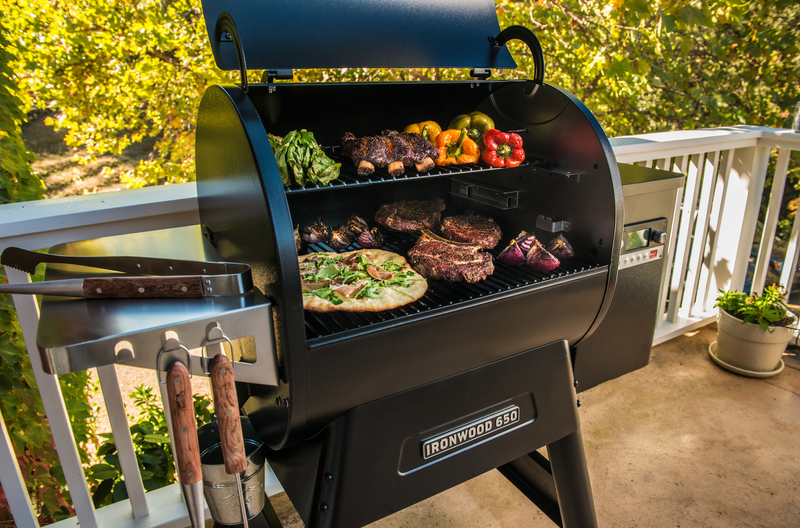
The Technological Foundation of Wood Pellet Grilling
At the heart of every wood pellet grill lies a carefully engineered system designed to control heat and smoke with remarkable accuracy. Unlike traditional grills that rely on manual adjustments of vents or gas flow, pellet grills employ a digital control system to manage the entire cooking process. This system orchestrates the interplay of several key components, each playing a crucial role in delivering consistent and delicious results.
The Auger System: Fueling the Flame
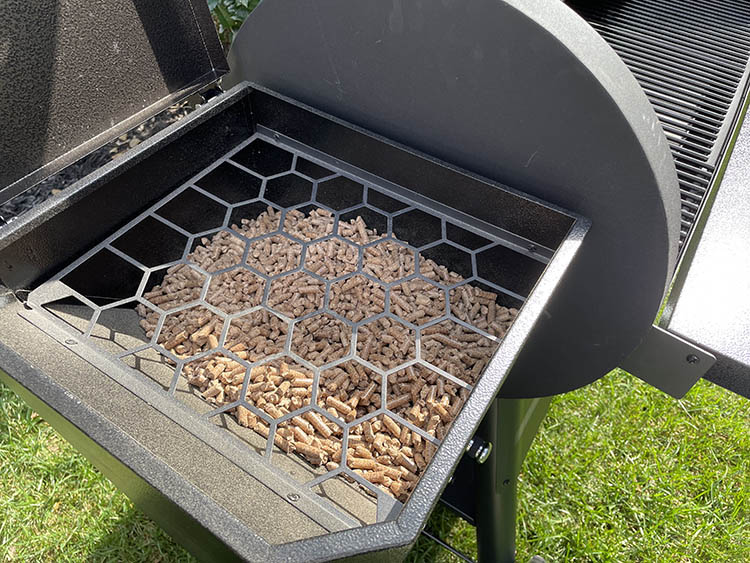
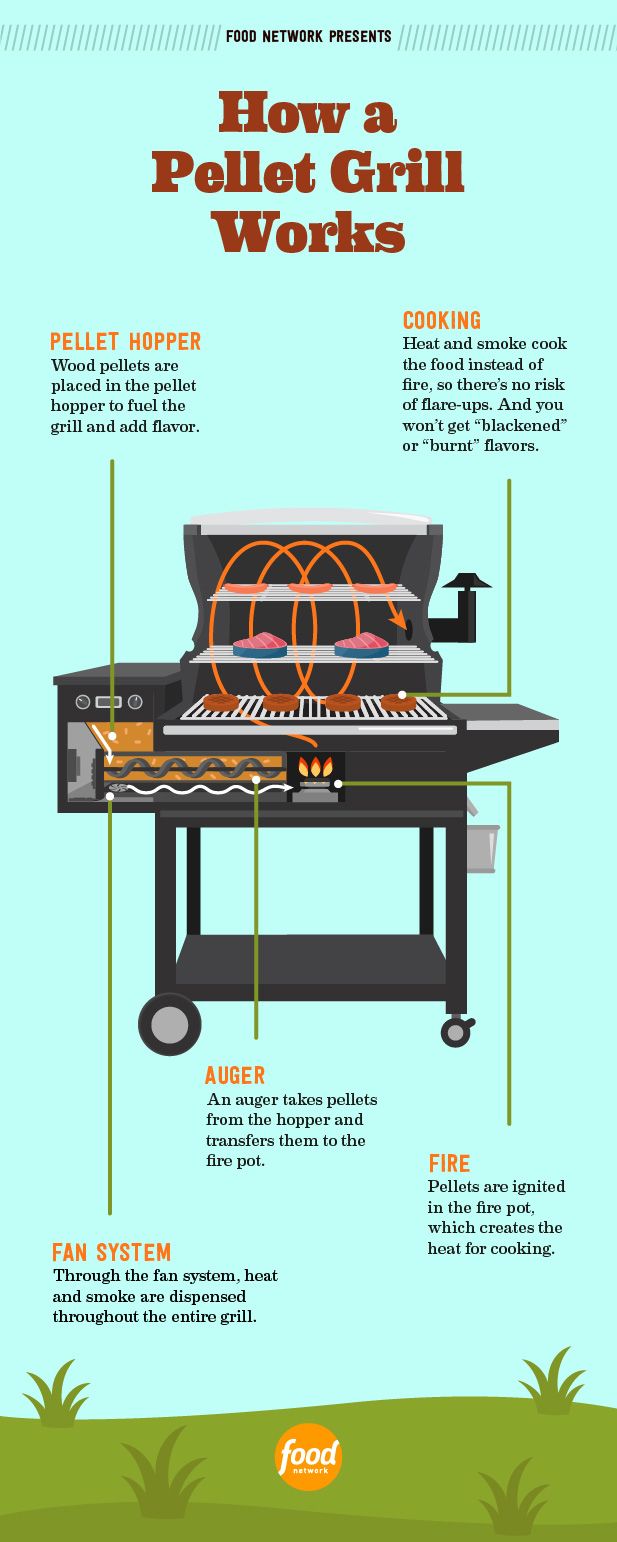
The defining feature of a wood pellet grill is its reliance on compressed wood pellets. These pellets, typically made from hardwood sawdust compressed under immense pressure, are a clean-burning and efficient fuel source. The journey from pellet hopper to firepot is managed by an auger system. This mechanical screw-like device, powered by an electric motor, precisely dispenses pellets from the hopper into the grill’s firepot. The speed at which the auger turns dictates the amount of fuel entering the firepot, and consequently, the temperature within the grill. A variable-speed auger is crucial for fine-tuning the heat output, allowing the grill to maintain anything from a low-and-slow smoking temperature to a searing hot direct heat.
The Firepot and Igniter: Initiating the Cook
The firepot is where the magic truly happens. Located beneath the cooking grates, it’s a robust metal receptacle designed to contain the burning pellets. Once the auger delivers the pellets, an igniter, typically a glowing hot rod or a more modern hot air blower system, initiates combustion. This ignition process is automated, activated by the grill’s control panel. The igniter heats the pellets to their combustion point, establishing a consistent flame that generates heat and smoke. The design of the firepot is essential for efficient combustion and heat distribution, often featuring airflow channels to ensure a steady supply of oxygen for optimal burning.
The Fan: Circulating Heat and Smoke
A critical component in achieving the desired cooking environment is the fan. This fan serves a dual purpose: it provides the necessary airflow to keep the pellets burning efficiently, and more importantly, it circulates the heat and smoke throughout the grill’s cooking chamber. This convection cooking method ensures that food is cooked evenly on all sides, penetrating deeply with smoky flavor. The fan’s speed can often be adjusted by the grill’s control system, further allowing for precise temperature management and smoke density control. This controlled circulation is a significant departure from traditional grills where heat distribution can be more uneven and dependent on fuel placement and grill design.
The Control Panel: The Brains of the Operation
The control panel is the interface through which the user communicates with the grill’s internal technology. Modern pellet grills feature sophisticated digital controllers, ranging from simple LED displays with dial knobs to advanced touchscreen interfaces with Wi-Fi and Bluetooth connectivity. These controllers allow users to set and maintain precise cooking temperatures, often in increments of five or ten degrees. They communicate with the auger motor and fan to regulate fuel delivery and airflow, ensuring the set temperature is maintained with remarkable accuracy. More advanced controllers can even offer pre-programmed cooking modes for specific foods, temperature probes for monitoring internal meat temperatures, and remote monitoring capabilities via smartphone apps, placing a powerful grilling command center at your fingertips.
Advantages of Wood Pellet Grill Technology
The technological sophistication of wood pellet grills translates into a host of tangible benefits for the user, making them an attractive option for a wide range of cooking enthusiasts. These advantages center around ease of use, versatility, and the consistent delivery of superior flavor.
Precision Temperature Control
One of the most significant technological advancements offered by wood pellet grills is their unparalleled precision in temperature control. Traditional charcoal grills require constant monitoring and manual adjustments to maintain a target temperature, often leading to fluctuations that can affect the outcome of the cook. Gas grills offer better control but can sometimes lack the smoky flavor that many grilling aficionados seek. Pellet grills, on the other hand, employ digital thermostats that actively manage the fuel supply and airflow to maintain the set temperature with remarkable accuracy, often within a few degrees of the target. This consistency is invaluable for achieving perfect results, whether you’re aiming for a low-and-slow smoke on a brisket or a high-heat sear on steaks. The automated nature of this process frees up the griller to focus on other aspects of meal preparation or entertaining.
Versatile Cooking Capabilities
The technological design of wood pellet grills allows for an impressive range of cooking methods. Their ability to precisely control temperature means they excel at everything from low-temperature smoking (as low as 150°F or 65°C) to high-temperature searing (often exceeding 500°F or 260°C). This versatility allows users to smoke ribs for hours, roast a whole chicken, bake pizza, or grill burgers, all on the same appliance. The controlled convection cooking also ensures even heat distribution, eliminating hot spots and cold zones common in other grill types. This adaptability makes a pellet grill a true all-in-one outdoor cooking solution, capable of handling a diverse menu without the need for multiple specialized cooking devices.
Consistent and Authentic Smoke Flavor
While gas grills offer convenience, they often fall short in delivering the rich, smoky flavor that many associate with barbecued foods. Charcoal grills provide good flavor but can be inconsistent. Wood pellet grills, however, offer a consistent and authentic smoke flavor that is a hallmark of their technology. By using various types of wood pellets (hickory, mesquite, apple, cherry, etc.), users can impart different flavor profiles to their food. The controlled burning of the pellets creates a steady stream of smoke that permeates the food, resulting in a deep, satisfying smoky taste. This level of flavor control and consistency is difficult to achieve with other grilling methods, making pellet grills a preferred choice for those who prioritize flavor.
Ease of Use and Automation
Perhaps the most appealing aspect for many users is the inherent ease of use that the technology provides. The days of constantly tending to a fire, managing vents, and worrying about temperature fluctuations are largely over with a pellet grill. The process is remarkably automated: load the hopper with pellets, set your desired temperature on the control panel, and the grill takes care of the rest. The igniter starts the fire, the auger feeds the fuel, and the fan circulates the heat and smoke. Many models also include built-in meat probes that allow you to monitor the internal temperature of your food remotely via a smartphone app, providing alerts when your food reaches its target temperature. This “set it and forget it” capability allows even novice grillers to achieve professional-level results.
The Evolving Landscape of Wood Pellet Grill Technology
The wood pellet grill market is not static; it’s a dynamic space characterized by continuous innovation and technological refinement. Manufacturers are constantly pushing the boundaries of what these grills can do, integrating new features and improving existing ones to enhance user experience and cooking performance. This evolution is driven by consumer demand for greater convenience, smarter functionality, and more sophisticated cooking capabilities.
Smart Grill Integration and Connectivity
The trend towards “smart” appliances has significantly impacted the wood pellet grill industry. Many modern pellet grills now feature Wi-Fi and Bluetooth connectivity, allowing users to connect to their grills via dedicated smartphone apps. These apps unlock a wealth of functionality, including remote temperature monitoring and adjustment, pre-programmed cooking recipes, notifications for pellet levels, and even troubleshooting guides. Some advanced apps can automatically adjust cooking temperatures based on internal meat probe readings to ensure perfectly cooked food. This level of connectivity transforms the grill into a truly integrated part of a smart home ecosystem, offering unprecedented control and convenience.
Improved Pellet Management and Fuel Efficiency
Manufacturers are also focusing on optimizing the pellet management system for greater efficiency and convenience. This includes developing hoppers with larger capacities to reduce the frequency of refills, improving the reliability of the auger system to prevent jams, and designing firepots for more complete combustion, leading to less ash and more efficient fuel utilization. Some newer models are exploring hybrid fuel systems or improved pellet blending technologies to offer a wider range of smoke profiles and enhance flavor development. The goal is to make the grilling process as seamless as possible, from loading the pellets to cleaning up afterward.
Enhanced Durability and Construction
As wood pellet grills gain popularity, there’s a growing emphasis on robust construction and long-term durability. Manufacturers are using higher-quality materials, such as thicker gauge steel and advanced ceramic coatings, to ensure their grills can withstand the rigors of outdoor use and prolonged exposure to high temperatures. Improvements in insulation and gasket technology are also enhancing heat retention and fuel efficiency, making the grills more effective in colder weather and reducing pellet consumption. These advancements contribute to a longer lifespan for the grill and a more consistent cooking performance over time.
Innovations in Smoking and Searing Capabilities
While pellet grills have long been known for their smoking prowess, advancements are being made to enhance their searing capabilities. This includes developing higher maximum temperatures, incorporating dedicated searing zones, and designing grates that achieve superior grill marks and crust development. Similarly, innovations in firepot design and airflow management are leading to more intense and nuanced smoke production, allowing users to achieve a wider spectrum of smoky flavors. Some grills are even incorporating indirect and direct heat zones, mimicking the functionality of traditional grills and smokers within a single unit.
The technological evolution of wood pellet grills is a testament to the power of innovation in the culinary world. By leveraging sophisticated engineering and digital control, these grills have made the art of smoking and barbecuing more accessible and enjoyable than ever before. As technology continues to advance, we can expect even more exciting features and capabilities to emerge, further solidifying the wood pellet grill’s position as a cornerstone of modern outdoor cooking.
aViewFromTheCave is a participant in the Amazon Services LLC Associates Program, an affiliate advertising program designed to provide a means for sites to earn advertising fees by advertising and linking to Amazon.com. Amazon, the Amazon logo, AmazonSupply, and the AmazonSupply logo are trademarks of Amazon.com, Inc. or its affiliates. As an Amazon Associate we earn affiliate commissions from qualifying purchases.