
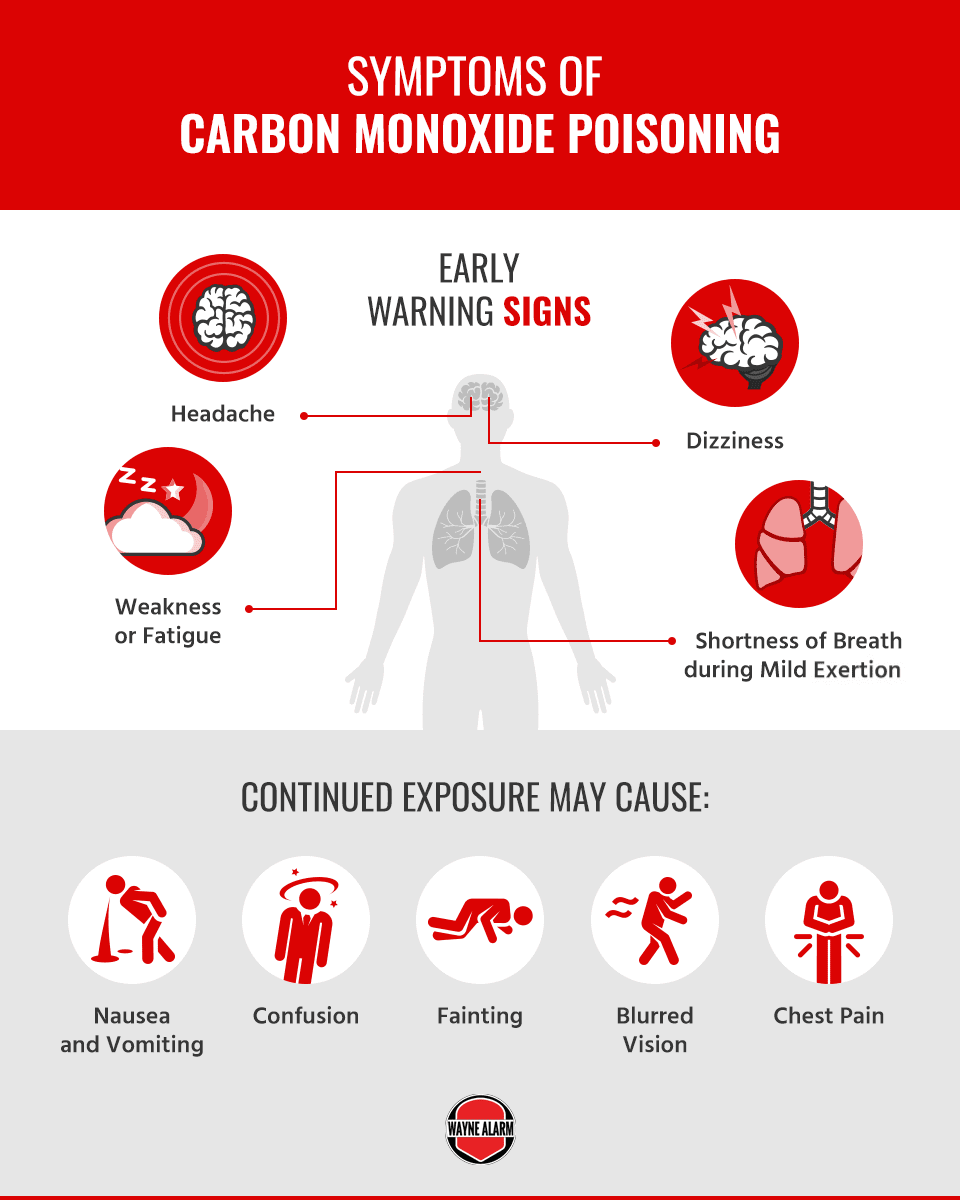
Carbon monoxide (CO) is often referred to as the “silent killer.” Colorless, odorless, and tasteless, it is a byproduct of incomplete combustion that claims thousands of lives globally every year. While the biological effects of carbon monoxide on the human body—ranging from subtle headaches to fatal hypoxia—are well-documented, the narrative of how we combat this threat has shifted dramatically. We are no longer reliant on simple, localized “beeping boxes.” In the modern era, the question of “what can carbon monoxide do to you” is increasingly being answered by the tech industry through advanced sensors, Internet of Things (IoT) ecosystems, and artificial intelligence.
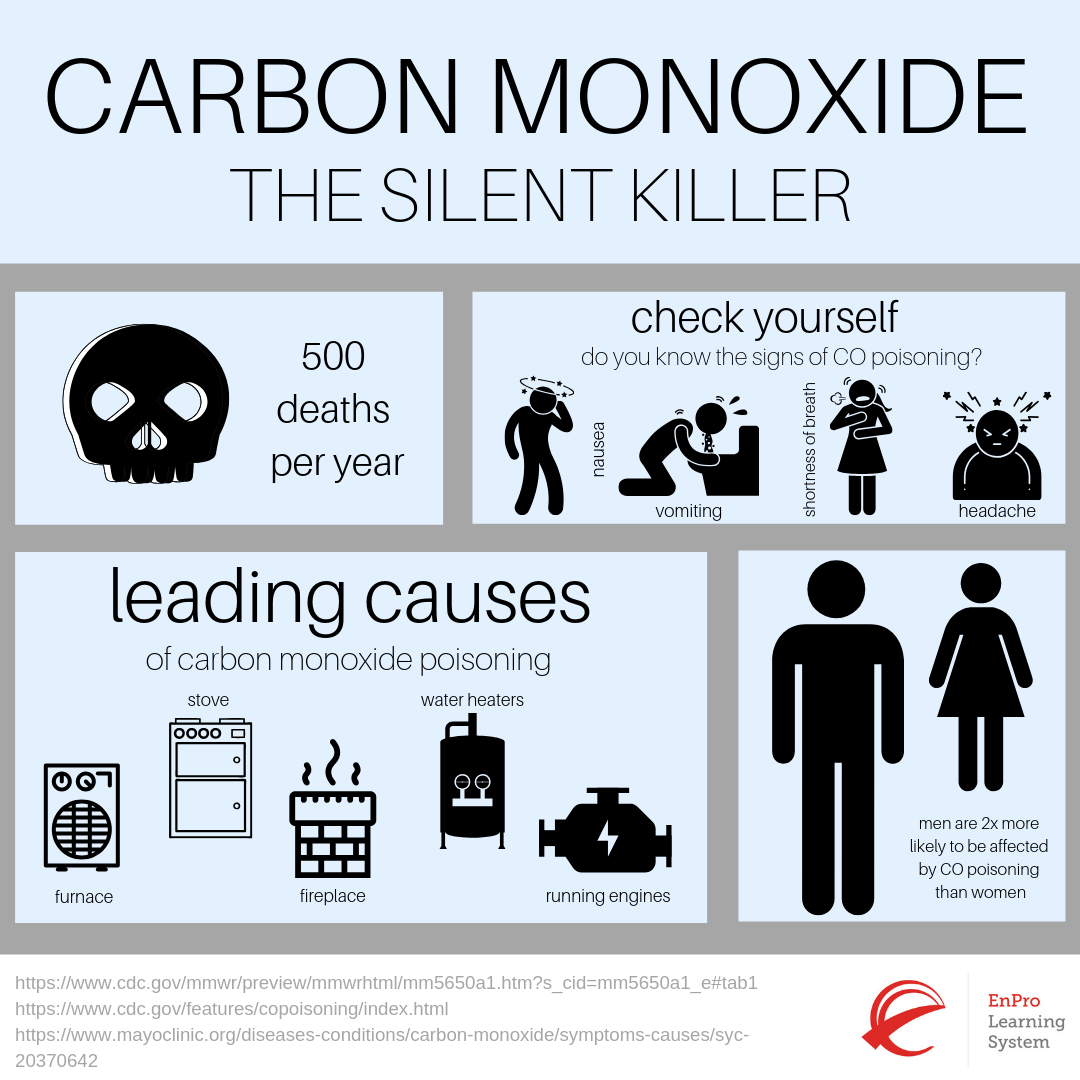
This article explores the intersection of life safety and high technology, examining how innovations in gas sensing, smart home integration, and industrial wearables are creating a digital shield against an invisible atmospheric threat.
The Evolution of Detection: From Biomimetic Sensors to Electrochemical Precision
To understand how technology mitigates what carbon monoxide can do to you, one must first understand the sophistication of modern detection hardware. In the past, CO detectors were rudimentary devices with high margins of error and limited lifespans. Today, the tech sector has refined sensing mechanisms into highly reliable digital components.
Electrochemical Sensors: The Gold Standard
The most significant leap in personal and residential safety has been the refinement of electrochemical sensors. Unlike older biomimetic patches that changed color, electrochemical sensors work by producing a measurable electrical current when they come into contact with CO molecules. As CO gas diffuses into the sensor, a chemical reaction occurs at the electrode, generating a current proportional to the gas concentration. This analog signal is then converted into digital data, allowing for precise parts-per-million (ppm) readings that can be tracked over time via software interfaces.
Metal Oxide Semiconductors (MOS)
In industrial and tech-heavy environments, Metal Oxide Semiconductors are often deployed. These sensors use a thin film of metal oxides (like tin dioxide) that changes its electrical resistance when exposed to CO. The integration of these sensors into microchips allows for miniaturization, enabling tech manufacturers to embed CO detection into a wider variety of gadgets, from smart thermostats to portable air quality monitors.
The Role of Digital Signal Processing (DSP)
Modern detectors do more than just “sense”; they analyze. Using Digital Signal Processing, smart detectors can filter out “nuisance alarms” caused by brief spikes in other gases or humidity. This intelligence ensures that when a device alerts a user, the data is verified and the threat is real, reducing alarm fatigue—a critical factor in emergency response technology.
The IoT Ecosystem: Moving Beyond Localized Alarms
The most dangerous thing carbon monoxide can do to you is catch you while you are sleeping or away from the source. Traditional alarms only work if you are within earshot. The technology sector has solved this through the Internet of Things (IoT), transforming a standalone safety device into a node within a comprehensive digital security network.
Interconnectivity and Mesh Networking
Smart home brands like Google Nest, Ring, and First Alert have pioneered interconnected safety systems. Using protocols such as Zigbee, Z-Wave, or Thread, these devices create a mesh network. If a CO leak is detected in the basement, every alarm in the house sounds simultaneously. Furthermore, the tech allows for “voice localization,” where the device speaks to the user, identifying exactly where the danger is located. This immediate data delivery is a prime example of how tech minimizes the physical risks of CO by optimizing evacuation times.
Remote Monitoring and Cloud Alerts
Perhaps the greatest tech-driven innovation in this space is the push notification. Through cloud-integrated apps, a smartphone becomes a remote monitor for your home’s air quality. If carbon monoxide levels rise while you are at work or traveling, the system sends an instant alert to your device. This connectivity allows for the remote shut-off of HVAC systems if they are integrated into the smart home hub, potentially stopping the leak at its source before it reaches lethal concentrations.
Data Logging and Predictive Analytics
Beyond immediate alerts, smart CO monitors log historical data. By analyzing air quality trends over weeks or months, AI-driven software can identify “low-level” leaks that might not trigger an emergency alarm but could cause chronic health issues. This shift from reactive hardware to proactive health-tech monitoring is a cornerstone of modern digital wellness.
Industrial Tech and Wearable Safety: Protecting the Workforce
While residential tech focuses on the home, the industrial tech sector has developed high-fidelity solutions for professionals working in high-risk environments, such as mining, manufacturing, and emergency services. In these sectors, what carbon monoxide can do to you is a matter of immediate operational risk.
Wearable Gas Detectors
The miniaturization of sensors has led to the rise of “connected wearables” for industrial safety. Modern workers now wear devices that are smaller than a deck of cards but more powerful than laboratory equipment from twenty years ago. These wearables are often Bluetooth-enabled, syncing with a central command center. If a worker’s CO levels spike, the device not only vibrates and flashes but also sends a GPS-tagged distress signal to safety officers, ensuring that help is dispatched to the exact coordinates of the incident.
Blackline Safety and the Cloud-Connected Workforce
Companies like Blackline Safety have pioneered the “Connected Worker” concept. Their technology utilizes cellular and satellite connectivity to monitor workers in real-time. In the event of CO exposure, the “man-down” functionality and gas detection sensors provide a data-rich environment for rescuers. This integration of telecommunications and gas sensing represents the pinnacle of how the tech industry is engineering out the lethality of carbon monoxide.
AI-Driven Maintenance for Industrial Boilers
In large-scale facilities, CO leaks are often the result of equipment failure. Tech firms are now deploying AI and machine learning algorithms to monitor the performance of combustion equipment. By analyzing vibration, heat, and minor gas fluctuations, these AI tools can predict when a boiler or furnace is likely to malfunction and begin producing CO. This “predictive maintenance” is a technological barrier that prevents the gas from ever entering the environment.
The Future of Safety: Nanotechnology and Environmental Intelligence
As we look toward the next decade, the tech industry is pushing the boundaries of what is possible in gas detection. The goal is to move from “detecting a problem” to “total environmental intelligence.”
Graphene and Carbon Nanotube Sensors
Research in nanotechnology is yielding sensors made from graphene or carbon nanotubes. These materials are incredibly sensitive, capable of detecting single molecules of carbon monoxide. For the consumer, this means sensors that last for twenty years instead of five, and devices that can be integrated into the fabric of smart clothing or the screens of smartphones. This level of ubiquity would effectively make CO poisoning a relic of the past.
The Integration of Matter and Universal Standards
One of the hurdles in safety tech has been fragmentation—different brands not talking to each other. The rollout of “Matter,” a new universal smart home standard, is changing this. In the near future, your CO detector will be able to communicate natively with any smart window opener, air purifier, or ventilation system, regardless of the manufacturer. If CO is detected, the tech ecosystem could automatically open windows to ventilate the space and ramp up the fresh air intake of the building’s HVAC system.
Hyper-Local Weather and Air Quality Networks
Tech giants are increasingly interested in “hyper-local” environmental data. By crowdsourcing data from millions of outdoor and indoor sensors, companies can create real-time maps of air quality. While CO is typically an indoor threat, high concentrations can occur in urban “canyons” with heavy traffic. Tech-driven environmental mapping will allow cities to manage traffic flow and public health in ways that were previously impossible, protecting entire populations from the cumulative effects of gas exposure.
Conclusion: The Digital Shield
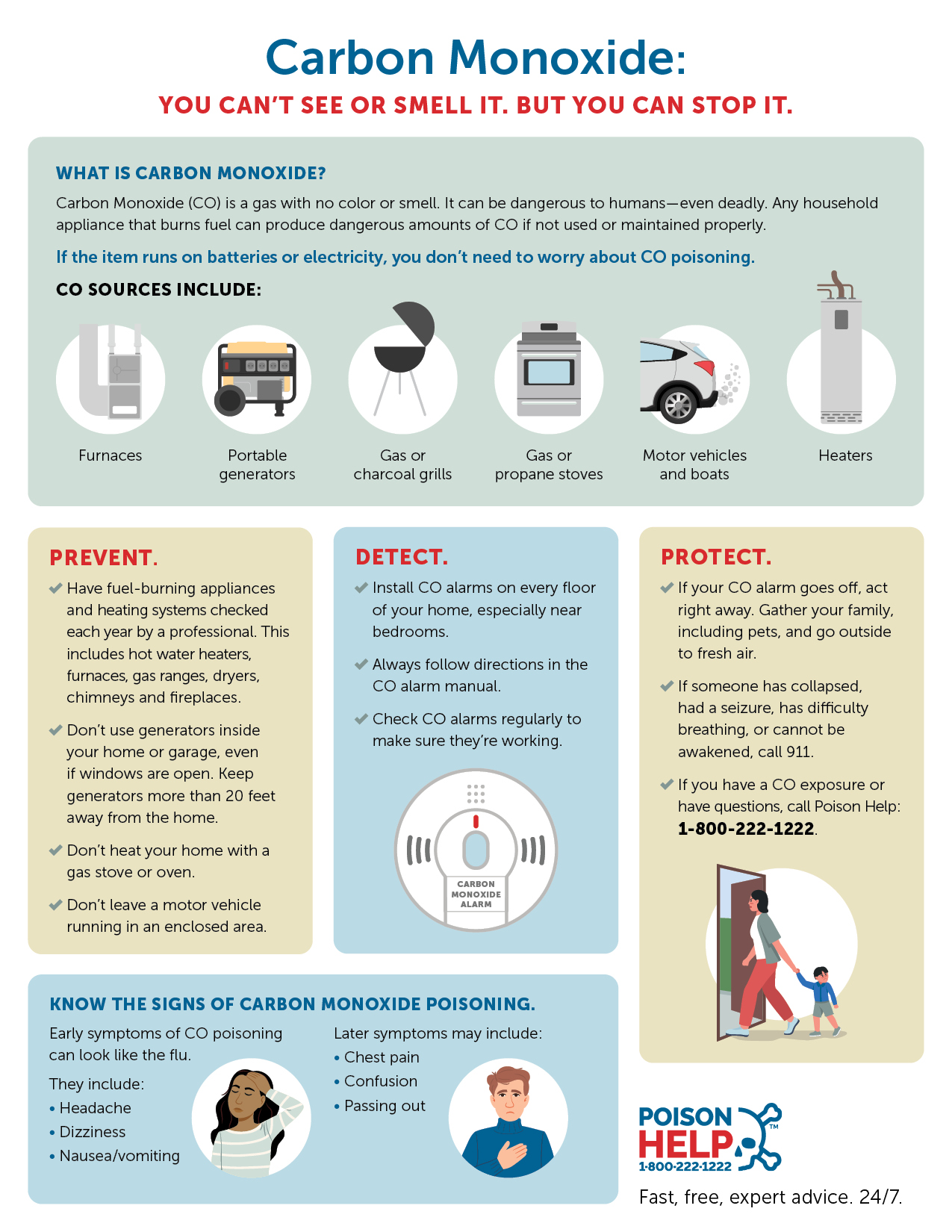
What carbon monoxide can do to you is devastating, but the technology we have built to counter it is becoming equally powerful. We have moved from a simple chemical reaction in a plastic box to a global network of intelligent, interconnected sensors. Through electrochemical precision, IoT connectivity, industrial wearables, and the promise of nanotechnology, the tech industry is successfully turning the “silent killer” into a manageable, highly visible data point.
As we continue to integrate these smart systems into our homes and workplaces, the focus shifts from mere survival to optimized living. In the digital age, safety is no longer a passive state; it is an active, evolving suite of technologies dedicated to ensuring that the air we breathe is as intelligent as the devices in our pockets. The future of carbon monoxide safety lies not in the air, but in the code, the cloud, and the silicon.
aViewFromTheCave is a participant in the Amazon Services LLC Associates Program, an affiliate advertising program designed to provide a means for sites to earn advertising fees by advertising and linking to Amazon.com. Amazon, the Amazon logo, AmazonSupply, and the AmazonSupply logo are trademarks of Amazon.com, Inc. or its affiliates. As an Amazon Associate we earn affiliate commissions from qualifying purchases.