
The question “What is a women’s 8 in men’s?” might seem straightforward, but for many, it’s a source of confusion and frustration when trying to purchase footwear. This isn’t just a matter of simple conversion; it’s a delve into the intricacies of shoe manufacturing, sizing standards, and the often-imperfect art of translation between gendered sizing systems. Understanding this conversion is crucial for consumers seeking the right fit, whether they’re shopping for themselves or as a gift. This article will explore the nuances of this sizing difference, the factors influencing it, and provide practical guidance for navigating the often-perplexing world of shoe sizes.

The Core Conversion: A General Rule of Thumb
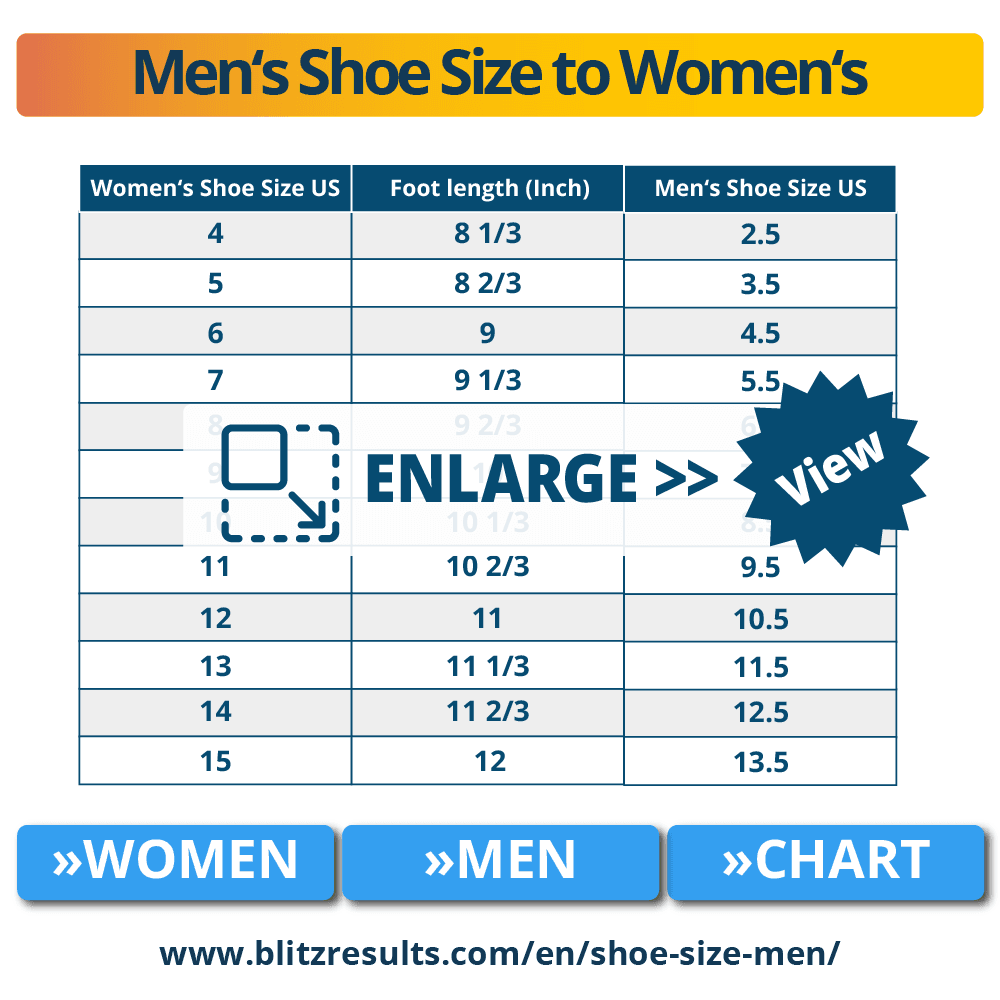
At its most basic, the conversion from a women’s shoe size to a men’s shoe size generally involves subtracting 1.5 to 2 sizes. Therefore, a women’s 8 typically corresponds to a men’s 6 or 6.5. However, this is a generalization, and the reality is far more complex.
Why the Difference? Anatomical and Manufacturing Realities
The fundamental reason for the difference in sizing stems from the average anatomical variations between men’s and women’s feet. While individual variations are significant, on average:
- Width: Men’s feet tend to be wider than women’s feet, even when comparing individuals of the same length. This is reflected in the last, the mold around which a shoe is constructed. Men’s lasts are generally wider and have a higher volume.
- Toe Box Shape: The shape of the toe box can also differ. Men’s shoes often feature a more squared-off or roomier toe box, accommodating the typically broader forefoot and longer toes of males. Women’s shoes may have a more tapered or pointed toe box.
- Arch Support: While not as directly tied to sizing conversion, the emphasis on arch support can vary. Men’s shoes are sometimes designed with different arch contours.
- Manufacturing Standards: Shoe manufacturers operate within their own established sizing charts and specifications. While there are general industry standards, slight variations can occur between brands, and even within different product lines of the same brand. These internal standards dictate how they translate their measurements into numerical sizes.
The “Gendered” Nature of Sizing
It’s important to acknowledge that shoe sizing systems, particularly the common US system, have historically been developed with a male foot as the default. Women’s sizing was largely an adaptation, often achieved by taking a men’s last and making it narrower. This historical context contributes to the persistent discrepancy and the need for conversion.
Beyond the Numbers: Understanding Fit and Nuance
While the 1.5 to 2-size reduction is a starting point, relying solely on this formula can lead to ill-fitting shoes. Several other factors come into play that can influence the actual size needed.
The Role of Shoe Type and Style
The type of shoe you’re purchasing significantly impacts the conversion.
- Athletic Shoes and Sneakers: These are often the most forgiving. Due to their typically wider construction and flexible materials, the conversion from a women’s 8 to a men’s 6.5 or 7 is generally quite reliable. Many athletic brands even offer unisex or gender-neutral sizing that aligns closely with men’s sizing.
- Dress Shoes and Heels: These styles are more sensitive to precise fit. Dress shoes, especially those with pointed toes or narrower silhouettes, will likely require a more careful conversion. A women’s 8 in a very narrow dress shoe might translate to a men’s 6, whereas a women’s 8 in a wider loafer could be closer to a men’s 6.5. Heels, by their nature, alter the foot’s mechanics and can make sizing feel different, often requiring a size that feels snugger.
- Boots: Similar to dress shoes, the construction and intended use of boots matter. Winter boots might be designed for thicker socks, necessitating a slightly larger size, while fashion boots might be cut more slenderly.
- Sandals and Flip-Flops: These casual options often have less structured support, making them more forgiving with sizing. The primary concern is often length and strap placement.
Brand-Specific Sizing Charts: Your Best Friend

The most reliable way to determine the correct men’s size for a women’s 8 is to consult the specific brand’s sizing chart. Most reputable shoe retailers and manufacturers provide detailed charts that list conversions for both men’s and women’s sizes.
- Where to Find Sizing Charts: These are typically found on the product page of the shoe, within a dedicated “Sizing Information” or “Size Guide” section on the brand’s website, or sometimes even printed on the shoe box.
- How to Use Sizing Charts: A good sizing chart will usually have columns for women’s sizes, men’s sizes, and often foot length in inches or centimeters. It’s highly recommended to measure your foot length according to the chart’s instructions to get the most accurate result.
The Importance of Foot Measurement
For the most accurate fit, especially when buying online, measuring your foot is paramount.
- Measure Both Feet: Feet can be slightly different in size. Always measure both and use the larger measurement.
- Measure at the End of the Day: Feet tend to swell throughout the day, so measuring in the afternoon or evening will give you a more accurate representation of your foot’s size under normal conditions.
- Stand Up: Place a piece of paper on the floor and stand on it with your heel against a wall. Mark the longest point of your toe. Measure the distance from the wall to the mark. Repeat for the other foot.
- Consider Width: If you have particularly wide or narrow feet, pay attention to brands that offer different width options (e.g., D for standard men’s width, E for wide, EE for extra wide).
Navigating the Purchase: Tips for Success
Armed with the knowledge of conversion and the importance of individual factors, you can approach shoe shopping with more confidence.
When Buying Online
- Prioritize Sizing Charts: As mentioned, brand-specific charts are your primary resource.
- Read Reviews: Customer reviews can offer invaluable insights into how a particular shoe fits and whether it runs true to size, small, or large. Look for reviews from people who have made similar conversions.
- Check Return Policies: Before purchasing, thoroughly understand the retailer’s return and exchange policy. A good policy will allow you to return or exchange shoes that don’t fit without hassle.
- Consider the “Try-On” Aspect: If possible, order your usual size and a half-size up or down to compare. This can be a worthwhile investment if you’re unsure.
When Buying In-Store
- Wear Appropriate Socks: If you’re trying on shoes that will be worn with specific types of socks (e.g., athletic shoes with athletic socks, boots with thicker socks), wear those socks to the store.
- Walk Around: Don’t just stand. Walk around the store for a few minutes to get a feel for how the shoes fit while moving. Pay attention to any pinching, rubbing, or excessive looseness.
- Try Both Shoes: Always try on both the left and right shoe.
- Don’t Assume “Break-In”: While some shoes do require a short break-in period, they should feel reasonably comfortable from the start. Don’t buy shoes that are painfully tight, hoping they’ll stretch out significantly.
Understanding Unisex and Gender-Neutral Sizing
An increasing number of brands are offering unisex or gender-neutral footwear. In these cases, the sizing is often based on men’s sizing. If a shoe is labeled as unisex, you will typically find that the sizing aligns with men’s shoe sizes. For example, a women’s 8 might be equivalent to a unisex 6.5. It is always best to refer to the brand’s specific sizing guide for unisex items.
The Psychological Aspect of Sizing
It’s worth noting that the act of converting sizes can sometimes feel like a compromise or even a diminishment. However, it’s important to remember that shoe sizing is a convention, and the goal is to find a shoe that fits comfortably and functions as intended, regardless of the numerical label. The “what is a women’s 8 in men’s?” question is a practical one, focused on achieving a functional and comfortable outcome.
In conclusion, while a women’s 8 generally translates to a men’s 6 to 6.5, this is a starting point, not an absolute rule. Understanding the anatomical differences, the variations in shoe construction, and the importance of brand-specific sizing charts and accurate foot measurements will empower you to navigate the world of footwear with greater success. By approaching shoe purchases with a methodical and informed mindset, you can ensure that your chosen footwear provides the comfort and support you need, no matter the gendered labeling on the box.
aViewFromTheCave is a participant in the Amazon Services LLC Associates Program, an affiliate advertising program designed to provide a means for sites to earn advertising fees by advertising and linking to Amazon.com. Amazon, the Amazon logo, AmazonSupply, and the AmazonSupply logo are trademarks of Amazon.com, Inc. or its affiliates. As an Amazon Associate we earn affiliate commissions from qualifying purchases.