
In the high-stakes world of global spirits and lifestyle marketing, few icons carry as much weight as the Martini. It is more than a cocktail; it is a cultural shorthand for sophistication, power, and discernment. However, within this iconic brand category, there exists a spectrum of choice that defines the consumer’s relationship with the product. At one end of this spectrum lies the “Dry” Martini—popularized by mid-century cinema and a minimalist aesthetic. At the other lies the “Wet Martini.”
To the uninitiated, a Wet Martini might sound like a redundancy, but to a brand strategist, it represents a sophisticated study in product differentiation, market positioning, and the revival of heritage. Understanding what a Wet Martini is—and why it is currently seeing a resurgence—provides invaluable insights into how brands can leverage “slight variations” to capture new market segments and reinforce luxury credentials.

The Anatomy of the Product: Defining the “Wet” Value Proposition
To understand the branding of a Wet Martini, one must first understand the technicality of the product. In the simplest terms, the “wetness” of a Martini refers to the ratio of gin (or vodka) to dry vermouth. While a “Dry Martini” minimizes the presence of vermouth—sometimes to a nearly infinitesimal degree—a Wet Martini embraces it.
The Ratio: Establishing a Technical Benchmark
A standard Wet Martini typically utilizes a ratio of three parts spirit to one part vermouth, though some versions go as far as a one-to-one ratio (often called a “50/50 Martini”). In the world of branding, this is a lesson in ingredient transparency and profile shifting. By increasing the volume of vermouth, the brand shifts the flavor profile from a sharp, high-ethanol punch to a more botanical, fortified, and nuanced experience. For brands like Noilly Prat or Dolin, the “Wet” movement isn’t just a recipe; it is a strategic opportunity to move their product from a background “modifier” to a foreground “hero ingredient.”
Perception vs. Reality: Rebranding the “Diluted” Experience
For decades, the “Dry” Martini was marketed as the ultimate masculine, “tough” beverage—think Winston Churchill or the hyper-masculine iterations of James Bond. Within that context, “Wet” was often incorrectly perceived as “diluted” or “weak.” However, modern brand strategy has successfully flipped this narrative. Today, the Wet Martini is marketed through the lens of complexity and culinary appreciation. By emphasizing the botanicals in the vermouth, brands have repositioned the Wet Martini as the “connoisseur’s choice,” appealing to a demographic that values flavor layers over pure potency.
The Archetype of Sophistication: How the Martini Built a Global Brand Identity
The Martini does not exist in a vacuum. It is perhaps the most successfully branded beverage in history, sustained by decades of strategic associations with luxury, architecture, and high-fashion. The Wet Martini, specifically, acts as a “heritage” sub-brand within this ecosystem.
The Narrative-Driven Marketing of the Martini Glass
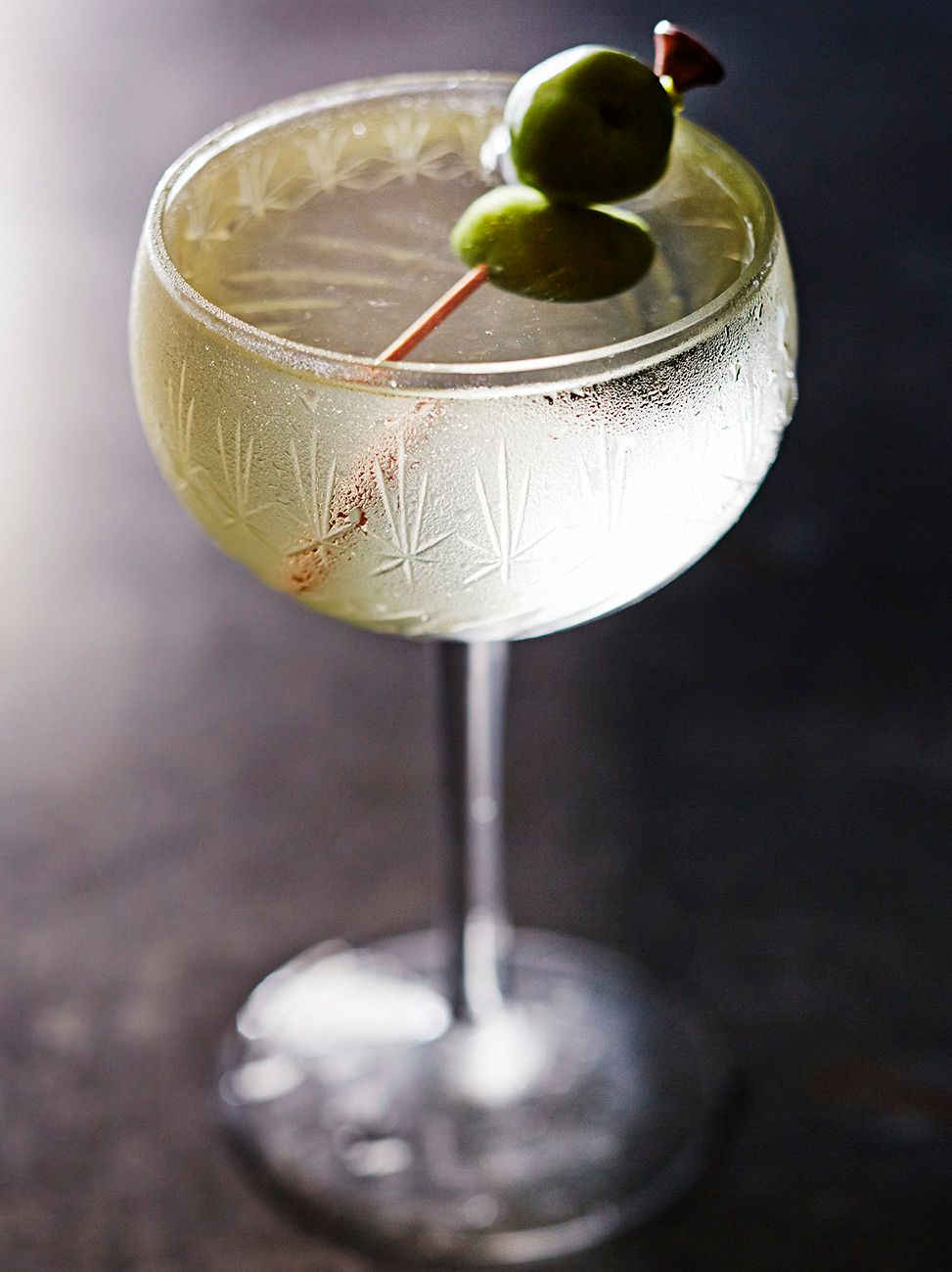
Every great brand needs a visual anchor. For the Martini, it is the Y-shaped glass. This silhouette is globally recognized, transcending language barriers. When a consumer orders a Wet Martini, they are purchasing the right to hold that visual anchor. From a brand strategy perspective, the glass acts as “passive marketing.” It signals to everyone in the room that the consumer has a specific, refined taste. The “Wet” variation allows the brand to maintain this iconic visual while offering a different “user experience” (the flavor) to those who find the standard Dry Martini too abrasive.
The James Bond Effect and Brand Evolution
We cannot discuss Martini branding without mentioning 007. While Bond famously requested his “shaken, not stirred,” he also solidified the “Dry” dominance in the public consciousness. However, as the Bond brand evolved to become more nuanced and less caricatured, the spirits industry followed suit. Brands began to realize that the “super-dry” trend had reached a saturation point. To continue growing, they needed to look backward to the pre-prohibition era where “Wet” was the standard. This is a classic “Retro-Innovation” strategy: taking a historical truth and re-packaging it as a “new” premium experience.
Market Positioning: Why “Wet” is Making a Comeback in the Modern Craft Movement
In the current marketplace, the resurgence of the Wet Martini is no accident. It is the result of three specific shifts in brand strategy and consumer behavior: the rise of premiumization, the focus on lower-ABV (Alcohol By Volume) products, and the demand for “botanical” storytelling.
Premiumization and the Shift Toward Botanical Complexity
Today’s consumer is more educated than ever. They don’t just want “gin”; they want to know which fourteen botanicals were used in the distillation process. Because vermouth is a fortified wine steeped with herbs, a Wet Martini provides a much larger canvas for this type of “storytelling-led” consumption. Brands that produce high-end vermouths have capitalized on this by positioning their products as artisanal crafts rather than mass-produced mixers. This shift has allowed bars to increase the price point of a Wet Martini, justifying the cost through the “premium” nature of the vermouth ratio.
Targeting the Conscious Consumer: Lower ABV as a Brand Extension
The “Wellness” brand movement has hit the spirits industry hard. Modern consumers are increasingly “sober-curious” or simply looking to reduce their alcohol intake without sacrificing the social ritual of the cocktail hour. A Wet Martini, particularly the 50/50 variation, offers a lower-ABV alternative to the traditional “booze-forward” dry version. By marketing the Wet Martini as a “refined, sessionable” drink, brands can retain customers who might otherwise have switched to sparkling water or non-alcoholic alternatives. It is a retention strategy disguised as a menu variation.
Strategic Lessons for Brands: Customization as a Retention Tool
The existence of the Wet, Dry, Dirty, and Perfect Martini highlights one of the most powerful tools in branding: the “Secret Language of Loyalty.”
The Power of Choice: Creating a “Secret Language”
When a customer knows exactly how “wet” they want their Martini, they have moved from being a casual consumer to an “insider.” This is similar to how Starbucks created a unique nomenclature (Venti, Grande) or how tech brands like Apple create ecosystems that require specific knowledge. By offering variations like the Wet Martini, the industry creates a “customizable” experience that makes the consumer feel empowered and knowledgeable. This builds a psychological “moat” around the brand; once a customer finds their “perfect” Wet Martini ratio, they are less likely to switch to a different category of drink.
Building Community Through Ritual and Tradition
The preparation of a Wet Martini is a ritual—the chilling of the glass, the precise measurement of the vermouth, the expression of the lemon oil. From a brand management perspective, these rituals are “touchpoints.” Each step is an opportunity to reinforce the brand’s commitment to quality and detail. In a world of automated, fast-paced consumption, the “slow brand” appeal of a perfectly stirred Wet Martini stands out as an authentic luxury experience.

Conclusion: The Wet Martini as a Brand Compass
What is a Wet Martini? It is a liquid representation of the balance between tradition and adaptation. For the spirits industry, it serves as a reminder that even the most established brands must provide room for variation to stay relevant.
By embracing the “Wet” side of the spectrum, the Martini category has successfully tapped into the modern desire for complexity, heritage, and mindful consumption. It proves that you don’t always need to invent a “new” product to capture a market; sometimes, you simply need to change the ratio, tell a better story about your ingredients, and allow the consumer the luxury of choice. In the landscape of global branding, the Wet Martini is a testament to the fact that nuance is not just a flavor profile—it is a competitive advantage.
aViewFromTheCave is a participant in the Amazon Services LLC Associates Program, an affiliate advertising program designed to provide a means for sites to earn advertising fees by advertising and linking to Amazon.com. Amazon, the Amazon logo, AmazonSupply, and the AmazonSupply logo are trademarks of Amazon.com, Inc. or its affiliates. As an Amazon Associate we earn affiliate commissions from qualifying purchases.