
In the competitive landscape of modern business, the term “verticle”—a common industry variation and frequent search term for “vertical”—represents more than just a niche. It is a strategic framework that defines how a brand positions itself within a specific industry, targeting a specialized demographic rather than attempting to appeal to the masses. For brand strategists, marketing executives, and entrepreneurs, understanding the mechanics of a vertical is the difference between being a forgettable generalist and a dominant market leader.
To “go vertical” is to commit to depth over breadth. While horizontal brands attempt to solve a broad problem for everyone, a vertical brand focuses on solving a specific set of problems for a clearly defined group of people. This distinction is the cornerstone of effective brand strategy in an era where consumers demand personalization, expertise, and hyper-relevance.
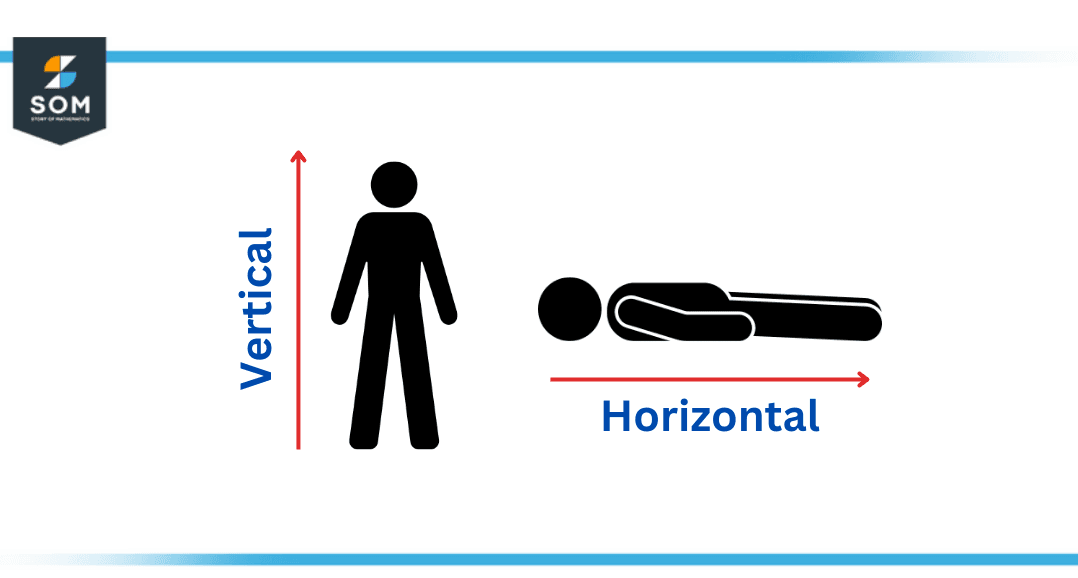
Understanding the Vertical Landscape in Brand Strategy
At its core, a vertical refers to a specific industry or market segment where businesses offer goods and services tailored to the specialized needs of that sector. Unlike horizontal markets, which span across various industries (think of a company that sells office chairs to any business with an office), a vertical market focuses on the unique requirements of a single industry (think of a company that sells specialized ergonomic chairs specifically for dental surgeons).
Vertical vs. Horizontal: The Fundamental Difference
The primary tension in brand development often lies between horizontal and vertical expansion. A horizontal brand strategy seeks to maximize the total addressable market (TAM) by offering a product with universal utility. Companies like Amazon or Microsoft (with Excel) are prime examples of horizontal powerhouses. They provide tools and services that are useful regardless of whether the customer is in healthcare, construction, or education.
Conversely, a vertical strategy narrows the focus. A vertical brand identifies a “silo” and builds its entire corporate identity, product suite, and marketing language around the nuances of that silo. For example, a software company that builds a platform specifically for law firm management is operating in a vertical. They aren’t trying to help every business manage their projects; they are trying to help lawyers manage legal cases. This specificity allows the brand to command higher premiums because their solution is perceived as an exact fit rather than a “good enough” general tool.
Why the Concept Matters in Modern Marketing
In a saturated digital economy, the “generalist” approach is increasingly expensive. High customer acquisition costs (CAC) make it difficult for new brands to compete on a broad stage. By identifying a vertical, a brand can significantly lower its marketing spend. When you know exactly who your customer is—including their industry-specific jargon, their unique regulatory hurdles, and their daily workflows—your brand messaging becomes infinitely more potent.
A “verticle” focus allows for the creation of a brand personality that resonates on a visceral level. It transforms the relationship from a simple transaction into a partnership based on shared industry values.
The Strategic Power of Niche Specialization
The decision to focus on a vertical is a strategic move that provides several competitive advantages. By specializing, a brand can insulate itself from the price wars that typically plague horizontal markets. When a brand is the only one providing a highly specific solution, it shifts the value proposition from “lowest price” to “highest relevance.”
Establishing Immediate Authority
Trust is the currency of modern branding. It is significantly easier to build trust as a specialist. When a brand focuses on a single vertical, it accumulates deep domain expertise. This expertise is reflected in the brand’s content, its case studies, and its product design.
For instance, a marketing agency that only works with high-end boutique hotels will inherently understand the seasonal trends, guest expectations, and booking platforms of the hospitality industry better than a generalist agency. This specialization creates an aura of authority. Clients are often willing to pay a “specialist premium” because they believe the expert will deliver results faster and with fewer errors than a generalist would.
Streamlining Customer Acquisition Costs
One of the most tangible benefits of vertical branding is the efficiency of the marketing funnel. In a horizontal market, you are often bidding on broad keywords or running ads to wide demographics, which leads to high “leakage” in your funnel.
In a vertical strategy, your target audience is concentrated. You know which trade shows they attend, which industry publications they read, and which influencers they follow. This allows for highly targeted LinkedIn campaigns, niche-specific SEO, and direct outreach that feels personalized rather than intrusive. Because the messaging is so specific to the vertical’s pain points, conversion rates are typically much higher, leading to a much healthier return on ad spend (ROAS).
How to Identify the Right Vertical for Your Brand
Choosing a vertical is one of the most consequential decisions a brand can make. It requires a balance between market opportunity and internal capability. A brand must find a segment that is large enough to sustain growth but small enough to allow for clear differentiation.
Analyzing Market Demand and Gaps
The first step in vertical selection is identifying underserved segments. Many large industries have sub-sectors that are struggling with generic tools that don’t quite meet their needs. To find these gaps, strategists look for “workarounds.” If professionals in a specific industry are using a combination of three different horizontal tools to accomplish one task, that is a prime opportunity for a vertical brand to enter and provide a unified, specialized solution.
Market research should focus on the “pain intensity” of the vertical. Is the problem you are solving a minor inconvenience, or is it a mission-critical hurdle? High-value verticals are those where the problem being solved has a direct impact on the customer’s revenue or regulatory compliance.
Assessing Competitive Density
A successful vertical strategy requires a “Goldilocks” approach to competition. If there are no competitors at all, it may indicate that the market is too small or that the problem isn’t worth solving. If the market is crowded with established players, the cost of entry might be too high.
The ideal vertical is one where there are several competitors, but most of them are generalists. This allows a new brand to move in and position itself as the “only” solution built specifically for that audience. By framing the competition as “too broad” or “out of touch with industry needs,” a vertical brand can quickly carve out market share.
Implementing Vertical Integration into Brand Identity
Once a vertical is chosen, the brand’s visual and verbal identity must be meticulously aligned with that sector’s culture. This is where many brands fail; they choose a vertical but keep a generalist “look and feel.”
Tailoring Visual Language to a Specific Audience
The design of a brand—its color palette, typography, and imagery—must reflect the standards and expectations of the vertical. A brand targeting the medical vertical will likely use clean lines, sterile whites, and calming blues to evoke trust and precision. Conversely, a brand targeting the creative tech vertical might use bold gradients, unconventional layouts, and high-energy typography to signal innovation and disruption.
Visual identity is a shorthand for belonging. When a member of your target vertical lands on your website, they should immediately feel that “this is for me.” If the imagery features people who look like them and environments that resemble their actual workplaces, the psychological barrier to entry is lowered.
Crafting a High-Resonance Value Proposition
In vertical branding, the value proposition must be hyper-specific. Avoid vague terms like “efficiency” or “innovation.” Instead, use the language of the vertical. If you are in the real estate vertical, speak about “reducing time-to-close” or “automating lead-to-lease workflows.”
The goal is to demonstrate that you understand the day-to-day reality of the customer. A high-resonance value proposition doesn’t just promise a better future; it promises a solution to a specific, recurring industry headache. This creates a powerful emotional connection that generalist brands simply cannot replicate.
Case Studies of Vertical Dominance
Looking at successful brands that have dominated their verticals provides a roadmap for growth and positioning.
The Rise of Vertical SaaS
The software-as-a-service (SaaS) world has seen a massive shift toward verticalization. Companies like Veeva Systems have shown the power of this model. Veeva provides cloud-based software specifically for the global life sciences industry. By focusing exclusively on pharma and biotech, they were able to build features that handle complex regulatory requirements—something a generalist CRM like Salesforce would have to customize heavily to achieve. Today, Veeva is a multi-billion dollar company, proving that a deep focus on a single vertical can lead to massive scale.
Consumer Goods: The Direct-to-Consumer Niche Model
In the consumer space, brands like Lululemon initially focused on a very specific vertical: yoga enthusiasts. By building high-quality products specifically for the movements and community of yoga, they created a brand loyalty that was far stronger than general athletic brands like Nike at the time. Their vertical focus allowed them to build a community-led brand strategy that eventually gave them the permission to expand into broader athletic categories once they had achieved total dominance in their initial niche.

Navigating the Risks of a Narrow Focus
While the advantages of a vertical strategy are numerous, it is not without risks. The most significant danger is “market saturation.” If a vertical is too narrow, a brand may hit a growth ceiling quickly. Once you have captured a significant percentage of a small niche, further growth becomes increasingly expensive and difficult.
Another risk is “vertical vulnerability.” If your brand is tied entirely to the fortunes of a single industry, you are at the mercy of that industry’s cycles. A brand focused exclusively on the mortgage industry, for example, will suffer significantly during an interest rate hike.
To mitigate these risks, successful brands often use a “staircase” strategy. They dominate one vertical, establish a solid revenue base and brand reputation, and then use that authority to expand into a closely related “adjacent” vertical. This allows the brand to maintain its specialized identity while diversifying its market exposure.
Ultimately, a “verticle” approach is about the courage to say no to the wrong customers so that you can say a resounding yes to the right ones. It is a commitment to excellence in a specific field, ensuring that your brand becomes the undisputed standard for its chosen audience. In the modern economy, depth is the new scale.#
aViewFromTheCave is a participant in the Amazon Services LLC Associates Program, an affiliate advertising program designed to provide a means for sites to earn advertising fees by advertising and linking to Amazon.com. Amazon, the Amazon logo, AmazonSupply, and the AmazonSupply logo are trademarks of Amazon.com, Inc. or its affiliates. As an Amazon Associate we earn affiliate commissions from qualifying purchases.