
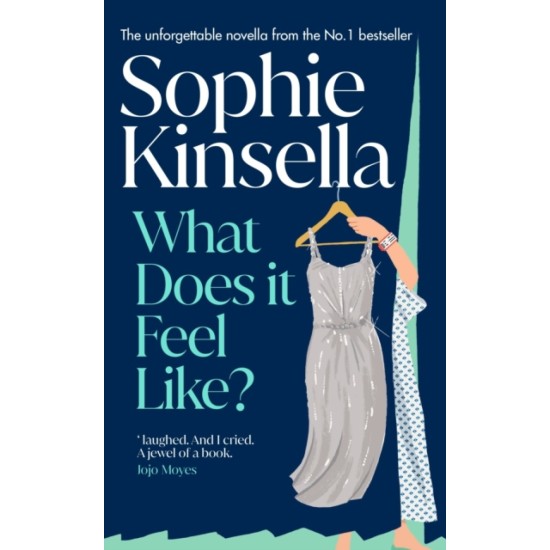
The literary world was profoundly moved when Sophie Kinsella, the international bestselling author known for the “Shopaholic” series, revealed her diagnosis of glioblastoma—an aggressive form of brain cancer. For decades, the Kinsella brand has been synonymous with levity, high-society mishaps, and the ultimate comfort-read experience. However, her recent announcement and the subsequent release of her memoir-style novella, What Does It Feel Like, represent more than just a personal update; they signify a masterclass in personal brand evolution and crisis communication. For brand strategists and personal branding experts, the transition from the “Queen of Chick-Lit” to a voice of profound vulnerability offers critical insights into how high-profile identities can be sustained, protected, and transformed during a period of immense personal upheaval.

The Architecture of the Sophie Kinsella Brand
To understand the weight of Kinsella’s recent brand shift, one must first analyze the foundation upon which her empire was built. For over twenty years, the Sophie Kinsella brand—a pen name for Madeleine Wickham—has functioned as a reliable corporate identity in the publishing industry. It was built on the pillars of relatability, humor, and a specific brand of British escapism.
Consistency in Voice and Aesthetic
A successful personal brand requires a signature style that audiences can recognize instantly. For Kinsella, this was the “unreliable but lovable narrator.” Whether it was Becky Bloomwood’s financial escapades or the secret-sharing of Emma Corrigan, the brand voice was consistently optimistic. From a marketing perspective, this consistency allowed her publishers to build a massive global audience that knew exactly what they were getting with every new release. The brand equity was tied to the promise of a “happy ever after,” making the Kinsella name a low-risk, high-reward choice for readers seeking emotional lightness.
The Power of Relatability as Brand Equity
Kinsella’s brand succeeded because it occupied the “everywoman” niche within the luxury and fashion sectors. By blending high-end consumerism with the relatable flaws of her characters, she created a bridge between aspirational lifestyle branding and real-world insecurity. This emotional connection created a loyal community of readers who viewed the author not just as a creator of content, but as a friend who understood their internal monologues. This deep reservoir of brand loyalty is what eventually allowed her to pivot into more serious territory without alienating her core demographic.
Navigating the Brand Pivot: From Escapism to Reality
When a personal brand is built on a specific emotional frequency—in this case, joy and humor—introducing a heavy, life-altering topic like terminal illness presents a significant strategic risk. The transition must be handled with precision to ensure the brand doesn’t lose its essence while acknowledging a new, darker reality.
Strategic Vulnerability as a Brand Asset
In the contemporary landscape of personal branding, vulnerability is often cited as a key driver of engagement. However, for a brand like Kinsella’s, vulnerability was previously expressed through comedic embarrassment rather than genuine suffering. By releasing What Does It Feel Like, Kinsella strategically utilized her existing narrative style to explore her health journey. She didn’t abandon the “Sophie Kinsella” voice; she matured it. This is a crucial lesson in brand strategy: when your circumstances change, you do not necessarily need to rebuild your brand from scratch. Instead, you can expand the brand’s emotional range to encompass new truths, provided the “core” of the voice remains recognizable.
Managing the Information Vacuum
Before her public announcement, Kinsella had been absent from the public eye for nearly two years. In the world of high-level personal branding, an information vacuum is often filled by speculation, which can damage brand value. Her team’s decision to maintain privacy during the most intense phases of treatment, followed by a controlled, highly personal revelation, allowed her to retain narrative control. By choosing to speak only when she was ready to frame the story through her own literary lens, she ensured that the public perception of her brand remained anchored in her strength and artistry rather than purely in her illness.
Crisis Communication and Narrative Control
For any major brand, a crisis—personal or corporate—requires a swift and strategic response. In Kinsella’s case, the “crisis” was the threat that her illness would define her entire legacy, overshadowing her body of work.
The Memoir as a Strategic Tool
The release of What Does It Feel Like serves as the ultimate piece of “content” in her crisis communication strategy. By fictionalizing aspects of her experience while remaining grounded in her actual feelings, she used the medium that made her famous to explain her current state. This move effectively monetized her reality while simultaneously providing a service to her fans: closure, understanding, and a way to process the news alongside her. From a brand management perspective, this is a way to ensure the brand remains active and relevant even when the individual behind it is sidelined by health issues.
Protecting the Corporate Identity
Behind the “Sophie Kinsella” name is a sophisticated business machine involving agents, publishers, and film rights. Maintaining the brand’s integrity during this time involves balancing the human element with the commercial reality. Her team has been careful to separate the “author as a person” from the “author as a brand.” While the personal updates have been deeply moving, the marketing of her backlist and the management of her intellectual property have continued with the same professional rigor as before. This dual-path strategy ensures that the brand survives as a legacy, regardless of the individual’s physical capacity to promote it.
Lessons in Personal Branding for Creators and Leaders
The Sophie Kinsella case study offers several vital lessons for anyone looking to build or maintain a personal brand in the digital age, especially when facing unforeseen challenges.
Authenticity Beyond the Product
Many brands fail when they become too focused on the “product” (in this case, the books) and lose sight of the “person.” Kinsella’s transition shows that if you have built enough trust with your audience, they will follow you into new territories. Authenticity isn’t just about showing the good times; it’s about a brand’s ability to be honest during the bad times. The outpouring of support for Kinsella highlights that her brand was never just about shopping or comedy; it was about the human connection she fostered.
The Ethical Compass of Public Figures
There is a growing expectation for public figures to be transparent about their lives. However, Kinsella’s approach suggests that transparency should not be confused with a lack of boundaries. A brand is most effective when it shares “with a purpose.” Her announcement wasn’t a cry for attention, but a purposeful decision to explain her absence and to offer support to others facing similar diagnoses. This purpose-driven branding reinforces her image as a leader and a voice of empathy in her community.
The Long-Term Brand Legacy: From Author to Advocate
As the Kinsella brand moves into this new chapter, its focus is shifting from pure entertainment to advocacy and legacy-building. This is the final stage of an evolution that many great personal brands undergo.
Transitioning the Brand Narrative
The title What Does It Feel Like is indicative of this shift. It moves from the third-person observation of her characters to a first-person exploration of existence. This shift in the brand narrative allows it to touch on universal themes of memory, love, and mortality. By doing so, the brand’s reach expands. It is no longer confined to the “Chick-Lit” shelf; it moves into the broader category of “Inspirational Literature.” This repositioning is a classic brand extension, allowing the brand to capture new audience segments while providing more depth to existing followers.

Future-Proofing the Personal Brand
The ultimate goal of brand strategy is to create something that outlasts the present moment. Through her brave communication and her recent work, Sophie Kinsella is ensuring that her brand is defined by courage and creative resilience. For other personal brands, the takeaway is clear: the most sustainable brands are those that can adapt to the human experience in all its complexity. By integrating her struggle into her creative output, Kinsella has ensured that her name will be remembered not just for the laughs she provided, but for the profound grace with which she handled life’s most difficult questions.
In conclusion, the “Sophie Kinsella” brand has undergone a remarkable transformation. It has moved from a brand built on the ephemeral joy of consumerism to one built on the enduring strength of the human spirit. This evolution provides a blueprint for how personal brands can navigate crisis through narrative control, strategic vulnerability, and a deep, unwavering commitment to their core audience. In the end, the question “what does it feel like” becomes the ultimate brand message—a call for empathy, connection, and the courage to remain visible even when the path ahead is uncertain.
aViewFromTheCave is a participant in the Amazon Services LLC Associates Program, an affiliate advertising program designed to provide a means for sites to earn advertising fees by advertising and linking to Amazon.com. Amazon, the Amazon logo, AmazonSupply, and the AmazonSupply logo are trademarks of Amazon.com, Inc. or its affiliates. As an Amazon Associate we earn affiliate commissions from qualifying purchases.