
In the digital landscape of content marketing, search engine optimization (SEO), and technical documentation, precision is the currency of influence. Whether you are crafting a brand story, drafting a high-converting landing page, or developing a complex software manual, your command over sentence structure determines how effectively you communicate value. At the heart of every functional sentence lies the verb—the engine that drives action, intent, and clarity. Understanding verbs and verb phrases is not merely an academic exercise; it is a tactical necessity for anyone looking to build a professional brand voice that resonates with authority.

The Anatomy of the Verb: The Powerhouse of Communication
At its most fundamental level, a verb is a word used to describe an action, state, or occurrence. In the context of branding and professional communication, verbs are the primary drivers of engagement. Passive language often leads to brand ambiguity, while strong, active verbs translate into confident brand positioning.
Action Verbs
Action verbs express what the subject of the sentence is doing. In marketing and sales copy, these are the tools of persuasion. Instead of stating that a product “is helpful,” a brand might declare that it “accelerates,” “transforms,” or “optimizes” a user’s workflow. By choosing dynamic action verbs, you move the reader from a passive observer to an active participant in your narrative.
Stative Verbs
Stative verbs describe a state of being or a condition rather than a physical movement. These include words like “know,” “believe,” “own,” or “seem.” In corporate identity and brand storytelling, these verbs are essential for establishing trust and values. When you say, “Our company values transparency,” the verb “values” establishes an internal state that defines the brand’s character.
Linking Verbs
Linking verbs connect the subject to a subject complement—a noun or adjective that describes the subject. Common examples include “is,” “are,” “became,” and “seems.” While these are necessary for structural balance, an over-reliance on linking verbs can lead to “weak” prose. Professional writers often audit their copy to ensure that these verbs are serving a purpose rather than simply occupying space where an action verb could provide more impact.
Decoding the Verb Phrase: Complexity and Nuance
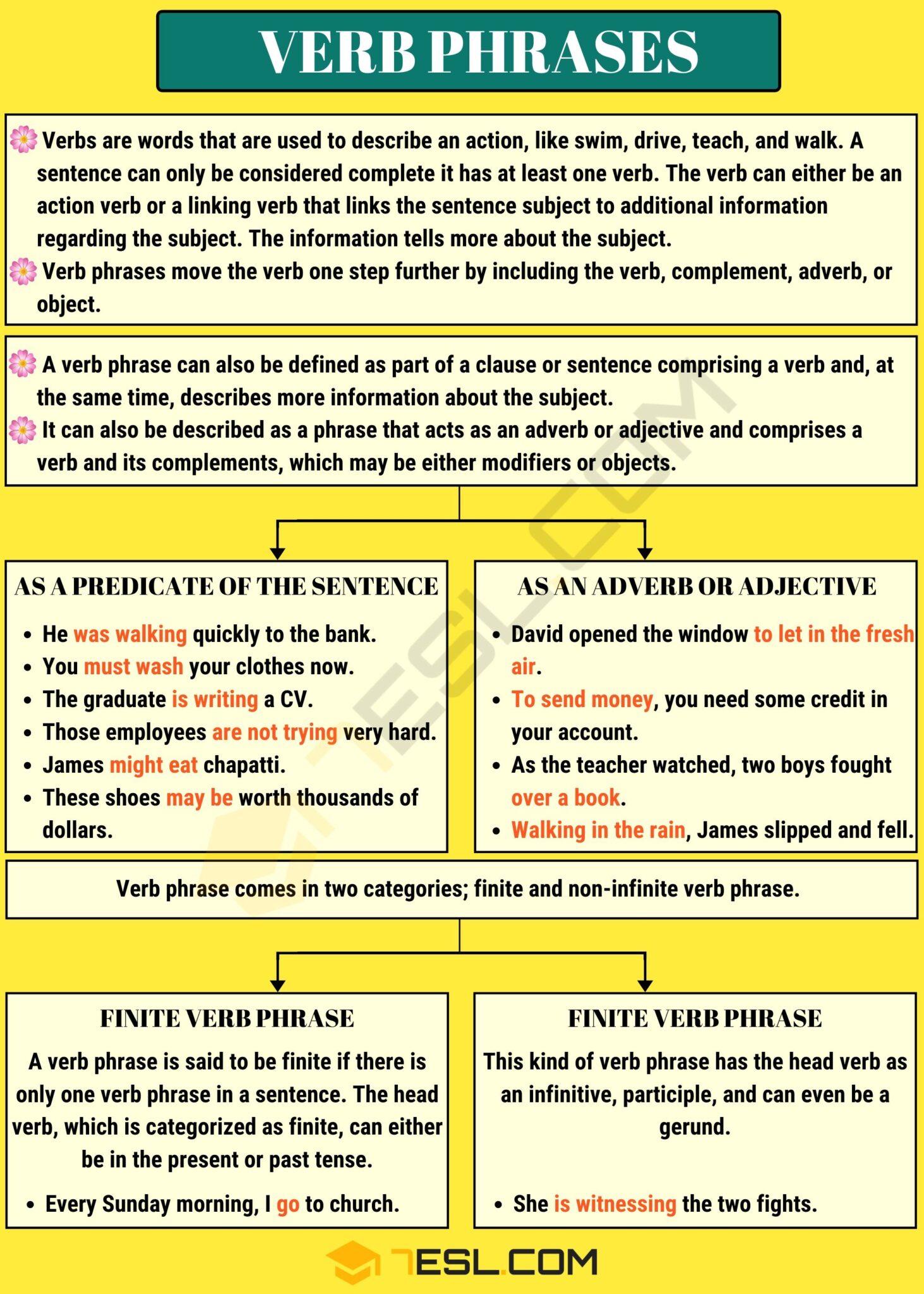
A verb phrase is the multi-word unit that functions as the verb in a sentence. It consists of a main verb and one or more auxiliary or helping verbs. Mastering the verb phrase allows you to manipulate tense, mood, and voice, giving your copy the sophistication required for high-level business communication.
The Role of Auxiliary Verbs
Auxiliary verbs—such as “have,” “do,” “be,” and modals like “can,” “should,” or “must”—are the modifiers of the main verb. They determine the timeline and the certainty of the action. In project management or technical tutorials, the choice of modal verb is critical. For instance, “You can install the software” offers permission or capability, whereas “You must install the software” indicates a prerequisite. Precise usage of these verb phrases prevents user error and establishes professional boundaries in your documentation.
Tense and Aspect in Professional Writing
The structure of the verb phrase dictates the temporal flow of your content. By switching between simple, continuous, and perfect tenses, you control the reader’s perception of duration and completion.
- Present Perfect: “We have delivered thousands of projects.” This emphasizes the result and the ongoing reputation of a brand.
- Future Continuous: “Our team will be working on your account throughout the quarter.” This provides a sense of active, reliable presence.
Understanding these variations ensures that your brand communications remain consistent, whether you are reporting on past successes or forecasting future trends.
Optimizing Copy: Strategic Application of Verbs
In the world of branding and digital marketing, the “verb strategy” is a subset of your overall content marketing plan. The way you deploy verbs influences conversion rates, clarity, and brand recall.
Eliminating Nominalizations
One of the most common pitfalls in professional writing is “nominalization”—turning verbs into nouns. For example, changing “We decided to implement the changes” to “The implementation of the changes was decided upon.” The latter is sluggish and passive. To maintain a strong brand identity, favor the verb form. It is more direct, reduces word count, and speaks with a sense of urgency that modern consumers demand.
Strengthening Call-to-Actions (CTAs)
The CTA is the ultimate verb-centric element of your digital presence. “Read more” is functional but boring; “Unlock your potential” or “Optimize your workflow” leverages the power of the verb to create emotional or logical incentives. By analyzing your verb choices in CTAs, you can conduct A/B testing to see which actions trigger higher engagement. The verb is the bridge between a visitor’s interest and the desired conversion.
Technical Precision and Brand Voice
Your verb usage serves as a marker of your brand’s maturity. A brand that uses precise, varied, and active verb phrases signals expertise and meticulousness. Conversely, repetitive or misused verbs can suggest a lack of polish, which—in the eyes of a potential investor or client—can be detrimental to your professional image.
Verb Choice and Brand Consistency
Develop a brand style guide that specifies the tone of your verbs. Is your brand disruptive? Use verbs that imply movement and change, such as “shatter,” “redefine,” or “pioneer.” Is your brand a stabilizer? Lean into verbs that suggest strength and reliability, such as “secure,” “sustain,” and “fortify.” By standardizing your verb usage, you build a recognizable voice that permeates every blog post, email, and social media update.
The Impact on SEO and Readability
Search engines prioritize content that is natural, readable, and direct. Complex, passive verb structures often frustrate readers and lower your readability score. By keeping your verb phrases tight and your main verbs active, you improve the flow of your writing. This not only enhances the user experience but also signals to search algorithms that your content provides high-quality, actionable information. When your verb phrases are clear, your instructions are easier to follow, your value proposition is easier to grasp, and your overall digital footprint becomes more effective.

Final Reflections on Structural Mastery
Language is the primary product of the information age. Every article, every brand manifesto, and every white paper is built on the foundation of the verb. By understanding the distinction between a simple verb and a complex verb phrase, and by strategically deploying these elements to match your brand’s voice, you transform your content from static text into an active, persuasive engine.
Whether you are auditing your existing content to strip away passive voice, or crafting a new campaign strategy that relies on punchy, imperative verb phrases, remember that precision is the ultimate competitive advantage. A verb is more than a part of speech; it is the heartbeat of your message. Give your readers action, give your brand authority, and ensure that every sentence you write is working as hard as possible to achieve your professional objectives. In the crowded digital marketplace, the clarity and strength of your language will be the factor that distinguishes your brand from the rest. Invest the time in mastering your verb usage today, and watch the quality of your professional output reflect that investment in every line.
aViewFromTheCave is a participant in the Amazon Services LLC Associates Program, an affiliate advertising program designed to provide a means for sites to earn advertising fees by advertising and linking to Amazon.com. Amazon, the Amazon logo, AmazonSupply, and the AmazonSupply logo are trademarks of Amazon.com, Inc. or its affiliates. As an Amazon Associate we earn affiliate commissions from qualifying purchases.