
The term “vanguard” originates from the Old French avant-garde, referring to the foremost part of an advancing army or a group of people leading the way in new developments or ideas. In the world of finance, this definition holds a dual significance. On one hand, it represents a pioneering spirit that challenged the traditional, high-fee structures of Wall Street. On the other, it is synonymous with The Vanguard Group, one of the world’s largest and most influential investment management firms.
To understand what a vanguard is in a financial context, one must look beyond a mere company name. It represents a philosophy of low-cost, long-term, and disciplined investing that has democratized wealth building for millions of people. This article explores the history, the structural uniqueness, and the strategic impact of the vanguard movement within the “Money” niche, providing insights into how it reshaped personal finance and why its principles remain essential for modern investors.

The Genesis of a Financial Revolution
The modern concept of a financial vanguard began with a radical idea: that the average investor should not have to pay exorbitant fees to achieve market-level returns. This section explores the origins of this movement and the structural innovation that set it apart.
The Vision of John C. Bogle
John “Jack” Bogle, the founder of The Vanguard Group, is often credited with fathering the index fund. In the mid-1970s, the investment landscape was dominated by actively managed funds where “experts” tried to beat the market, often charging high sales loads and management fees. Bogle’s insight was simple yet revolutionary: most active managers fail to beat the market over the long term once fees are accounted for. By creating a fund that simply tracked the S&P 500, he offered a way for individual investors to capture the growth of the entire economy at a fraction of the cost.
The Unique Mutual Ownership Structure
What truly distinguishes Vanguard as a financial entity is its corporate structure. Unlike most investment firms that are either publicly traded or privately owned by a small group of partners, Vanguard is owned by its funds. In turn, these funds are owned by their shareholders—the investors themselves. This eliminates the inherent conflict of interest found in traditional firms, where the company must balance the need to generate profits for its owners with the need to provide value to its clients. At Vanguard, the clients are the owners. This structure ensures that any profits are reinvested into the company to lower expense ratios, directly benefiting the individual investor.
The Birth of the First Index Fund
Originally mocked as “Bogle’s Folly,” the First Index Investment Trust (now the Vanguard 500 Index Fund) struggled to gain traction initially. Critics argued that settling for “average” market returns was un-American. However, over the decades, the math proved Bogle right. As compound interest and lower costs worked their magic, the index fund outperformed the vast majority of active managers, eventually leading to a massive shift in how capital is allocated globally.
The Core Pillars of the Vanguard Philosophy
Navigating the world of personal finance requires a roadmap. The “vanguard” approach to money management is built upon several core pillars that prioritize the investor’s long-term success over short-term market speculation.
The Power of Low Expense Ratios
In the world of investing, you get what you don’t pay for. Every dollar spent on management fees is a dollar that isn’t compounding in your account. The vanguard movement popularized the “low expense ratio,” which is the annual fee expressed as a percentage of assets. While traditional funds might charge 1% to 2%, many Vanguard-style index funds charge as little as 0.03%. Over a 30-year investing horizon, this difference can amount to hundreds of thousands of dollars in saved wealth for the individual.
Diversification through Broad Market Exposure
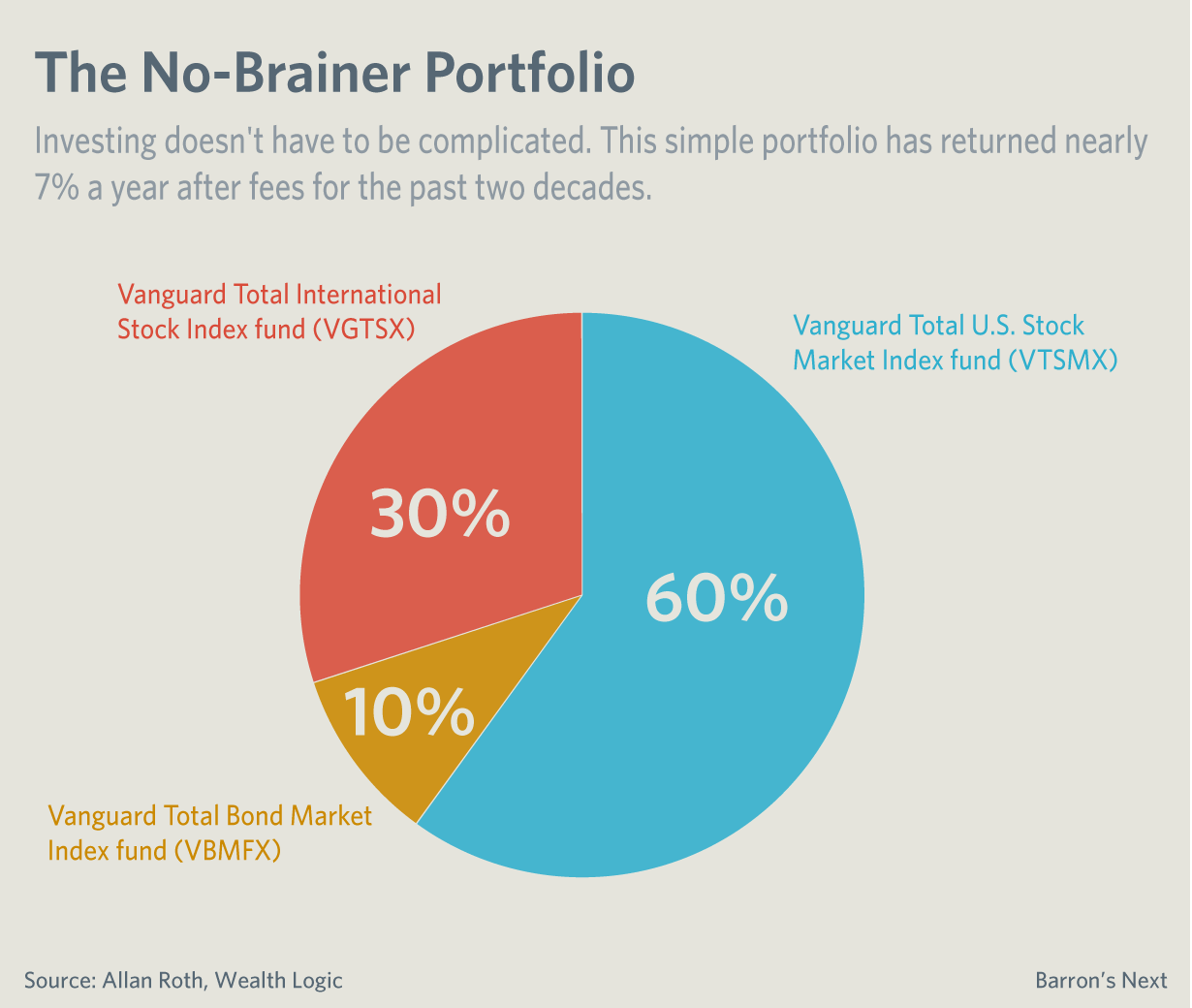
A “vanguard” approach discourages the picking of individual stocks, which carries significant idiosyncratic risk. Instead, it advocates for broad diversification across entire asset classes. By holding thousands of stocks within a single Total Stock Market Index Fund, an investor is protected against the failure of any single company. If one tech giant stumbles, the growth of a healthcare or consumer staple company within the same index helps balance the portfolio.
The Discipline of “Stay the Course”
Market volatility is inevitable, but the vanguard philosophy emphasizes emotional discipline. The strategy is built on the belief that the market, despite short-term fluctuations, tends to rise over the long term. This “buy and hold” mentality encourages investors to ignore the “noise” of financial news cycles and resist the urge to panic-sell during downturns. By automating investments and maintaining a consistent contribution schedule, investors practice dollar-cost averaging, which lowers the average cost of shares over time.

Modern Investment Vehicles: ETFs and Mutual Funds
To implement a vanguard-style strategy, investors must understand the tools at their disposal. The evolution of the financial industry has led to the creation of various vehicles that make low-cost investing accessible to everyone, from teenagers with their first jobs to retirees.
Exchange-Traded Funds (ETFs) vs. Mutual Funds
Vanguard was instrumental in the popularization of both Mutual Funds and ETFs. While they both offer diversification, their mechanics differ. Mutual Funds are typically priced once at the end of the trading day and often require a minimum initial investment (e.g., $3,000). ETFs, however, trade like stocks on an exchange throughout the day and can be purchased for the price of a single share. This accessibility has allowed a new generation of “side hustle” earners and small-scale investors to enter the market with minimal capital.
Target Retirement Funds: The “Set It and Forget It” Model
For many, the complexity of asset allocation—deciding the mix of stocks and bonds—is a barrier to entry. Vanguard pioneered the Target Date Fund (TDF), which automatically adjusts its risk profile as the investor approaches retirement. When the investor is young, the fund is aggressive, focusing on stocks for growth. As the “target year” approaches, the fund shifts toward bonds and cash to preserve capital. This automated rebalancing is a hallmark of the modern financial vanguard, removing the need for constant manual oversight.
Tax-Efficient Investing
In the niche of money management, taxes are as significant an expense as management fees. The vanguard approach utilizes “tax-loss harvesting” and the inherent tax efficiency of index funds to minimize the “tax drag” on a portfolio. Because index funds have low turnover (they don’t buy and sell stocks frequently), they generate fewer capital gains distributions, allowing the investor’s money to grow more efficiently in taxable brokerage accounts.
The Global Impact: Democratizing Wall Street
The ripple effects of the vanguard movement have transformed the global financial industry, forcing competitors to adapt and benefiting consumers who may not even hold a Vanguard account.
The “Vanguard Effect” on Industry Fees
When Vanguard lowers its fees, the rest of the industry is forced to follow suit to remain competitive. This phenomenon, known as the “Vanguard Effect,” has led to a race to the bottom in pricing across firms like Fidelity, Charles Schwab, and BlackRock. Today, zero-commission trades and near-zero expense ratios are the industry standard, a reality that was unthinkable 40 years ago. This competition has shifted billions of dollars from the pockets of Wall Street executives to the savings accounts of ordinary people.
The Rise of the “Bogleheads”
The philosophy has spawned a massive global community known as the “Bogleheads.” This group of investors follows the principles of Jack Bogle and advocates for a simple, high-savings, low-cost lifestyle. Their collective wisdom emphasizes financial independence, early retirement (FIRE movement), and the importance of financial literacy. By sharing knowledge about asset allocation and tax strategies, this community serves as a decentralized vanguard for personal finance education.
Wealth Building for the Next Generation
By lowering the barriers to entry, the vanguard movement has made it possible for younger generations to start investing earlier. With fractional shares and no-fee apps, the “Money” niche has moved from the mahogany boardrooms of the elite to the smartphones of the masses. This shift is crucial for addressing wealth inequality and ensuring that more people have a stake in the global economy’s growth.
Conclusion: Embracing the Vanguard Mindset
Understanding “what is a vanguard” requires looking past the brand and recognizing it as a fundamental shift in the relationship between people and their money. It is the realization that complexity is often the enemy of the investor and that simplicity, combined with low costs and time, is the most reliable path to financial security.
In a world filled with “get-rich-quick” schemes, volatile cryptocurrencies, and high-pressure sales tactics, the vanguard philosophy offers a professional and disciplined alternative. Whether you are managing a small side hustle income or overseeing a large corporate retirement plan, the principles of the vanguard—ownership, low costs, and long-term thinking—remain the gold standard for building lasting wealth. By putting the investor first and leveraging the power of the broad market, the vanguard movement continues to lead the way in the ever-evolving landscape of global finance.
aViewFromTheCave is a participant in the Amazon Services LLC Associates Program, an affiliate advertising program designed to provide a means for sites to earn advertising fees by advertising and linking to Amazon.com. Amazon, the Amazon logo, AmazonSupply, and the AmazonSupply logo are trademarks of Amazon.com, Inc. or its affiliates. As an Amazon Associate we earn affiliate commissions from qualifying purchases.