
The “Build-A-Bear” experience has become a cultural touchstone in experiential retail. Since its inception in 1997, the company has transformed a simple commodity—a plush toy—into a customized, emotional event. However, for parents, collectors, and potential investors, the question of “cost” goes far beyond the price tag on a shelf.
In this financial analysis, we will break down the true cost of building a bear from three distinct perspectives: the consumer’s discretionary spending, the business’s unit economics, and the entrepreneurial investment required to enter the custom plush market.
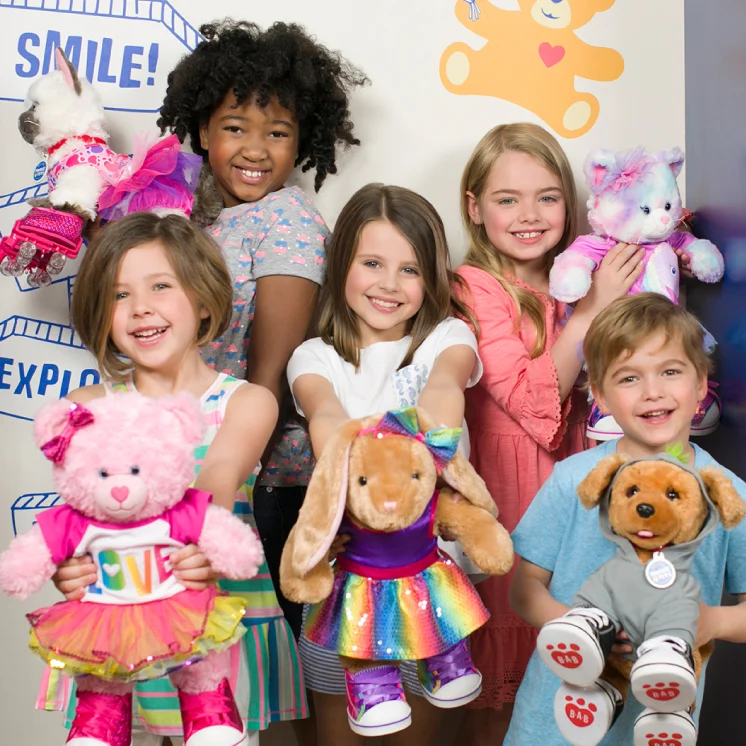
1. The Consumer Perspective: Budgeting for the Experience
For the average consumer, “building a bear” is rarely a fixed-price transaction. The business model is a masterclass in tiered pricing and “add-on” revenue streams. Understanding the total cost of ownership requires looking at the base price versus the fully accessorized final product.
The Base Price and Entry Points
The cost of a “Build-A-Bear” begins with the choice of the unstuffed skin. Base prices typically start as low as $14 to $20 for standard bears. However, licensed characters—such as those from Disney, Star Wars, or Nintendo—often carry a premium, starting at $30 to $45. From a personal finance perspective, this is the “entry point,” but it represents only a fraction of the average transaction value.
The “Add-On” Economy: Clothing, Scent, and Sound
The core of the company’s profit margin comes from accessories. When budgeting for a build, one must account for the following common upgrades:
- Sounds and Scents: Adding a recorded message or a “scent disk” typically adds $4 to $10 to the total.
- Clothing: Outfits generally range from $12 to $25. This often equals or exceeds the price of the bear itself.
- Footwear and Accessories: Shoes, glasses, and handheld toys range from $5 to $12.
When these are aggregated, a “standard” $20 bear easily evolves into an $80 investment. For families managing a strict discretionary budget, understanding this “upsell funnel” is critical to avoiding checkout-counter shock.
Hidden Costs: Taxes and Post-Purchase Maintenance
As with any retail purchase, sales tax adds a final percentage to the cost, but for many, the “cost” continues after leaving the store. Build-A-Bear offers “Bear Repair” services and “Bear Hospital” visits. While some minor restuffing might be complimentary, specialized repairs or cleaning services represent an ongoing, albeit small, maintenance cost for the consumer.
2. The Business Finance of Custom Plush: Unit Economics and Margins
To understand the cost of building a bear from a business finance perspective, we must look at the Cost of Goods Sold (COGS) and the “Experience Premium.”
Manufacturing vs. Retail Value
In the world of manufacturing, a standard plush toy’s production cost is remarkably low. Depending on the volume and materials (polyester fiberfill and synthetic fur), the raw cost to manufacture the “skin” of a bear in a high-volume factory is often between $1.50 and $4.00.
The significant delta between a $3 production cost and a $30 retail price is what finance professionals call the “Experience Premium.” Build-A-Bear is not just selling a physical product; they are selling the labor of the “Stuffer,” the utility of the “Heart Ceremony,” and the real estate of the retail environment.
The Cost of the “Experience Economy”
From a corporate finance standpoint, the “cost” of building a bear includes massive overhead. Unlike a traditional toy sold at a big-box retailer, Build-A-Bear must maintain:
- High-Rent Retail Spaces: They typically occupy “Type A” malls, which have the highest lease rates.
- Labor Costs: Each bear requires a staff member to facilitate the stuffing and the ceremony, leading to higher labor-to-sales ratios than a standard toy store.
- Intellectual Property (IP) Licensing: A significant portion of the cost of licensed bears goes directly to IP holders like Marvel or Sanrio. These royalties can eat 10% to 15% of the gross margin on those specific items.

Inventory Efficiency and the Unstuffed Advantage
One of the most brilliant financial moves in the Build-A-Bear model is inventory management. Because bears are shipped and stored “unstuffed,” the company saves a fortune on shipping and warehousing. You can fit ten times as many unstuffed bears in a shipping container as you can pre-stuffed ones. This logistical efficiency is a major driver of their corporate profitability.
3. The Entrepreneurial Path: Investing in a Franchise or Business
For those looking at “building a bear” as a business venture rather than a consumer purchase, the costs shift into the realm of capital expenditures (CapEx) and liquidity requirements.
Initial Franchise Investment and Liquidity
While Build-A-Bear Workshop has historically moved toward more corporate-owned stores in the US, international markets and specific “Shop-in-Shop” models involve franchising. To open a similar high-end custom plush boutique, an entrepreneur would typically need:
- Liquid Capital: Usually between $100,000 and $250,000.
- Total Investment: Depending on the location and size, the total startup cost can range from $200,000 to over $500,000. This includes leasehold improvements, the stuffing machinery (which is a specialized piece of equipment), and initial inventory.
Ongoing Operational Expenses and Royalties
In a franchise model, the “cost” of building a bear includes a recurring “tax” on your revenue. Most retail franchises require:
- Royalty Fees: Typically 5% to 7% of gross sales.
- Marketing Fund Contributions: Usually 1% to 3% of sales.
These costs mean that for every bear “built” in your store, a portion of the revenue must be set aside before you even cover your local rent and payroll.
The Competition: Independent “Mobile” Build-A-Bear Alternatives
For entrepreneurs with less capital, the “Mobile Plush” business has become a popular side hustle. This involves buying stuffing machines and “wholesaling” unstuffed skins to host parties at homes or schools.
- Startup Cost: $2,000 to $5,000 for a portable stuffer and initial stock.
- Profit Margin: These operators often see much higher margins because they lack the “fixed cost” of a mall lease. They might buy a bear skin for $8 (wholesale) and sell the “experience” for $25, keeping a larger share of the profit.
4. The Secondary Market and Collectible Value: Bears as Assets
In recent years, the “cost” of a bear has become an interest for investors in the secondary collectibles market. Much like sneakers or trading cards, certain custom bears have become financial assets.
Rarity and Limited Editions
The cost of building a bear can be viewed as an investment if the bear is part of a limited release. For example, the “Stitch” releases or limited-edition Pokémon collaborations often sell out instantly.
- Retail Cost: $35 – $65.
- Resale Value: Depending on the rarity and the presence of the “Birth Certificate” (the bear’s provenance), prices on platforms like eBay or Mercari can reach $150 to $300.
From a wealth management perspective, these are “illiquid alternative assets.” While they shouldn’t replace a 401(k), the appreciation of certain “retired” bears is a legitimate financial phenomenon.
The Cost of Preservation
To maintain the value of a collectible bear, there are additional “holding costs.” Collectors must invest in:
- Climate-Controlled Storage: To prevent mold or fur degradation.
- UV Protection: To prevent the fading of the plush “skin.”
- Documentation: Keeping the original tags and certificates in pristine condition is essential for maximizing the resale price.
Summary: Calculating the Total Financial Impact
Whether you are a parent looking at a $50 afternoon at the mall, a corporate analyst looking at gross margins, or an entrepreneur eyeing a franchise opportunity, the cost to “build a bear” is multifaceted.
- For the Consumer: Expect a base price of $20, but budget for $60–$80 to account for the full “accessorized” experience.
- For the Business: The manufacturing cost is negligible ($3–$5), but the operational overhead of experiential retail is the primary financial burden.
- For the Entrepreneur: Entering the market requires significant capital ($200k+) for a fixed location, or a smaller “side hustle” investment ($5k) for a mobile operation.
Ultimately, the true cost of building a bear is a reflection of the value we place on the experience over the object. In the world of finance, that “experience” remains one of the most profitable products a business can sell.
aViewFromTheCave is a participant in the Amazon Services LLC Associates Program, an affiliate advertising program designed to provide a means for sites to earn advertising fees by advertising and linking to Amazon.com. Amazon, the Amazon logo, AmazonSupply, and the AmazonSupply logo are trademarks of Amazon.com, Inc. or its affiliates. As an Amazon Associate we earn affiliate commissions from qualifying purchases.