
In the rapidly evolving landscape of digital commerce, the final mile of delivery has become the most critical frontier for technological innovation. As consumers move away from traditional brick-and-mortar shopping toward a 24/7 digital marketplace, the infrastructure supporting package distribution has had to adapt. Enter the UPS Access Point location: a tech-enabled solution designed to bridge the gap between global logistics networks and the localized needs of the modern, mobile-first consumer.
At its core, a UPS Access Point is a neighborhood business—such as a local grocery store, gas station, or specialized retail outlet—integrated into the UPS digital ecosystem to serve as a secure pickup and drop-off hub. However, from a technical perspective, these locations are much more than physical storage spaces; they are active nodes in a sophisticated, cloud-based logistics network that utilizes real-time data, API integrations, and secure authentication protocols to redefine the shipping experience.
Understanding the Technology Behind UPS Access Points
The shift toward UPS Access Point locations represents a significant leap in logistical software and hardware integration. Instead of relying on a driver to navigate a complex residential route only to find a recipient isn’t home, the system utilizes a decentralized network of hubs that are always “online.”
The Role of the UPS Mobile App and Digital Tracking
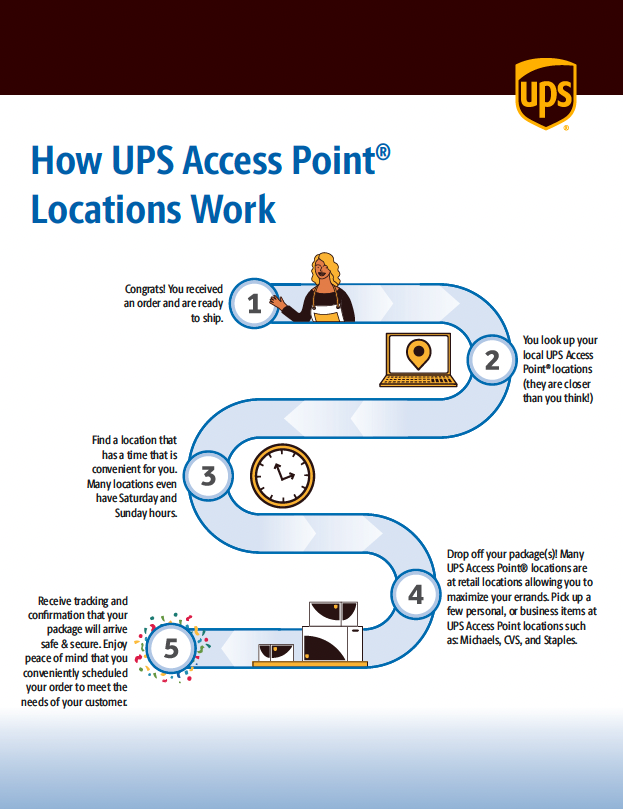
The backbone of the Access Point experience is the UPS mobile application and the “My Choice” digital platform. When a package is redirected to an Access Point, the transaction is not merely physical; it is a data-driven event. The UPS software suite uses geolocation data to suggest the most convenient Access Point based on the user’s routine.
Through push notifications and real-time synchronization, the app provides a seamless digital handoff. Once the UPS driver scans a package into the Access Point’s local inventory, the cloud-based system triggers an automated alert to the user. This “digital handshake” ensures that the package’s status is updated across all platforms simultaneously, minimizing the latency that often plagues traditional delivery systems.
Cloud-Integrated Inventory Management
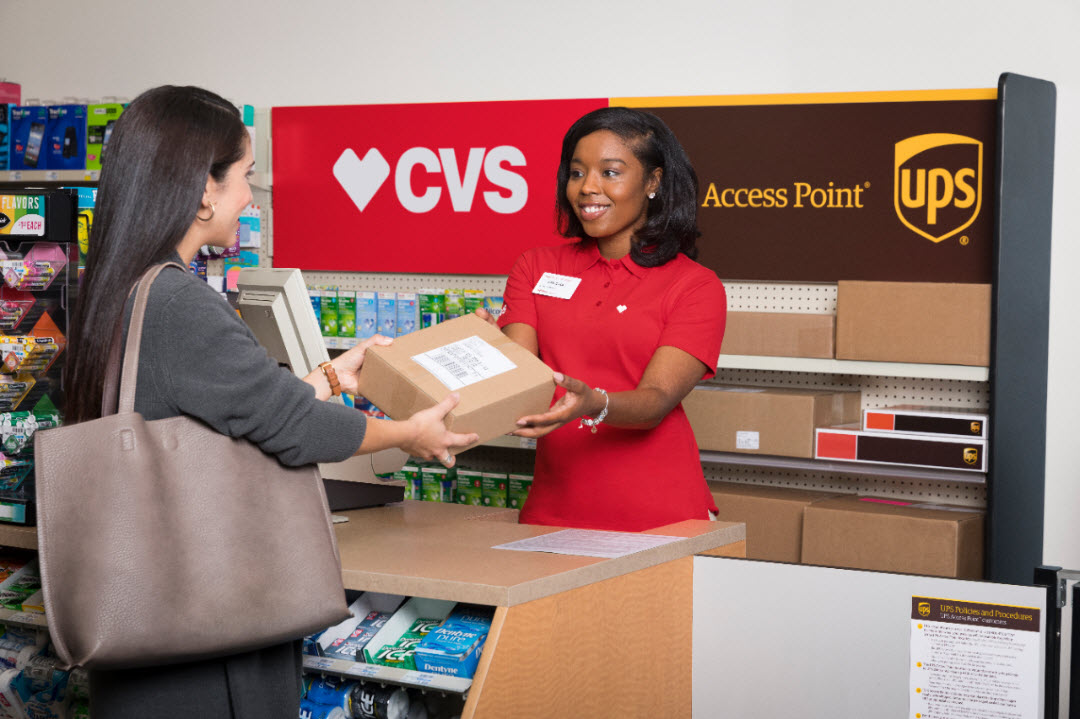
For a local business to function as a UPS Access Point, they must utilize specialized software that communicates directly with UPS’s central servers. This is typically managed through dedicated handheld devices or integrated Point of Sale (POS) systems. When a package arrives at a location, it is scanned into a localized cloud database.
This technological integration allows UPS to maintain “total visibility.” Even though the package is sitting in a third-party retail store, the central UPS logistics AI knows exactly which shelf it is on, how long it has been there, and when it needs to be returned to the hub if it isn’t collected. This level of granular data management is what allows the network to scale to tens of thousands of locations without losing the integrity of the tracking chain.
How UPS Access Points Streamline E-Commerce Integration
The existence of UPS Access Points is heavily intertwined with the tech stacks of modern e-commerce platforms. For developers and online retailers, these locations offer a programmable solution to the “porch piracy” problem and the inefficiency of missed deliveries.
API Connectivity for Online Retailers
Modern e-commerce engines like Shopify, Magento, and WooCommerce interact with UPS via robust Application Programming Interfaces (APIs). These APIs allow online stores to display a “Pickup at UPS Access Point” option directly within the checkout flow.
When a customer selects this option, the API queries the UPS database in real-time to provide a list of the nearest active locations based on the customer’s zip code or GPS coordinates. This isn’t just a static list; the API verifies the “health” of the Access Point—ensuring it has the capacity to accept new packages and is currently open for business. This automated verification loop prevents the technical friction of sending a package to a location that might be temporarily unavailable.
Automated Notifications and Geofencing Tech
One of the most innovative tech features of the Access Point network is the use of geofencing. When a user has the UPS mobile app installed and their package is ready for pickup at a nearby Access Point, the system can utilize geofencing to send a reminder notification when the user is within a certain radius of the store.
This application of “Proximity Tech” transforms a passive delivery into an active, context-aware notification. It leverages the hardware capabilities of the smartphone (GPS and Bluetooth) to ensure the logistics process fits into the user’s digital life, rather than requiring the user to plan their day around a delivery window.
The Digital Security and Verification Infrastructure
In a world where digital security is paramount, transferring a package to a third-party location requires a rigorous authentication framework. UPS Access Points utilize a multi-layered security protocol to ensure that the chain of custody remains unbroken and data remains encrypted.
QR Codes and Secure ID Authentication
The pickup process is governed by digital tokens. When a package is ready, the user receives a unique digital authorization—often in the form of a secure QR code or a “My Choice” digital ID. This code is more than just a reference number; it is an encrypted key that, when scanned by the Access Point’s device, verifies the user’s identity against the shipping manifest.
This system reduces the risk of human error or fraudulent pickups. The software requires a digital “match” before the package can be released from the local inventory. This ensures that the physical security of the package is backed by the digital security of the UPS network, providing a level of verification that is often superior to traditional “leave at the door” delivery methods.
Data Encryption in the Shipping Chain
Every scan performed at an Access Point—from the moment the driver drops it off to the second the customer picks it up—is transmitted over an encrypted connection. This protects the Personal Identifiable Information (PII) of both the sender and the recipient. In an era of increasing data breaches, UPS has invested heavily in ensuring that the localized nodes of their network (the Access Points) do not serve as weak points in their cybersecurity perimeter. The hardware used at these locations is typically sandboxed, meaning it only communicates with UPS’s secure servers and cannot be used to access the broader internet or the store’s private network.
Future Trends: Smart Lockers and AI-Driven Logistics
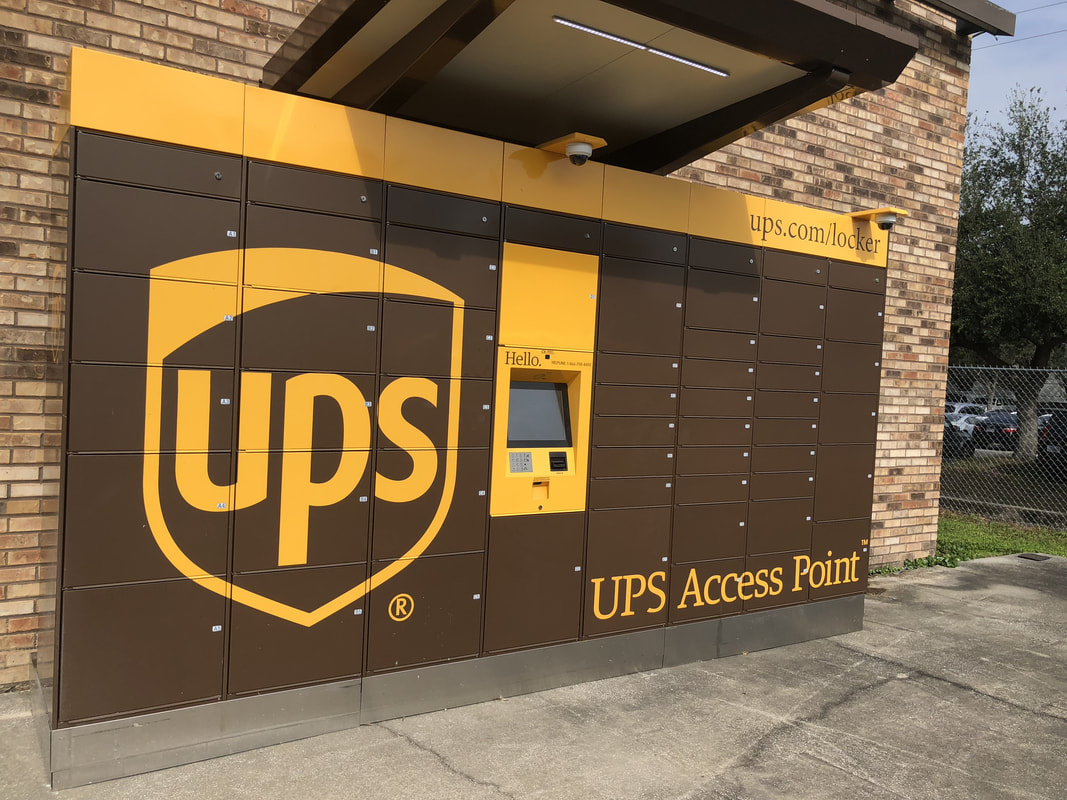
The concept of the UPS Access Point is rapidly evolving from staffed retail locations to autonomous “Smart Lockers.” This shift represents the cutting edge of IoT (Internet of Things) technology in the logistics sector.
The Evolution of Autonomous Pickup Points
UPS Smart Lockers are self-service kiosks that function as 24/7 Access Points. These units are sophisticated IoT devices equipped with touchscreen interfaces, high-resolution cameras for security, and cellular connectivity to maintain a constant link with the UPS cloud.
The tech behind these lockers allows for a completely contactless experience. Users can scan a mobile barcode, and the system automatically opens the correct locker door. This level of automation removes the “human element” from the pickup process, relying entirely on software logic and mechanical precision. As AI continues to improve, these lockers will likely become even more integrated, using predictive modeling to manage their own internal temperature or optimize locker space based on incoming package dimensions.
Predictive Analytics for Package Routing
UPS is increasingly using Artificial Intelligence and machine learning to optimize the Access Point network. By analyzing millions of data points, UPS’s AI can predict which Access Points will experience high volume during peak seasons (like the holidays) and proactively manage the flow of packages.
If the data suggests an Access Point is reaching its digital capacity, the system can automatically update the API to temporarily “hide” that location from checkout screens on e-commerce sites. This dynamic load balancing is a hallmark of modern tech-driven logistics, ensuring that the network remains fluid and that no single node becomes a bottleneck.
Conclusion
A UPS Access Point location is far more than a convenient place to pick up a box; it is a sophisticated intersection of hardware, software, and data science. By leveraging mobile app integration, API-driven e-commerce connectivity, and advanced cybersecurity protocols, UPS has transformed the traditional delivery model into a flexible, digital-first network.
As we look toward the future of logistics, the technology powering these locations will only become more integrated into our daily lives. From AI-optimized routing to the expansion of IoT-connected smart lockers, the UPS Access Point stands as a prime example of how digital innovation can solve the physical challenges of a globalized world. Whether you are a developer integrating shipping APIs or a consumer using a QR code to unlock a package, you are participating in a highly engineered digital ecosystem designed for the speed of the modern age.
aViewFromTheCave is a participant in the Amazon Services LLC Associates Program, an affiliate advertising program designed to provide a means for sites to earn advertising fees by advertising and linking to Amazon.com. Amazon, the Amazon logo, AmazonSupply, and the AmazonSupply logo are trademarks of Amazon.com, Inc. or its affiliates. As an Amazon Associate we earn affiliate commissions from qualifying purchases.