
The phrase “fake teeth” is a colloquial and, frankly, somewhat unflattering term that encompasses a broad spectrum of dental prosthetics designed to replace missing natural teeth. While the everyday person might use “fake teeth” to describe any artificial tooth replacement, professionals in the dental field utilize a more precise and varied vocabulary. Understanding these terms is not only crucial for clear communication with your dentist but also for appreciating the technological advancements and sophisticated materials that underpin modern dental prosthetics. This exploration delves into the specific nomenclature used in the dental industry, moving beyond the simplistic “fake teeth” to illuminate the diverse world of dental prosthetics and their applications, viewed through the lens of Tech.
The Broad Spectrum of Dental Prosthetics: Beyond the Simplistic Label
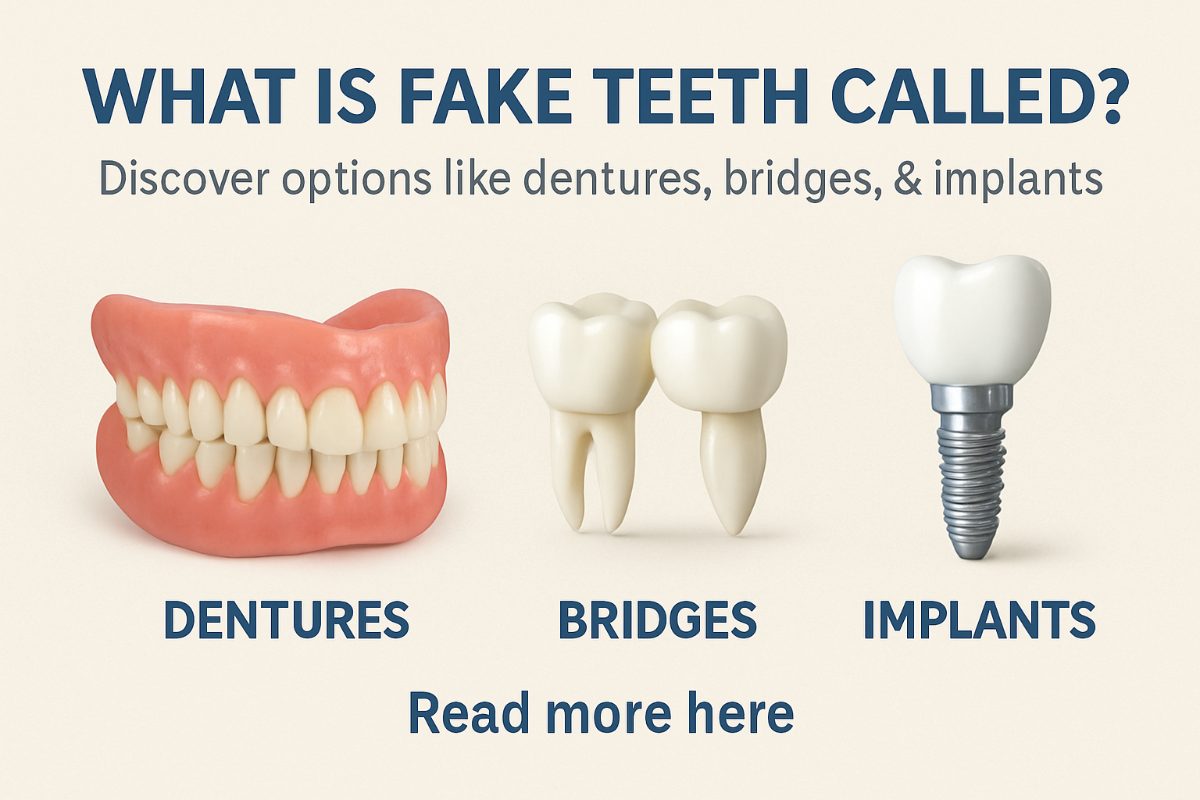
When we refer to “fake teeth,” we are essentially talking about dental prosthetics. This umbrella term signifies any artificial device intended to restore the form, function, and aesthetics of missing teeth. The reasons for tooth loss are varied, ranging from decay and gum disease to trauma and congenital conditions. Regardless of the cause, the impact on an individual’s quality of life can be significant, affecting their ability to eat, speak, and feel confident in their smile. Dental prosthetics aim to mitigate these challenges by providing functional and aesthetically pleasing replacements.
Dentures: The Classic Solution
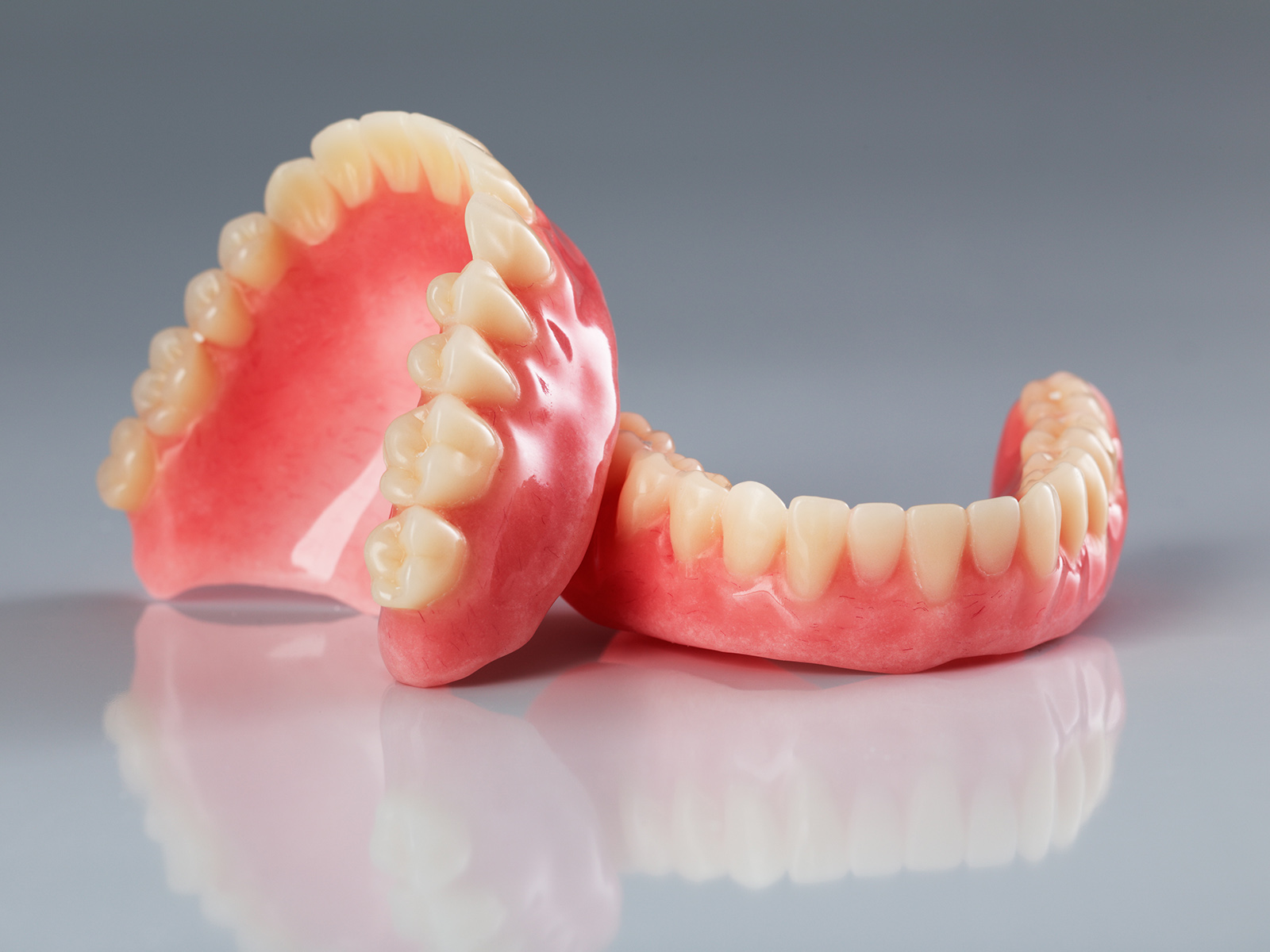
Perhaps the most widely recognized form of “fake teeth” are dentures. Dentures are removable prostheses designed to replace a full set or a portion of missing teeth. They are broadly categorized into two main types:
Complete Dentures: Restoring an Entire Arch
Complete dentures, often referred to as “full dentures,” are used when all teeth in either the upper or lower jaw are missing. They consist of a full set of artificial teeth made from acrylic or porcelain, mounted on a pink acrylic base designed to mimic the appearance of natural gum tissue. The upper denture typically adheres to the palate through suction and the natural contours of the mouth, while the lower denture relies on the lower gum ridge and tongue for stability.
The fabrication of complete dentures involves a meticulous process, starting with impressions taken by a dentist to capture the precise shape and contours of the patient’s mouth. These impressions are then used to create models upon which the dentures are custom-made. Recent technological advancements in denture fabrication include the use of CAD/CAM (Computer-Aided Design/Computer-Aided Manufacturing). This technology allows for highly precise digital impressions and the milling of denture bases from high-strength resins or even biocompatible metals. This not only ensures a superior fit but also allows for the creation of more durable and aesthetically natural-looking dentures. Furthermore, advancements in 3D printing are revolutionizing denture production, enabling dentists to create highly customized and cost-effective dentures with intricate details, often in a shorter timeframe.
Partial Dentures: Filling the Gaps
Partial dentures are designed to replace one or more missing teeth while leaving existing healthy teeth in place. They are typically made of a metal framework (often a chromium-cobalt alloy) with acrylic teeth attached. The framework incorporates clasps that grip onto the remaining natural teeth, providing support and stability.
The design of partial dentures requires careful consideration of the spacing and alignment of existing teeth. Digital dentistry plays a pivotal role here, with intraoral scanners capturing highly accurate 3D images of the patient’s mouth. These scans are then used in specialized software to design the framework and the placement of the artificial teeth. This digital approach minimizes the need for multiple physical impressions, leading to a more comfortable and efficient process. The use of lightweight and biocompatible materials in the framework, coupled with advanced techniques for creating lifelike acrylic teeth that match the color and translucency of natural teeth, contributes to the aesthetic and functional success of partial dentures.
Dental Bridges: A Fixed Solution
Dental bridges, as the name suggests, bridge the gap created by one or more missing teeth. They are a fixed prosthetic device, meaning they are permanently cemented into place and cannot be removed by the patient. A traditional bridge consists of one or more artificial teeth (pontics) supported by dental crowns that are cemented onto the natural teeth adjacent to the gap (abutment teeth).
The technology behind dental bridges has seen significant evolution. Historically, bridges were often made from porcelain fused to metal (PFM). While PFM offers strength and durability, the metal substructure can sometimes create a gray hue at the gum line, particularly as gums recede. Modern dental bridges increasingly utilize all-ceramic materials, such as zirconia and lithium disilicate. These materials offer superior aesthetics, with remarkable translucency and color-matching capabilities that closely mimic natural enamel. Zirconia, in particular, is known for its exceptional strength and biocompatibility, making it an ideal material for both the substructure and the pontic of a bridge.
The fabrication process for dental bridges often begins with precise tooth preparation by the dentist, followed by digital impressions. These impressions are then used to design and mill the bridge components using CAD/CAM technology. This allows for highly accurate fitting, minimizing the need for adjustments and ensuring a seamless integration with the patient’s natural dentition.
Dental Implants: The Gold Standard for Tooth Replacement
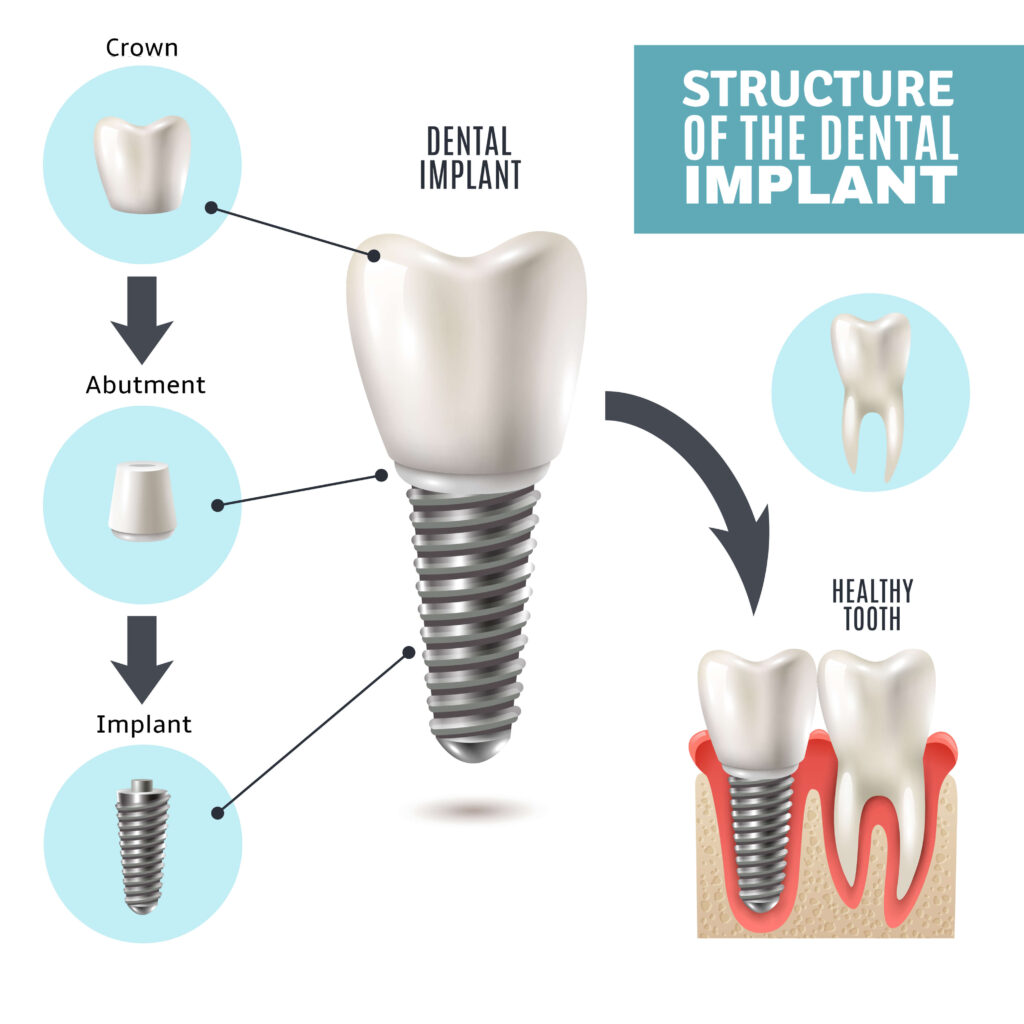
Dental implants are considered the most advanced and durable solution for replacing missing teeth. They are titanium posts surgically placed into the jawbone, acting as artificial tooth roots. Once integrated with the bone (a process called osseointegration), they provide a stable foundation for a dental crown, bridge, or denture.
The technology underpinning dental implants is truly remarkable. Titanium, a biocompatible metal, is the material of choice for implant posts due to its ability to fuse with bone tissue. The surface of the implant is often treated with specialized coatings and textures to promote and accelerate osseointegration, a critical step in the success of implant-supported restorations.
The placement of dental implants has been revolutionized by 3D imaging and guided surgery. Before the procedure, dentists utilize cone-beam computed tomography (CBCT) scans to create a detailed 3D model of the patient’s jawbone. This allows for precise planning of implant placement, identifying optimal locations, angles, and depths to avoid vital structures like nerves and sinuses. Based on this 3D data, surgical guides can be fabricated using 3D printing. These guides act as templates during surgery, ensuring the implant is placed with extreme accuracy, minimizing invasiveness and improving predictability.
Furthermore, advancements in digital dentistry allow for the design and fabrication of the implant abutments (the connectors between the implant and the crown) and the crowns themselves with incredible precision using CAD/CAM technology. This results in restorations that are not only functionally superior but also aesthetically indistinguishable from natural teeth.
The Materials Science Behind “Fake Teeth”
The evolution of dental prosthetics is inextricably linked to advancements in materials science. The artificial teeth and supporting structures are no longer limited to simple acrylic or basic porcelain. Today, a range of sophisticated materials are employed, each with unique properties contributing to the longevity, aesthetics, and biocompatibility of dental restorations.
Polymers and Acrylics: The Versatile Foundation
Acrylic resins, particularly polymethyl methacrylate (PMMA), remain a cornerstone in the fabrication of denture bases and artificial teeth. Modern acrylics offer improved strength, wear resistance, and color stability compared to earlier formulations. They can be customized to closely match the natural color and translucency of gum tissue, contributing significantly to the aesthetic appeal of dentures. Advancements in acrylic technology include the development of high-impact acrylics that are more resistant to fracture and low-allergen formulations for patients with sensitivities.
Composite Resins: Mimicking Natural Enamel
Composite resins, a blend of plastic and glass particles, are widely used in the fabrication of artificial teeth for bridges and some types of dentures. These materials offer excellent esthetics, allowing for precise shade matching to blend seamlessly with existing teeth. Their ability to be bonded to the prosthetic structure provides a strong and durable restoration. Advances in composite technology have led to nanohybrid composites, which offer enhanced wear resistance and polishability, contributing to the long-term aesthetic preservation of the restorations.
Ceramics: The Pinnacle of Aesthetics and Biocompatibility
Ceramics have revolutionized the field of dental prosthetics, particularly in the realm of dental bridges and crowns.
Porcelain-Fused-to-Metal (PFM): A Traditional Workhorse
While increasingly being replaced by newer materials for aesthetic reasons, PFM restorations continue to be utilized for their strength and durability. A metal substructure (often a noble alloy) provides structural integrity, while layers of porcelain are applied to create the appearance of natural tooth enamel.
All-Ceramic Materials: Zirconia and Lithium Disilicate
The true game-changers in ceramic dental prosthetics are zirconia and lithium disilicate.
Zirconia, a crystalline ceramic, is renowned for its exceptional strength and fracture resistance, making it suitable for full-contour restorations where biting forces are significant. Modern advancements in zirconia have led to the development of translucent zirconia, which offers improved aesthetics, allowing it to be used for anterior restorations where a highly natural appearance is paramount. The monolithic zirconia approach, where a single block of zirconia is milled into the final restoration, eliminates the risk of porcelain chipping and offers superior strength.
Lithium disilicate is another highly aesthetic ceramic material that offers a beautiful translucency and natural-looking shade variations. It is particularly well-suited for anterior crowns, veneers, and some bridge frameworks where aesthetics are the primary concern. While not as strong as some forms of zirconia, lithium disilicate provides a beautiful balance of strength and aesthetics.
The fabrication of ceramic dental prosthetics heavily relies on digital workflows. Intraoral scanners capture precise digital impressions, which are then processed in CAD software to design the restoration. CAM milling machines then precisely sculpt the ceramic material into the final restoration. This digital approach ensures a high degree of accuracy in fit and occlusion, leading to more comfortable and functional restorations.
The Technological Frontier: AI and the Future of “Fake Teeth”
The future of dental prosthetics is undeniably intertwined with rapidly evolving technologies, particularly artificial intelligence (AI) and advanced manufacturing techniques. These innovations are poised to further enhance the precision, customization, and accessibility of dental restorations.
AI in Diagnosis and Treatment Planning
AI algorithms are increasingly being developed to assist dentists in diagnosing oral conditions and planning treatment. By analyzing X-rays, intraoral scans, and patient data, AI can help identify potential issues with greater accuracy and speed. In the context of dental prosthetics, AI can play a crucial role in predicting the optimal implant placement, designing the most esthetically pleasing tooth arrangement, and even simulating the outcome of different treatment options.
Predictive Modeling for Implant Success
AI models can analyze vast datasets of patient information, including bone density, medical history, and lifestyle factors, to predict the likelihood of implant success. This allows dentists to personalize treatment plans and mitigate potential risks.
AI-Powered Smile Design
Advanced AI software can now assist in “smile design,” creating virtual simulations of how a patient’s smile will look with different prosthetic options. This empowers patients with a clearer understanding of the potential outcomes and facilitates more informed decision-making.
Advanced Manufacturing: Bioprinting and Nanotechnology
Beyond CAD/CAM and 3D printing, emerging technologies are pushing the boundaries of what’s possible in dental prosthetics.
Bioprinting: The Promise of Regenerative Dentistry
While still in its nascent stages for widespread dental application, bioprinting holds the potential to create functional dental tissues, including enamel and dentin, using living cells. This could eventually lead to the regeneration of damaged or missing teeth, rather than relying solely on artificial replacements.
Nanotechnology: Enhancing Material Properties
Nanotechnology is being explored to enhance the properties of dental materials. Nanocoatings can improve the biocompatibility and wear resistance of implants and prosthetic components. Furthermore, the development of nanocomposites for artificial teeth could lead to materials with enhanced strength, durability, and an even more natural aesthetic.
The term “fake teeth”, while common, fails to capture the immense technological sophistication and scientific innovation that characterize modern dental prosthetics. From the precise digital design of dentures and bridges to the biocompatible integration of dental implants and the visionary exploration of AI and bioprinting, the field is a testament to human ingenuity in restoring not just smiles, but also the fundamental functions of eating, speaking, and self-confidence. As technology continues to advance, the artificial replacements for our natural dentition will only become more seamless, durable, and indistinguishable from the originals, truly representing the pinnacle of applied science in restorative dentistry.
aViewFromTheCave is a participant in the Amazon Services LLC Associates Program, an affiliate advertising program designed to provide a means for sites to earn advertising fees by advertising and linking to Amazon.com. Amazon, the Amazon logo, AmazonSupply, and the AmazonSupply logo are trademarks of Amazon.com, Inc. or its affiliates. As an Amazon Associate we earn affiliate commissions from qualifying purchases.