
In today’s rapidly evolving digital landscape, you’ll increasingly encounter the term “token.” From the intricate world of decentralized finance to the exciting realm of digital art and the secure management of your online identity, tokens are quietly revolutionizing how we interact with technology, brands, and even our personal finances. But what exactly is a token? Far from being a simple buzzword, tokens represent a fundamental shift in how we represent value, ownership, and access in the digital age.
This article will delve into the multifaceted nature of tokens, exploring their core concepts, diverse applications across technology, branding, and finance, and their growing significance in shaping our digital future. We’ll demystify the technical underpinnings, illuminate the strategic brand implications, and uncover the financial opportunities that tokens unlock.

The Essence of a Token: Digital Representations of Value and Rights
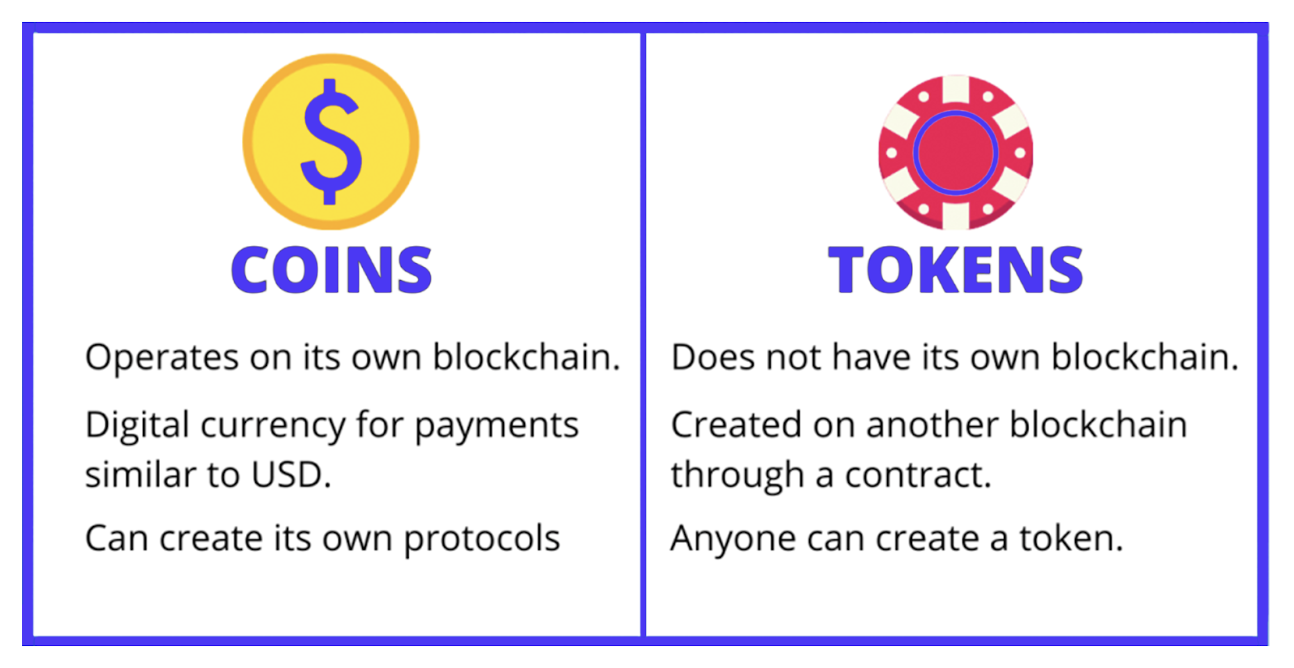
At its most fundamental level, a token is a digital representation of something else. This “something else” can be incredibly varied, ranging from a unit of currency, a right to access a service, ownership of an asset, or even a vote within a decentralized organization. Think of them as digital certificates or keys that can be securely managed, transferred, and verified on a blockchain or a similar distributed ledger technology.
The key characteristic that distinguishes most modern tokens is their programmability and verifiability. This means they can be embedded with rules and logic, and their authenticity and ownership can be independently confirmed without relying on a central authority. This decentralized and transparent nature is what gives tokens their power and their transformative potential.
How Tokens Work: The Blockchain Foundation
While tokens can exist in various forms, the most prevalent and impactful are those built upon blockchain technology. A blockchain is essentially a distributed, immutable ledger that records transactions across many computers. When a token is created on a blockchain, its creation, ownership, and every subsequent transfer are recorded as a transaction on this ledger.
This inherent transparency and security have several crucial implications:
- Immutability: Once a transaction is recorded on the blockchain, it cannot be altered or deleted, preventing fraud and ensuring the integrity of ownership.
- Transparency: While the identity of the owner might be pseudonymous, the transactions themselves are often publicly verifiable, allowing for audits and increased trust.
- Decentralization: Control over the token and its associated network is distributed among participants, reducing reliance on single points of failure or control.
- Programmability (Smart Contracts): Many tokens are built using smart contracts, which are self-executing contracts with the terms of the agreement directly written into code. These smart contracts automate the rules governing the token’s behavior, such as how it can be transferred, how it generates rewards, or what actions it can unlock.
These technical foundations enable tokens to represent a vast array of digital and even physical assets, opening up new possibilities across industries.
Tokens in the Tech Landscape: Beyond Cryptocurrencies
While cryptocurrencies like Bitcoin and Ethereum are the most well-known examples of tokens, their utility extends far beyond simply acting as digital money. In the realm of technology, tokens are becoming integral to various applications, enhancing security, enabling new forms of digital interaction, and improving user experiences.
Digital Security and Identity Tokens
In an age where digital security is paramount, tokens are emerging as powerful tools for authentication and identity management.
- Authentication Tokens: These are often used to verify a user’s identity after they have logged in with their credentials. Think of them as temporary digital keys that grant access to specific resources for a limited time. They are crucial for preventing unauthorized access and are a cornerstone of modern cybersecurity practices.
- Identity Tokens (Decentralized Identity): The concept of decentralized identity is a significant area where tokens are proving invaluable. Instead of relying on centralized authorities to hold and verify your personal information, decentralized identity tokens allow individuals to control their own digital identity. You can choose what information to share, with whom, and for how long. This empowers users and enhances privacy, moving away from the risks associated with data breaches on large centralized platforms.
- Access Tokens: These tokens can grant users permission to access specific software features, services, or digital content. For instance, a subscription service might issue an access token to a user, allowing them to stream content for the duration of their subscription.
Utility Tokens: Accessing Services and Platforms
Utility tokens are designed to provide users with access to a specific product or service within a particular ecosystem. They are not intended as investments but rather as a means to an end – a way to engage with a platform’s functionality.
- Platform Access: Many decentralized applications (dApps) issue utility tokens that users need to hold or spend to utilize the platform’s services. This could be for paying transaction fees, staking to secure the network, or participating in governance.
- In-Game Assets: In the burgeoning world of blockchain gaming, in-game items, characters, and even virtual land can be represented as utility tokens. This allows players to truly own their digital assets, trade them with other players, and even carry them across different games within the same ecosystem.
- Data Access: In some emerging models, tokens are used to grant access to specific datasets or computational resources, enabling new forms of data marketplaces and collaborative research.
NFTs (Non-Fungible Tokens): Ownership in the Digital Realm
Perhaps the most talked-about type of token in recent years, Non-Fungible Tokens (NFTs) have revolutionized the concept of digital ownership. Unlike fungible tokens where each unit is identical and interchangeable (like a dollar bill), each NFT is unique and cannot be replicated.
- Digital Art and Collectibles: NFTs have become synonymous with digital art, allowing artists to sell unique digital creations and collectors to verifiable own them. This has created a new market for digital creators and collectors, enabling provenance and scarcity for digital assets.
- Virtual Real Estate: In virtual worlds and metaverses, NFTs are used to represent ownership of virtual land, buildings, and other digital assets. This allows for a sense of real ownership and economic activity within these immersive digital environments.
- Event Tickets and Memberships: NFTs can also be used to represent unique event tickets or membership passes, offering benefits like exclusive access, merchandise, or future discounts. This provides a more secure and verifiable way to manage access to events and communities.
Tokens in the Branding and Marketing Arena: Building Engagement and Loyalty
The principles of tokens are not confined to the purely technological. Forward-thinking brands are leveraging tokens to create innovative marketing strategies, foster deeper customer engagement, and build stronger brand communities.
Brand Tokens: Creating Loyalty and Exclusive Experiences
Brands can issue their own tokens to reward customer loyalty, incentivize specific behaviors, and create exclusive communities.
- Loyalty Programs Reimagined: Traditional loyalty programs can be enhanced with branded tokens. Instead of accumulating points, customers can earn tokens for purchases, reviews, or social media engagement. These tokens can then be redeemed for discounts, exclusive merchandise, early access to new products, or even special experiences.
- Community Building and Governance: Brands can issue tokens to their most engaged customers or fans, granting them a stake in the brand’s future. These “community tokens” can provide holders with voting rights on product development, marketing campaigns, or even charitable initiatives. This fosters a sense of ownership and co-creation, strengthening the bond between the brand and its audience.
- Digital Collectibles and Experiences: Brands can create limited-edition digital collectibles or unique digital experiences represented by NFTs. This can be a powerful way to engage with younger demographics, tap into the growing NFT market, and create viral marketing opportunities. Imagine a fashion brand releasing a limited run of digital wearables for avatars in a popular metaverse, or a sports team offering NFTs that grant access to behind-the-scenes content.
Marketing and Reputation: Verifiable Endorsements and Proof of Engagement
Tokens can also play a role in enhancing marketing efforts and building a brand’s reputation in a more transparent and verifiable way.
- Proof of Engagement: In influencer marketing, tokens could potentially be used to verify genuine engagement and reach, providing a more reliable metric than traditional engagement rates.
- Decentralized Advertising: Emerging models are exploring how tokens can be used in decentralized advertising networks, where users are rewarded with tokens for viewing ads or sharing their data, giving them more control and value from their online attention.
- Reputation Systems: Tokens can form the basis of decentralized reputation systems, where positive contributions, verified reviews, or successful collaborations can be rewarded with reputation tokens. This can help build trust and credibility for individuals and brands alike.
Tokens in the Financial World: Democratizing Investment and Empowering Individuals
The financial sector has been one of the most profoundly impacted by the advent of tokens, particularly through the rise of cryptocurrencies and decentralized finance (DeFi). Tokens are democratizing access to investment opportunities, enabling new forms of financial services, and offering individuals greater control over their assets.
Security Tokens: Fractional Ownership and Digital Securities
Security tokens are digital representations of traditional financial assets like stocks, bonds, or real estate, all recorded on a blockchain.
- Fractional Ownership: Security tokens allow for the fractionalization of high-value assets. This means an investor can buy a small portion of a property or a company, making investments previously accessible only to institutional investors available to a broader audience.
- Increased Liquidity: By tokenizing assets, trading can become more efficient and accessible 24/7, potentially increasing liquidity compared to traditional markets.
- Regulatory Compliance: While still an evolving area, security tokens are designed to comply with existing securities regulations, offering a pathway for regulated digital asset trading.
Fungible Tokens and Cryptocurrencies: Digital Currencies and Beyond
Fungible tokens are the most common type of token, where each unit is identical and interchangeable. Cryptocurrencies are a prime example.
- Digital Currencies: Cryptocurrencies like Bitcoin, Ethereum, and Litecoin function as digital forms of money, enabling peer-to-peer transactions without intermediaries.
- Store of Value: Some cryptocurrencies are seen as a potential store of value, akin to digital gold.
- Medium of Exchange: They can be used to purchase goods and services online and increasingly in the physical world.
Decentralized Finance (DeFi) Tokens: New Financial Ecosystems
DeFi leverages blockchain technology and tokens to create open, permissionless, and transparent financial services that operate without traditional intermediaries like banks.
- Lending and Borrowing: DeFi platforms allow users to lend their crypto assets to earn interest or borrow assets by providing collateral, all facilitated by smart contracts and specific DeFi tokens.
- Yield Farming and Staking: Token holders can participate in “yield farming” by providing liquidity to DeFi protocols and earning rewards in the form of tokens. “Staking” involves locking up tokens to support a network and earn rewards.
- Decentralized Exchanges (DEXs): These platforms allow users to trade tokens directly with each other without a central order book, often powered by liquidity pools and governance tokens.
- Stablecoins: These are a specific type of fungible token pegged to the value of a stable asset, such as the US dollar, aiming to reduce the volatility often associated with cryptocurrencies.
Tokens for Online Income and Side Hustles
Tokens have opened up new avenues for earning online income and pursuing side hustles.
- Play-to-Earn Gaming: As mentioned earlier, many blockchain games reward players with tokens for their in-game achievements, which can then be traded for real-world value.
- Content Creation and Monetization: Platforms are emerging where creators can earn tokens for their content, and users can support their favorite creators by tipping or purchasing tokenized content.
- Participating in Decentralized Autonomous Organizations (DAOs): DAOs are organizations run by code and community, often governed by token holders. Participating in DAOs can offer opportunities to contribute to projects and earn tokens for your efforts.

The Future is Tokenized
As technology continues its relentless march forward, the role of tokens will only become more pronounced. They represent a fundamental shift in how we perceive, manage, and exchange value in the digital age. From securing our digital identities and enhancing brand loyalty to democratizing finance and unlocking new economic opportunities, tokens are the building blocks of a more decentralized, transparent, and user-centric future. Understanding what tokens are, and how they function across technology, branding, and finance, is no longer a niche interest but a crucial step towards navigating the evolving digital landscape and harnessing its immense potential.
aViewFromTheCave is a participant in the Amazon Services LLC Associates Program, an affiliate advertising program designed to provide a means for sites to earn advertising fees by advertising and linking to Amazon.com. Amazon, the Amazon logo, AmazonSupply, and the AmazonSupply logo are trademarks of Amazon.com, Inc. or its affiliates. As an Amazon Associate we earn affiliate commissions from qualifying purchases.