
Catholic Social Teaching (CST) offers a rich and enduring framework for understanding how individuals and societies should approach economic life and financial matters. Far from being solely a theological doctrine, CST provides a compelling set of principles that can guide ethical decision-making in business, inform investment strategies, and promote a more just and equitable distribution of resources. For those engaged in the world of finance and commerce, understanding CST is not merely an academic exercise; it is a practical pathway towards building sustainable, responsible, and ultimately, more prosperous enterprises and economies. This exploration will delve into the core tenets of Catholic Social Teaching and illustrate their direct relevance to contemporary financial practices and business operations.
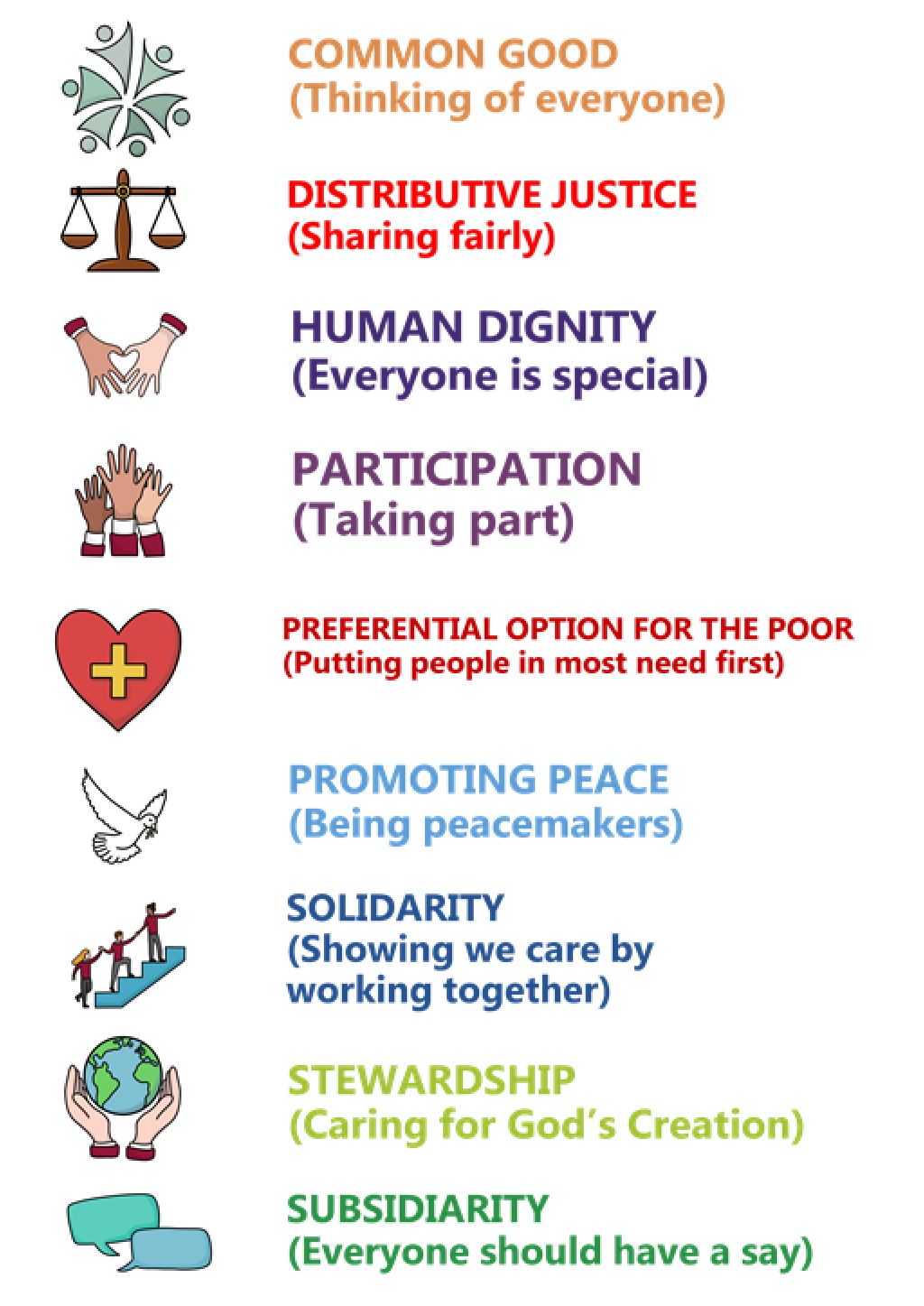
The Dignity of the Human Person and Economic Justice
At the heart of Catholic Social Teaching lies an unwavering commitment to the inherent dignity of every human person. This foundational principle profoundly impacts how we view economic systems and the role of money. In a financial context, it means that economic activities should serve human needs and promote human flourishing, rather than treating individuals as mere cogs in a profit-generating machine.
The Primacy of Labor Over Capital
One of the most significant economic implications of CST is the assertion of the primacy of labor over capital. This means that the work of human beings, their efforts, skills, and contributions, are inherently more valuable than the financial or material resources employed in production. This principle challenges economic models that prioritize shareholder profits above the well-being of employees, the communities in which businesses operate, and the environment.
In practical business finance, this translates to:
- Fair Wages and Benefits: Ensuring that employees receive wages that allow for a decent standard of living, including adequate housing, food, healthcare, and education for themselves and their families. This goes beyond minimum wage laws and emphasizes a living wage that respects human dignity.
- Safe and Healthy Working Conditions: Investing in and maintaining workplaces that are safe, healthy, and conducive to employee well-being. This includes not only physical safety but also fostering a culture of respect and preventing exploitation.
- Employee Empowerment and Participation: Recognizing the value of employee input and participation in decision-making processes. This can involve profit-sharing schemes, employee representation on boards, and fostering a sense of ownership and shared responsibility.
- Investment in Human Capital: Viewing employees not as disposable costs but as valuable assets. This means investing in training, professional development, and opportunities for advancement, recognizing that a skilled and engaged workforce is crucial for long-term business success.
When businesses prioritize labor and invest in their human capital, they often see increased productivity, higher employee morale, reduced turnover, and ultimately, a stronger financial performance. This aligns with the idea that ethical practices can be good for the bottom line, a concept increasingly embraced by socially responsible investing (SRI) and environmental, social, and governance (ESG) frameworks.
The Common Good and Economic Responsibility
Catholic Social Teaching also emphasizes the concept of the “common good.” This refers to the sum total of social conditions that allow people, both groups and individuals, to reach their fulfillment more fully and more easily. In the economic realm, the common good means that businesses have a responsibility not only to their shareholders but also to the wider community and society as a whole.
This principle has significant implications for financial decision-making:
- Corporate Social Responsibility (CSR): Businesses should actively consider the social and environmental impact of their operations. This includes minimizing pollution, supporting local communities through charitable giving or job creation, and ensuring ethical sourcing of materials.
- Fair Taxation: Contributing a fair share of taxes to support public services and infrastructure that benefit society. This is an acknowledgment that businesses thrive within a well-functioning society and have a reciprocal obligation.
- Sustainable Practices: Investing in and adopting business models that are environmentally sustainable. This not only protects the planet for future generations but can also lead to long-term cost savings through increased efficiency and reduced resource consumption.
- Ethical Marketing and Advertising: Avoiding manipulative or deceptive marketing practices that exploit consumer vulnerabilities. This builds trust and fosters a healthier market environment.
From a financial perspective, embracing the common good can lead to enhanced brand reputation, increased customer loyalty, and a more stable operating environment. Companies that are perceived as good corporate citizens are often more attractive to investors and consumers alike, contributing to long-term financial resilience.
The Universal Destination of Goods and Resource Allocation
Another core teaching is the “universal destination of goods.” This principle states that the earth and all its resources are intended for the benefit of all humanity, not just for the privileged few. This has direct relevance to how wealth is generated, distributed, and utilized within economic systems.
Preferential Option for the Poor
Central to the universal destination of goods is the “preferential option for the poor.” This means that in all economic and financial decisions, special consideration should be given to the needs of the most vulnerable and marginalized members of society. This is not about charity alone, but about advocating for systemic changes that address the root causes of poverty and inequality.
For individuals and businesses involved in finance, this translates to:

- Responsible Investing: Seeking investment opportunities that not only generate returns but also contribute to social well-being and poverty reduction. This can involve investing in microfinance institutions, affordable housing projects, or companies with a proven track record of ethical labor practices and community development.
- Philanthropy and Impact Investing: Beyond traditional charitable giving, engaging in impact investing, where financial returns are coupled with measurable social impact. This allows for a more strategic and sustainable approach to addressing poverty and inequality.
- Fair Trade Practices: Supporting and engaging in fair trade initiatives that ensure producers in developing countries receive a just price for their goods and labor. This directly addresses the exploitation of vulnerable populations.
- Advocacy for Economic Justice: Using one’s financial influence and voice to advocate for policies that promote economic justice, such as progressive taxation, social safety nets, and access to education and healthcare for all.
The preferential option for the poor is a call to re-evaluate economic metrics. While profit is important, it should not be the sole measure of success. A business or an investment that exacerbates poverty or inequality, even if profitable, is ultimately at odds with the principles of CST.
Stewardship of Creation and Sustainable Finance
The CST’s teaching on the “stewardship of creation” highlights humanity’s responsibility to care for the earth. In the context of finance and business, this translates to a critical need for sustainable practices and a shift towards a circular economy.
This influences financial decisions by:
- Investing in Green Technologies: Allocating capital towards renewable energy, sustainable agriculture, waste reduction technologies, and other environmentally sound innovations. This aligns with the growing demand for sustainable products and services.
- Divesting from Harmful Industries: Consciously choosing to withdraw investments from industries that are environmentally destructive, such as fossil fuels or those with poor environmental records.
- Promoting Ethical Consumption: Supporting businesses and products that are produced sustainably and ethically, thereby influencing market demand.
- Risk Management through Environmental Factors: Recognizing that environmental degradation poses significant financial risks, such as supply chain disruptions due to climate change or regulatory penalties for pollution. Sustainable finance actively mitigates these risks.
The concept of stewardship extends beyond mere compliance. It is a proactive approach to managing resources in a way that preserves them for future generations and contributes to the well-being of the planet. Financial institutions and businesses that embrace this principle are not only acting ethically but are also positioning themselves for long-term resilience in a world increasingly shaped by environmental concerns.
Solidarity and Subsidiarity in Global Finance
Catholic Social Teaching also emphasizes the interconnectedness of humanity through the principle of “solidarity” and the importance of local empowerment through “subsidiarity.” These principles have profound implications for how we approach global finance, international trade, and the distribution of economic power.
Solidarity: Global Economic Interdependence
Solidarity calls for recognizing our shared humanity and working together for the common good, particularly across national borders. In the globalized financial world, this means acknowledging the interdependence of economies and the impact of financial decisions on people in different parts of the world.
This principle guides financial practices by:
- Ethical Global Supply Chains: Ensuring that supply chains are free from exploitation, child labor, and human trafficking, regardless of where they are located. This requires due diligence and a commitment to fair labor practices throughout the entire chain.
- Fair International Trade: Advocating for trade agreements that are equitable and do not disadvantage developing nations. This involves supporting initiatives that promote fair wages and working conditions in all trading partners.
- Responsible Debt Management: For nations and institutions, engaging in responsible debt management that does not create unsustainable burdens for developing countries. This includes advocating for debt relief where appropriate.
- Support for International Development: Contributing to and supporting initiatives that promote economic development and alleviate poverty in developing nations, fostering mutual growth and prosperity.
Solidarity means that financial decisions made in one part of the world should not inadvertently harm others. It calls for a global perspective that prioritizes human dignity and shared prosperity.
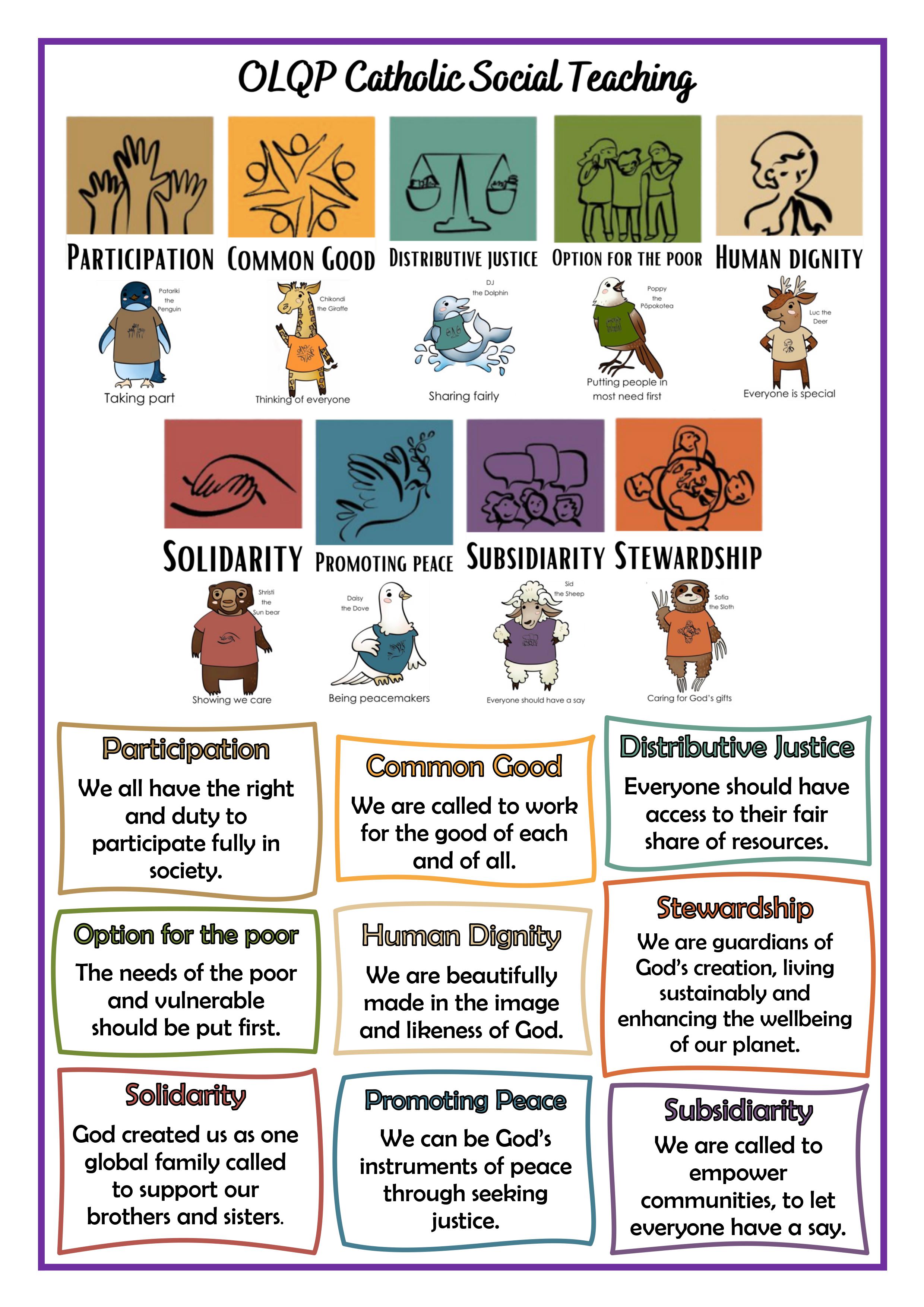
Subsidiarity: Empowering Local Economies and Businesses
Subsidiarity, on the other hand, asserts that decisions should be made at the lowest possible level of governance or organization capable of effectively addressing an issue. In the economic sphere, this translates to empowering local communities and businesses.
This principle influences financial approaches by:
- Supporting Local Businesses and Entrepreneurs: Prioritizing investment in and support for small and medium-sized enterprises (SMEs) and local entrepreneurs, recognizing their vital role in community economic development.
- Decentralized Financial Structures: Exploring and supporting financial models that are accessible and responsive to local needs, such as community banks, credit unions, and local investment funds.
- Empowering Local Decision-Making: Ensuring that economic development initiatives are designed and implemented with the active participation of the local communities they are intended to serve.
- Promoting Entrepreneurship and Innovation at the Local Level: Fostering environments where local innovation can flourish and create sustainable employment opportunities within communities.
Subsidiarity recognizes that effective solutions are often best developed and implemented by those closest to the problems. It champions diversity and resilience by fostering robust local economies that are not overly dependent on distant or centralized economic forces.
In conclusion, Catholic Social Teaching offers a profound and practical ethical compass for navigating the complexities of modern business finance and economic life. By grounding financial decisions in the dignity of the human person, the pursuit of the common good, the universal destination of goods, and the principles of solidarity and subsidiarity, individuals and organizations can build more just, sustainable, and ultimately, more ethically sound and prosperous enterprises. This framework encourages a move beyond a purely profit-driven model to one that recognizes the interconnectedness of economic activity with human well-being and the health of the planet, offering a compelling vision for the future of finance and business.
aViewFromTheCave is a participant in the Amazon Services LLC Associates Program, an affiliate advertising program designed to provide a means for sites to earn advertising fees by advertising and linking to Amazon.com. Amazon, the Amazon logo, AmazonSupply, and the AmazonSupply logo are trademarks of Amazon.com, Inc. or its affiliates. As an Amazon Associate we earn affiliate commissions from qualifying purchases.