
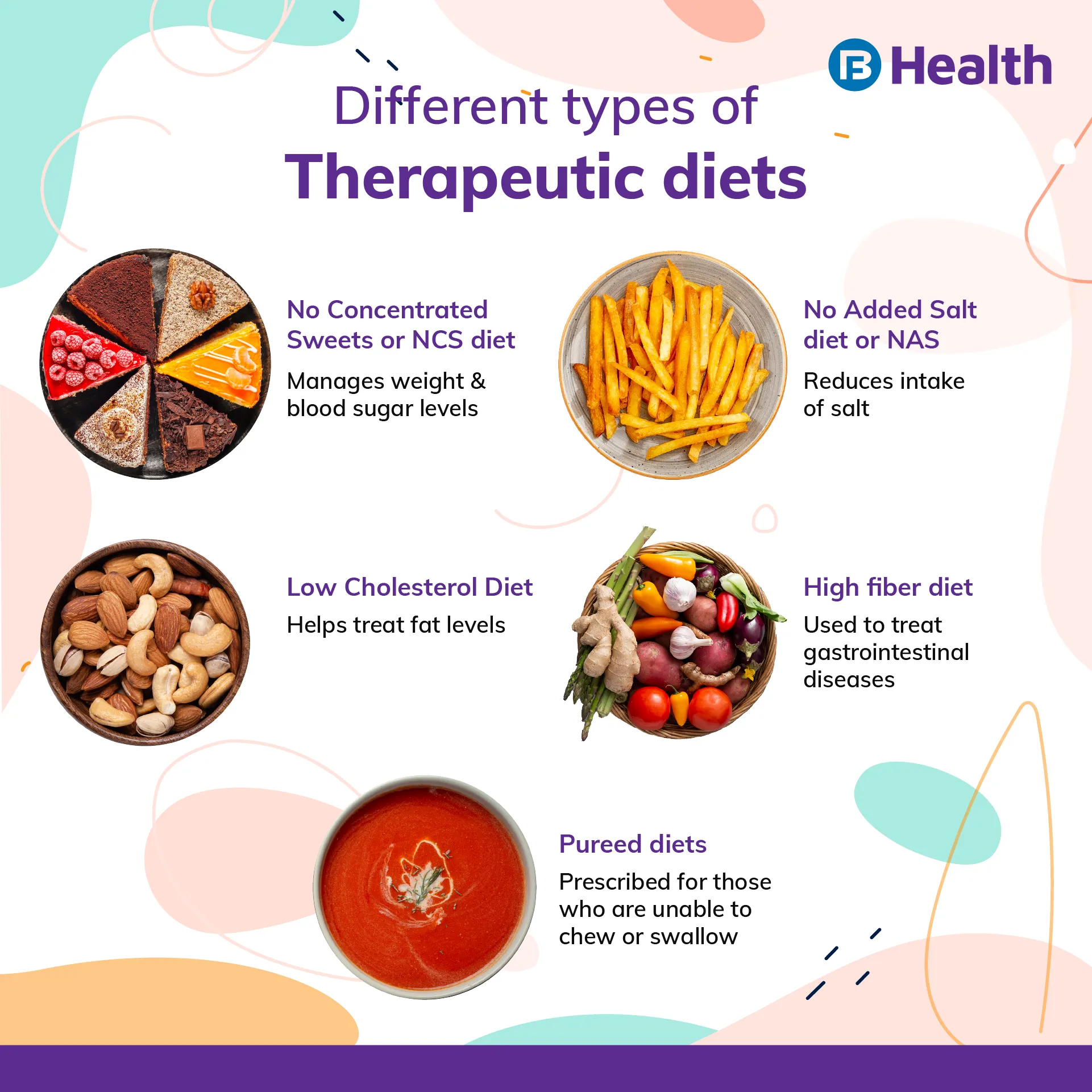
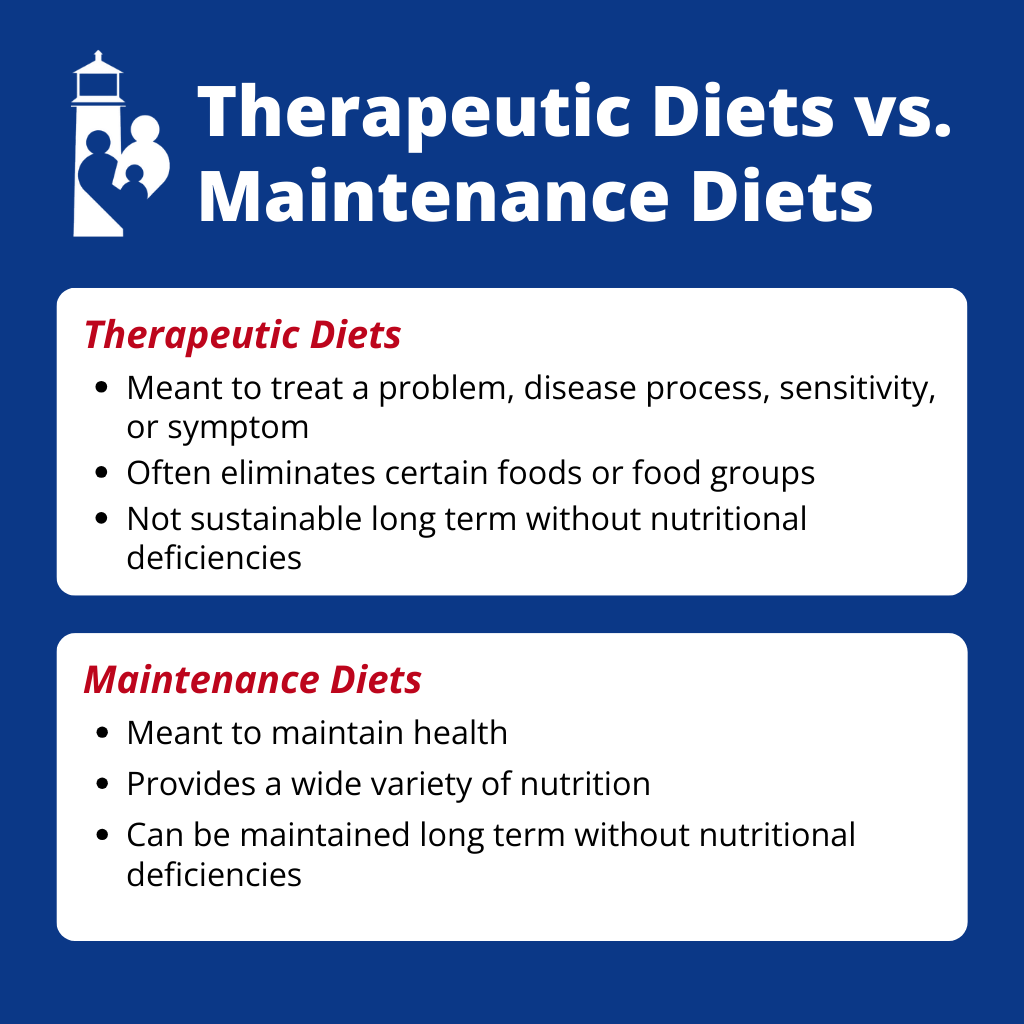
A therapeutic diet, often referred to as a medical diet or dietary management, is a structured eating plan specifically designed to prevent, manage, or treat a particular medical condition. Unlike general healthy eating guidelines aimed at promoting overall well-being, therapeutic diets are physician-prescribed or recommended and are tailored to address the unique physiological needs of an individual facing a specific illness, disease, or health concern. The underlying principle is that food and nutrition can play a powerful role in influencing the body’s response to disease, symptom severity, and the effectiveness of medical treatments. This approach acknowledges the intricate relationship between diet and health, recognizing that specific nutrient profiles, food textures, and consumption patterns can either exacerbate or alleviate a wide range of conditions.
The Foundation: Understanding the Nutritional Science Behind Therapeutic Diets
At its core, a therapeutic diet is a practical application of nutritional science. It leverages our understanding of how different nutrients—macronutrients (carbohydrates, proteins, fats) and micronutrients (vitamins, minerals)—interact with the body’s metabolic processes and disease states. This goes beyond simply recommending “more fruits and vegetables.” Instead, it involves precise adjustments to the intake of specific nutrients to achieve a desired therapeutic outcome.
Macronutrient Modulation: Tailoring Carbohydrates, Proteins, and Fats
The balance and quantity of macronutrients are often the primary focus of therapeutic diets. For instance, in managing diabetes, the emphasis is on controlling carbohydrate intake, particularly the type and timing of consumption, to regulate blood glucose levels. This might involve prioritizing complex carbohydrates with a low glycemic index over simple sugars. Similarly, individuals with kidney disease may require a restricted protein intake to reduce the workload on their compromised kidneys. In cases of malabsorption or inflammatory bowel diseases, the type and amount of fat may be adjusted, favoring sources that are easier to digest or possess anti-inflammatory properties.
Micronutrient Optimization: Vitamins, Minerals, and Their Therapeutic Roles
Micronutrients, though needed in smaller quantities, are equally crucial. Therapeutic diets often consider the specific vitamin and mineral needs related to a condition. For example, iron deficiency anemia necessitates increased iron intake, while conditions affecting calcium absorption might require supplementation and dietary adjustments to enhance calcium bioavailability. Certain neurological conditions may benefit from specific B vitamin regimens, and individuals with electrolyte imbalances due to various illnesses will have their sodium, potassium, and magnesium levels carefully monitored and adjusted through diet.
Fiber’s Multifaceted Impact: From Digestion to Disease Prevention
Dietary fiber is another key component frequently manipulated in therapeutic diets. Depending on the condition, fiber intake can be increased or decreased. For constipation or diverticular disease, a high-fiber diet is often recommended to promote bowel regularity and reduce strain. Conversely, for certain stages of inflammatory bowel disease or after specific surgeries, a low-fiber diet might be prescribed to minimize irritation and allow the digestive tract to heal. The role of fiber in regulating blood sugar, lowering cholesterol, and promoting gut microbiome health also makes it a critical factor in managing chronic diseases like heart disease and certain cancers.
Categories and Applications: A Spectrum of Therapeutic Dietary Approaches
The realm of therapeutic diets is vast, encompassing a wide array of specific plans tailored to diverse medical needs. These diets are not arbitrary; they are built upon robust scientific evidence and are typically implemented under the guidance of healthcare professionals.
Managing Chronic Diseases: Long-Term Nutritional Strategies
Chronic diseases, which persist for a long time and often progress gradually, frequently benefit from specialized dietary interventions. For cardiovascular disease, therapeutic diets focus on reducing sodium, saturated fats, and cholesterol intake while emphasizing fruits, vegetables, whole grains, and lean proteins. The DASH (Dietary Approaches to Stop Hypertension) diet is a prime example, specifically designed to lower blood pressure. For individuals with chronic kidney disease (CKD), a therapeutic diet is crucial to slow disease progression and manage complications. This often involves restrictions on protein, sodium, potassium, and phosphorus. Diabetes management, as previously mentioned, centers on carbohydrate control and the promotion of stable blood glucose levels.
Gastrointestinal Disorders: Soothing and Supporting the Digestive System
The gastrointestinal tract is a common target for therapeutic dietary interventions. Conditions like Irritable Bowel Syndrome (IBS) may benefit from a low-FODMAP (fermentable oligo-, di-, mono-saccharides and polyols) diet, which restricts certain types of carbohydrates that can trigger digestive distress. For celiac disease, a strict gluten-free diet is paramount, as gluten triggers an autoimmune response in the small intestine. Inflammatory bowel diseases, such as Crohn’s disease and ulcerative colitis, often require highly individualized diets, which might involve low-residue diets during flare-ups to reduce bowel irritation, or nutrient-dense options to combat malabsorption and weight loss.

Allergy and Intolerance Management: Avoiding Triggers and Ensuring Nutrient Adequacy
Food allergies and intolerances necessitate careful dietary exclusion. A true food allergy requires the complete elimination of the offending allergen, such as peanuts, dairy, or shellfish, to prevent potentially life-threatening reactions. For lactose intolerance, a reduction or elimination of lactose-containing foods is key, often supplemented with calcium and vitamin D. Gluten intolerance, distinct from celiac disease but still causing adverse reactions, also requires gluten avoidance. The challenge with these diets lies in ensuring that essential nutrients are still adequately obtained from alternative food sources.
Pre- and Post-Surgical Nutrition: Preparing the Body and Aiding Recovery
Therapeutic diets play a significant role in preparing patients for surgery and aiding their recovery. Before certain surgeries, a clear liquid or full liquid diet might be prescribed to reduce the risk of complications during anesthesia. Post-operatively, the diet is gradually advanced to support wound healing, restore bowel function, and prevent complications. For example, after abdominal surgery, a low-fiber, easily digestible diet is often introduced gradually. Nutritional support, including specialized formulas or supplements, may be necessary to ensure adequate protein and calorie intake for tissue repair.
The Role of Healthcare Professionals: Collaboration and Individualization
The implementation of a therapeutic diet is rarely a solo endeavor. It is a collaborative process involving the patient and a team of healthcare professionals, primarily physicians and registered dietitians or nutritionists. This interdisciplinary approach ensures that the diet is safe, effective, and meets the individual’s unique needs.
Physician’s Prescription: The Clinical Basis for Dietary Intervention
The physician initiates the process by diagnosing the medical condition and determining whether a therapeutic diet is warranted. They assess the patient’s overall health status, consider other medical conditions, and evaluate current medications that might interact with dietary changes. The physician’s role is to provide the clinical rationale for the dietary intervention and to monitor the patient’s progress and response to the prescribed plan. They are responsible for adjusting the diet as the patient’s condition evolves.
Registered Dietitian’s Expertise: Developing and Implementing the Plan
Registered Dietitians (RDs) or Registered Dietitian Nutritionists (RDNs) are the linchpins in translating medical recommendations into practical dietary plans. They possess in-depth knowledge of food composition, nutrient metabolism, and the pathophysiology of various diseases. RDs work with patients to:
- Assess Nutritional Status: They conduct thorough assessments of the patient’s current dietary intake, anthropometrics (height, weight, body composition), and laboratory values to identify specific nutritional needs and deficiencies.
- Develop Personalized Meal Plans: Based on the physician’s recommendations and the patient’s assessment, RDs create individualized meal plans that specify food choices, portion sizes, meal timing, and hydration strategies.
- Provide Education and Support: A crucial aspect of their role is patient education. RDs explain the rationale behind the diet, teach label reading skills, offer strategies for meal preparation and dining out, and address any psychological or social barriers to adherence.
- Monitor and Adjust: They regularly follow up with patients to monitor their adherence, symptom management, weight changes, and overall well-being. Adjustments to the diet are made as needed based on the patient’s response and changes in their medical condition.
Patient Adherence: The Key to Success
Ultimately, the success of any therapeutic diet hinges on the patient’s willingness and ability to adhere to the prescribed plan. This requires a significant commitment to understanding the “why” behind the dietary changes, embracing new eating habits, and often making lifestyle adjustments. Factors that can influence adherence include:
- Education and Understanding: A clear understanding of the condition and how the diet directly impacts it can be a powerful motivator.
- Practicality and Accessibility: The diet must be practical for the patient’s lifestyle, budget, and cooking abilities. Access to appropriate foods is also critical.
- Social and Environmental Support: Support from family, friends, and the community can make adherence much easier. Navigating social events or dining out can be challenging, and having a supportive network is invaluable.
- Psychological Factors: Underlying psychological issues, such as disordered eating patterns or stress, can significantly impact adherence. Addressing these through counseling or therapy may be necessary.
Conclusion: Empowering Health Through Targeted Nutrition
A therapeutic diet is far more than just a set of food restrictions; it is a powerful, evidence-based tool that empowers individuals to actively participate in managing their health and well-being. By understanding the intricate relationship between food and disease, and by working collaboratively with healthcare professionals, individuals can harness the potential of nutrition to alleviate symptoms, slow disease progression, and improve their overall quality of life. The journey of therapeutic dietary management is one of informed choices, personalized strategies, and a commitment to leveraging the healing power of food.
aViewFromTheCave is a participant in the Amazon Services LLC Associates Program, an affiliate advertising program designed to provide a means for sites to earn advertising fees by advertising and linking to Amazon.com. Amazon, the Amazon logo, AmazonSupply, and the AmazonSupply logo are trademarks of Amazon.com, Inc. or its affiliates. As an Amazon Associate we earn affiliate commissions from qualifying purchases.