
In the intricate world of branding, where capturing attention and fostering loyalty are paramount, understanding the essence of identity is a critical differentiator. While often associated with the realm of psychology, the concept of a “theory of personality” holds profound relevance for brand strategists, marketers, and individuals building their personal brand. At its core, a theory of personality is a systematic approach to understanding the characteristic patterns of thoughts, feelings, and behaviors that make an individual unique. These theories seek to explain how personality develops, what its fundamental components are, and how it influences interactions with the world.
For the branding professional, these psychological frameworks offer invaluable insights. They provide a lens through which to analyze target audiences, sculpt a compelling brand persona, and craft messaging that resonates deeply. Just as individuals possess distinct personalities, so too can brands. A strong brand personality evokes emotion, builds recognition, and fosters a connection that transcends mere product features. This article will delve into the utility of understanding personality theories, exploring how these psychological constructs are not just academic curiosities but powerful tools for strategic brand development, personal branding, and effective marketing. By understanding the underlying mechanisms of human personality, we can construct brands that are not only seen but truly felt and remembered.
The Core Concepts of Personality Theories and Their Brand Resonance
The journey of understanding brand identity often begins with a fundamental question: “Who are we, or who do we want to be?” This mirrors the foundational inquiry of personality psychology. Various theories have emerged over centuries, each offering a unique perspective on the structure and development of human personality. For branding, the value lies not in dogmatically adhering to one theory, but in appreciating the diverse ways personality can be conceptualized and applied.
Defining Personality: The Foundation for Brand Identity
At its simplest, personality refers to the consistent patterns of behavior, thought, and emotion that characterize an individual. It’s what makes us unique and predictable in certain situations. When we translate this to branding, we’re talking about brand identity – the promise a brand makes, the values it embodies, and the overall impression it leaves. A brand’s personality is not merely its logo or slogan; it’s the sum total of its attributes, its voice, its interactions, and its reputation. Just as a person can be perceived as warm, innovative, reliable, or adventurous, so too can a brand.
Understanding what constitutes “personality” from a theoretical standpoint helps brands move beyond superficial traits to develop a deep, authentic identity. Is the brand’s personality rooted in its history (like a psychoanalytic view of personal history), its inherent traits (like trait theory), its interactions with its environment (like social-cognitive theory), or its aspirations and potential (like humanistic theory)? The answers to these questions profoundly shape brand messaging and strategy, ensuring coherence and resonance.
Major Theoretical Lenses: Bridging Psychology and Brand Archetypes
While detailed psychological theories are complex, their overarching principles provide frameworks directly applicable to branding:
-
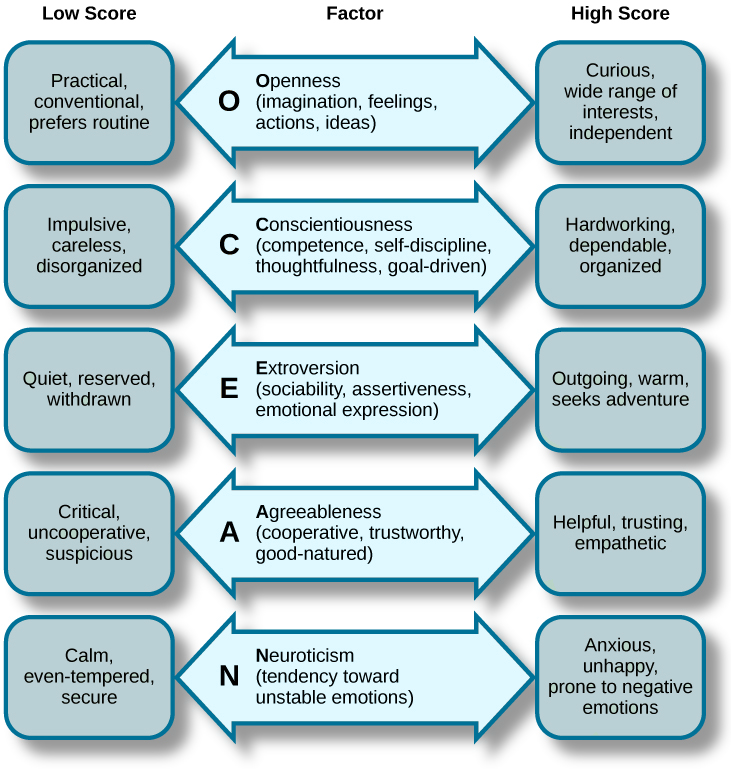
Trait Theories (e.g., Big Five): These theories propose that personality is composed of broad dispositions or traits (e.g., Openness, Conscientiousness, Extraversion, Agreeableness, Neuroticism). In branding, these translate directly into brand personality dimensions. Jennifer Aaker’s renowned framework for brand personality, for instance, identifies five core dimensions: Sincerity, Excitement, Competence, Sophistication, and Ruggedness. Brands consciously cultivate these traits to align with their desired perception and target audience. A brand like Patagonia might emphasize Ruggedness and Sincerity, while Apple leans into Excitement and Competence.
-
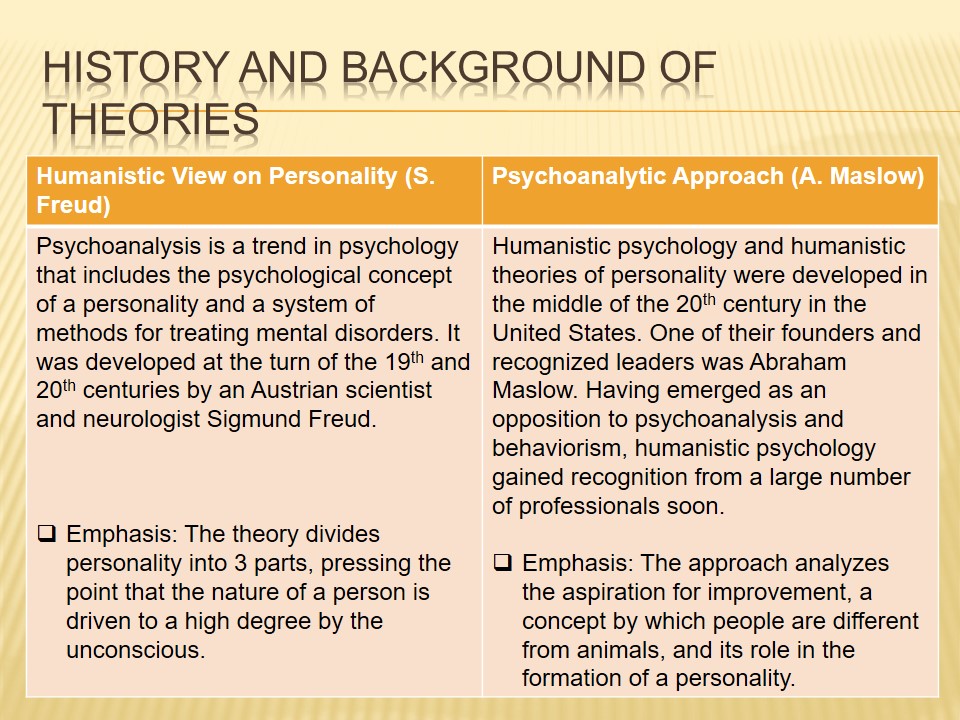
Psychodynamic Theories (e.g., Freud): While often criticized, these theories highlight the role of unconscious drives, motivations, and early experiences. For branding, this means understanding the deeper, often unarticulated, emotional needs and desires of consumers. Brands that tap into these subconscious motivators – aspirations for status, security, belonging, or self-expression – often create powerful, almost primal connections. Think of luxury brands appealing to deep-seated desires for recognition or security brands offering peace of mind.
-
Humanistic Theories (e.g., Maslow, Rogers): These focus on self-actualization, personal growth, and the pursuit of meaning. Brands adopting a humanistic approach often emphasize empowerment, community, and purpose. They connect with consumers by offering pathways to self-improvement, fostering authenticity, or contributing to a greater good, appealing to the consumer’s desire for personal fulfillment.
-
Social-Cognitive Theories (e.g., Bandura): These emphasize learning through observation, self-efficacy, and the interaction between personal factors, behavior, and environment. For branding, this means understanding how consumers learn about brands, how they perceive their own ability to use or benefit from a product, and how social norms influence purchasing decisions. Brands leverage social proof, influencer marketing, and user-generated content to foster belief in their value and encourage adoption.
By drawing from these theoretical lenses, brands can construct personas that are not only multifaceted but also strategically aligned with their business objectives and the psychological makeup of their desired audience.
Applying Personality Frameworks to Personal Branding
In an increasingly competitive landscape, personal branding has become indispensable for professionals, entrepreneurs, and thought leaders. Crafting a compelling personal brand requires introspection and a clear understanding of one’s own personality, values, and strengths. Here, too, the principles derived from theories of personality offer a structured approach.
Self-Discovery: Unearthing Your Authentic Brand Self
The first step in personal branding is often the most challenging: authentic self-discovery. Just as a theory of personality helps categorize and understand individual differences, applying similar frameworks to oneself can clarify one’s unique identity.
-
Trait Assessment: Utilize self-assessment tools or reflect on your dominant traits using frameworks like the Big Five. Are you primarily an extravert or an introvert? Are you highly conscientious or more spontaneous? Understanding these core traits helps you define your natural communication style, work preferences, and areas of expertise.
-
Values Clarification: What truly matters to you? Your core values (e.g., integrity, innovation, compassion, efficiency) are the bedrock of your personal brand. They dictate your choices, your interactions, and the causes you champion. Aligning your personal brand with these intrinsic values ensures authenticity and long-term sustainability.
-
Identifying Unique Strengths: Beyond traits, what are your unique skills, talents, and experiences? What problems do you naturally solve? What perspective do you bring that others don’t? These are the differentiators that will make your personal brand stand out.
By engaging in this self-exploration, individuals can articulate a personal brand that feels genuine and sustainable, rather than an artificial construct. This authenticity is crucial for building trust and resonance with an audience.
Communicating Your Unique Brand Personality
Once the core of your personal brand is identified, the next step is effective communication. Your personality, filtered through your professional lens, needs to be consistently expressed across all platforms.
-
Crafting Your Narrative: Develop a compelling story that explains who you are, what you do, and why it matters. This narrative should reflect your authentic personality and values, making you relatable and memorable.
-
Consistent Voice and Tone: Whether it’s on social media, in presentations, or through written articles, maintain a consistent voice and tone that mirrors your personality. If you’re witty and approachable, let that shine through. If you’re analytical and authoritative, ensure your communication reflects that competence.
-
Visual Representation: While often overlooked, your visual brand (professional headshots, website design, personal style) should also align with your personality. If your brand is “innovative,” your visuals should reflect modernity; if “reliable,” they might lean towards classic and polished.
Effectively communicating your personal brand personality ensures that your audience perceives you consistently, building recognition and trust that are vital for career advancement and influence.
Corporate Identity and Brand Personality: Beyond the Logo
For organizations, a “theory of personality” translates into the strategic development of corporate identity and brand personality. This goes far beyond visual elements like logos and color palettes; it encompasses the brand’s behavior, values, and how it interacts with the world. A well-defined brand personality acts as a guiding star for all organizational activities, ensuring consistency and a clear message to the marketplace.

Developing a Cohesive Organizational Persona
Just as individuals have personalities, so too do companies. A corporation’s personality is shaped by its mission, vision, values, culture, and the people it employs. Developing a cohesive organizational persona involves:
-
Defining Core Values: What does the company stand for? These values should be authentically lived internally and reflected externally. A company that values “innovation” must genuinely foster a culture of creativity and risk-taking.
-
Articulating Brand Archetypes: Brands often align with universal archetypes (e.g., The Innocent, The Sage, The Hero, The Jester). These archetypes, rooted in Carl Jung’s work on the collective unconscious, provide a powerful shorthand for brand personality, making it easier for audiences to understand and connect with the brand’s essence. For instance, Nike embodies “The Hero,” inspiring individuals to overcome challenges.
-
Establishing Brand Voice and Messaging Guidelines: These ensure that all communication—from customer service interactions to advertising campaigns—speaks with a consistent tone and reflects the brand’s personality. This prevents disjointed messages that can confuse consumers and dilute brand identity.
A cohesive organizational persona fosters internal alignment, guiding employees in their interactions and decision-making, ensuring that the brand promise is delivered at every touchpoint.
The Impact of Brand Personality on Consumer Perception and Loyalty
The personality a brand projects has a profound impact on how consumers perceive it and their willingness to engage and remain loyal.
-
Emotional Connection: Consumers often choose brands not just for their functional benefits, but for the emotional connection they feel. A brand with a personality that resonates with a consumer’s own values or aspirations can forge a deep, almost human-like bond. For example, a consumer who values “excitement” might gravitate towards an adventurous automotive brand.
-
Differentiation in Crowded Markets: In a marketplace saturated with similar products or services, brand personality offers a powerful means of differentiation. When functional benefits are commoditized, personality becomes a unique selling proposition that competitors cannot easily replicate.
-
Building Trust and Loyalty: Consistency in brand personality builds predictability and trust. Consumers come to know what to expect from a brand, leading to increased loyalty. A brand that consistently projects “competence” will be trusted more for critical services; one that projects “sincerity” will be seen as more reliable and ethical.
By meticulously crafting and consistently expressing a desirable brand personality, companies can cultivate strong emotional ties with their audience, fostering perceptions that translate into market share and enduring loyalty.
Leveraging Personality Theories in Marketing and Engagement
Understanding “what is a theory of personality” isn’t just about defining identity; it’s about leveraging that understanding to engage audiences more effectively. Marketing, at its heart, is about communicating value and building relationships, and personality theories offer powerful tools for achieving both.
Targeting Demographics Through Psychographics and Brand Match
Traditional demographics (age, gender, income) provide a basic understanding of who your audience is. However, psychographics – which delve into personality traits, values, attitudes, interests, and lifestyles – explain why they behave the way they do.
-
Audience Segmentation: Personality theories enable marketers to segment audiences based on psychological profiles rather than just surface-level characteristics. For instance, a brand targeting “adventurous” consumers (a personality trait) might use different channels and messaging than one targeting “security-conscious” individuals.
-
Personalized Messaging: With a deep understanding of audience personalities, marketers can tailor messages to resonate with specific psychological needs or aspirations. A product marketed to a “competence-seeking” individual might highlight efficiency and high performance, while the same product marketed to an “excitement-seeking” individual might emphasize novelty and thrilling experiences.
-
Brand-Personality Match: Consumers often prefer brands whose personalities align with their own or with their ideal self-image. By carefully defining both the brand’s personality and the target audience’s personality, marketers can achieve a more precise and impactful “brand-personality match,” leading to stronger engagement and purchase intent.
This psychographic approach moves beyond generic campaigns, enabling hyper-targeted strategies that speak directly to the individual’s inner world.
Building Deeper Connections Through Relatable Brand Narratives
Personality theories also underscore the human need for stories and connection. Brands can harness this by crafting narratives that embody their personality and resonate with their audience’s psychological profiles.
-
Archetypal Storytelling: Drawing on archetypes discussed earlier, brands can create narratives that tap into universal human experiences and emotions. A “Hero” brand might tell stories of overcoming adversity; a “Caregiver” brand might focus on stories of nurturing and support. These narratives are deeply ingrained in human psychology and are incredibly effective at fostering connection.
-
Empathy and Relatability: By understanding the emotional landscape and personality traits of their audience, brands can create content that demonstrates empathy and builds relatability. This can involve portraying characters or situations that mirror the audience’s lives, challenges, or aspirations, making the brand feel more understanding and approachable.
-
Community Building: Brands with strong, well-articulated personalities often attract communities of like-minded individuals. This shared identity and sense of belonging—rooted in shared values and personality traits (as expressed by the brand)—creates powerful brand advocates and fosters a self-sustaining ecosystem of engagement.
Leveraging personality theories in marketing transforms transactional relationships into meaningful, enduring connections, where the brand is not just a provider of goods or services, but a trusted companion on the consumer’s journey.
The Future of Brand Personality: Authenticity in a Dynamic World
As markets evolve and consumer expectations shift, the theories of personality continue to offer adaptive frameworks for brand strategy. The future demands not just a defined brand personality, but one that is authentic, agile, and ethically constructed.
Adapting Brand Persona to Evolving Markets
The world is dynamic, and so too must brands be. A brand’s personality, while foundational, cannot be static.
-
Market Shifts: Cultural changes, technological advancements, and new social norms can impact how brand personalities are perceived. Brands must periodically assess if their projected personality still resonates with contemporary audiences or if a subtle evolution is required.
-
Maintaining Relevance: While core values should remain stable, the expression of a brand’s personality can adapt. A “rugged” brand might find new ways to express its adventurous spirit through sustainable practices, or an “exciting” brand might embrace new digital experiences to maintain its edge.
-
Authentic Evolution vs. Opportunistic Facade: The challenge lies in evolving authentically. Consumers are savvy; they can detect opportunistic shifts in personality that don’t align with a brand’s history or actions. True evolution stems from a genuine re-evaluation of identity and purpose, not just chasing trends.
Navigating these shifts requires a deep understanding of human psychology, anticipating how broader societal personality traits and values are evolving, and ensuring the brand adapts in a way that remains true to its core.
Ethical Considerations in Crafting Brand Personalities
The power of brand personality also brings ethical responsibilities. Just as a theory of personality can describe and predict human behavior, so too can brand personalities influence it.
-
Avoiding Manipulation: Marketers must be mindful not to exploit psychological vulnerabilities or create brand personalities that manipulate consumers into purchases that are not in their best interest. This involves transparency and genuine value proposition.
-
Promoting Positive Values: Brands have an immense platform and influence. Crafting personalities that promote positive societal values, inclusivity, and responsible consumption can contribute to a better world, aligning with the humanistic aspirations that many personality theories highlight.
-
Building Inclusive Personalities: As societies become more diverse, brands must ensure their personalities are inclusive and avoid perpetuating stereotypes. A theory of personality reminds us of the vast spectrum of human experience; brand personalities should reflect this richness rather than narrowing it.
In conclusion, “what is a theory of personality” is far more than a psychological query; it is a fundamental inquiry for anyone seeking to build a compelling and enduring brand. By understanding the diverse lenses through which personality can be theorized – from traits and motivations to social learning and self-actualization – brands gain the insights necessary to define their identity, connect with their audience, and carve out a unique space in the marketplace. Whether building a personal brand or shaping a corporate giant, the strategic application of personality frameworks empowers the creation of identities that are not only seen but deeply understood, authentically felt, and loyally cherished.
aViewFromTheCave is a participant in the Amazon Services LLC Associates Program, an affiliate advertising program designed to provide a means for sites to earn advertising fees by advertising and linking to Amazon.com. Amazon, the Amazon logo, AmazonSupply, and the AmazonSupply logo are trademarks of Amazon.com, Inc. or its affiliates. As an Amazon Associate we earn affiliate commissions from qualifying purchases.