
The term “super yacht” often conjures images of opulent vessels, exclusive parties, and boundless luxury. While these associations are accurate, understanding what truly defines a super yacht extends beyond aesthetics and leisure, delving deep into the realm of substantial financial commitment, complex asset management, and unique economic drivers. From a financial perspective, a super yacht represents one of the most significant luxury assets an individual can acquire, demanding not only immense capital for purchase but also continuous, considerable investment for its operation and upkeep.
Defining the Financial Threshold of a Super Yacht
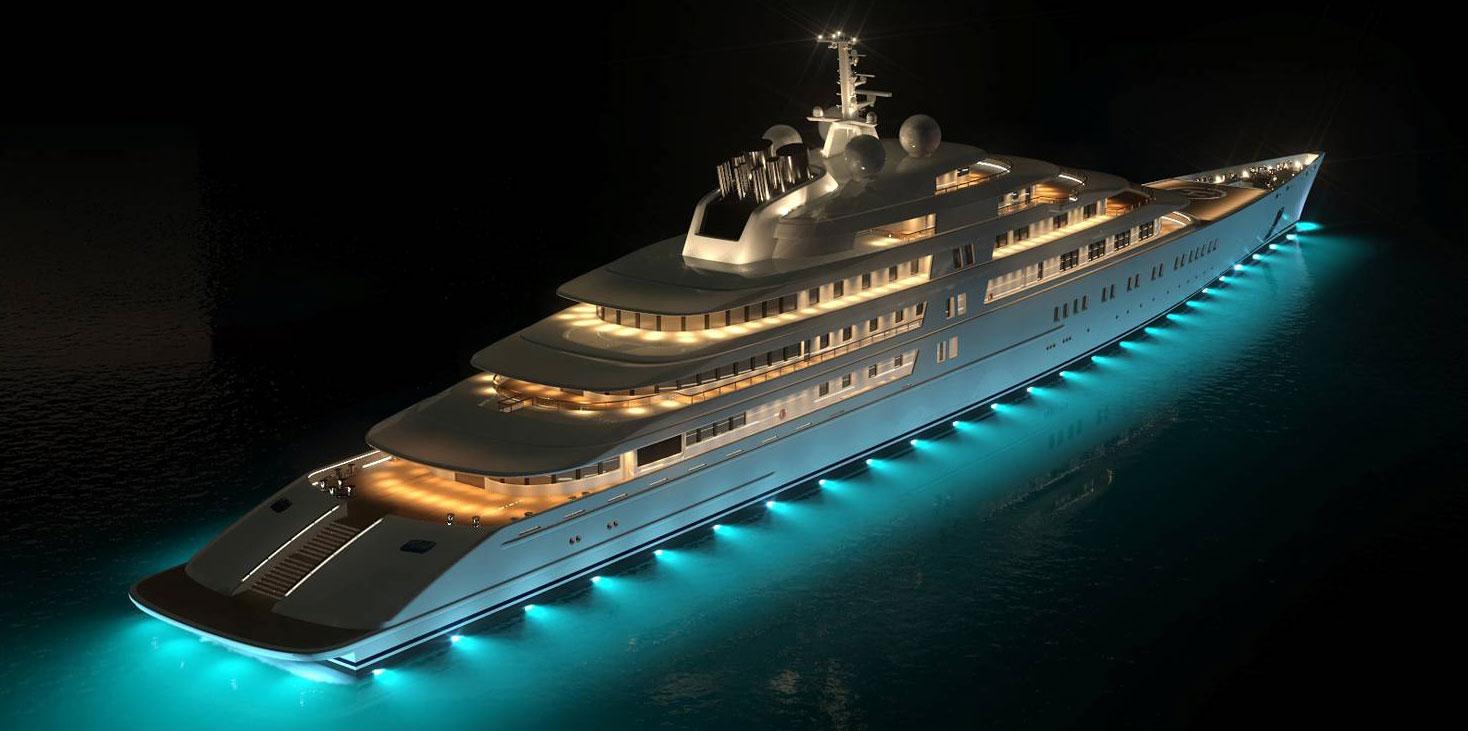
While there’s no single, globally mandated definition, the designation of “super yacht” or “mega yacht” primarily hinges on length, typically starting at 24 meters (approximately 79 feet). However, from a financial standpoint, this length threshold is merely the gateway to a universe of escalating costs that truly delineate a super yacht from a large recreational vessel. The sheer scale dictates a fundamentally different financial profile.
Beyond Length: The Cost of Entry
The initial purchase price is the most obvious financial differentiator. A new super yacht can range from tens of millions to hundreds of millions of dollars, with the most extravagant vessels exceeding half a billion. This price tag is influenced by a myriad of factors: the builder’s reputation, the yacht’s size, its construction materials (steel, aluminum, composite), the complexity of its engineering, the level of customization, and the sophistication of its interior design and onboard amenities. For instance, a 30-meter production yacht might cost $10-20 million, while a fully custom 80-meter yacht could easily surpass $100 million. This initial outlay is just the beginning; the cost of entry itself signals a distinct financial tier.
Depreciation and Asset Value
Unlike some real estate or rare art, super yachts generally do not appreciate in value. They are depreciating assets, much like luxury automobiles or private jets. The rate of depreciation can vary based on factors such as the builder’s prestige, the yacht’s condition, its maintenance history, and the state of the market. Typically, a significant portion of value can be lost in the first few years, with a gradual decline thereafter. Savvy buyers often look to the pre-owned market to mitigate initial depreciation, but even then, meticulous financial planning is required to account for future value erosion. Understanding this depreciation curve is crucial for any prospective owner considering a super yacht as an asset.
The Economics of Super Yacht Ownership
Owning a super yacht is not a one-time purchase; it is a continuous financial commitment with significant ongoing costs that demand a sophisticated understanding of luxury asset management. These expenses far exceed those of typical high-value possessions.
Acquisition Costs: Purchase vs. Charter
The decision to purchase or charter is a fundamental financial strategic choice. Outright purchase requires substantial capital upfront, often necessitating specialized high-net-worth financing solutions. This path offers complete freedom and control but ties up significant capital and incurs all ongoing expenses.
Alternatively, chartering allows individuals to experience the super yacht lifestyle without the colossal financial burden of ownership. Charter fees can range from $100,000 to over $1 million per week, depending on the yacht’s size, amenities, and location. While seemingly high, chartering avoids crew salaries, maintenance, insurance, and depreciation, making it an economically rational choice for those who do not require continuous access or wish to test the waters of yachting before committing to ownership. For prospective owners, chartering can also serve as an income stream to offset operational costs, transforming the vessel into a business asset.
Operational Expenses: A Continual Investment
Once acquired, the operational expenses of a super yacht can easily amount to 10-15% of its initial purchase price annually. This means a $50 million yacht could cost $5-7.5 million per year to run. These costs are diverse and unrelenting:
- Crew Salaries: A super yacht requires a professional crew, typically ranging from 8-10 members for a smaller super yacht to 50+ for a mega yacht. Salaries, benefits, and training represent a substantial recurring expense.
- Fuel: Super yachts consume vast quantities of fuel, especially during voyages. Fuel costs fluctuate significantly and can run into hundreds of thousands of dollars per season.
- Maintenance and Repairs: Regular maintenance is critical for safety, performance, and preserving value. This includes engine overhauls, hull painting, system checks, and general upkeep. Unexpected repairs can be costly and disruptive.
- Insurance: Comprehensive insurance coverage for hull, machinery, crew, and liability is mandatory and expensive, reflecting the high value of the asset and associated risks.
- Berthing and Dockage: Prime marina berths in desirable locations come at a premium, often costing thousands per night or hundreds of thousands annually. Winter storage and dry-docking add further expenses.
- Provisioning and Guest Services: Stocking the yacht with high-end food, beverages, and other supplies for owners and guests, along with concierge services, constitutes another significant variable cost.
- Regulatory Compliance and Surveys: Adhering to international maritime regulations, safety standards, and periodic surveys by classification societies incurs further financial obligations.
These continuous expenditures necessitate meticulous budgeting and professional financial management, often handled by dedicated yacht management companies.
Super Yachts as a Financial Tool or Status Symbol
The motivations behind super yacht ownership often blur the lines between pure financial investment and the acquisition of a unique lifestyle asset or ultimate status symbol. Understanding these drivers is key to grasping the financial context.
Lifestyle Investment vs. Financial Investment
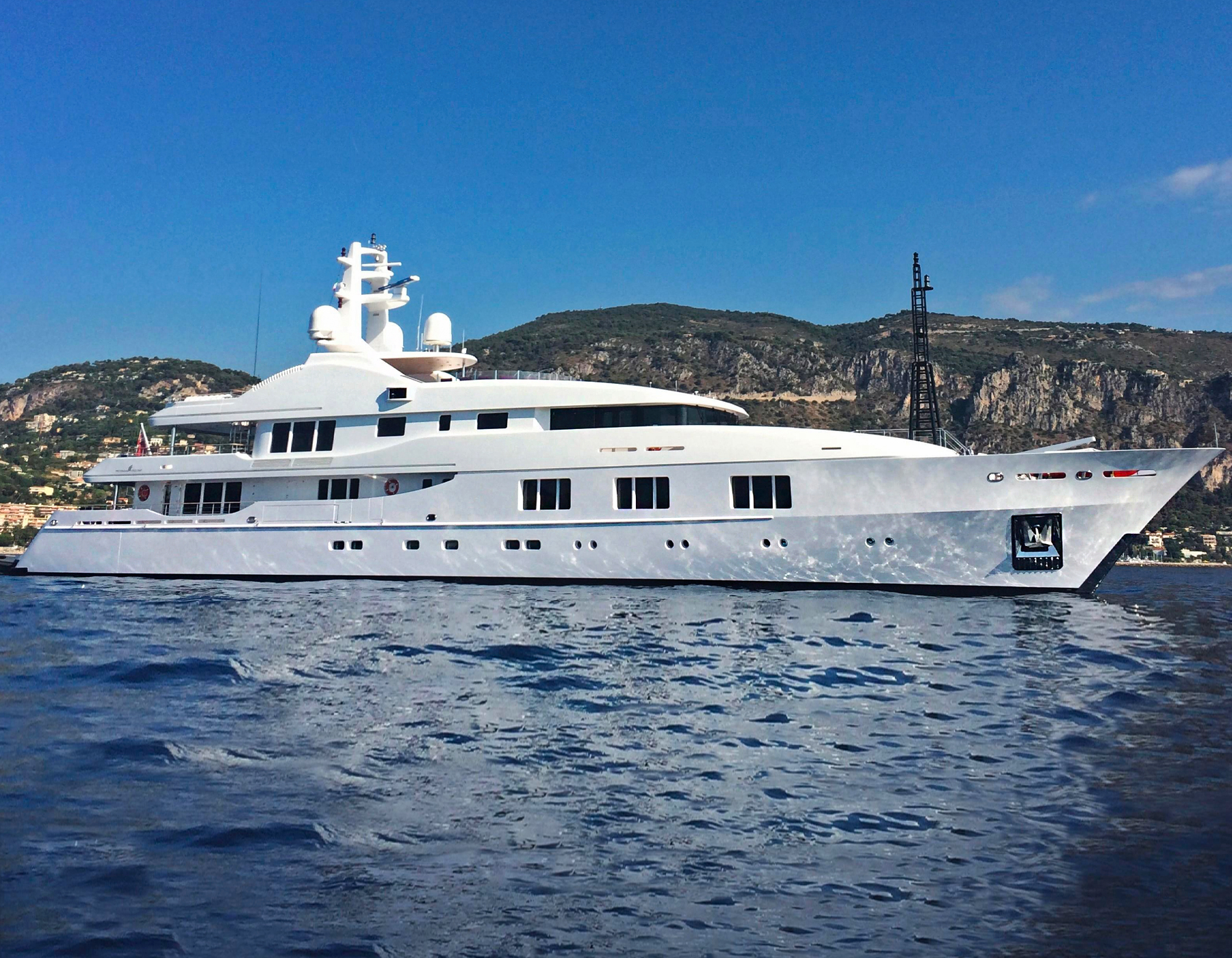
For the vast majority of owners, a super yacht is a lifestyle investment rather than a traditional financial one designed for capital appreciation. It offers unparalleled privacy, freedom, and the ability to travel the world in comfort and luxury. It’s a platform for family experiences, entertaining clients, or simply escaping the demands of public life. The “return on investment” is typically measured in terms of personal enjoyment, prestige, and unique experiences, not monetary gains. This perspective is critical because it frames the substantial ongoing costs as expenditures for a desired lifestyle, rather than outflows detracting from a profit-generating asset.
Chartering as an Income Stream
While primarily a lifestyle asset, a super yacht can be utilized to generate income through commercial chartering. Owners can make their vessel available for charter during periods when they are not using it. This strategy can help offset a portion of the significant operational costs, turning what would otherwise be a pure expense into a revenue-generating asset.
However, chartering also introduces its own set of financial and operational complexities. It requires additional certifications, commercial insurance, adherence to specific regulations, and a robust marketing and management infrastructure. The income generated rarely covers all expenses, especially for larger yachts, but it can significantly reduce the net cost of ownership and make the luxury more financially sustainable. The decision to charter transforms the yacht from a purely personal asset into a business venture, requiring financial modeling and a clear understanding of market demand.
Financing a Super Yacht: Options and Considerations
Acquiring a super yacht typically involves significant financing, often distinct from conventional lending. The scale of the asset, its international mobility, and its depreciation curve necessitate specialized financial products and considerations.
Specialized Yacht Financing
Traditional banks may offer financing for smaller luxury vessels, but super yacht financing often falls into a niche market served by private banks, specialized lenders, and financial institutions with expertise in high-value asset loans. These loans are usually tailored to ultra-high-net-worth individuals or corporations.
Key characteristics of super yacht financing include:
- High Loan-to-Value (LTV) Ratios: Often lower than traditional mortgages, requiring a substantial down payment (e.g., 20-50%).
- Longer Terms: Loan terms can extend for 10-20 years, spreading the financial burden.
- Floating Interest Rates: Often tied to benchmarks like LIBOR or Euribor, making payments subject to market fluctuations.
- Jurisdictional Complexity: Financing can be complicated by the yacht’s flag state, the owner’s residency, and the lender’s jurisdiction.
- Collateral Requirements: The yacht itself serves as collateral, but lenders may also require additional guarantees or liens on other assets.
Alternative Funding Strategies
Beyond direct loans, sophisticated financial strategies may be employed:
- Corporate Ownership: Holding the super yacht through a corporate structure (e.g., an offshore company) can offer tax advantages, privacy, and liability protection, but requires careful legal and financial planning.
- Lease-Purchase Agreements: Similar to corporate aircraft, some entities offer lease-purchase options that can provide tax efficiencies or flexibility.
- Syndicated Ownership: Though less common for super yachts than for private jets, fractional ownership or syndication could theoretically dilute the financial burden, though management becomes more complex.
- Refinancing: Owners may refinance their yacht loans to take advantage of lower interest rates or extract equity, much like real estate.
Each financing method comes with its own set of financial implications, tax consequences, and administrative overhead, requiring expert financial and legal counsel.
The Broader Economic Impact
Beyond the individual owner’s balance sheet, the super yacht industry contributes significantly to the global economy, generating wealth and employment across multiple sectors.
Industry Employment and Economic Contribution
The super yacht sector is a substantial employer. It supports thousands of highly skilled jobs in design, naval architecture, engineering, construction, interior outfitting, brokerage, management, crew services, provisioning, and maintenance. Shipyards specializing in super yachts are often major economic engines in their regions. Marinas, port services, and luxury service providers also benefit immensely from the presence and activities of super yachts. The economic ripple effect extends to local economies in popular cruising destinations, supporting tourism, hospitality, and retail.
Market Trends and Future Outlook
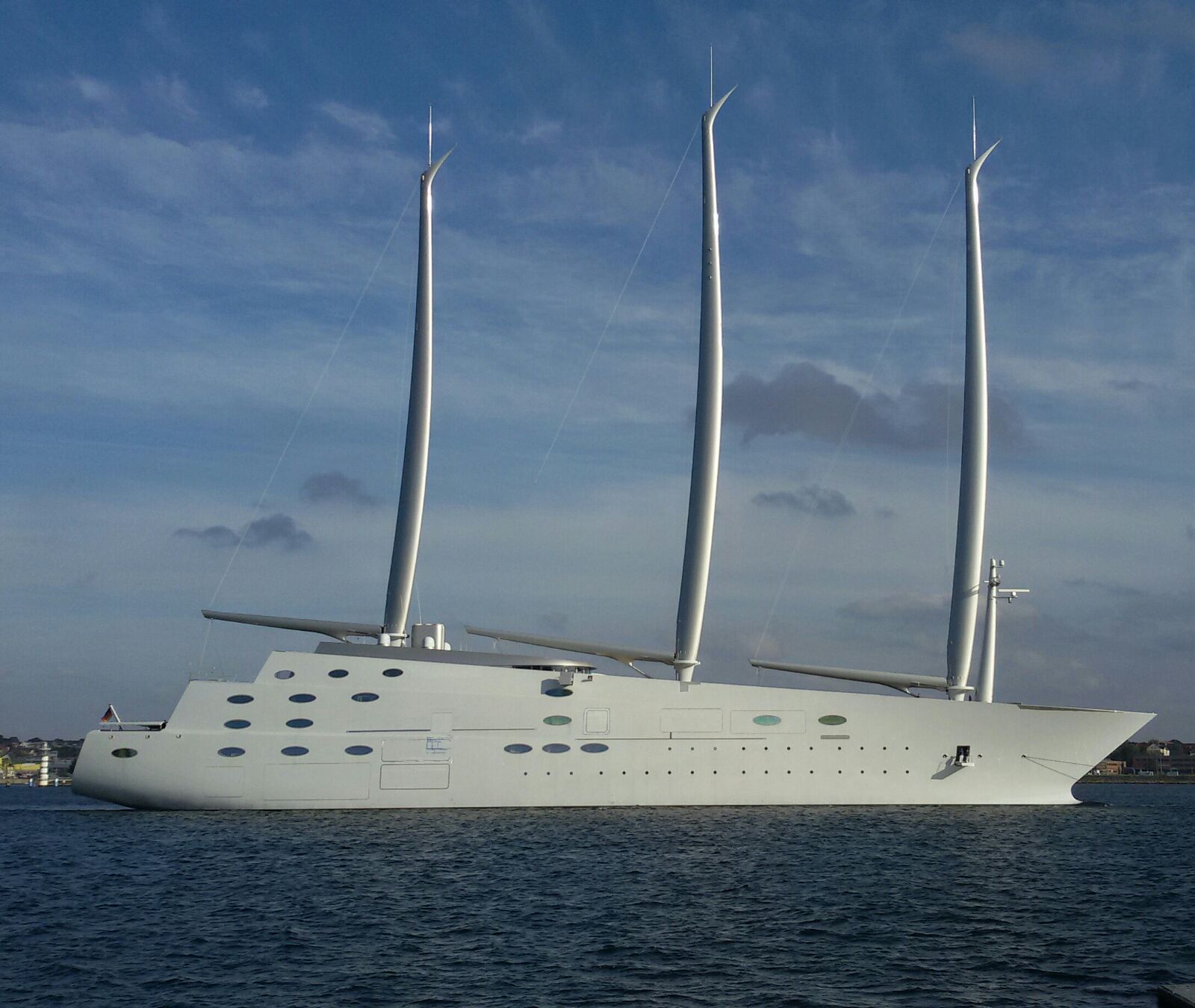
The super yacht market is often a barometer of global wealth distribution and economic confidence among ultra-high-net-worth individuals. Trends indicate a continued demand for larger, more environmentally friendly, and technologically advanced vessels. The market for new builds remains robust, particularly in the larger segments, while the brokerage market offers opportunities for discerning buyers.
The financial future of the super yacht industry is influenced by global economic growth, geopolitical stability, and evolving regulations (e.g., environmental standards, crew welfare). As wealth continues to concentrate globally, the demand for super yachts as both a personal luxury and a potential business asset is likely to persist, driving innovation and substantial financial activity within this exclusive sector. Understanding “what is a super yacht” from a purely financial lens reveals not just an object of desire, but a complex, high-value asset with significant economic implications for owners, the industry, and the broader luxury market.
aViewFromTheCave is a participant in the Amazon Services LLC Associates Program, an affiliate advertising program designed to provide a means for sites to earn advertising fees by advertising and linking to Amazon.com. Amazon, the Amazon logo, AmazonSupply, and the AmazonSupply logo are trademarks of Amazon.com, Inc. or its affiliates. As an Amazon Associate we earn affiliate commissions from qualifying purchases.