
In an increasingly digital world, the way we consume entertainment has undergone a profound transformation. Gone are the days when traditional broadcast television or physical media reigned supreme. Today, a significant portion of our viewing habits revolves around streaming content, and at the heart of this revolution lies a seemingly unassuming device: the streaming box. More than just a simple gadget, a streaming box serves as a crucial gateway, bridging the gap between internet-based content and the largest screen in our homes – the television.
The Evolution of Digital Entertainment
The concept of a streaming box is best understood within the broader context of how digital entertainment has evolved over the past few decades. The transition from linear, scheduled programming to an on-demand, personalized viewing experience has been driven by technological advancements and shifting consumer preferences.

From Broadcast to Broadband
For decades, television consumption was dictated by broadcast schedules. Viewers tuned in at specific times to watch their favorite shows, news, and movies. The advent of cable and satellite television offered more channels and niche content, but the fundamental model remained the same: a set schedule of programs delivered over a dedicated network. The internet, particularly the widespread adoption of high-speed broadband, shattered these limitations. Broadband connectivity enabled the efficient transfer of large data files, making it possible to stream video content directly to homes without significant buffering or quality loss. This laid the groundwork for a truly on-demand media landscape.
The Rise of On-Demand Content
The early 2000s saw the emergence of rudimentary online video platforms, but it was the rise of dedicated streaming services like Netflix, Hulu, and later Amazon Prime Video, Disney+, and countless others, that cemented the on-demand model. These services offered vast libraries of films, TV shows, documentaries, and original content, accessible at any time, on any compatible device. While initially accessible primarily via computers and mobile devices, the desire to bring this rich content back to the living room television created a significant market need for devices capable of seamlessly delivering internet-based video to larger displays. This is where the streaming box found its indispensable niche.
Core Functionality and Mechanics
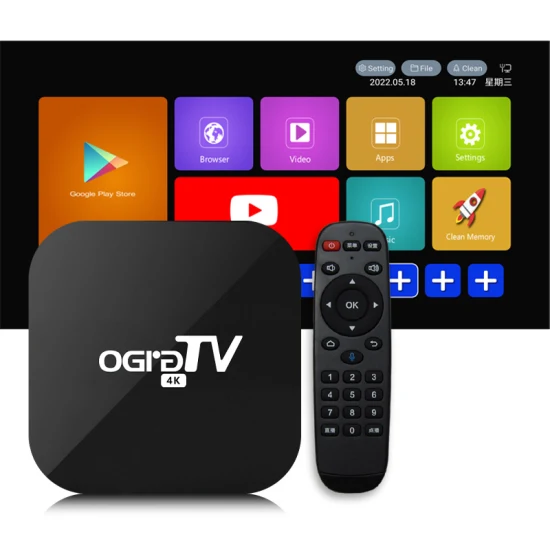
A streaming box, at its essence, is a compact computing device designed specifically to connect to a television and an internet network, enabling the playback of digital media from various online sources. While their form factors and interfaces may differ, their core function remains consistent.
How a Streaming Box Works
The operational principle of a streaming box is relatively straightforward. The device connects to your television, typically via an HDMI cable, and to your home internet network, either wirelessly via Wi-Fi or directly via an Ethernet cable. Once connected and configured, it provides access to a user interface (UI) through which you can launch various streaming applications. These apps, much like those on a smartphone, are portals to specific streaming services. When you select content, the streaming box initiates a data stream from the service’s servers over your internet connection, decodes the video and audio data, and then transmits it to your television for playback.
Key Components and Connectivity
Despite their small size, streaming boxes house several critical components that facilitate their function:
- Processor (CPU): This is the brain of the device, responsible for running the operating system, executing applications, and decoding video streams. More powerful processors allow for smoother navigation and support higher resolutions like 4K and 8K.
- Memory (RAM): Similar to a computer, RAM provides temporary storage for the operating system and running apps, ensuring responsive performance.
- Storage (Flash Memory): This is where the device’s operating system and installed applications reside. Some devices offer expandable storage, though most rely on cloud-based content access.
- Networking Hardware: Crucial for connectivity, this includes Wi-Fi modules (often supporting advanced standards like Wi-Fi 6 for faster speeds and better reliability) and sometimes an Ethernet port for wired connections.
- Video Output (HDMI): The standard interface for connecting to modern televisions, transmitting both video and audio signals. Newer boxes support HDMI 2.0 or 2.1 for 4K and HDR content.
- Power Supply: A dedicated power adapter or, in some cases, power via a USB port.
- Remote Control: Essential for navigation and input, often featuring voice control capabilities and dedicated buttons for popular streaming services.
Operating Systems and User Interfaces
Just like smartphones, streaming boxes run on specialized operating systems designed for media consumption. Popular examples include Roku OS, tvOS (Apple TV), Fire OS (Amazon Fire TV), and Google TV (formerly Android TV). These operating systems provide the graphical user interface, manage applications, and handle background processes. A well-designed UI is critical for ease of use, allowing users to effortlessly browse content, manage subscriptions, and switch between different streaming services. Many modern interfaces also incorporate personalization features, learning user preferences to suggest relevant content.
Types of Streaming Boxes and Devices
The market for streaming devices is diverse, offering various form factors, feature sets, and price points to suit different user needs and budgets. While the term “streaming box” often evokes a specific image, the category encompasses several types of hardware.
Dedicated Streaming Players
These are devices specifically engineered for streaming media and represent the archetypal “streaming box.” They typically come with their own remote controls and a dedicated user interface.
- Roku Devices: Known for their user-friendly interface and vast channel selection, Roku offers a range of devices from affordable streaming sticks to more powerful boxes and soundbars. Their platform is largely service-agnostic.
- Apple TV: Positioned as a premium streaming experience, Apple TV integrates deeply with the Apple ecosystem, offering access to Apple Arcade, Apple Fitness+, and seamless connectivity with other Apple devices. It runs on tvOS and boasts a powerful processor for apps and games.
- Amazon Fire TV Devices: These include sticks and cubes, running on Amazon’s Fire OS, which is based on Android. They integrate heavily with Amazon’s services (Prime Video, Alexa) and offer a wide range of apps. The Fire TV Cube notably combines a streaming box with an Echo smart speaker.
- Chromecast with Google TV: Evolving from the simple Chromecast dongle, devices with Google TV offer a full streaming interface, remote control, and powerful content aggregation across various services, all built on the Android TV platform.
- NVIDIA Shield TV: Often considered the most powerful dedicated streaming box, the Shield TV leverages NVIDIA’s gaming expertise to offer superior performance, AI-upscaling to 4K, and the ability to stream games, alongside its robust media capabilities.
Gaming Consoles as Streaming Hubs
Modern gaming consoles, such as Sony’s PlayStation (PS5, PS4) and Microsoft’s Xbox (Series X|S, One), have evolved beyond mere gaming machines. They are powerful multimedia centers, capable of running a wide array of streaming applications. Their high-performance hardware makes them excellent for 4K streaming, and their integration into existing entertainment setups makes them a convenient option for many gamers. While not their primary function, their robust app ecosystems make them viable streaming alternatives.
Smart TVs (Integrated Streaming)
While not “boxes” in the traditional sense, smart TVs have built-in streaming capabilities, effectively eliminating the need for an external device for basic streaming. Many smart TVs run operating systems like webOS (LG), Tizen (Samsung), Roku TV, or Android TV directly. For users primarily interested in accessing mainstream apps, a smart TV can provide a streamlined experience. However, external streaming boxes often offer more robust processing, faster updates, broader app support, or specific ecosystem advantages that integrated smart TV platforms might lack.
Benefits and Considerations for Users
Adopting a streaming box can significantly enhance a home entertainment setup, but it also comes with various practical considerations.
Access to Vast Content Libraries
The primary benefit of a streaming box is its ability to unlock an unparalleled universe of content. By consolidating access to services like Netflix, Hulu, Disney+, Max, Apple TV+, YouTube, Peacock, Paramount+, and numerous niche platforms, users can curate their ideal entertainment package. This eliminates the constraints of traditional linear television, offering content on demand, often in higher quality.
Enhanced User Experience and Features
Modern streaming boxes offer much more than just video playback. They deliver an enhanced user experience through:
- High-Resolution Support: Many devices support 4K Ultra HD resolution, HDR (High Dynamic Range) for vibrant colors and contrast, and even Dolby Vision and Dolby Atmos for cinematic audio.
- Voice Control: Integration with virtual assistants like Amazon Alexa, Google Assistant, or Apple’s Siri allows for hands-free searching, app launching, and playback control, greatly improving convenience.
- App Ecosystems: A rich app store offers not only streaming services but also games, utility apps, and even smart home control integration.
- Personalization: Advanced algorithms often learn viewing habits to provide tailored recommendations, helping users discover new content.
Cost-Effectiveness vs. Cable Subscriptions
One of the most compelling arguments for streaming boxes is the potential for significant cost savings compared to traditional cable or satellite TV subscriptions. By “cutting the cord” and opting for a combination of free ad-supported streaming services and a few paid subscriptions, households can drastically reduce their monthly entertainment expenses. The initial investment in a streaming box is often quickly recouped through these savings.
Connectivity and Internet Requirements
To function optimally, streaming boxes require a stable and sufficiently fast internet connection. For standard definition (SD) content, a few Mbps might suffice, but for high-definition (HD) streaming, 5-10 Mbps is recommended per stream. For 4K UHD content, especially with HDR, a minimum of 25 Mbps is generally advised, with higher speeds preferable for multiple users or simultaneous streaming. Wi-Fi stability is also crucial, and an Ethernet connection can offer greater reliability and speed for demanding users.
Data Privacy and Security Concerns
As with any internet-connected device, streaming boxes raise data privacy considerations. These devices collect usage data, which can be used for targeted advertising or service improvement. Users should be aware of the privacy policies of both the device manufacturer and the individual streaming services they use. Furthermore, ensuring the device’s software is kept up-to-date helps protect against potential security vulnerabilities.
The Future of Streaming Technology
The landscape of streaming technology is continuously evolving, driven by innovations in display technology, AI, and connectivity. Streaming boxes are poised to play an even more integrated role in our digital lives.
Advancements in Streaming Quality and Speed
The push for higher resolutions (8K), improved frame rates, and more immersive audio formats will continue. Streaming boxes will need to integrate more powerful processors and advanced decoding capabilities to handle these richer media streams. Furthermore, improvements in network infrastructure, such as 5G and Wi-Fi 7, will facilitate even faster and more reliable delivery of high-quality content, reducing buffering and enhancing the real-time viewing experience.
Integration with Smart Home Ecosystems
Streaming boxes are increasingly becoming central hubs within smart home ecosystems. Devices like the Amazon Fire TV Cube already combine streaming with smart speaker functionality. Future iterations are likely to offer deeper integration with smart lights, thermostats, security cameras, and other IoT devices, allowing users to control their entire smart home experience directly from their television screen or via voice commands to their streaming box.

Personalization and AI-Driven Recommendations
Artificial intelligence and machine learning will continue to refine the personalization of content. Future streaming boxes will likely offer even more sophisticated recommendation engines, predicting user preferences with greater accuracy and curating truly individualized viewing experiences across multiple platforms. This could extend to dynamic content delivery, where elements of a show or movie might subtly change based on viewer preferences or historical interactions.
In conclusion, a streaming box is far more than a simple electronic gadget; it is a pivotal component of modern entertainment, empowering users to access a universe of content on their own terms. As technology continues its relentless march forward, these devices will undoubtedly evolve, offering even more sophisticated features and a deeper integration into our connected homes, continually redefining how we consume and interact with digital media.
aViewFromTheCave is a participant in the Amazon Services LLC Associates Program, an affiliate advertising program designed to provide a means for sites to earn advertising fees by advertising and linking to Amazon.com. Amazon, the Amazon logo, AmazonSupply, and the AmazonSupply logo are trademarks of Amazon.com, Inc. or its affiliates. As an Amazon Associate we earn affiliate commissions from qualifying purchases.