
In the lexicon of maritime architecture, the “stern” is traditionally defined as the aft-most part of a ship or boat. To the casual observer, it is simply the “back” of the vessel. However, from a technological and engineering perspective, the stern is the most complex and critical region of a ship’s design. It is the nexus where propulsion systems, steering mechanisms, and hydrodynamic efficiency converge. As the maritime industry undergoes a digital and “green” revolution, the technology housed within and around the stern is being redefined by artificial intelligence, advanced materials science, and revolutionary propulsion dynamics.
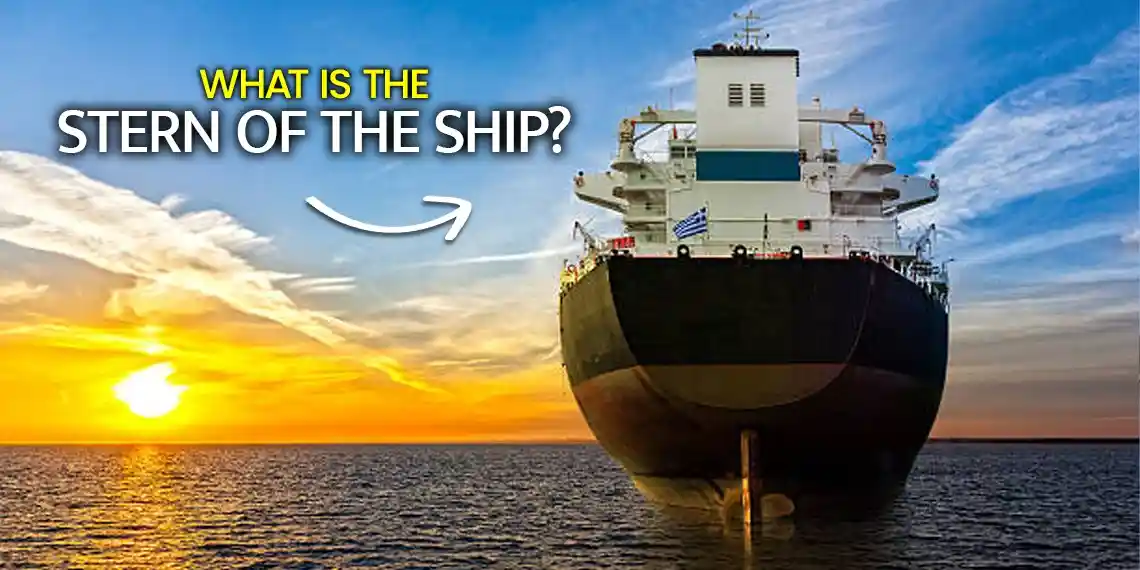
To understand what a stern is in the modern era, one must look beyond its structural definition and explore it as the technological engine room of the vessel.
1. The Architecture of the Aft: Hydrodynamics and Structural Engineering
The design of a ship’s stern is not merely an aesthetic choice; it is a calculated engineering decision dictated by Computational Fluid Dynamics (CFD). The shape of the stern determines how water flows away from the hull, which directly impacts fuel efficiency, speed, and the vessel’s overall carbon footprint.
The Physics of Stern Shapes
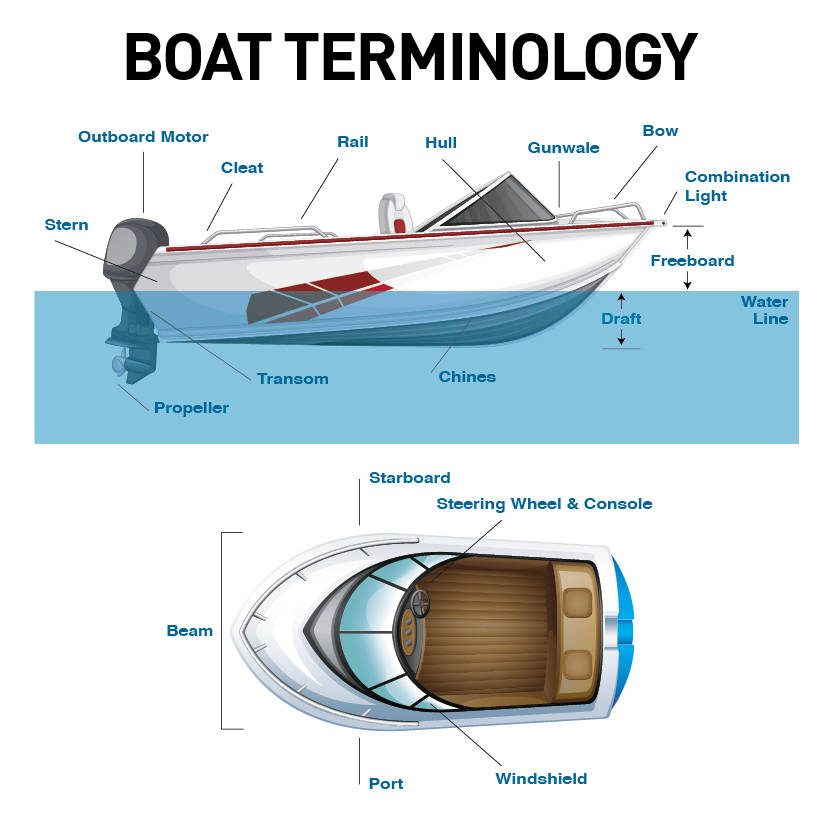
Historically, sterns were categorized into two main types: the “transom” stern (flat-surfaced) and the “cruiser” stern (rounded). In the tech-heavy landscape of modern shipbuilding, these designs have evolved. The transom stern is now engineered using high-level algorithms to create a “cutoff” point that reduces resistance at high speeds. For massive container ships, the “spoon” or “bulbous” stern designs are simulated in virtual environments to minimize the “wake fraction”—the turbulence created as the ship moves through the water. By optimizing the flow of water into the propellers, engineers can increase efficiency by up to 5%, a massive margin in global logistics.
Materials Science and Structural Integrity
The stern must withstand immense vibrational stress from the engines and propellers. Modern maritime tech utilizes high-tensile steel alloys and, increasingly, carbon-fiber composites in smaller, high-speed craft. Digital structural health monitoring (SHM) systems are now embedded within the stern’s frame. These sensors use IoT (Internet of Things) technology to provide real-time data on stress loads and metal fatigue, allowing for predictive maintenance that prevents catastrophic failures before they occur.
2. Propulsion Systems: The Technological Heart of the Stern
If the bow is the “brain” that cuts through the waves, the stern is the “heart” that provides the pulse. The most significant technological advancements in the maritime sector are located here, shifting from traditional fixed-shaft propellers to modular, digitalized propulsion units.
The Rise of Azipod Technology
One of the most transformative technologies in the stern’s evolution is the Azipod propulsion system. Traditional ships use a fixed propeller and a separate rudder for steering. An Azipod, however, is a localized power unit at the stern that can rotate 360 degrees. This eliminates the need for a rudder and significantly increases maneuverability. From a tech standpoint, Azipods are integrated with sophisticated software that allows for “Dynamic Positioning,” where a ship can remain perfectly stationary in rough seas using GPS data and micro-adjustments of the stern units.
Electric and Hybrid Integration
As the industry moves away from heavy fuel oils, the stern is being re-engineered to accommodate electric motors and battery arrays. Unlike internal combustion engines that require massive shafts running through the ship, electric “plug-and-play” units at the stern allow for more flexible hull designs. This shift is supported by advanced Power Management Systems (PMS), which are AI-driven software suites that balance the load between generators and the propulsion units at the stern to ensure peak energy efficiency.
Propeller Innovation and Cavitation Control
The propeller, located at the very base of the stern, is a marvel of precision engineering. “Cavitation”—the formation of vapor bubbles that can erode metal—is a constant tech challenge. Modern propellers are designed using 3D-printing (additive manufacturing) to create complex geometries that were previously impossible to cast. These designs are paired with “propeller boss cap fins” (PBCF), a tech add-on that breaks up the hub vortex, recovering energy and reducing underwater noise pollution.
3. Digital Navigation and Autonomous Control at the Stern
The stern is no longer just a passive part of the hull; it is an active participant in the ship’s digital ecosystem. The integration of sensors and automated control systems has turned the aft section into a data-gathering hub.
Integrated Steering and AI Autopilots
In modern vessels, the rudder (located at the stern) is controlled by an Integrated Bridge System (IBS). This tech links the rudder’s hydraulic actuators to satellite navigation and AI-driven pathfinding algorithms. These systems can predict weather patterns and current shifts, adjusting the stern’s steering angle by fractions of a degree to maintain the most fuel-efficient course. This level of precision is the groundwork for the next generation of autonomous ships, where the “stern tech” will operate entirely without human intervention.
Sensor Arrays and Digital Twins
To optimize performance, engineers create a “Digital Twin” of the ship—a virtual replica that exists in the cloud. Sensors located in the stern’s stern tube, bearings, and seals feed real-time data to this digital twin. By analyzing the “vibration signature” of the stern, machine learning algorithms can detect if a bearing is wearing out or if the propeller has been fouled by marine growth. This data-driven approach shifts ship maintenance from a reactive “fix it when it breaks” model to a proactive, tech-centric strategy.
4. Environmental Tech: The Stern as a Gateway to Sustainability
With the International Maritime Organization (IMO) setting strict limits on carbon emissions, the stern has become the primary location for “Green Tech” installations. These technologies are designed to remediate the environmental impact of shipping.
Energy Saving Devices (ESDs)
Engineers are now retrofitting ship sterns with a variety of Energy Saving Devices. These include “Wake Equalizing Ducts” (WEDs)—large nozzles fitted in front of the propeller that streamline the water flow. Another high-tech addition is “Air Lubrication Systems.” These systems release a carpet of tiny air bubbles from the bottom of the hull, starting near the bow but heavily influenced by the suction at the stern. This reduces skin friction between the hull and the water, allowing the ship to glide more efficiently.
Scrubbers and Emission Monitoring
In many cargo ships, the stern houses the “scrubber” systems within the funnel area (often located toward the aft). These are chemical plants that wash sulfur oxides out of the exhaust gases. Technological advancements have made these units more compact and integrated with “Continuous Emissions Monitoring Systems” (CEMS). These digital monitors transmit emission data directly to regulatory bodies via satellite, ensuring global compliance with environmental standards.
Underwater Radiated Noise (URN) Reduction
Technology is also being used at the stern to address “noise pollution.” The vibration of propellers at the stern creates underwater noise that disrupts marine life. New “silent” tech involves the use of skewed propeller blades and air-injection systems around the stern to dampen sound waves. This is a critical area of research for tech companies specializing in “blue ocean” sustainability.
Conclusion: The Stern as a Digital Hub
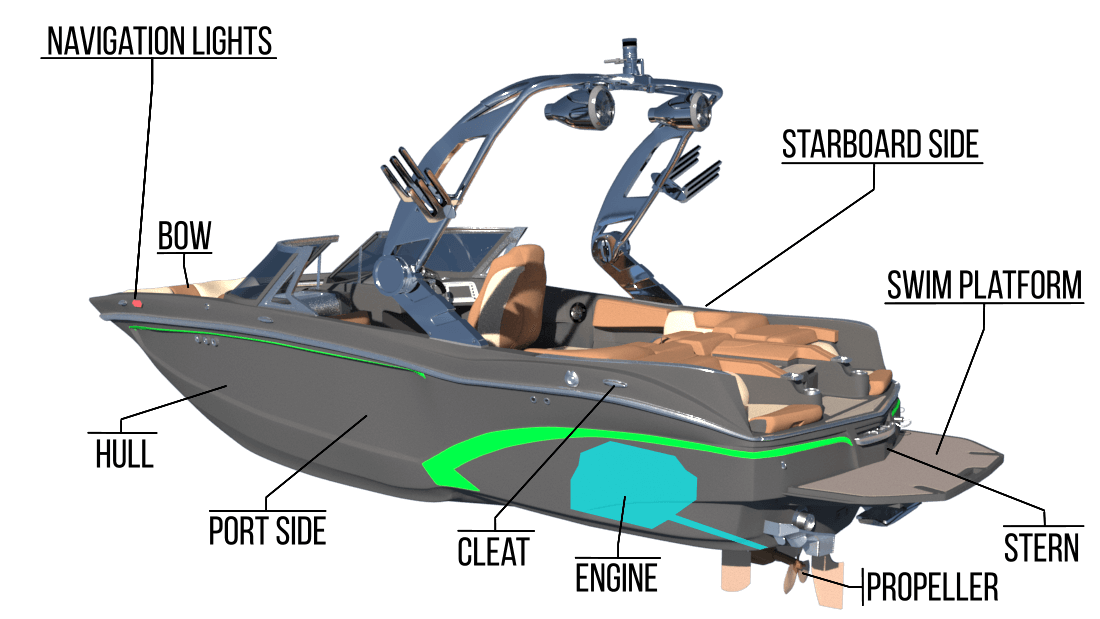
What is a stern on a ship? In the modern context, it is far more than the rear of a vessel. It is a sophisticated technological platform that houses the world’s most advanced propulsion, steering, and environmental systems. From the AI that controls its rudders to the 3D-printed alloys of its propellers, the stern represents the cutting edge of maritime engineering.
As we move toward a future of autonomous, zero-emission shipping, the stern will continue to be the focal point of innovation. It is the site where data meets the ocean, and where the digital transformation of the shipping industry is most visible. For those looking to the future of global trade and technology, all eyes should be on the stern.
aViewFromTheCave is a participant in the Amazon Services LLC Associates Program, an affiliate advertising program designed to provide a means for sites to earn advertising fees by advertising and linking to Amazon.com. Amazon, the Amazon logo, AmazonSupply, and the AmazonSupply logo are trademarks of Amazon.com, Inc. or its affiliates. As an Amazon Associate we earn affiliate commissions from qualifying purchases.