
The term “stepsister” is deeply rooted in the evolution of family structures and the societal norms that have shaped them. Understanding the nuances of this relationship requires delving into the historical context of marriage, divorce, remarriage, and the legal frameworks that define family ties. While the term itself is straightforward, the complexities that arise within blended families often necessitate a deeper exploration of its implications, particularly in legal and financial contexts.
The Legal and Familial Definition of a Stepsister
At its core, the definition of a stepsister is familial and often legally recognized, though the extent of legal rights and responsibilities can vary. This relationship is established through the remarriage of one or both parents to individuals who already have children.

Defining the Blended Family Structure
The rise of blended families, also known as stepfamilies, is a significant demographic shift that has redefined traditional family models. A blended family is formed when one or both partners in a marriage or partnership bring children from previous relationships into the new union. This can lead to a variety of configurations: a single stepparent with children, a stepparent with their own biological children and stepchildren, or even a situation where both partners have children from prior relationships. The “stepsister” is a direct product of this dynamic. When your mother or father remarries, and their new spouse has a daughter, that daughter becomes your stepsister. Conversely, if you have a sister and one of your parents remarries a person with a daughter, that daughter becomes your stepsister. The reverse of this relationship, from the stepsister’s perspective, is that you would be her stepbrother or stepsister. This simple familial connection, however, can blossom into a deeply significant bond, or it can remain a more distant acquaintance, depending on the dynamics within the household and the individuals involved.
Legal Standing and Parental Rights
The legal standing of a stepsister is primarily defined by her relationship to her stepparent. In many jurisdictions, a stepparent does not automatically acquire the same legal rights and responsibilities as a biological parent. This typically includes aspects like custody, inheritance, and financial support. However, legal frameworks are evolving, and in some cases, stepparents can pursue legal adoption of their stepchildren, thereby granting them full parental rights and responsibilities, and effectively making the stepsister a legal daughter. Without adoption, the legal ties between a stepsister and her stepparent are often limited. Divorce or the death of a biological parent can further complicate these legal dynamics, potentially affecting visitation rights, guardianship, and access to family resources. The legal definition is crucial when considering matters such as inheritance, where intestate succession laws often prioritize biological or legally adopted children.
The Social and Emotional Dynamics of a Stepsister Relationship
Beyond the legal definitions, the relationship between stepsisters is often characterized by a complex interplay of social and emotional factors. Navigating a new family structure can present unique challenges and opportunities for bonding.
Building Bridges and Navigating New Relationships
The initial stages of a stepsister relationship can be akin to forming a friendship under unusual circumstances. There’s an immediate proximity and a shared familial connection, but the foundation of the relationship is built on the union of their respective parents. Building rapport requires effort from both stepsisters and their parents to foster an inclusive and supportive environment. This can involve shared activities, open communication, and a conscious effort to treat each other with respect and consideration. The absence of a shared childhood history can sometimes create a sense of disconnect, but it also offers a blank slate for creating new memories and shared experiences. Understanding and empathy are key, as each stepsister may be dealing with their own feelings about their parent’s remarriage, changes in family dynamics, and adjustments to a new living situation.
The Impact of Parental Relationships on Stepsister Bonds
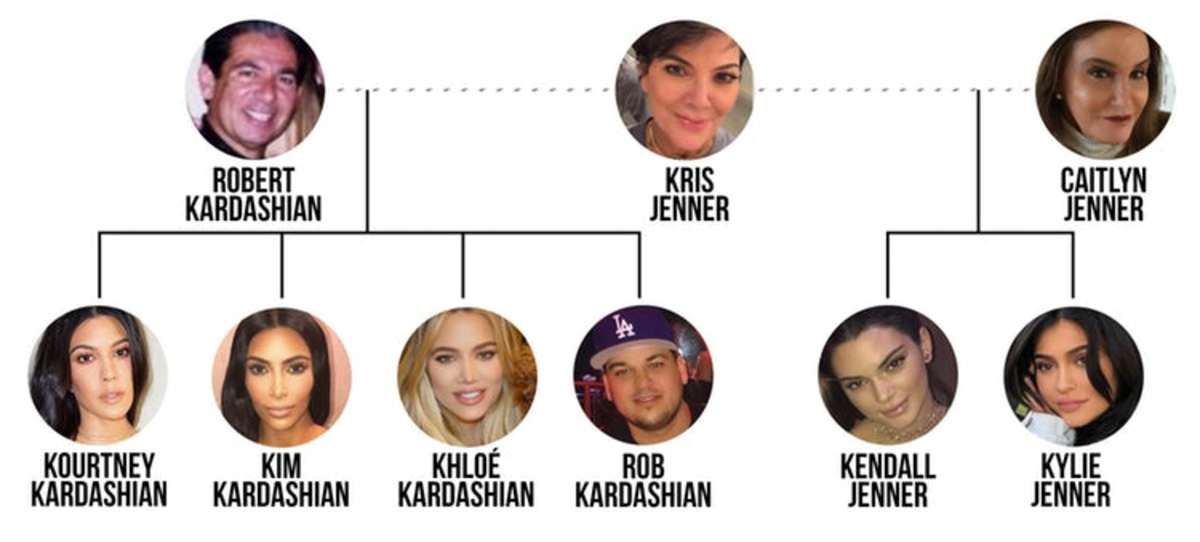
The health and quality of the parental relationships within the blended family significantly influence the dynamics between stepsisters. When stepparents and biological parents maintain positive, cooperative relationships, it creates a more stable and harmonious environment for the children. This cooperation can translate into a more relaxed and natural development of stepsister bonds. Conversely, conflict between parents, such as ongoing disputes over custody or finances, can place stepsisters in difficult positions, potentially forcing them to choose sides or feel caught in the middle. Their relationship can become strained or even adversarial if they perceive one parent to be favored over the other. Fostering open communication between all family members, including the stepsisters, is essential to navigate these challenges and build strong, lasting connections.
Evolving Perceptions and Terminology
The understanding and usage of terms like “stepsister” have evolved over time, reflecting broader societal changes in family structures and attitudes.
Historical Context and Changing Family Norms
Historically, remarriage, particularly after widowhood, was common. However, the modern rise of blended families is also heavily influenced by increased divorce rates and a greater acceptance of diverse family formations. The traditional nuclear family is no longer the sole or dominant model. This shift means that terms like “stepsister” are becoming more commonplace, and the relationships they describe are more widely understood and accepted. The stigma that might have once been associated with stepfamilies is gradually diminishing, leading to a more nuanced appreciation of the bonds formed within them. The concept of “family” is increasingly defined by love, support, and shared commitment rather than solely by biological ties.
The Nuance of “Sister” in a Blended Family
While the term “stepsister” clearly defines the relationship through a marital connection, many individuals in these relationships develop bonds as close as, or even closer than, those with biological siblings. This leads to a fluid use of terminology. It’s not uncommon for stepsisters to refer to each other simply as “sister” once a deep emotional connection has been forged. This linguistic evolution reflects the reality that familial love and belonging are not solely determined by blood. The emotional and supportive aspects of a relationship can supersede the formal title. The journey from being “stepsisters” to “sisters” is a testament to the power of human connection and the ability of individuals to create their own definitions of family.
Financial and Legal Considerations for Stepsisters
While the emotional bonds are paramount, understanding the financial and legal implications associated with being a stepsister is important, especially as individuals transition into adulthood.
Inheritance and Estate Planning
Without legal adoption, a stepsister typically has no automatic inheritance rights to her stepparent’s estate under standard intestacy laws. This means that if a stepparent passes away without a will, their assets will generally pass to their biological children, spouse, or other legal heirs, not to their stepchildren. This underscores the importance of comprehensive estate planning. Stepparents who wish to provide for their stepsisters in their will must explicitly include them in their estate planning documents. This could involve setting up trusts, naming them as beneficiaries in life insurance policies, or drafting a will that clearly outlines their intentions. Open communication about estate plans within the family can prevent future disputes and ensure that everyone’s wishes are understood and respected.

Financial Support and Emancipation
The legal obligation for financial support typically ends when a child reaches the age of majority, usually 18 or 21, depending on the jurisdiction and circumstances. For a stepsister, this financial responsibility generally lies with her biological parents. However, stepparents may voluntarily choose to provide financial support for their stepchildren’s education or other needs. In some specific legal situations, such as when a stepparent has actively assumed parental responsibility and the biological parents are absent or unable to provide support, a court might order financial obligations. Emancipation, a legal process where a minor is declared an adult before the age of majority, can also affect financial responsibilities, though this is less common in stepsister dynamics unless specific circumstances lead to a formal legal separation from the stepparent. Navigating these financial and legal aspects requires an understanding of local laws and often consultation with legal professionals to ensure clarity and fairness for all parties involved.
aViewFromTheCave is a participant in the Amazon Services LLC Associates Program, an affiliate advertising program designed to provide a means for sites to earn advertising fees by advertising and linking to Amazon.com. Amazon, the Amazon logo, AmazonSupply, and the AmazonSupply logo are trademarks of Amazon.com, Inc. or its affiliates. As an Amazon Associate we earn affiliate commissions from qualifying purchases.