
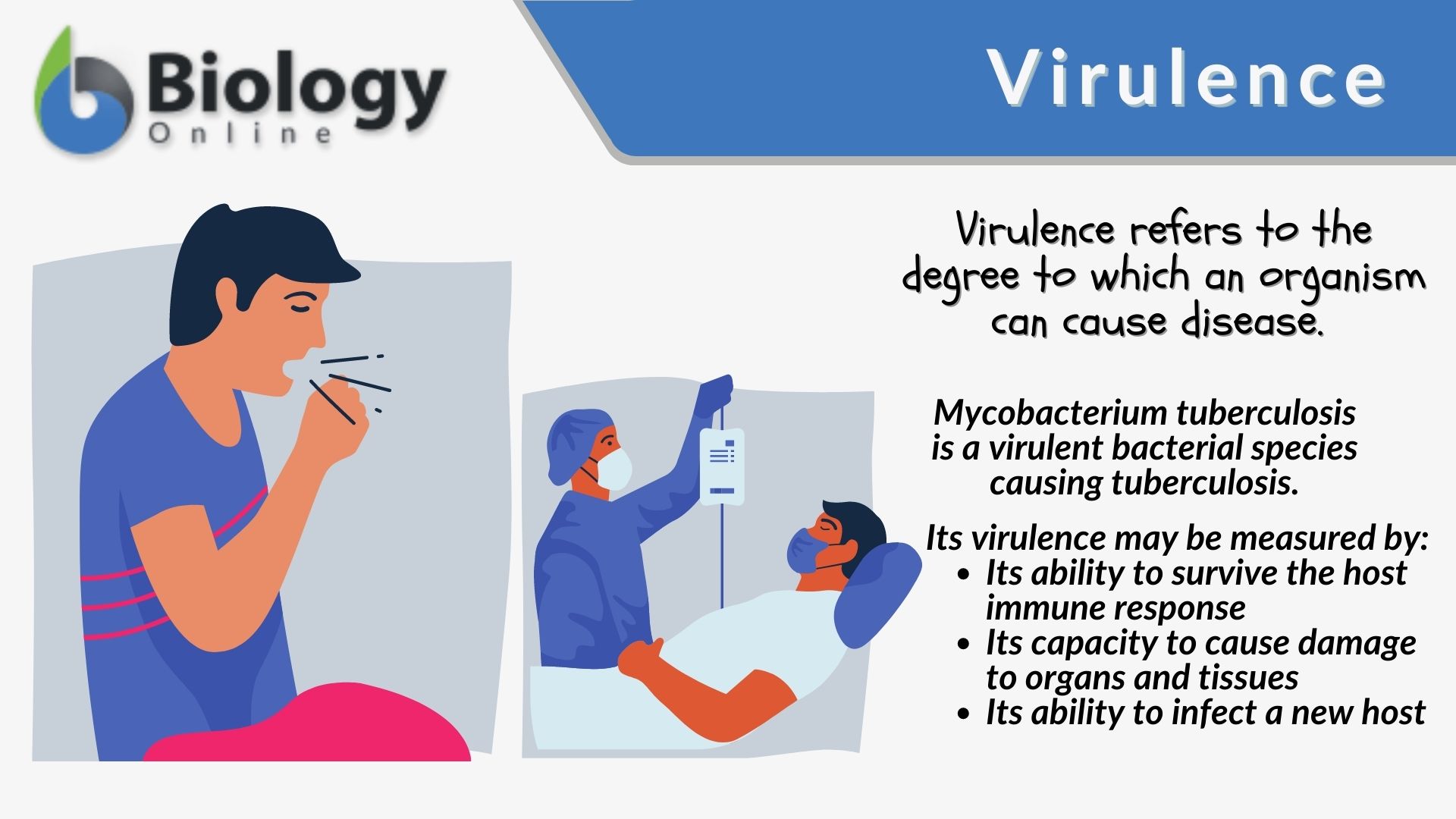
In the biological world, virulence factors are the specific traits or molecules that allow a pathogen to infect a host, evade the immune system, and cause disease. In the rapidly evolving landscape of cybersecurity, this biological metaphor has become an essential framework for understanding modern malware and advanced persistent threats (APTs). When we ask, “What are virulence factors?” in a technological context, we are examining the specific technical attributes that determine a cyber threat’s ability to infiltrate a network, remain undetected, and maximize its destructive potential.
Just as a virus uses protein spikes to attach to human cells, digital pathogens use specialized code, exploits, and social engineering to latch onto enterprise systems. Understanding these digital virulence factors is critical for IT professionals, security analysts, and digital security leaders who aim to build resilient infrastructures capable of withstanding the most aggressive cyber “infections.”

Decoding the Anatomy of Digital Pathogens
To understand how a digital threat operates, we must first analyze its “pathogenesis”—the process by which it establishes itself within a target environment. Digital virulence is not a single characteristic; it is a suite of capabilities that work in tandem to breach defenses.
Initial Access: The “Adhesion” Phase
In biology, the first step of infection is adhesion. In tech, this translates to initial access. A virulent piece of malware must have a robust delivery mechanism. This often involves sophisticated phishing campaigns that utilize psychological triggers to bypass the “human firewall.” High-virulence threats often leverage zero-day exploits—vulnerabilities in software that are unknown to the vendor—to gain entry without requiring any user interaction. The “stickiness” of a cyber threat depends on its ability to find an unpatched entry point or a credential leak, marking the beginning of the infection cycle.
Persistence: Establishing a Permanent Foothold
A low-virulence threat is easily purged by a simple system reboot or a standard antivirus scan. Conversely, high-virulence malware focuses on persistence. This involves modifying registry keys, creating scheduled tasks, or embedding malicious code into the BIOS/UEFI firmware. By establishing persistence, the digital pathogen ensures that it can survive system updates and security patches, remaining active within the host environment for weeks, months, or even years. This long-term presence is a hallmark of espionage-focused threats, where the goal is silent observation rather than immediate destruction.
Privilege Escalation: Gaining Control
Once inside, a threat is often restricted by the limited permissions of the user account it compromised. Virulence factors in this stage include “exploit kits” designed to escalate privileges. By exploiting kernel-level vulnerabilities, the malware can gain administrative or “root” access. This allows the digital pathogen to disable security software, install additional payloads, and access sensitive areas of the network that are usually off-limits to standard users.
Technical Attributes of High-Virulence Malware
Beyond just entering a system, the efficacy of a cyber threat is measured by its “virulence factors”—the specific tools it uses to survive and spread. These are the technical features that separate a nuisance script from a catastrophic breach.
Evasion Techniques: The Art of Digital Camouflage
Modern security tools use signature-based detection and behavioral analysis to spot threats. To counter this, virulent malware employs advanced evasion techniques. One such factor is “obfuscation,” where the code is scrambled or encrypted to make it unreadable to static analysis tools. Another is “polymorphism,” where the malware constantly changes its own code to avoid having a consistent digital signature.
Furthermore, “anti-sandboxing” techniques allow malware to detect if it is being run in a virtualized test environment. If the malware detects it is being watched by a security researcher, it will remain dormant or execute benign tasks, only revealing its true “virulence” when it is safely inside a live corporate network.
Lateral Movement and Propagation
The virulence of a biological virus is often judged by its R-naught (reproduction number). In tech, this is the capability for lateral movement. Once a single workstation is infected, how quickly can the threat move to the server room or the cloud environment?
Virulent threats use automated scanning tools to identify other vulnerable devices on the same network. They may use protocols like SMB (Server Message Block) or RDP (Remote Desktop Protocol) to hop from one machine to another. This “worm-like” behavior was famously demonstrated by the WannaCry and NotPetya attacks, which utilized the EternalBlue exploit to spread across global networks in a matter of hours, paralyzing entire industries.

Stealth and “Living Off the Land” (LotL)
One of the most dangerous virulence factors today is the shift toward “fileless” malware. Instead of downloading a malicious executable file that an antivirus could flag, these threats “live off the land” by using legitimate system tools like PowerShell or Windows Management Instrumentation (WMI). Because these tools are trusted by the operating system, the malicious activity is hidden within the noise of normal administrative tasks. This makes the threat nearly invisible to traditional security perimeters.
Measuring the Impact: From Data Exfiltration to Ransomware
The ultimate measure of a threat’s virulence is its “pathogenicity”—its ability to cause actual damage to the business or individual. Depending on the attacker’s goals, this impact can manifest in several devastating ways.
Payload Severity and the Destruction of Integrity
The “payload” is the portion of the malware that performs the malicious action. In ransomware, the virulence factor is a high-speed, military-grade encryption algorithm that locks files before the IT team can react. In wiper malware, the goal is the total destruction of data, rendering systems unbootable. The severity is measured by the speed of execution and the difficulty of recovery. A highly virulent payload doesn’t just steal data; it destroys the integrity of the digital environment, forcing organizations into costly downtime and recovery efforts.
The Role of Artificial Intelligence in Enhancing Virulence
We are entering a new era where AI itself is becoming a virulence factor. Threat actors are using Large Language Models (LLMs) to craft perfectly tailored phishing emails that are indistinguishable from legitimate corporate communications. Furthermore, AI-driven malware can adapt its behavior in real-time based on the defenses it encounters. This “automated virulence” allows a threat to mutate its tactics on the fly, significantly increasing the success rate of complex attacks against well-defended targets.
Exfiltration and the “Silent Infection”
Not all virulent threats are loud. In many cases, the most dangerous factors are those that facilitate the silent exfiltration of intellectual property. These threats use “low and slow” data transfer techniques to avoid triggering network traffic alarms. By mimicking standard HTTP or DNS traffic, they can funnel gigabytes of proprietary data out of an organization over a period of months. In this context, virulence is defined by the ability to remain a “persistent threat” without ever being detected.
Defensive Strategies: Neutralizing Virulence Factors
Just as medicine uses vaccines and antibiotics to counter biological virulence, the tech industry uses a layered defense strategy to neutralize digital pathogens. Protecting a digital ecosystem requires a shift from reactive security to proactive resilience.
Implementing Zero Trust Architecture
The most effective way to neutralize the virulence factors of lateral movement and privilege escalation is through a Zero Trust Architecture (ZTA). In a Zero Trust model, the network assumes that every user and device—both inside and outside the perimeter—is a potential threat. By enforcing “least privilege” access and requiring continuous authentication, organizations can “quarantine” different segments of their network. Even if a virulent threat gains initial access, its ability to spread is severely limited by the internal walls of the Zero Trust framework.
AI-Driven Threat Hunting and Remediation
To counter AI-enhanced malware, defenders must use AI-enhanced security tools. Modern Endpoint Detection and Response (EDR) and Managed Detection and Response (MDR) platforms use machine learning to identify the “behavioral markers” of virulence. Instead of looking for a specific file, these tools look for suspicious patterns—such as an unusual number of file encryptions or an unauthorized attempt to access the kernel. This allows security teams to identify and neutralize a pathogen in the “incubation” phase, before it can deploy its destructive payload.
Digital Hygiene and Patch Management
Finally, the most basic defense against virulence is the elimination of the “host’s” vulnerabilities. A rigorous patch management schedule ensures that the exploits malware relies on are closed before they can be used. Furthermore, employee training and “security culture” act as a digital immune system, reducing the likelihood of successful social engineering. By hardening the digital environment, organizations make it significantly harder for even the most virulent threats to find a foothold.
Conclusion
In the world of technology, virulence factors are the invisible engine behind every successful cyberattack. They are the mechanisms of entry, the disguises used for evasion, and the weapons used for destruction. By understanding these factors—from the way malware achieves persistence to the way it leverages AI for mutation—digital security professionals can better anticipate and intercept threats.
As cyber pathogens continue to evolve, our “digital medicine” must evolve alongside them. The battle against digital virulence is not a one-time event but a continuous process of adaptation, requiring a deep understanding of the technical traits that make modern threats so effective. In the end, a resilient digital strategy is one that recognizes the anatomy of the threat and builds a robust, multi-layered defense to neutralize it at every stage of the infection lifecycle.
aViewFromTheCave is a participant in the Amazon Services LLC Associates Program, an affiliate advertising program designed to provide a means for sites to earn advertising fees by advertising and linking to Amazon.com. Amazon, the Amazon logo, AmazonSupply, and the AmazonSupply logo are trademarks of Amazon.com, Inc. or its affiliates. As an Amazon Associate we earn affiliate commissions from qualifying purchases.