
In the vast and intricate landscape of modern technology, clarity and standardization are paramount. At the heart of many digital operations lie identifiers that, while seemingly simple, are crucial for system efficiency, data integrity, and global connectivity. Among these, the “state code” emerges as a multifaceted concept, playing a vital role in everything from database management and logistical planning to telecommunications and user experience. Far from being a mere abbreviation, a state code, in a technological context, represents a standardized data element designed to uniquely identify a specific sub-national geographical, administrative, or operational division. It is the silent workhorse that ensures accurate data processing, seamless communication, and intelligent system behavior across diverse platforms and applications.
This exploration will delve into the various manifestations of state codes within technology, their profound impact on data standardization and interoperability, the technical strategies for their implementation, and the challenges associated with their management. We will also cast an eye towards their evolving role in an increasingly data-driven and interconnected world.
Understanding the “State” in State Code: A Technical Perspective
The term “state code” encompasses a range of standardized identifiers that, at their core, serve to categorize and uniquely represent distinct sub-national entities. While the most common association might be with geographical regions, the technical application of “state” extends to various statuses or conditions within a system.
Geographical State Codes: Pinpointing Locations Digitally
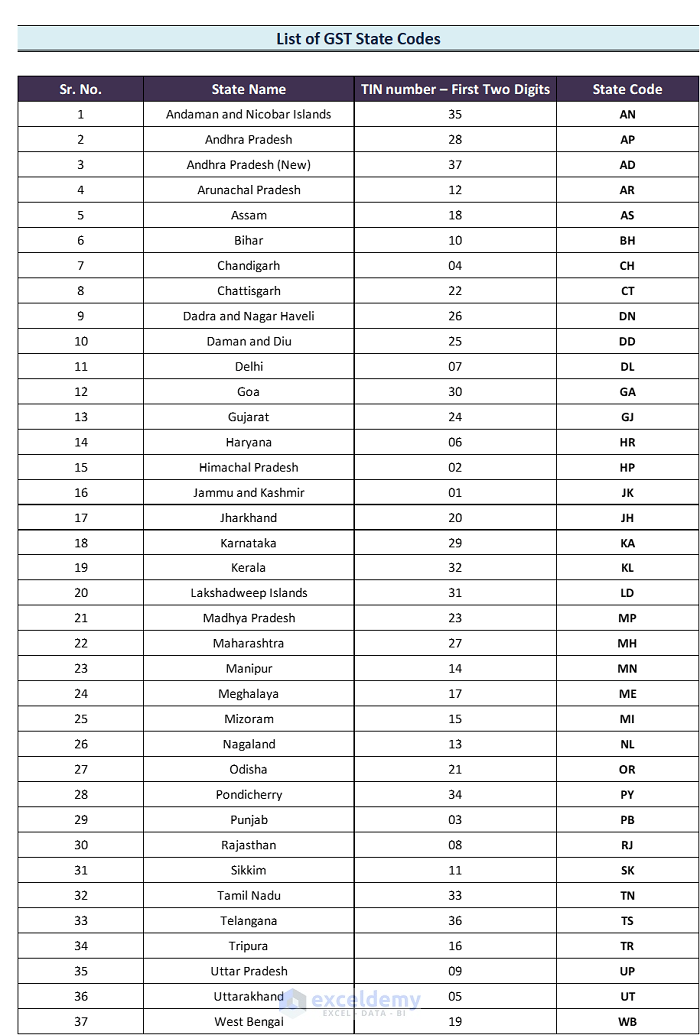
Perhaps the most ubiquitous form, geographical state codes are short, standardized alphanumeric strings representing political or administrative subdivisions within a country. The most prominent example is the two-letter abbreviation system used in the United States (e.g., CA for California, NY for New York). Similar systems exist globally, such as:
- ISO 3166-2: An international standard that defines codes for the principal subdivisions (e.g., provinces, states, regions) of countries. For instance,
US-CAfor California within the United States. These are critical for international data exchange and geo-spatial applications. - FIPS Codes (Federal Information Processing Standards): Used in the U.S. for uniquely identifying states and counties for statistical and governmental purposes.
- Postal Codes/Abbreviations: While often less granular than full state codes (e.g., covering provinces in Canada, or states in Australia), these are integral to shipping, logistics, and address validation software.
These codes are indispensable in countless applications, from e-commerce platforms validating shipping addresses and mapping services plotting routes to demographic analysis tools segmenting data by region. They provide an unambiguous and machine-readable way to specify locations, enabling automated processes that would otherwise require complex and error-prone textual matching.
Telecommunications State Codes: Connecting Calls and Data
Beyond geography, “state codes” also manifest within telecommunications infrastructure, particularly in the form of area codes or regional dialing prefixes. While often referred to as “area codes,” these function as specific identifiers for a geographical “state” or zone within a country’s telephone network. For example, in the North American Numbering Plan, codes like “212” or “415” designate specific metropolitan areas. These codes are crucial for:
- Call Routing: Directing telephone calls to the correct geographical region.
- Number Portability: Managing the transfer of phone numbers across different service providers within the same region.
- Service Provisioning: Identifying the service area for internet, mobile, and landline connections.
In modern VoIP (Voice over Internet Protocol) and unified communications systems, these codes are still vital, often integrated into digital call routing algorithms and user contact management software. They ensure that communication networks remain orderly and efficient, seamlessly connecting users across vast distances.
Internal System State Codes: Defining Operational Status
In a broader technical sense, “state codes” can also refer to codified representations of an object’s or process’s current status within a software system. While not tied to geographical locations, these codes define an internal “state.” Examples include:
- Order Status Codes: (e.g., “PENDING,” “SHIPPED,” “DELIVERED,” “CANCELLED”) in an e-commerce system.
- User Status Codes: (e.g., “ACTIVE,” “INACTIVE,” “BANNED”) in a user management system.
- Transaction Status Codes: (e.g., “SUCCESS,” “FAILED,” “PROCESSING”) in financial applications.
These codes are fundamental to workflow automation, conditional logic, and reporting within software. They allow systems to make decisions, display appropriate information, and trigger subsequent actions based on a standardized and unambiguous status. This category highlights the versatility of the “code” concept beyond purely geographical identifiers.
The Critical Role of State Codes in Data Standardization and Interoperability
The true power of state codes in technology lies in their ability to enforce standardization and facilitate seamless interoperability. In an era where data is the new currency and systems constantly exchange information, consistency is not just a convenience—it’s an absolute necessity.
Ensuring Data Integrity and Consistency
State codes serve as canonical representations for specific entities. Instead of storing “New York” or “N.Y.” or “NY State,” systems using a two-letter code like “NY” ensure every entry is identical. This consistency:
- Reduces Errors: Minimizes typos and variations that can lead to incorrect data.
- Facilitates Validation: Allows software to quickly check if an entered state code is valid against a predefined list.
- Streamlines Data Entry: Auto-completion features powered by state code lists speed up data input and reduce user fatigue.
- Improves Data Quality: Ensures that data sets are clean, accurate, and ready for analysis, reporting, and processing.
Without such standardization, managing large databases would become a chaotic nightmare, plagued by duplicate records and unreliable information.
Enabling Seamless System Interoperability
Modern IT ecosystems rarely consist of isolated applications. Instead, they are webs of interconnected systems: a CRM talking to an ERP, an e-commerce site sending orders to a fulfillment system, or a government portal integrating data from various agencies. State codes act as a common language, bridging these disparate systems.
- API Integrations: When systems communicate via Application Programming Interfaces (APIs), state codes provide a universal parameter. An API call sending customer address data to a shipping carrier can use “CA” as the state, knowing the carrier’s system will interpret it correctly.
- Data Exchange Formats: In formats like XML or JSON, state codes are consistently used in specified fields, allowing parsing engines to correctly identify and process geographical information.
- Database Joins and Merges: When combining data from multiple sources, using standardized state codes simplifies the process of matching records and enriching datasets, eliminating the need for complex fuzzy matching algorithms.
This interoperability is crucial for global operations, supply chain management, cross-border data analytics, and nearly every aspect of distributed computing. It allows organizations to build robust, scalable, and integrated digital environments.
Implementing State Codes: Database Design, APIs, and Software Logic
The effective utilization of state codes in technology requires careful consideration during system design and implementation. From database schemas to user interfaces, their integration must be robust and intelligent.
Database Design and Management
At the core of many applications, state codes are typically managed within relational databases. Best practices include:
- Lookup Tables: Creating a dedicated
Statestable (orRegions,AreaCodes, etc.) that stores the code, full name, and any other relevant metadata (e.g., time zones, capital cities). This centralizes the information and ensures consistency. - Foreign Keys: In transactional tables (e.g.,
Customers,Orders), instead of storing the full state name, a foreign key reference to theStateslookup table is used. This reduces data redundancy, saves storage space, and allows for easy updates. - Indexing: Indexing the state code columns in lookup tables and transactional tables significantly speeds up data retrieval and query performance.
- Data Type Selection: Choosing appropriate data types (e.g.,
CHAR(2)for two-letter codes,VARCHARfor longer codes) ensures data integrity and efficient storage.
This structured approach ensures that state code data is managed efficiently, maintained centrally, and accurately referenced throughout the database.
API Integration and Data Validation
When interacting with external systems or even internal modules, APIs (Application Programming Interfaces) play a critical role in exchanging state code information.
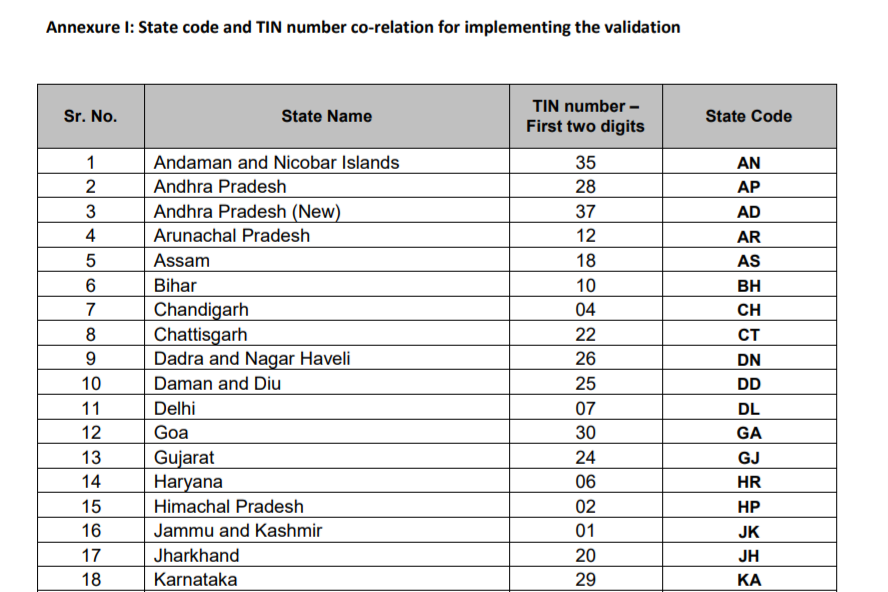
- Standardized API Contracts: APIs define specific parameters for state codes, often adhering to established standards (e.g., expecting ISO 3166-2 codes). This contract ensures that data sent by one system is correctly understood by another.
- Input Validation: Robust software applications perform validation on state codes entered by users or received via APIs. This might involve checking against a predefined list, ensuring the correct format, or even cross-referencing with other address components for accuracy.
- Data Transformation: In scenarios where different systems use varying state code standards (e.g., one uses full names, another uses two-letter codes), APIs or middleware can perform on-the-fly data transformation to ensure compatibility.
Efficient API design and stringent validation rules prevent corrupt or invalid state code data from propagating through interconnected systems, safeguarding overall data quality.
Software Logic and User Experience
State codes are not just backend data points; they significantly impact the user experience in various applications.
- Dropdown Menus and Autocompletion: In web forms, dropdowns populated from a state code lookup table provide users with a guided choice, preventing errors. Autocomplete features, common in address fields, suggest state codes as users type, enhancing speed and accuracy.
- Conditional Logic: Software often uses state codes to trigger specific logic. For example, applying different sales tax rates based on the shipping state, displaying state-specific legal disclaimers, or directing customers to a particular regional support team.
- Reporting and Analytics: Business intelligence dashboards and reporting tools leverage state codes to filter, group, and visualize data geographically, providing valuable insights into regional trends, sales performance, or customer distribution.
Thoughtful integration of state codes into software logic and UI design enhances usability, reduces user errors, and enables dynamic application behavior.
Navigating the Complexities: Challenges in State Code Management
While indispensable, managing state codes within technological systems is not without its challenges. The dynamic nature of geopolitical boundaries and the sheer volume of global data present ongoing complexities.
Keeping Data Up-to-Date
The most significant challenge is maintaining current and accurate state code data. Administrative divisions can change, names can be updated, and in rare cases, new states or regions might be formed or dissolved. This requires:
- Regular Updates: Systems must have mechanisms to regularly update their state code lookup tables from authoritative sources (e.g., government agencies, ISO).
- Version Control: For historical data analysis, it might be necessary to store different versions of state code lists, accounting for changes over time.
- Impact Assessment: When a state code changes (e.g., a country reorganizes its provinces), assessing the impact on existing data and systems is crucial to ensure continuity.
Failing to keep state code data current can lead to validation failures, incorrect address information, and flawed analytical results.
Internationalization and Localization
For global applications, managing state codes becomes exponentially more complex. Different countries have varying levels of sub-national divisions, different naming conventions, and different coding standards.
- Multiple Standards: A system might need to support various standards like ISO 3166-2 for international use, alongside country-specific postal abbreviations or administrative codes.
- Language and Cultural Nuances: Displaying state names in the local language and adhering to regional addressing formats are vital for effective localization and user experience.
- Varying Granularity: Some countries have very simple state/province structures, while others have intricate hierarchies of regions, departments, and municipalities, requiring more sophisticated data models.
Developing robust global solutions demands a flexible architecture that can accommodate these diverse requirements without compromising data integrity.
Legacy Systems and Data Migration
Integrating state codes into legacy systems or migrating data from older platforms often presents hurdles. Legacy systems might use non-standard codes, full names, or a mix of different formats.
- Data Cleansing: Before migration, extensive data cleansing and standardization are often required to map legacy data to current, standardized state codes.
- Migration Mapping: Developing precise mapping rules to translate old codes to new ones is a critical, often labor-intensive, process.
- Backward Compatibility: Sometimes, systems need to maintain backward compatibility with older state code formats, adding complexity to data validation and processing.
Addressing these challenges effectively is key to ensuring that state code data remains a reliable asset rather than a source of technical debt.
The Future of State Codes: Automation, AI, and Global Integration
As technology continues to advance, the role and management of state codes are also evolving, driven by innovation in automation, artificial intelligence, and ever-increasing global interconnectedness.
AI and Machine Learning for Enhanced Data Management
Artificial intelligence and machine learning are poised to revolutionize how state codes are managed and utilized:
- Intelligent Auto-completion and Correction: AI algorithms can predict and suggest correct state codes based on incomplete user input or even correct common misspellings, going beyond simple lookup tables.
- Automated Data Cleansing: ML models can identify and flag inconsistent or incorrect state code entries in large datasets, suggesting corrections with high accuracy, significantly reducing manual effort.
- Geospatial Intelligence: Integrating state codes with advanced geospatial AI can enable more sophisticated location-based services, predictive analytics for logistics, and hyper-targeted marketing based on precise regional data.
These capabilities will further enhance data quality and streamline operations, making state code management more dynamic and less burdensome.
The Role in IoT and Smart Infrastructure
The proliferation of IoT devices and smart infrastructure will increasingly rely on precise location identifiers, making state codes even more critical.
- Asset Tracking: State codes will be integral to tracking assets across vast geographical areas, from shipping containers to smart vehicles, providing granular location data for logistics and supply chain optimization.
- Smart City Applications: In smart cities, data from sensors and services will be contextualized by state and municipal codes, enabling better urban planning, emergency response, and resource management.
- Regionalized Service Delivery: IoT devices providing services (e.g., smart meters, environmental sensors) will have their data tagged with state codes, allowing for localized analysis and service delivery based on specific regional needs and regulations.
State codes will underpin the geographical organization of the massive datasets generated by the Internet of Things, enabling intelligent decision-making at a regional level.

Blockchain for Secure Identity and Location Verification
While still nascent in this specific application, blockchain technology could offer new paradigms for secure and verifiable state code management, particularly in identity and legal contexts.
- Tamper-Proof Records: Blockchain’s immutable ledger could provide a secure way to record and verify changes in administrative boundaries or official state code assignments.
- Decentralized Identity: For digital identity systems, state codes could be securely embedded and verified on a blockchain, ensuring tamper-proof proof of residency or jurisdiction.
This could enhance trust and transparency in data related to geographical identifiers, especially in sectors requiring high levels of security and auditability.
In conclusion, the humble state code, in its various technical interpretations, is a cornerstone of modern digital infrastructure. It is a testament to the power of standardization in enabling complex systems to operate efficiently, accurately, and interdependently. From ensuring data integrity in global databases to routing telecommunications and fueling intelligent automation, state codes are invisible yet indispensable threads woven into the fabric of our technological world. As technology evolves, so too will the sophistication of how these codes are managed, leveraging AI and new paradigms to enhance their utility and ensure their continued relevance in an increasingly connected future.
aViewFromTheCave is a participant in the Amazon Services LLC Associates Program, an affiliate advertising program designed to provide a means for sites to earn advertising fees by advertising and linking to Amazon.com. Amazon, the Amazon logo, AmazonSupply, and the AmazonSupply logo are trademarks of Amazon.com, Inc. or its affiliates. As an Amazon Associate we earn affiliate commissions from qualifying purchases.