
The seemingly simple question of “what is a size 41” opens a surprisingly complex rabbit hole, especially in today’s globalized and digitally-driven marketplace. For the uninitiated, a size 41 might represent a comfortable fit for a specific pair of shoes. However, for those navigating international e-commerce, understanding brand variations, or simply trying to make an informed purchase, this numerical designation is far from universal. This article delves into the intricacies of shoe sizing, with a particular focus on what “size 41” signifies across different regions and how technology and branding influence our perception and understanding of these seemingly straightforward labels.
The Shifting Sands of Shoe Sizing: A Global Perspective
The fundamental challenge with shoe sizing lies in its lack of a single, universally adopted standard. Historically, different regions developed their own measurement systems, leading to the diverse sizing charts we encounter today. Understanding this historical context is crucial to deciphering what a size 41 truly means.
The European Footwear System: A Dominant Influence
When you encounter a “size 41,” it most commonly refers to the European (EU) sizing system. This system, prevalent across much of continental Europe, is based on the “Paris point,” a unit of measurement equivalent to 2/3 of a centimeter (approximately 0.26 inches). The length of the shoe last (the mold used to make the shoe) is measured in Paris points. Therefore, a size 41 EU shoe typically corresponds to a last length of approximately 26.06 cm (41 * 2/3 cm).
However, it’s important to note that even within the EU system, there can be slight variations between manufacturers. The stated shoe size often refers to the internal length of the shoe, but comfort allowances and the specific last design can lead to minor discrepancies. This means that a size 41 from one brand might feel slightly different from a size 41 from another, even if they are both technically within the EU system.
The US and UK Systems: A Different Calculus
In stark contrast to the EU system, both the United States (US) and the United Kingdom (UK) have their own distinct sizing conventions. These systems are generally based on inches, with different starting points and increments.
The US men’s sizing system, for instance, starts with size 1 for a 4-inch sole length, with subsequent sizes increasing by 1/3 inch. US women’s sizing is similar but starts at a higher number, typically size 5 for a 4-inch sole length. The UK system also uses inches but has a different starting point and progression. A UK size 8 corresponds to a US size 9, and the UK system generally runs one size smaller than the US system for men.
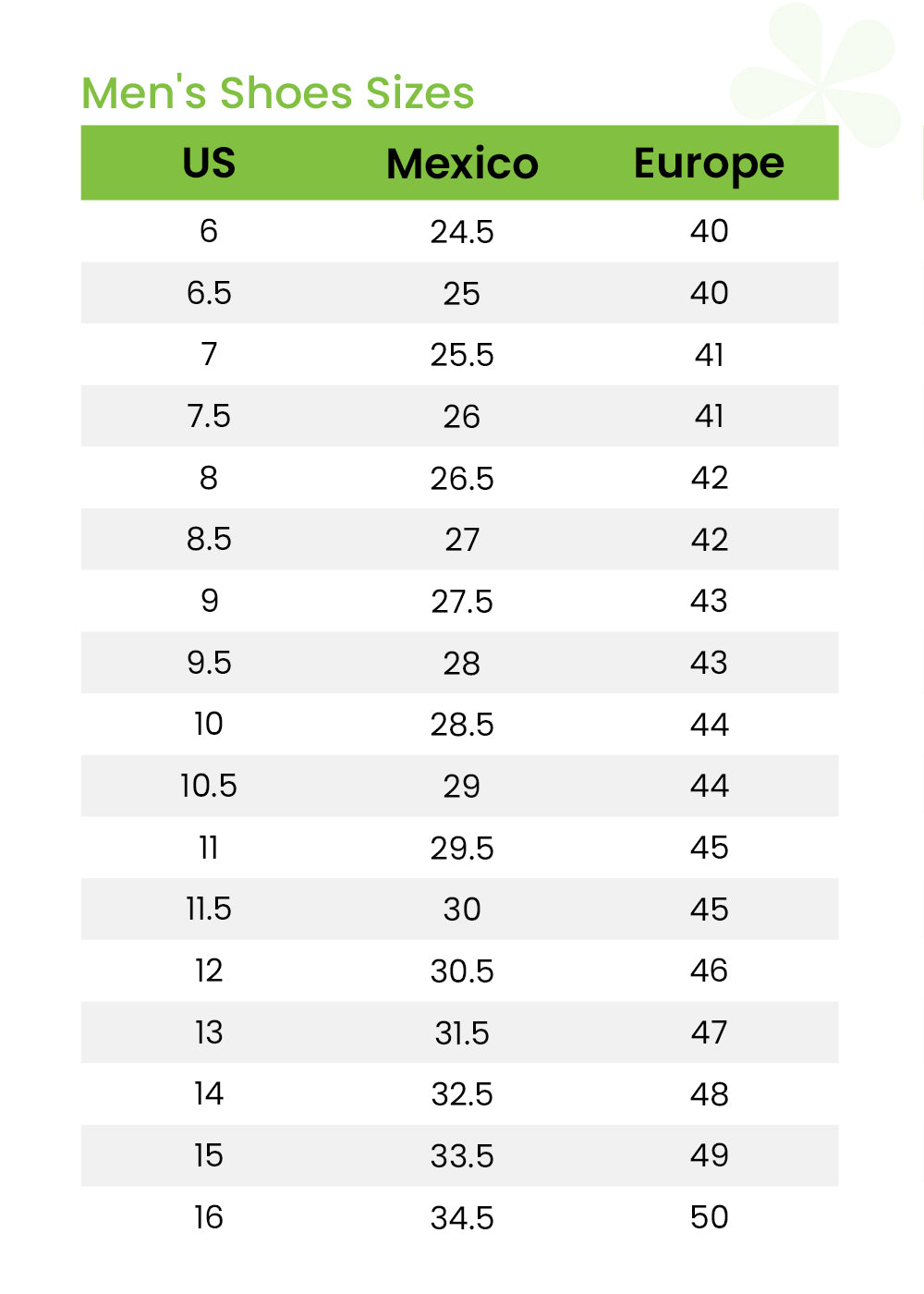
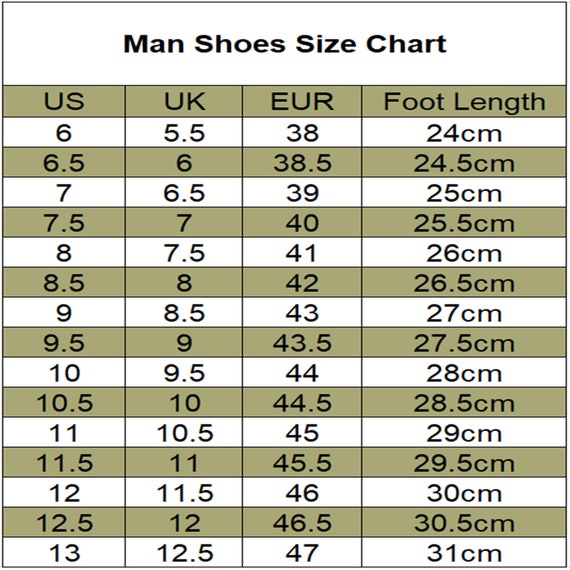
Given these differences, a size 41 EU shoe typically translates to a US men’s size of approximately 8-8.5, and a US women’s size of approximately 9.5-10. For the UK system, it’s roughly a UK men’s size of 7-7.5 and a UK women’s size of 8.5-9. These are approximations, and a precise conversion chart is always recommended when crossing between these systems. The proliferation of online retailers, however, often simplifies this by providing conversion charts directly on their product pages, a testament to the digital age’s impact on global commerce.
Beyond the Major Systems: Other Regional Variations
While the EU, US, and UK systems are the most commonly encountered in international trade, other regions have their own sizing conventions. Japan, for example, uses a direct centimeter measurement for shoe sizing, which can be quite straightforward if you know your exact foot length in centimeters. Australia and New Zealand also follow a system similar to the UK.
The existence of these multiple systems highlights the historical development of footwear manufacturing in different parts of the world, each with its own established measurements and traditions. For consumers, this means that a “size 41” label is inherently ambiguous without further context.
The Rise of Digital Tools and Brand Influence in Sizing
In the contemporary landscape, the ambiguity of shoe sizing is increasingly mitigated by technological advancements and the strategic branding efforts of footwear companies. The internet has democratized access to global markets, but it has also amplified the need for accurate and standardized information.
Digital Sizing Tools and Charts: Bridging the Gap
Online retailers have become indispensable in the shoe buying process, and with this shift has come the widespread adoption of digital sizing tools. Most reputable e-commerce platforms provide comprehensive sizing charts that map the various international systems, including EU, US, UK, and sometimes even Japanese or Australian. These charts often include measurements in both centimeters and inches, empowering consumers to measure their feet accurately and find the closest equivalent size.
Furthermore, many websites offer interactive sizing guides that ask for specific foot measurements (length, width) and then recommend the best size based on the brand’s particular fit. This is a crucial innovation, as brands often have their own unique sizing characteristics. Some brands might run larger, while others tend to be snugger. By incorporating this brand-specific information, digital tools aim to provide a more personalized and accurate recommendation, reducing the likelihood of returns due to ill-fitting shoes.
The Role of Brand Identity in Sizing Perception
Brand identity plays a significant, albeit often subconscious, role in how we perceive and interpret shoe sizes. A well-established brand with a reputation for consistent quality and fit can influence consumer expectations. If a consumer has previously purchased shoes from a particular brand and found their size 41 to be a perfect fit, they are likely to trust that same size when considering another model from the same brand.
Conversely, new or less familiar brands might require more diligence from the consumer. Their sizing might not be as predictable, and reliance on generic conversion charts could be less effective. This is where the branding of the shoe itself – its reputation, customer reviews, and any specific fit descriptions provided by the brand – becomes paramount. Brands that invest in clear and accurate sizing information, along with detailed product descriptions about the fit and feel of their shoes, gain a competitive advantage in the online marketplace.
The Impact of Customer Reviews and Community Knowledge
The digital age has also fostered a powerful form of collective intelligence: customer reviews. In the context of shoe sizing, reviews are invaluable. Shoppers frequently comment on whether a shoe runs true to size, is too big, too small, narrow, or wide. This real-world feedback provides a level of practical insight that even the most sophisticated sizing charts cannot replicate. A reviewer stating, “I’m usually a size 41 EU, but I had to size up to a 42 in these,” is a critical piece of information for a potential buyer.
Online forums, social media groups, and dedicated footwear communities further amplify this shared knowledge. Discussions about specific brand sizing, common fit issues, and recommendations for finding the perfect size contribute to a richer understanding of what a “size 41” might actually mean for a particular product. This community-driven insight, fueled by the accessibility of the internet, has become an integral part of the modern shoe-buying experience, complementing the efforts of brands and e-commerce platforms.
Navigating the Purchase: Practical Steps for a Perfect Fit
Given the complexities of international sizing, understanding what a size 41 means requires a proactive approach from the consumer. The days of simply picking a size off the shelf are largely gone for online shoppers, necessitating a more informed and measured decision-making process.
Accurate Foot Measurement: The Foundation of Success
The most crucial step in determining your correct shoe size, regardless of the system, is accurately measuring your feet. This should be done at the end of the day, when your feet are at their largest. Stand on a piece of paper with your heel against a wall. Mark the longest point of your foot (your longest toe). Repeat for the other foot, as feet can differ in size. Measure the distance from the wall to the mark in both centimeters and inches.
It is also advisable to measure the width of your foot at its widest point. Many sizing charts do not explicitly account for width, but this is a critical factor in achieving a comfortable fit. If you know your foot length and width in centimeters or inches, you can more reliably compare this to the internal measurements provided by shoe manufacturers or consult detailed conversion charts.
Consulting Brand-Specific Sizing Charts and Fit Guides
Once you have your measurements, the next step is to consult the sizing charts provided by the specific brand you are interested in. Do not rely solely on generic conversion charts. Most reputable brands will have their own sizing guide on their website, often linked directly from the product page. Pay close attention to whether the chart indicates the measurement in the shoe’s internal length or the last length.
Look for any specific fit notes from the brand. Do they recommend sizing up or down for a particular model? Are these shoes known for being narrow or wide? This information, coupled with your foot measurements, will significantly increase your chances of selecting the correct size. For example, if you are looking at a pair of Italian leather loafers that are described as having a “classic fit,” and you know your feet are on the wider side, you might opt for a half-size larger than a generic conversion chart suggests.
Leveraging Customer Reviews and Community Feedback
As discussed earlier, customer reviews are an invaluable resource. Before making a purchase, scour the reviews for comments related to sizing. Look for patterns: do multiple reviewers mention that the shoe runs small? Is there a consensus on the width? If possible, try to find reviews from individuals with similar foot characteristics or who typically wear the same international size as you.
If you are part of any online communities related to fashion or footwear, don’t hesitate to ask for advice. A quick post asking about the sizing of a particular brand or model can yield helpful insights from experienced buyers. This collective knowledge base, built over time, is a powerful tool for navigating the often-confusing world of international shoe sizing.
The Future of Shoe Sizing: Personalization and Technology
The ongoing evolution of technology and consumer expectations suggests that the way we determine and understand shoe sizes will continue to transform. The current system, while functional, is ripe for innovation.
Advanced 3D Foot Scanning and Virtual Try-On
The integration of advanced technologies like 3D foot scanning is becoming increasingly common. Some brick-and-mortar stores and even online platforms are offering services that create a precise 3D model of your foot. This data can then be used to recommend the perfect size and even predict how a specific shoe will fit. Virtual try-on technologies, which use augmented reality to overlay a 3D model of the shoe onto your foot via your smartphone or computer, are also gaining traction. While still in development, these tools hold the promise of significantly reducing the uncertainty associated with online shoe purchases.
Data-Driven Sizing and AI-Powered Recommendations
The vast amount of data collected from customer purchases, returns, and reviews, combined with sophisticated AI algorithms, is poised to revolutionize sizing. Companies can analyze this data to refine their sizing charts, identify patterns in how different foot shapes interact with their footwear, and provide increasingly personalized size recommendations. AI can learn from a user’s past purchases and feedback to suggest the best size for future purchases, even for entirely new brands. This move towards data-driven and AI-powered sizing promises a future where finding the right fit is less of a gamble and more of a science.

The Enduring Importance of Craftsmanship and Brand Trust
Despite the technological advancements, the inherent variability in human anatomy and the art of shoemaking will likely ensure that some level of human judgment and brand trust remains essential. While technology can provide sophisticated recommendations, the tactile experience of trying on a shoe and the nuanced understanding of how different materials and designs affect fit cannot be entirely replicated. Brands that continue to prioritize quality craftsmanship, offer transparent sizing information, and build trust with their customers will always hold an advantage. Ultimately, a size 41 will remain a starting point, but the journey to finding the perfect fit will increasingly be a collaboration between the consumer’s measurements, the insights of technology, and the established reputation of the brand.
aViewFromTheCave is a participant in the Amazon Services LLC Associates Program, an affiliate advertising program designed to provide a means for sites to earn advertising fees by advertising and linking to Amazon.com. Amazon, the Amazon logo, AmazonSupply, and the AmazonSupply logo are trademarks of Amazon.com, Inc. or its affiliates. As an Amazon Associate we earn affiliate commissions from qualifying purchases.