
In the competitive world of baseball and softball, the integrity of the game hinges on fair play and standardized equipment. Among the most controversial forms of equipment manipulation is the “shaved bat”—a term that refers to an illegally modified bat designed to enhance performance beyond its manufactured specifications. Understanding what constitutes a shaved bat requires delving into the engineering principles of bat design, the mechanics of these illicit modifications, and the technological efforts to detect them, highlighting a significant challenge in sports technology and regulation.
The Engineering of Bat Performance
At its core, a baseball or softball bat is an engineered instrument, meticulously designed to transfer energy from the batter to the ball efficiently. Legal bats adhere to strict manufacturing standards and material guidelines set by governing bodies like the NCAA, MLB, and various amateur leagues. These standards dictate everything from bat length, weight, diameter, and most critically, the barrel’s performance characteristics.

Legal Bat Construction and Materials
Modern bats, especially composite models, are marvels of materials science and structural engineering. They typically consist of multiple layers of fibers (carbon, fiberglass, or a blend) strategically arranged and bonded with resin. The barrel’s walls are designed with a specific thickness and stiffness to create a controlled “trampoline effect” or “barrel flex” upon impact. This effect allows the bat face to slightly compress and rebound, storing and releasing energy into the ball. The performance limit, often measured by the Bat-Ball Coefficient of Restitution (BBCOR) for baseball or ASA/USSSA stamps for softball, ensures that bats perform within an acceptable range, preventing an unfair advantage from equipment alone. Engineers painstakingly optimize factors like swing weight, balance point, and durability while staying within these regulatory boundaries. The goal is to maximize the “sweet spot” – the area on the barrel where the most efficient energy transfer occurs – without exceeding legal limits.
The Illicit Trampoline Effect and Wall Thinning
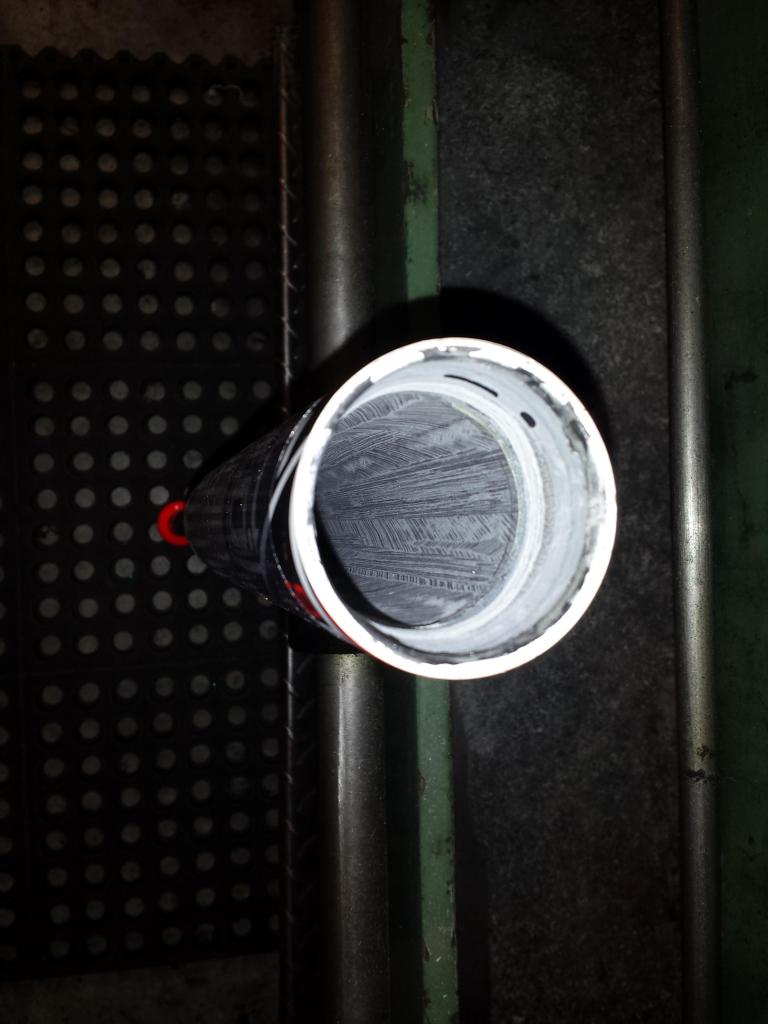
A shaved bat exploits these very engineering principles, pushing them beyond legal limits. The primary modification involves physically reducing the thickness of the bat’s barrel walls from the inside. This can be achieved by removing material, often by inserting a specialized cutting tool into the bat’s barrel and shaving away internal layers. By thinning the walls, the bat becomes more flexible and reactive. When the ball makes contact, the thinner walls flex more dramatically, storing greater potential energy and then releasing it with increased force, much like a more powerful trampoline. This exaggerated “trampoline effect” propels the ball off the bat at a higher exit velocity, causing it to travel faster and farther than it would with a legal bat. The result is often an increase in hitting distance, potentially turning routine fly balls into home runs and giving the batter an unfair advantage. This modification fundamentally alters the energy transfer dynamics, bypassing the careful calibration performed by manufacturers and mandated by league regulations.
The Mechanics of Shaving: An Engineering Breach
The process of “shaving” a bat is a deliberate act of circumventing manufacturing specifications and performance standards. It’s a clandestine operation that requires specific tools and a understanding of bat construction, turning a legal piece of equipment into a performance-enhancing, illegal instrument.
Tools and Techniques for Internal Modification
The core of bat shaving involves removing material from the inner barrel walls. This is typically done using a modified lathe or a specialized internal reaming tool. A common method involves clamping the bat horizontally and inserting an elongated cutting bit into the barrel. This bit, often custom-fabricated with sharp carbide tips, is then rotated and slowly advanced along the inside length of the barrel, systematically grinding or shaving away material. The depth and extent of the cut are critical, as too much material removal can compromise the bat’s structural integrity, leading to premature breakage. Some sophisticated methods involve precise CNC-controlled equipment to ensure an even wall reduction along the entire barrel, minimizing visible external signs of modification and maintaining a consistent “sweet spot.”

Weight Reduction and Balance Alterations
While the primary goal of shaving is to enhance the trampoline effect, a secondary consequence—and sometimes an intentional additional modification—is a reduction in the bat’s overall weight. By removing internal material, the bat naturally becomes lighter. This can make the bat easier to swing, allowing a batter to generate higher bat speed. To counteract significant weight loss or to fine-tune the bat’s balance, some modifiers will add weight back into the bat’s end cap or handle, a process known as “rolling” (though “rolling” typically refers to compressing the barrel layers rather than adding weight). This redistribution of mass can further alter the bat’s swing weight, making it feel lighter or more balanced depending on the batter’s preference. The combination of thinner walls and adjusted weight creates a technologically superior, albeit illegal, weapon in the hands of a batter, fundamentally changing the performance envelope beyond regulated limits.
Technological Approaches to Detection
The presence of shaved bats poses a significant threat to the integrity of baseball and softball. In response, governing bodies and equipment manufacturers have invested in developing sophisticated technological methods to detect these illicit modifications, turning bat inspection into a specialized field of forensic engineering.
X-ray and Ultrasound Scanning for Internal Integrity
One of the most effective non-destructive methods for detecting shaved bats involves advanced imaging technologies. X-ray scanning provides a detailed internal view of the bat’s barrel, allowing inspectors to visualize the thickness and consistency of the internal walls. A shaved bat will show distinct variations in wall thickness compared to a factory-standard bat. Similarly, ultrasound scanning uses high-frequency sound waves to measure wall thickness. By transmitting sound waves through the bat’s material and measuring the time it takes for them to return, inconsistencies in wall thickness—indicative of material removal—can be identified. These technologies are powerful because they reveal the hidden modifications without damaging the bat, making them ideal for pre-game inspections or laboratory analysis. The resolution and accuracy of these systems continue to improve, making it increasingly difficult for modifiers to create undetectable alterations.
Resonance Frequency and Acoustic Analysis
Another technical approach involves analyzing the bat’s resonance frequency and acoustic properties. Every bat, based on its material composition, design, and internal structure, will vibrate at specific frequencies when struck or tapped. These frequencies are an indicator of the bat’s stiffness and mass distribution. A shaved bat, with its thinner walls and altered mass, will exhibit different resonance frequencies compared to a legal bat of the same model. Specialized equipment can measure these vibrational characteristics and compare them against a known database of legal bats. Significant deviations can flag a bat as potentially modified. This method is particularly insightful because it directly measures the mechanical properties altered by shaving, providing objective data on the bat’s performance characteristics beyond just visual inspection.
Material Integrity and Compression Testing
Beyond internal imaging and acoustic analysis, material integrity testing plays a crucial role. For composite bats, “rolling” is another illegal modification where the bat is put through a machine that compresses its layers, “breaking in” the bat to enhance its trampoline effect prematurely. While distinct from shaving, both alter material integrity. Advanced testing labs utilize various techniques to assess the structural integrity and performance limits of bats. This can include compression tests to measure the elasticity and rebound characteristics of the barrel, or specialized material testers that evaluate the density and strength of the composite layers. Some tests might also involve sophisticated sensors that measure bat-ball exit velocity under controlled conditions, directly assessing performance against regulatory limits. These multi-faceted technological approaches form a robust defense against equipment tampering, ensuring that the game remains a contest of skill rather than illicit technological advantage.
Impact on Sports Technology and Integrity
The ongoing battle against shaved bats represents a microcosm of the broader struggle to maintain integrity in sports through technological means. It forces both manufacturers and regulatory bodies to continuously innovate, creating an “arms race” between illicit modification and detection technologies.
Manufacturer Innovations for Tamper-Proofing
Bat manufacturers are at the forefront of this fight, constantly exploring new materials and construction techniques to create bats that are more difficult to modify or where modifications are more easily detected. This includes developing proprietary composite blends with varying densities across the barrel walls, making uniform material removal challenging. Some manufacturers are experimenting with internal ribbing or structural elements that would be damaged or exposed during shaving, signaling tampering. Others are focusing on internal coatings or embedded sensors that could register alterations. The goal is not just to produce high-performing bats within legal limits, but also to engineer “smart bats” with built-in safeguards, making the risk-to-reward ratio for modifiers increasingly unfavorable. This involves substantial research and development in materials science, manufacturing processes, and quality control.
The Ongoing Arms Race: Modifiers vs. Detectors
The dynamic between those who illegally modify bats and those who develop detection technologies is an ever-evolving arms race. As detection methods become more sophisticated, bat shaves often attempt to devise new, more subtle modification techniques. This pushes forensic engineers and sports authorities to develop even more advanced scanning protocols, software algorithms for data analysis, and non-destructive testing methodologies. The challenge lies in staying one step ahead, ensuring that the technology used for detection is robust, accurate, and practical for widespread implementation in leagues. This constant back-and-forth highlights the pervasive influence of technology in sports, not only in enhancing performance but also in upholding the fundamental principles of fair play and competition. The integrity of the game ultimately relies on this continuous technological vigilance against those seeking an unfair advantage.
aViewFromTheCave is a participant in the Amazon Services LLC Associates Program, an affiliate advertising program designed to provide a means for sites to earn advertising fees by advertising and linking to Amazon.com. Amazon, the Amazon logo, AmazonSupply, and the AmazonSupply logo are trademarks of Amazon.com, Inc. or its affiliates. As an Amazon Associate we earn affiliate commissions from qualifying purchases.