
Spirit Airlines, once a poster child for the ultra-low-cost carrier (ULCC) model, has navigated a turbulent decade marked by ambitious growth, significant financial challenges, and a high-stakes struggle for survival. The question of “what happened” isn’t merely about a single event but a complex interplay of strategic decisions, market forces, operational hurdles, and the unforgiving economics of the airline industry. This deep dive will dissect the financial and business finance aspects that have shaped Spirit’s trajectory, exploring the economics of its model, the impact of failed mergers, and the persistent operational and market pressures that define its current predicament.

The Economics of the Ultra-Low-Cost Model: A Double-Edged Sword
Spirit Airlines pioneered a business model in the North American market that prioritized unbundled fares, allowing passengers to pay only for the services they desired. This strategy, while revolutionary, presented both immense opportunities for market disruption and significant inherent vulnerabilities when faced with economic shifts and competitive pressures.
The ULCC Blueprint: Stripping Down to the Essentials
At its core, Spirit’s ULCC model was designed for extreme cost efficiency. This involved several key financial pillars:
- High Aircraft Utilization: Maximizing flight hours per aircraft per day to spread fixed costs (depreciation, leases) over more revenue-generating cycles. This translates directly to lower per-seat operating costs.
- High-Density Seating: Packing more seats onto an aircraft (often smaller, lighter seats) increases the number of available revenue units per flight, boosting revenue potential per plane.
- Unbundled Fares and Ancillary Revenue: The headline-grabbing low base fares are a loss leader designed to attract passengers. The real profitability comes from ancillary fees – charges for seat selection, checked baggage, carry-on bags, priority boarding, and even water. Spirit’s ancillary revenue per passenger has historically been among the highest in the industry, a crucial component of its financial health.
- Point-to-Point Routes: Avoiding costly hub-and-spoke systems reduces operational complexity, transit times, and reliance on expensive airport infrastructure and gate fees associated with major airline hubs.
- Lean Operations: A strong focus on minimizing overhead, efficient ground operations, and a streamlined workforce to keep labor costs in check.
This blueprint aimed to offer the lowest possible fare, thereby stimulating demand from price-sensitive leisure travelers and capturing market share from legacy carriers and traditional full-service airlines. For a time, it worked, leading to significant expansion and profitability metrics that often outpaced larger rivals on a margin basis.
Initial Success and Growing Pains
Spirit’s initial success was undeniable, as it tapped into a vast segment of the market underserved by high-fare carriers. Its aggressive pricing expanded the air travel market, enabling more people to fly. However, the very nature of the ULCC model carried inherent risks. The high reliance on ancillary revenue meant that any shift in consumer behavior or increased competition in this area could significantly impact profitability. Furthermore, the relentless pursuit of cost efficiency often translated into a bare-bones customer experience, which, while accepted by some, alienated others and made the brand vulnerable to negative perception and operational missteps. As the market matured and competitors, including legacy carriers, began to offer basic economy fares that mimicked some ULCC characteristics, Spirit’s unique selling proposition began to erode, putting pressure on its financial performance.
The Failed Mergers: A Quest for Stability and Scale
In the notoriously volatile airline industry, mergers and acquisitions are often strategic plays to achieve economies of scale, reduce competition, expand networks, and stabilize financial performance. Spirit Airlines found itself at the center of two high-profile merger attempts, first with Frontier Airlines and then with JetBlue, both of which ultimately collapsed, leaving the airline in a more precarious financial position.
The Frontier Bid: A Strategic Alignment that Crumbled
The proposed merger between Spirit Airlines and Frontier Airlines, announced in February 2022, was framed as a strategic combination of two ULCC powerhouses. From a financial perspective, the deal promised significant benefits:
- Enhanced Scale: The combined entity would become the fifth-largest airline in the U.S., achieving greater purchasing power for aircraft, fuel, and other services, leading to cost synergies.
- Network Complementarity: The two airlines served largely distinct but complementary markets, suggesting the potential for expanded route offerings without excessive overlap, thereby increasing revenue opportunities.
- Cost Synergies: The airlines projected $500 million in annual synergies, primarily from optimized scheduling, shared maintenance, and reduced administrative overhead – crucial for margin improvement.
However, the deal faced immediate scrutiny from shareholders regarding the valuation and the strategic benefits. Critically, it lacked the financial premium often associated with such consolidation, leading to shareholder dissent. The financial structure of the deal, primarily an all-stock transaction, also left Spirit shareholders exposed to the risks of the combined entity’s future performance.
The JetBlue Saga: A Battle for Control
Before the Frontier merger could be finalized, JetBlue Airways launched a hostile takeover bid for Spirit. JetBlue, a hybrid carrier, aimed to acquire Spirit to rapidly expand its fleet, gain crucial airport slots, and become a more formidable competitor to the legacy carriers. From Spirit’s perspective, the JetBlue offer represented a significantly higher cash premium, offering a more immediate and tangible financial benefit to its shareholders. The ensuing bidding war highlighted several key financial considerations:
- Valuation Disparity: JetBlue’s cash offer underscored a substantial difference in perceived value for Spirit compared to Frontier’s stock-heavy proposal.
- Antitrust Scrutiny: Both mergers faced intense regulatory review from the Department of Justice (DOJ), concerned about reduced competition and potential fare increases, especially for the price-sensitive consumers that Spirit served. The DOJ ultimately blocked the JetBlue-Spirit merger in January 2024, citing antitrust concerns that it would harm competition and lead to higher fares.
- Integration Challenges: While the JetBlue offer was financially attractive, the strategic integration of a ULCC with a more premium hybrid carrier presented significant operational and cultural challenges, potentially impacting the realization of synergy benefits.
The Aftermath of Rejection: A Standalone Future
The ultimate collapse of the JetBlue merger, enforced by regulatory intervention, left Spirit in a precarious “standalone” position. The drawn-out merger battles consumed management focus, diverted resources, and created uncertainty among employees and investors. Financially, it meant Spirit had to confront its challenges alone, without the scale, synergies, or financial injection that a merger would have provided. The cost of pursuing and defending these mergers also added to its financial burden, without any corresponding strategic benefit realized.
Operational Headwinds and Financial Turbulence
Beyond strategic maneuvers, Spirit’s financial performance has been significantly impacted by persistent operational challenges, external economic factors, and the inherent difficulties of maintaining a low-cost model in a high-cost environment.
Fuel Costs and Labor Woes: The Profit Squeeze
Airlines are highly sensitive to two major input costs: fuel and labor.
- Volatile Fuel Prices: Global geopolitical events and supply chain disruptions can cause dramatic swings in crude oil prices, directly impacting airline profitability. As a ULCC, Spirit operates on thinner margins, making it particularly vulnerable to fuel price spikes. While fuel hedging can mitigate some risk, it’s not foolproof, and sustained high prices eat directly into the bottom line.
- Escalating Labor Costs: The post-pandemic era has seen a significant increase in labor costs across the airline industry. Pilot and flight attendant shortages have led to more competitive wage negotiations and increased benefits. For a ULCC like Spirit, whose model relies heavily on keeping labor costs low, these increases pose a fundamental threat to its financial viability. Higher wages, even if necessary to attract and retain staff, directly contradict the low-cost ethos and put immense pressure on fares, which cannot always be raised due to competitive pressures and consumer price sensitivity.
Operational Reliability Challenges: The Cost of Disruption
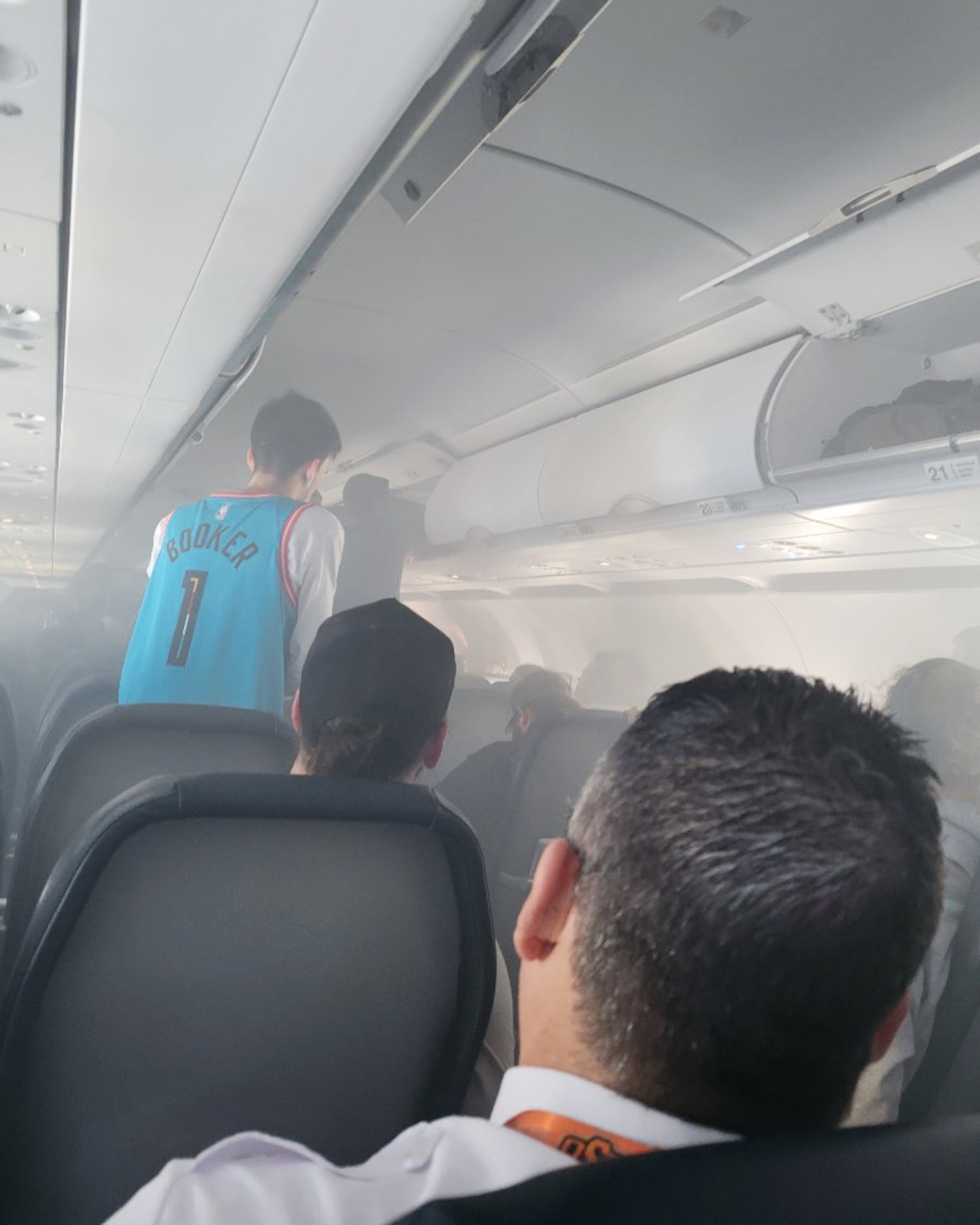
Spirit has frequently faced scrutiny over its operational reliability, including flight delays, cancellations, and disruptions. These issues are not just customer service problems; they have significant financial implications:
- Direct Costs: Cancellations and lengthy delays lead to compensation payouts, rebooking expenses, accommodation costs for stranded passengers, and increased crew pay (overtime, duty-time limitations).
- Reputational Damage and Lost Revenue: Chronic operational issues erode customer trust, leading to reduced bookings and a preference for more reliable (even if slightly more expensive) competitors. This directly impacts future revenue generation.
- Inefficient Asset Utilization: When aircraft are grounded or significantly delayed, their high utilization rate, a cornerstone of the ULCC model, is compromised. This means fixed costs are spread over fewer revenue-generating hours, increasing the per-unit cost of flying.
- Fleet Mix and Maintenance: Spirit operates a relatively young, uniform fleet of Airbus A320 family aircraft, which typically offers maintenance efficiency. However, any issues with parts availability or unexpected maintenance events can ripple through a tightly scheduled network, exacerbating delays and cancellations.
Financial Strain and Profitability: A Red Ink Reality
The combination of rising input costs, operational disruptions, and competitive pressures has significantly impacted Spirit’s financial health. The airline has frequently reported quarterly losses, with net income under severe pressure.
- Negative Cash Flow: Sustained losses often translate into negative operating cash flow, forcing the company to draw down cash reserves or seek external financing to cover day-to-day operations.
- Debt Burden: Like most airlines, Spirit carries substantial debt, primarily for aircraft financing. When revenues are soft and profits are elusive, servicing this debt becomes more challenging, increasing financial risk.
- Investor Confidence: A consistent string of losses and operational woes erodes investor confidence, reflected in a depressed stock price and making it harder to raise capital on favorable terms if needed. The inability to complete a merger also removes a potential lifeline and leaves the market questioning its standalone path to sustained profitability.
Navigating a Shifting Market: Competition and Consumer Expectations
The airline industry is fiercely competitive, and consumer behavior is dynamic. Spirit’s initial success was predicated on a specific market niche, but the landscape has evolved, posing new challenges to its financial strategy.
Intense Competition from All Angles
Spirit faces a multi-front competitive battle:
- Other ULCCs: Carriers like Frontier Airlines and Allegiant Air directly compete for the same price-sensitive leisure traveler segment, often on identical or similar routes.
- Legacy Carriers’ Basic Economy: American, Delta, and United have introduced “Basic Economy” fares that mimic the unbundled approach of ULCCs, offering low base fares but with restrictions on seat selection, baggage, and changes. While these don’t fully replicate the ULCC cost structure, they effectively poach Spirit’s core customer base, especially for travelers who might prefer a more established brand if the price difference is minimal.
- Hybrid Carriers: Airlines like Southwest and JetBlue, while not strictly ULCCs, offer competitive pricing and often a superior customer experience, attracting customers who might be willing to pay slightly more for added value.
- Regional Competition: Smaller regional airlines also compete on specific routes, further fragmenting the market.
This intense competition caps Spirit’s ability to raise fares significantly, even in the face of rising costs, squeezing its already thin margins. The financial implications are clear: a constant battle for market share and pricing power, where even a slight misstep can lead to substantial revenue losses.
Evolving Customer Demands: Beyond Just Price
While price remains a critical factor for Spirit’s target demographic, consumer expectations are not static. The pandemic, in particular, heightened awareness around flexibility, cleanliness, and reliable operations.
- Demand for Flexibility: Post-pandemic, travelers often seek greater flexibility in booking changes or cancellations, which Spirit’s highly restrictive and fee-heavy policies can make difficult or expensive. This can push customers towards carriers with more lenient policies, even if their base fare is slightly higher.
- Perception of Value: The low base fare, once a powerful draw, increasingly needs to be balanced against the total cost of travel, including all ancillary fees. If the all-in price becomes comparable to a full-service carrier’s basic economy offering, the perceived “value” of Spirit’s bare-bones service diminishes.
- Operational Reliability: As discussed, chronic delays and cancellations are not just an inconvenience; they are a financial risk for business travelers and a significant stressor for leisure travelers. Consumers are increasingly willing to pay a slight premium for reliability, directly threatening Spirit’s ultra-low-cost advantage.
The Price Sensitivity Trap: A Double Bind
Spirit operates in a segment highly sensitive to price. This is both its strength and its biggest constraint. When fuel and labor costs rise, Spirit is caught in a difficult financial dilemma:
- Raise Fares: Risk losing market share to competitors who can absorb costs better or who offer a perceived better value for a similar price.
- Absorb Costs: Maintain low fares but suffer significant losses, further eroding financial stability and potentially leading to a cash crunch.
This “price sensitivity trap” makes it incredibly challenging for Spirit to adjust its pricing strategy to maintain profitability during periods of high operational costs, a fundamental issue in its current financial struggles.
The Road Ahead: Survival or Transformation?
Spirit Airlines finds itself at a critical juncture. The failure of its merger attempts has forced a renewed focus on its standalone strategy, but the underlying financial pressures persist. The path forward demands strategic adaptation and a keen understanding of its balance sheet.
Strategic Adjustments: Refining the ULCC Model
To survive, Spirit must find ways to either enhance revenue or further reduce costs, or ideally, both, without abandoning its core identity.
- Revenue Diversification: While ancillary fees are crucial, Spirit may need to explore new revenue streams or optimize existing ones. This could involve partnerships, targeted product offerings, or improved loyalty programs that offer more perceived value.
- Network Optimization: A continuous review of its route network is essential to ensure that every route is profitable or strategically important. Cutting unprofitable routes and reallocating capacity to higher-demand, higher-yield markets is a financial imperative.
- Operational Efficiency Investments: Investing in technology and processes to improve on-time performance and reduce cancellations is not just about customer service; it’s about minimizing the direct and indirect financial costs of operational disruptions. This includes optimizing crew scheduling, maintenance procedures, and ground handling.
- Fleet Management: With new aircraft deliveries, optimizing fleet deployment and negotiating favorable lease or purchase terms for new planes will be crucial for managing capital expenditures and operational costs.
Debt and Liquidity Concerns: Managing the Balance Sheet
Spirit’s balance sheet is a key indicator of its resilience. High debt levels, especially short-term debt, can be crippling if cash flow is insufficient.
- Cash Reserves: Maintaining adequate cash reserves and access to lines of credit is vital to weather economic downturns, unexpected operational costs, or periods of low demand.
- Debt Restructuring: If profitability remains elusive, Spirit might need to explore options for debt restructuring to ease the burden of interest payments and extend repayment schedules, buying itself time to return to profitability.
- Capital Raises: In a standalone scenario, the ability to raise additional capital through equity or further debt may be necessary, but this becomes more challenging with a struggling stock price and uncertain outlook. The recent decision to delay some Airbus deliveries is a direct financial move to conserve cash.
Long-Term Viability: A Question of Differentiation
Ultimately, Spirit’s long-term viability hinges on its ability to differentiate itself in an increasingly crowded and competitive market. Can it maintain its ultra-low-cost advantage while offering sufficient value to attract and retain customers who now have more choices? The “what happened to Spirit Airlines” narrative is still being written. It’s a story of an innovative business model confronting its limits in a dynamic economic environment, navigating complex strategic choices, and fighting for its financial future in the unforgiving skies of the airline industry. Its ability to adapt, innovate within its constraints, and restore investor confidence will determine whether it can successfully chart a path back to sustained profitability and reclaim its position as a disruptive force.
aViewFromTheCave is a participant in the Amazon Services LLC Associates Program, an affiliate advertising program designed to provide a means for sites to earn advertising fees by advertising and linking to Amazon.com. Amazon, the Amazon logo, AmazonSupply, and the AmazonSupply logo are trademarks of Amazon.com, Inc. or its affiliates. As an Amazon Associate we earn affiliate commissions from qualifying purchases.