
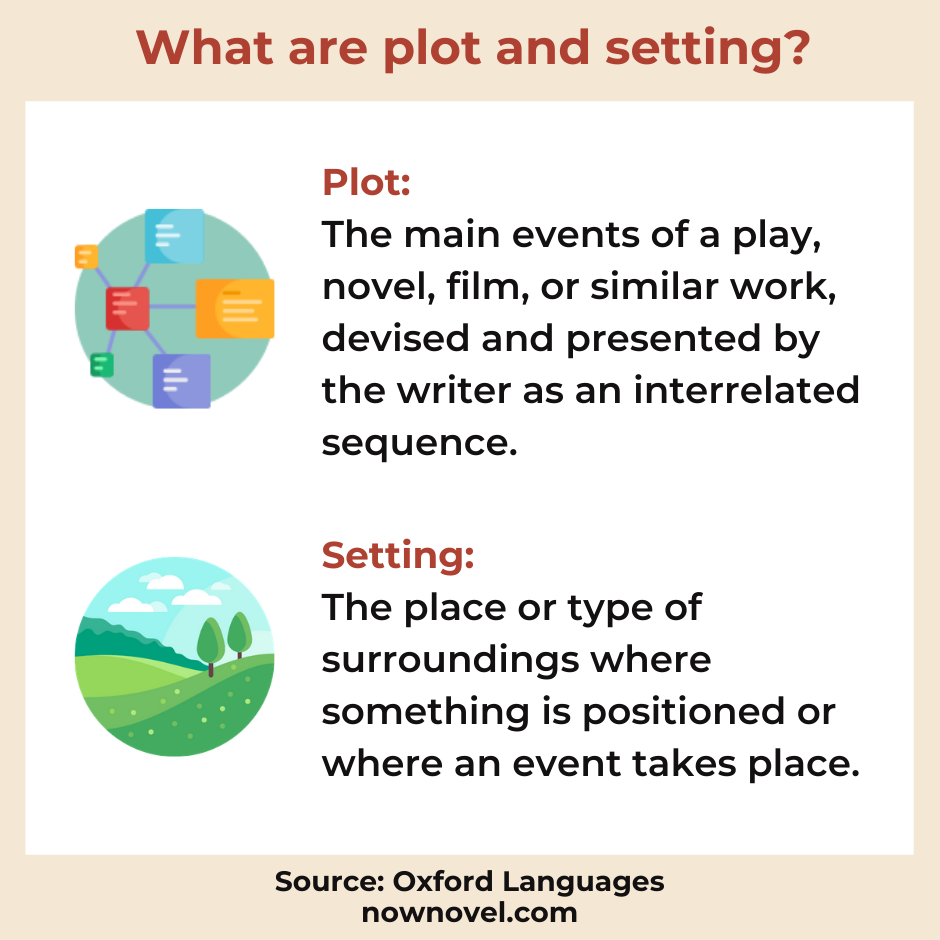
In the vast landscape of business and commerce, a brand is more than just a logo, a product, or a service; it is a meticulously crafted narrative designed to capture attention, build trust, and foster loyalty. Every compelling story, whether in literature or in marketing, requires a well-defined setting – the context in which the events unfold, the characters interact, and the core message takes root. For a brand, understanding “what is a setting for a story” means delving into the environmental, cultural, market, and customer-centric backdrops that give its narrative meaning, relevance, and resonance.
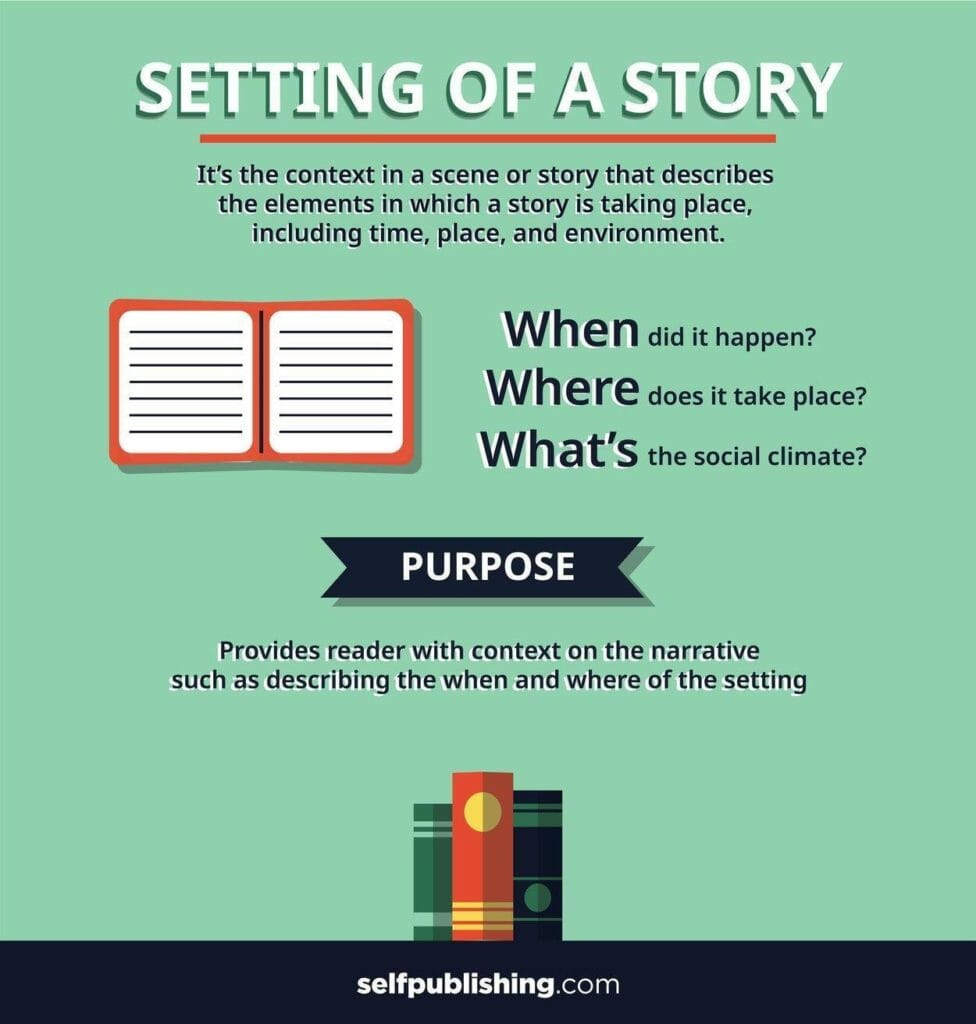
The setting of a brand’s story is not merely decorative; it is fundamental to how the brand is perceived, understood, and ultimately embraced by its audience. It shapes the brand’s voice, influences its messaging, dictates its visual identity, and positions it within the competitive arena. Without a clearly defined setting, a brand’s story risks floating aimlessly, devoid of the anchoring elements that make it believable, relatable, and impactful. This article will explore the multifaceted nature of a brand’s story setting, examining its components, its strategic importance, and how it can be masterfully utilized to forge powerful connections.
The Foundation: Understanding the Brand’s Narrative Setting
Just as a novelist creates a world for their characters, a brand strategist constructs the environment in which the brand’s purpose, values, and offerings come to life. This narrative setting is a dynamic composite of various external and internal factors that frame the brand’s existence and its interaction with its audience.
Market Landscape as Your Story’s Stage
The most immediate and critical component of a brand’s setting is the market landscape. This includes the industry in which the brand operates, the competitive environment, the regulatory framework, and the overall economic conditions.
Imagine a startup launching an innovative AI-driven tool (crossing over with tech, but still within brand strategy). The market landscape dictates whether the story is one of disruption in a stagnant industry, competition in a saturated space, or pioneering a nascent field. Is the market mature and established, demanding a narrative of differentiation and superior quality? Or is it an emerging market, where the brand’s story needs to educate, inspire, and define the future?
Understanding this stage helps a brand articulate its unique value proposition. It’s where the brand identifies its antagonists (competitors), its allies (partners), and the challenges it aims to overcome, all central elements of any good story. The economic climate, consumer spending habits, and technological advancements all contribute to the texture and mood of this stage, influencing whether the brand’s narrative should be one of resilience, ambition, or cautious innovation.
The Customer Journey as a Character’s Environment
A brand’s story is ultimately told to and for its customers, making their journey an integral part of its setting. The customer journey maps out the entire experience a potential client has with a brand, from initial awareness to post-purchase advocacy. Each touchpoint – whether it’s a social media ad, a website visit, a product unboxing, or customer service interaction – contributes to the customer’s perception of the brand’s world.
The setting here isn’t a static place; it’s the evolving emotional and practical environment of the customer as they engage with the brand. What problems are they facing that the brand aims to solve? What aspirations do they hold? What emotions are they experiencing at different stages? A luxury brand, for instance, sets its story in an environment of exclusivity, aspiration, and meticulous craftsmanship, aligning with a customer seeking prestige and elevated experience. A brand selling sustainable products, conversely, sets its story in an environment of ecological responsibility, ethical sourcing, and community impact, resonating with customers who prioritize values and environmental consciousness.
By understanding the customer’s environment – their pain points, desires, and daily routines – a brand can tailor its narrative to seamlessly fit into their lives, making the brand not just a product, but a relevant and valuable companion in their own personal story.
Cultural and Societal Contexts
Beyond the immediate market and customer, a brand’s story is always situated within broader cultural and societal contexts. These include prevailing trends, social values, political climates, historical backgrounds, and even local customs. These elements profoundly influence how a brand’s message is received and interpreted.
Consider a global brand. Its setting is not monolithic. What resonates as inspiring in one culture might be misunderstood or even offensive in another. A brand telling a story of individual achievement might thrive in individualistic cultures, while a story centered on community and collective welfare might fare better in collectivist societies. The current societal conversation around issues like diversity, sustainability, and authenticity directly impacts the credibility and relevance of a brand’s narrative. Brands that ignore these cultural currents risk appearing tone-deaf or outdated.
The best brands are those that can weave their narrative into the fabric of these larger conversations, making their story feel relevant and meaningful within the present cultural moment. They tap into existing myths, archetypes, and shared values to create a setting that feels familiar yet fresh, connecting with audiences on a deeper, often subconscious level.
Crafting a Compelling Brand Setting
Defining the setting for a brand’s story is a strategic exercise that requires introspection, research, and creative vision. It’s about intentionally building the world in which your brand’s narrative will unfold to achieve maximum impact.
Research and Insight-Driven Environment Building
Effective setting creation begins with rigorous research. This isn’t just about market analysis; it’s about deep dives into customer psychology, cultural anthropology, competitive intelligence, and historical context. What are the unmet needs in the market? What anxieties do consumers harbor? What are the emerging cultural movements?
Data from surveys, focus groups, ethnographic studies, and social listening can provide invaluable insights into the “weather” and “terrain” of your brand’s world. For example, a tech company developing an educational app for children would research current parenting trends, child development theories, existing educational gaps, and the digital habits of both children and parents to build a setting that resonates with their target audience’s concerns and aspirations. This insight-driven approach ensures that the created setting is not merely theoretical but grounded in reality, making the brand’s story more authentic and credible.
Visual and Experiential Setting Elements
Once the conceptual setting is defined, it must be translated into tangible elements that create a coherent and immersive experience. This involves brand design, visual identity, tone of voice, and overall customer experience. The color palette, typography, imagery, website design, retail space aesthetics, product packaging, and even the sounds associated with the brand all contribute to building the physical and sensory setting.
Think of Apple. Its setting is minimalist, sleek, innovative, and user-friendly – a world of seamless integration and intuitive design. This is conveyed through every aspect, from the clean lines of its stores to the simple elegance of its product packaging. A brand like Patagonia, on the other hand, sets its story in rugged outdoors, emphasizing sustainability, durability, and adventure through its earthy color schemes, natural textures, and powerful imagery of environmental activism. These visual and experiential cues are crucial in transporting the audience into the brand’s world and making its story feel real and immersive.
Emotional Resonance and the Setting
The most powerful brand settings evoke strong emotional responses. A brand’s story isn’t just about facts and features; it’s about feelings, aspirations, and values. The setting provides the emotional backdrop for these connections. Does the brand’s setting evoke feelings of security, excitement, tranquility, empowerment, or belonging?
For example, a financial services brand might create a setting that emphasizes stability, trust, and future security, aiming to alleviate financial anxieties and foster peace of mind. A travel brand might craft a setting of adventure, discovery, and escapism, tapping into desires for novelty and freedom. By intentionally designing the emotional landscape of its story, a brand can forge deeper, more memorable connections with its audience, moving beyond transactional relationships to genuine affinity and loyalty.
The Impact of a Well-Defined Brand Setting
A clearly articulated and strategically utilized brand setting is not an optional luxury; it is a fundamental pillar of effective brand strategy, yielding significant competitive advantages.
Enhancing Brand Authenticity and Relatability
When a brand’s story is set within a well-understood and relatable context, it immediately gains authenticity. Consumers are adept at detecting dissonance. If a brand claims to be innovative but operates in an outdated setting, or champions community while existing in an insular environment, its narrative will falter. A strong setting ensures that the brand’s actions, values, and messages are consistent with its environment, making the story believable and the brand trustworthy. This relatability allows consumers to see themselves, their challenges, and their aspirations reflected in the brand’s narrative, fostering a sense of connection and understanding.
Differentiation in a Crowded Market
In today’s highly competitive markets, differentiation is paramount. A distinct brand setting offers a powerful way to stand out. While many brands might offer similar products or services, their stories, and critically, the settings in which these stories unfold, can be vastly different.
Consider two coffee brands. One might set its story in the bustling, urban landscape of productivity and quick convenience, appealing to professionals on the go. Another might set its story in the serene, cozy environment of artisanal craftsmanship and slow, mindful enjoyment. Both sell coffee, but their settings create entirely different brand experiences and attract distinct audiences. By carefully curating its unique narrative setting, a brand carves out its own niche, making it difficult for competitors to replicate not just its offerings, but its entire world.
Fostering Stronger Customer Connections
A compelling brand setting helps to build emotional loyalty, turning customers into advocates. When customers feel immersed in a brand’s story and its world, they develop a deeper attachment that transcends mere product utility. They become part of the story, identifying with its values, its purpose, and its ethos. This strong connection leads to repeat purchases, positive word-of-mouth, and a resilience against competitive pressures. The brand is no longer just a supplier; it becomes a companion, a symbol, or even a community that customers proudly associate with.
Adapting Your Brand Setting for Evolving Narratives
The world is not static, and neither should a brand’s story setting be. To remain relevant and impactful, brands must be prepared to adapt their settings in response to dynamic market shifts, evolving cultural norms, and emerging consumer behaviors.
Agility in Response to Market Shifts
Market landscapes can change rapidly due to technological advancements, economic downturns, new regulations, or the emergence of disruptive competitors. A brand’s narrative setting must possess a degree of agility to reflect these changes. This doesn’t mean abandoning the core identity, but rather subtly adjusting the backdrop to remain current and relevant. For example, a luxury brand that traditionally set its story in an exclusive, aspirational world might need to adapt its setting to incorporate elements of sustainability and ethical production as consumer values shift, without compromising its core message of quality and prestige. Strategic marketing communications, product development, and visual updates can help recalibrate the setting to align with new realities.
Global vs. Local Settings
For brands operating across multiple geographies, the challenge of setting becomes even more complex. What is a compelling setting in one country might be entirely inappropriate or ineffective in another. Global brands often need to master the art of creating overarching narrative principles while allowing for localized interpretations of their setting. This might involve adapting visual elements, language, and cultural references to resonate with local audiences, ensuring the brand’s story feels authentic and relevant within each specific context. It’s about understanding the nuances of local culture and societal values to craft a setting that truly connects, rather than imposing a one-size-fits-all narrative.

Conclusion
In the realm of branding, “what is a setting for a story” is a question that unlocks profound strategic insights. It moves beyond superficial aesthetics to grasp the intricate interplay of market dynamics, customer psychology, and cultural currents that define a brand’s operational environment. A meticulously crafted brand setting provides the necessary context for its narrative to thrive, fostering authenticity, enabling differentiation, and building lasting customer connections. It is the invisible architecture that supports the visible manifestations of a brand, ensuring that every message, every experience, and every interaction contributes to a coherent, compelling, and ultimately successful story that resonates deeply with its audience. Brands that understand and master their narrative setting are not just selling products; they are inviting customers into a world where their own stories can beautifully intersect with that of the brand.
aViewFromTheCave is a participant in the Amazon Services LLC Associates Program, an affiliate advertising program designed to provide a means for sites to earn advertising fees by advertising and linking to Amazon.com. Amazon, the Amazon logo, AmazonSupply, and the AmazonSupply logo are trademarks of Amazon.com, Inc. or its affiliates. As an Amazon Associate we earn affiliate commissions from qualifying purchases.