
In the realm of data analysis, research, and informed decision-making, the concept of a sampling frame is fundamental. It’s a crucial element that underpins the validity and reliability of any study attempting to draw conclusions about a larger population based on a smaller subset. Without a well-defined and accurately represented sampling frame, the entire research endeavor can be compromised, leading to inaccurate insights and potentially flawed strategies. This article will delve into the intricacies of what constitutes a sampling frame, its paramount importance, and the various forms it can take, particularly within the context of the technology sector.

The Foundation of Accurate Data: Defining the Sampling Frame
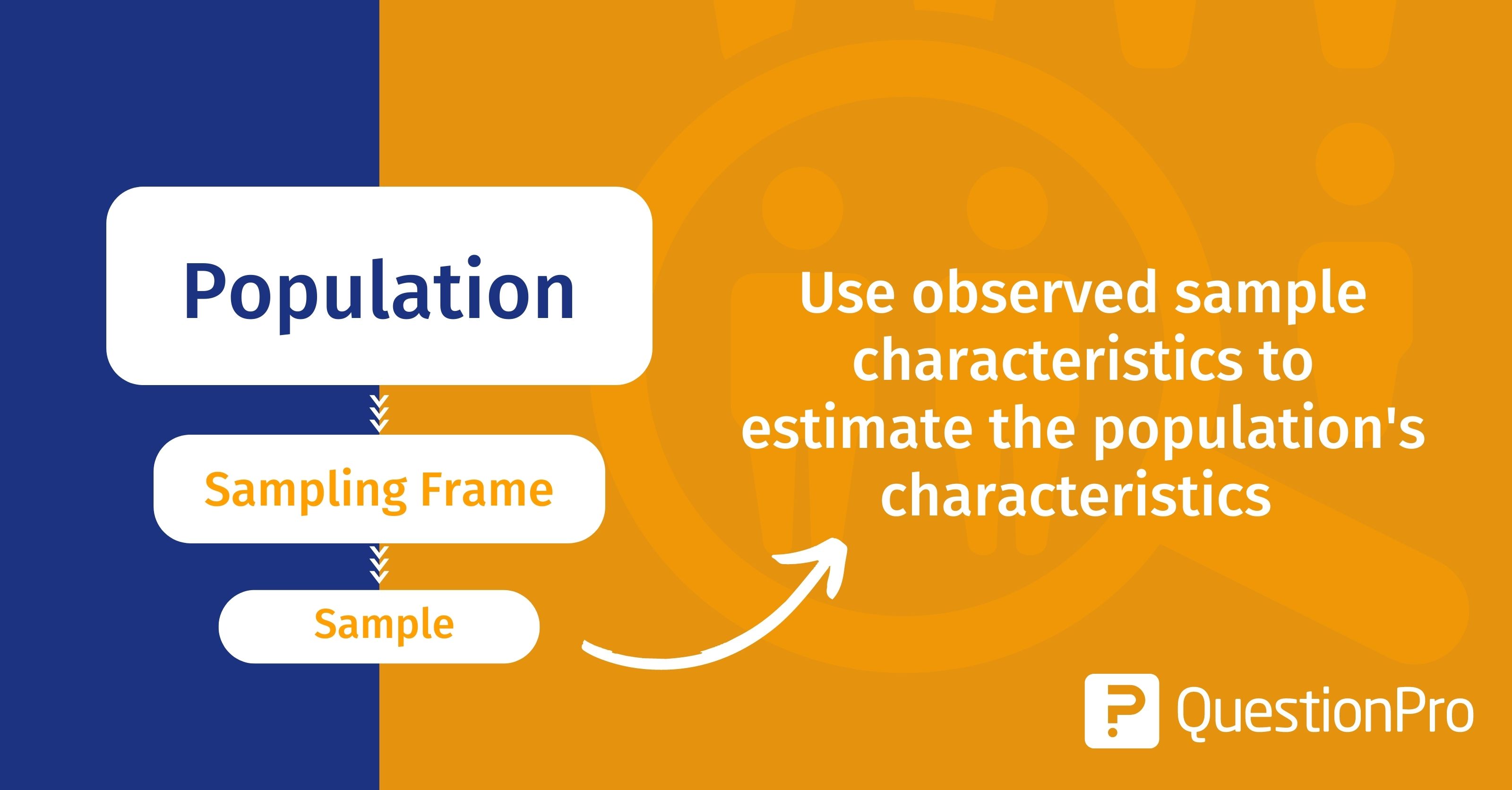
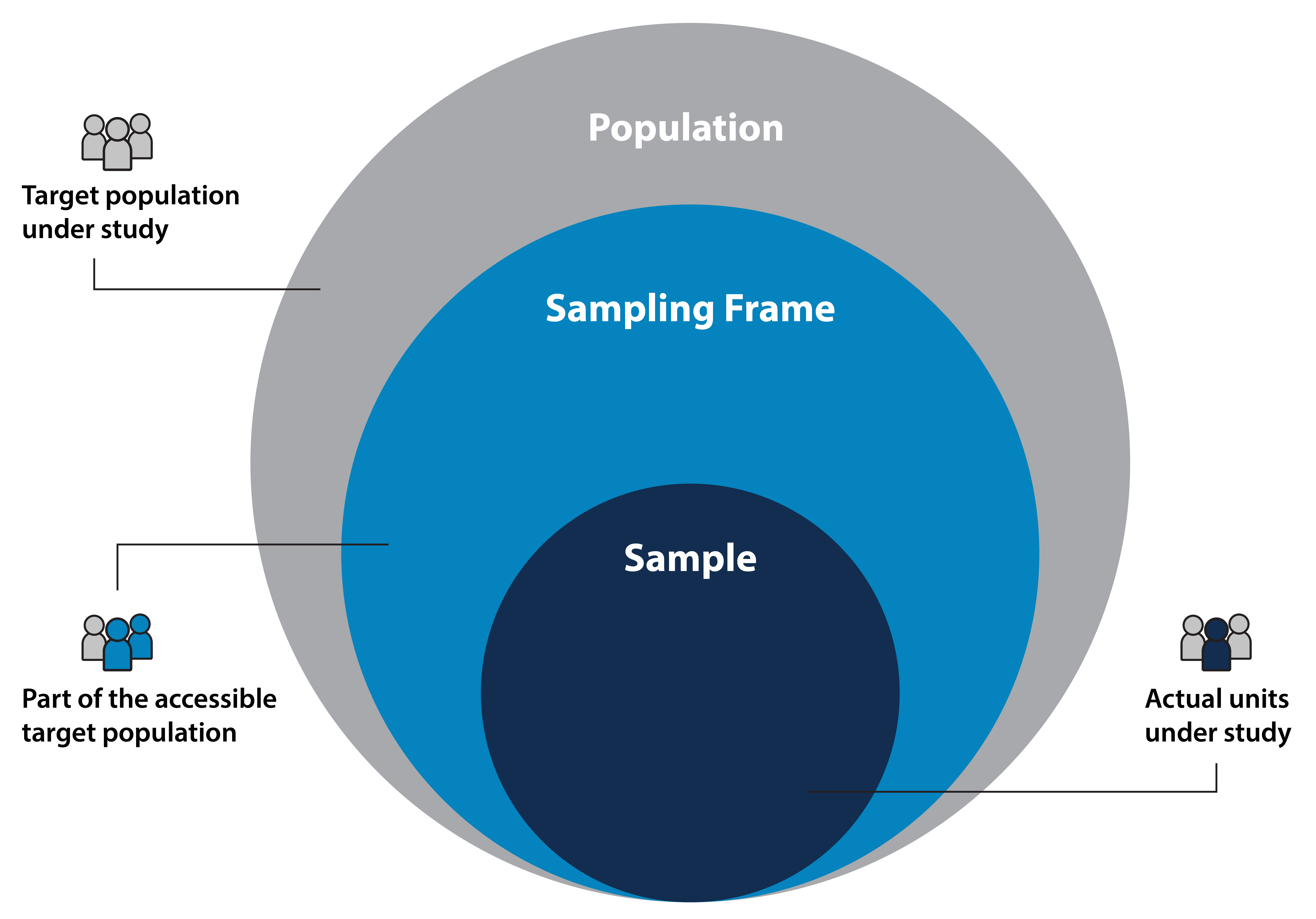
A sampling frame is essentially a list or map of all the individuals, objects, or events from which a sample is drawn. It acts as the tangible representation of the target population, the universe we are interested in understanding. Think of it as the “source material” from which your research participants or data points will be selected. The quality of this frame directly dictates the quality of the conclusions you can draw. If the frame is incomplete, inaccurate, or biased, the sample derived from it will also be inherently flawed, leading to what is known as sampling error.
The Target Population vs. The Sampling Frame
It’s vital to distinguish between the target population and the sampling frame. The target population is the entire group of individuals or entities that the researcher is interested in studying and about whom they wish to generalize their findings. For instance, if a tech company wants to understand the usage patterns of its new mobile application, the target population might be “all current users of the [App Name] mobile application worldwide.”
The sampling frame, on the other hand, is the operationalized version of this target population that is accessible for sampling. In our app example, the sampling frame might be the list of all registered users who have logged into the app at least once in the past month, as maintained in the company’s user database. The ideal scenario is for the sampling frame to be a perfect reflection of the target population, but in practice, this is rarely the case.
Characteristics of a Good Sampling Frame
A robust sampling frame possesses several key characteristics:
- Completeness: It should include all, or as close to all as possible, members of the target population. Any omissions can lead to underrepresentation of certain segments.
- Accuracy: The information within the frame (e.g., names, contact details, identifiers) should be up-to-date and correct. Outdated information can lead to inability to contact or identify intended sample members.
- Uniqueness: Each member of the target population should appear only once in the sampling frame. Duplicates can lead to oversampling of specific individuals or entities.
- Relevance: The frame should contain information relevant to the sampling process. For example, if you intend to sample by age, the frame should ideally include age data for each member.
- Accessibility: The members listed in the frame must be accessible for sampling. If a significant portion of the frame comprises individuals who cannot be reached, the frame is less effective.
The pursuit of these characteristics is paramount in ensuring that the sample drawn is representative, thereby enhancing the generalizability of the research findings to the broader target population.
The Pivotal Role of the Sampling Frame in Tech Research
In the dynamic and rapidly evolving technology sector, the sampling frame plays an indispensable role in understanding user behavior, market trends, product adoption, and the effectiveness of digital initiatives. Whether it’s a software developer seeking feedback on a beta product, a cybersecurity firm assessing threat landscapes, or a marketing team evaluating the reach of a digital campaign, a well-constructed sampling frame is the bedrock of any credible study.
Understanding User Behavior and Product Development
Tech companies invest heavily in understanding their users. This understanding drives product development, feature prioritization, and overall user experience enhancement. A sampling frame is essential for conducting user surveys, usability testing, and A/B testing.
- App Usage and Feature Adoption: To understand how users interact with a new feature, a company might create a sampling frame of all active users who have downloaded the latest version of their application. This frame allows them to select a representative subset to participate in a survey about their experience with the new feature. Without this frame, they might resort to convenience sampling, potentially missing critical insights from specific user segments.
- Software Testing and Bug Reporting: When testing new software, a sampling frame of beta testers could be crucial. This frame might comprise individuals who have registered for the beta program and meet specific demographic or technical criteria relevant to the software being tested. This ensures that feedback is gathered from a relevant and potentially diverse group of users.
- Online Service Satisfaction: For online services, the sampling frame might be a list of all subscribers who have been active in the past quarter. This allows for the selection of a sample to gauge satisfaction levels, identify pain points, and inform service improvements.
Market Research and Competitive Analysis
In the competitive tech landscape, staying ahead requires a deep understanding of the market. Sampling frames are vital for conducting effective market research.
- Technology Adoption Rates: To gauge the adoption rate of a new technology (e.g., cloud computing, IoT devices), researchers might define a sampling frame of businesses that are likely early adopters, perhaps based on industry sector, company size, or existing technology infrastructure.
- Competitive Product Analysis: When analyzing competitor products, a sampling frame of users of those competing products can be invaluable. This could involve scraping publicly available user reviews or utilizing third-party data sources to create a list of individuals who have engaged with a competitor’s offering.
- Website Traffic and Engagement: For digital marketing efforts, understanding website visitors is key. A sampling frame of website visitors, perhaps segmented by traffic source or session duration, can be used to administer surveys or analyze behavior patterns to optimize marketing strategies.
Cybersecurity and Threat Intelligence
The field of cybersecurity relies heavily on accurate data to identify and mitigate threats. Sampling frames are instrumental in this domain.
- Vulnerability Assessment: To assess the prevalence of a particular software vulnerability, a sampling frame of organizations using a specific operating system or software package might be created. This allows for targeted surveys or data collection to understand the extent of exposure.
- Malware Analysis: When analyzing the spread of malware, researchers might define a sampling frame of infected systems or devices based on telemetry data. This frame allows for the selection of specific instances for deeper analysis of malware behavior and distribution patterns.
- Phishing Campaign Effectiveness: To understand the effectiveness of phishing awareness training, a sampling frame of employees within an organization can be created, from which a sample can be selected to participate in simulated phishing exercises.
Types of Sampling Frames and Their Implications in Tech
The nature of the sampling frame is intrinsically linked to the methodology used to draw the sample. Different types of sampling frames lend themselves to different sampling techniques, each with its own strengths and weaknesses, particularly in a tech context.
Digital Databases and User Registries
In the digital age, many tech-related sampling frames are derived from readily available digital databases.
- User Account Databases: For web applications and software, the user account database is a common source for a sampling frame. This list of registered users, often containing email addresses, usernames, and basic demographic information (if collected), is a direct representation of those who have actively engaged with the service.
- Implications: While comprehensive, these databases may suffer from staleness if not regularly maintained. Inactive accounts might still be present, and the data might not reflect current user demographics or behaviors.
- Customer Relationship Management (CRM) Systems: CRM systems house extensive customer data, making them excellent sources for sampling frames when researching customer satisfaction, product adoption, or service usage among existing customers.
- Implications: The quality and completeness of the CRM data are critical. Inaccurate or incomplete entries can significantly skew results.
- Software Registries and License Servers: For software companies, lists of licensed users or active installations on devices can serve as sampling frames for understanding software usage, feature adoption, or technical issues.
- Implications: This frame might exclude users who are using pirated software or those who have uninstalled the software but remain in the registry for a period.
Publicly Available Data and Directories
In some cases, publicly accessible information can form the basis of a sampling frame.
- Publicly Available User Forums and Social Media Groups: For market research or sentiment analysis, lists of members within specific technology-focused online forums or social media groups can act as a sampling frame.
- Implications: This frame is inherently biased towards individuals who are vocal and active in these public spaces, potentially excluding a large segment of the broader user base.
- Industry Directories and Association Member Lists: For B2B tech research, directories of companies within a specific industry or membership lists of relevant tech associations can serve as sampling frames.
- Implications: These lists can be outdated and may not accurately reflect the current technological landscape or the specific technologies being utilized by listed companies.
Custom-Built or Derived Frames
Sometimes, a specific research objective necessitates the creation of a bespoke sampling frame.
- Telemetric Data Logs: For IoT devices or complex software systems, logs of telemetric data can be used to create a sampling frame of devices or users exhibiting specific behaviors or experiencing particular events.
- Implications: This frame is highly specific to the observed behavior and might not capture the full spectrum of the target population. Privacy concerns also need careful consideration.
- Web Scraping and Aggregation: Researchers might use web scraping techniques to compile lists of individuals or entities based on specific online criteria, such as website owners of e-commerce stores or developers contributing to open-source projects.
- Implications: This method raises ethical and legal considerations regarding data usage and can be prone to inaccuracies and biases inherent in the scraping process.
Challenges and Best Practices in Constructing and Utilizing Sampling Frames in Tech
Creating and maintaining an effective sampling frame in the tech industry is not without its challenges. The rapid pace of technological change, the ephemeral nature of online identities, and the sheer volume of data can make this a complex undertaking. However, by adhering to best practices, researchers can mitigate these challenges and ensure the integrity of their studies.
Common Pitfalls in Tech Sampling Frames
- Outdated Information: User bases, software installations, and online presences are constantly changing. An unmaintained sampling frame quickly becomes obsolete, leading to a sample that no longer reflects the target population.
- Example: A list of users from two years ago may not represent the current user demographic or their engagement levels with a recently updated application.
- Undercoverage: This occurs when the sampling frame omits a significant portion of the target population. In tech, this can happen if the frame only includes users from a specific platform (e.g., iOS users only) or excludes users who have opted out of data collection.
- Example: Sampling only users who have consented to marketing communications will miss the segment of users who have not opted in, potentially leading to a skewed view of overall product satisfaction.
- Overcoverage: Including individuals or entities in the sampling frame that are not part of the target population. This can lead to wasted resources and inaccurate data.
- Example: Including email addresses of former employees in a sampling frame for current employee satisfaction surveys.
- Duplication: The same individual or entity appearing multiple times in the sampling frame. This can result in oversampling and biased results.
- Example: A user having multiple accounts within the same system, and both accounts appearing on the sampling frame for a survey.
- Lack of Granularity: The sampling frame may not contain the necessary demographic or behavioral data to stratify the sample effectively, leading to a less representative selection.
- Example: A list of all app users without any information on their usage frequency or feature adoption makes it difficult to sample for a study focused on advanced feature users.
Best Practices for Developing and Maintaining Tech Sampling Frames
- Regular Updates and Validation: Implement a robust process for regularly updating and validating the sampling frame. This includes removing inactive accounts, verifying contact information, and incorporating new users.
- Action: Schedule monthly or quarterly reviews of user databases and CRM systems. Implement automated scripts to flag potentially outdated entries.
- Cross-Referencing and Data Enrichment: Where possible, cross-reference data from multiple sources to ensure accuracy and completeness. Enrich the frame with relevant demographic or behavioral data if available and ethically permissible.
- Action: Combine user registration data with app usage analytics to create a more nuanced sampling frame for user behavior studies.
- Clear Definition of the Target Population: Before constructing the sampling frame, precisely define the target population. This clarity will guide the inclusion and exclusion criteria for the frame.
- Action: For a study on cloud adoption, clearly define “cloud adoption” and the types of businesses that qualify as targets.
- Consideration of Different Platforms and Access Methods: Acknowledge that users access technology through various devices and platforms. Ensure the sampling frame accounts for this diversity to avoid undercoverage.
- Action: If researching mobile app usage, ensure the sampling frame includes users across both iOS and Android devices.
- Ethical Considerations and Privacy: Always prioritize ethical data handling and respect user privacy. Ensure compliance with relevant data protection regulations (e.g., GDPR, CCPA) when constructing and utilizing sampling frames.
- Action: Obtain explicit consent for data usage where necessary and anonymize data whenever possible. Be transparent about how data is collected and used.
- Documentation and Transparency: Thoroughly document the process of creating and updating the sampling frame, including its sources, inclusion/exclusion criteria, and any known limitations. This transparency is crucial for the reproducibility and credibility of research.
- Action: Maintain a detailed log of all changes, data sources, and rationale behind sampling frame decisions.
By actively addressing these challenges and implementing these best practices, researchers in the technology sector can construct and utilize sampling frames that are robust, representative, and ultimately lead to more accurate and actionable insights. The investment in a high-quality sampling frame is an investment in the reliability and impact of the research itself.
aViewFromTheCave is a participant in the Amazon Services LLC Associates Program, an affiliate advertising program designed to provide a means for sites to earn advertising fees by advertising and linking to Amazon.com. Amazon, the Amazon logo, AmazonSupply, and the AmazonSupply logo are trademarks of Amazon.com, Inc. or its affiliates. As an Amazon Associate we earn affiliate commissions from qualifying purchases.