
In the modern smart home ecosystem, the silent threat of carbon monoxide (CO) has met its match in advanced sensor technology. For decades, the answer to “what is a safe level of carbon monoxide” was binary: either the alarm was screaming, or it was silent. However, with the integration of Internet of Things (IoT) devices, high-fidelity electrochemical sensors, and sophisticated data analytics, our understanding of environmental safety has shifted from reactive emergency response to proactive digital monitoring.
Today, a “safe level” of carbon monoxide is no longer just a figure on a dial; it is a data point integrated into a broader digital security and health-tech strategy. This article explores the technical nuances of CO detection, the digital infrastructure required to monitor these levels, and how smart technology is redefining domestic safety standards.

The Evolution of Carbon Monoxide Detection Technology
To understand what constitutes a safe level of CO, one must first understand the hardware responsible for measuring it. The technology has evolved from simple chemical biomimetic strips to sophisticated digital components capable of detecting trace amounts of gas.
Electrochemical vs. Metal Oxide Semiconductor Sensors
Most modern high-end smart detectors utilize electrochemical sensors. These components function as a sort of battery where one of the electrodes is the gas itself. When CO enters the sensor, a chemical reaction occurs that generates an electrical current proportional to the concentration of the gas. This analog signal is then converted by an onboard Analog-to-Digital Converter (ADC), allowing the device’s firmware to process the exact parts per million (PPM).
Conversely, Metal Oxide Semiconductor (MOS) sensors use a heated tin dioxide chip. When CO molecules interact with the surface, the resistance of the chip changes. While durable, these are often less precise for low-level monitoring than electrochemical variants, making electrochemical tech the gold standard for integrated tech suites.
The Role of Microcontrollers in Alarm Logic
A “dumb” alarm simply triggers a siren when a threshold is met. A smart detector, however, utilizes a microcontroller (MCU) to apply complex algorithms to the incoming data. This logic prevents “nuisance alarms” by differentiating between a momentary spike (perhaps from a nearby garage) and a sustained, life-threatening accumulation. The MCU is programmed with time-weighted averages, ensuring that the device responds to low levels over long periods and high levels instantly.
Interpreting the Data: What Safe Levels Mean in a Digital Context
In the world of tech-driven safety, we define safety thresholds through PPM (Parts Per Million) measurements. Digital displays and smartphone apps allow users to see these numbers in real-time, providing a level of transparency that older hardware could not offer.
PPM Thresholds and Smart Notification Protocols
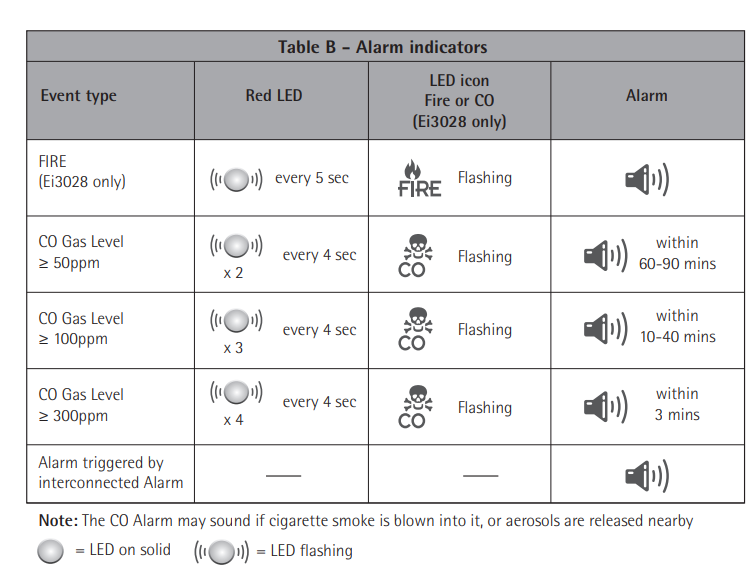
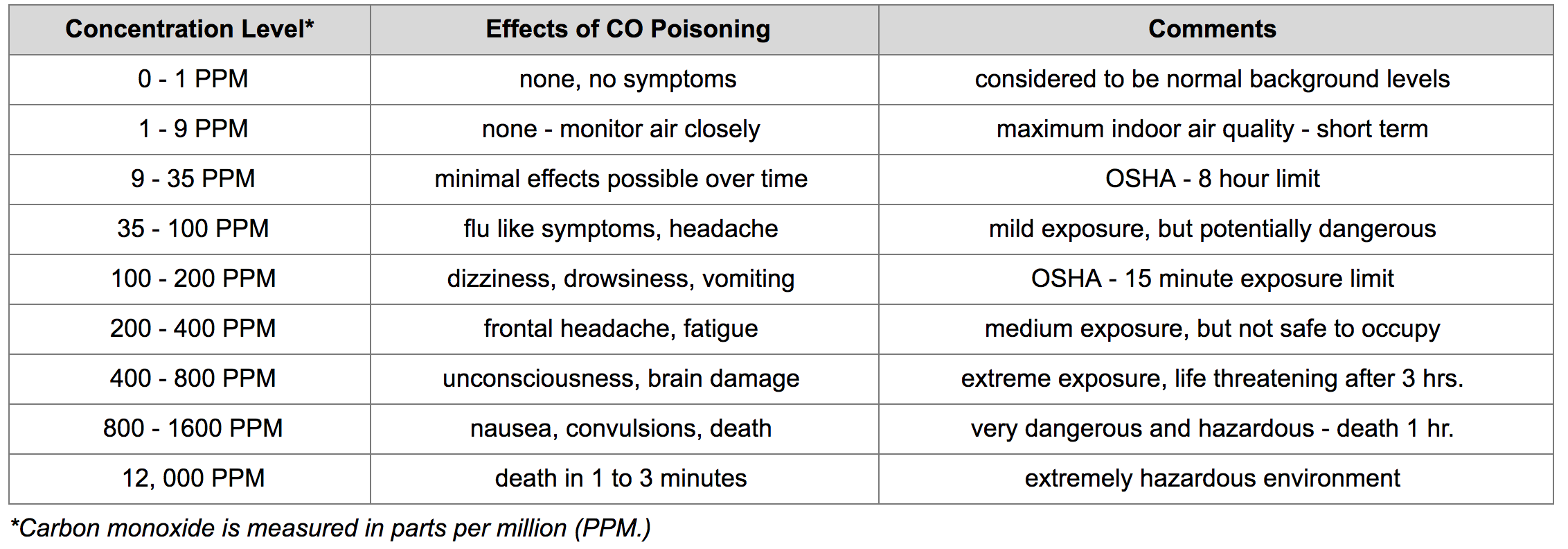
Technically, the “safe” level of carbon monoxide for long-term exposure is near zero. Ambient air typically contains 0 to 0.5 PPM. Here is how modern smart systems categorize the data they receive:
- 0–9 PPM: Considered normal. High-end sensors can track this, but smart apps usually won’t notify a user unless they check the historical logs.
- 10–35 PPM: Marginal. While not immediately dangerous, sustained exposure over days can cause fatigue. A smart home system might push a “Low Level” notification to a smartphone, suggesting a check of the HVAC system.
- 35–70 PPM: Elevated. This is the threshold where OSHA (Occupational Safety and Health Administration) begins to take interest in workplace environments. Smart sensors often trigger a persistent notification but might not sound the full siren yet, depending on the duration of the reading.
- 100+ PPM: Dangerous. At this level, the “Life Safety” protocol in the software takes over, bypassing “Do Not Disturb” settings on connected mobile devices and sounding the physical alarm.
Historical Data Logging and Pattern Recognition
The advantage of tech-integrated safety is the ability to view historical data. If a sensor consistently records 15 PPM every Tuesday morning, a user can review the digital logs and realize that it coincides with a specific activity, such as a vehicle idling near an intake vent. This predictive capability transforms the device from a mere alarm into a diagnostic tool for home health.
Integrating CO Safety into the IoT Ecosystem
The true power of modern CO monitoring lies in its connectivity. When a sensor is part of a larger smart home framework, the response to an unsafe level of carbon monoxide becomes automated and multifaceted.
Hub-Based vs. Wi-Fi Direct Architectures
Smart CO detectors generally fall into two architectural categories. Hub-based systems (using protocols like Zigbee or Z-Wave) connect to a central smart home controller. This is often more power-efficient, allowing for longer battery life in the sensors. Wi-Fi direct sensors connect straight to the home router, offering easier setup but higher power consumption.
The technical importance of this architecture cannot be overstated: if the Wi-Fi goes down during a CO event, a Zigbee-based system with a local hub can still trigger automated local responses (like turning off the furnace) even without an active internet connection.
Interconnectivity and Automated Emergency Responses
In a fully integrated smart home, a CO detector sensing 100 PPM does more than beep. It communicates with other devices via APIs (Application Programming Interfaces) or platforms like Apple Home, Google Home, or Amazon Alexa:
- HVAC Integration: The system can automatically shut down the furnace or boiler, which is often the source of the leak.
- Smart Lighting: Lights can be set to turn on and flash red, assisting in evacuation during the night.
- Smart Locks: The front door can automatically unlock to allow emergency responders easy access.
- Air Purification: High-end air purification systems can be ramped up to maximum ventilation to attempt to scrub or move air, though the primary goal remains evacuation.
Digital Security and Maintenance of Smart Sensors
Because CO detectors are now networked devices, they fall under the umbrella of digital security. A compromised safety sensor is a significant liability, making cybersecurity a core component of “safe levels.”
Over-the-Air (OTA) Updates and Cybersecurity
Manufacturers regularly push OTA updates to smart detectors. These updates might refine the sensor’s calibration algorithms or patch security vulnerabilities that could allow a malicious actor to disable the alarm remotely. For a level to be considered “safe,” the software managing that sensor must be running the latest, most secure version of its firmware.
Self-Diagnostic Algorithms and Sensor Longevity
One of the most common points of failure in traditional alarms is an expired sensor or dead battery. Tech-forward solutions use self-diagnostic algorithms that perform “heartbeat” checks every few minutes. If the electrochemical cell begins to degrade or if the battery voltage drops below a certain millivolt threshold, the system sends an proactive alert to the user’s phone. This eliminates the “chirp” of a dying battery and replaces it with actionable digital data, ensuring the device is always ready to monitor safe levels.
Future Trends in Environmental Sensing
As we look toward the future of technology in the safety sector, the definition of a “safe level” will likely become even more personalized and predictive.
AI-Powered Predictive Threat Analysis
Artificial Intelligence is beginning to play a role in environmental monitoring. Future systems will not just look at CO levels in isolation but will correlate them with indoor humidity, temperature, and even outdoor air quality data. Machine learning models can predict a rise in CO before it reaches dangerous levels by recognizing the specific “signature” of a malfunctioning appliance, providing an even earlier warning system.
Miniaturization and Wearable Tech Integration
We are moving toward a world where CO sensing isn’t just limited to the walls of our homes. The miniaturization of electrochemical sensors is allowing for integration into wearable devices and smartphones. In the near future, your smartwatch might be the device that tells you whether the CO level in a hotel room or a taxi is safe, providing a personal safety bubble backed by real-time cloud analytics.
In conclusion, a safe level of carbon monoxide is no longer a mystery to be solved with a handheld meter or a binary alarm. Through the lens of modern technology, it is a precisely measured metric, managed by sophisticated hardware, protected by cybersecurity protocols, and integrated into a life-saving digital ecosystem. As tech continues to advance, our ability to monitor, analyze, and react to this invisible threat will only become more seamless, ensuring that “safe” remains the status quo.
aViewFromTheCave is a participant in the Amazon Services LLC Associates Program, an affiliate advertising program designed to provide a means for sites to earn advertising fees by advertising and linking to Amazon.com. Amazon, the Amazon logo, AmazonSupply, and the AmazonSupply logo are trademarks of Amazon.com, Inc. or its affiliates. As an Amazon Associate we earn affiliate commissions from qualifying purchases.