
The Rosary as a Product and Its Design Identity
A rosary necklace, at its core, is a string of beads used in various Christian traditions, most notably Catholicism, as a tool for prayer and meditation. However, from a brand perspective, it transcends mere utility to embody a rich design identity, serving as a powerful symbol with inherent aesthetic and spiritual value. Understanding “what a rosary necklace is” through the lens of branding requires examining its design, craftsmanship, and the symbolic language it communicates.
Form and Function: Design Elements
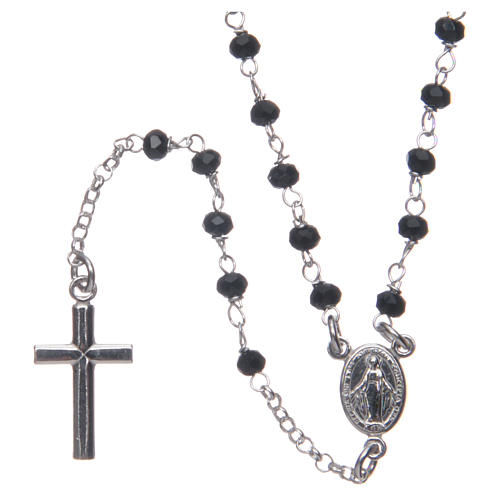
Every rosary necklace is a carefully constructed item, its components acting as critical design elements that contribute to its overall brand identity. The standard rosary consists of a crucifix, a medal (often depicting Mary), and a series of beads divided into five decades (sets of ten smaller beads) separated by larger “Our Father” beads. These elements are not arbitrary; they are meticulously arranged to guide the user through specific prayers.
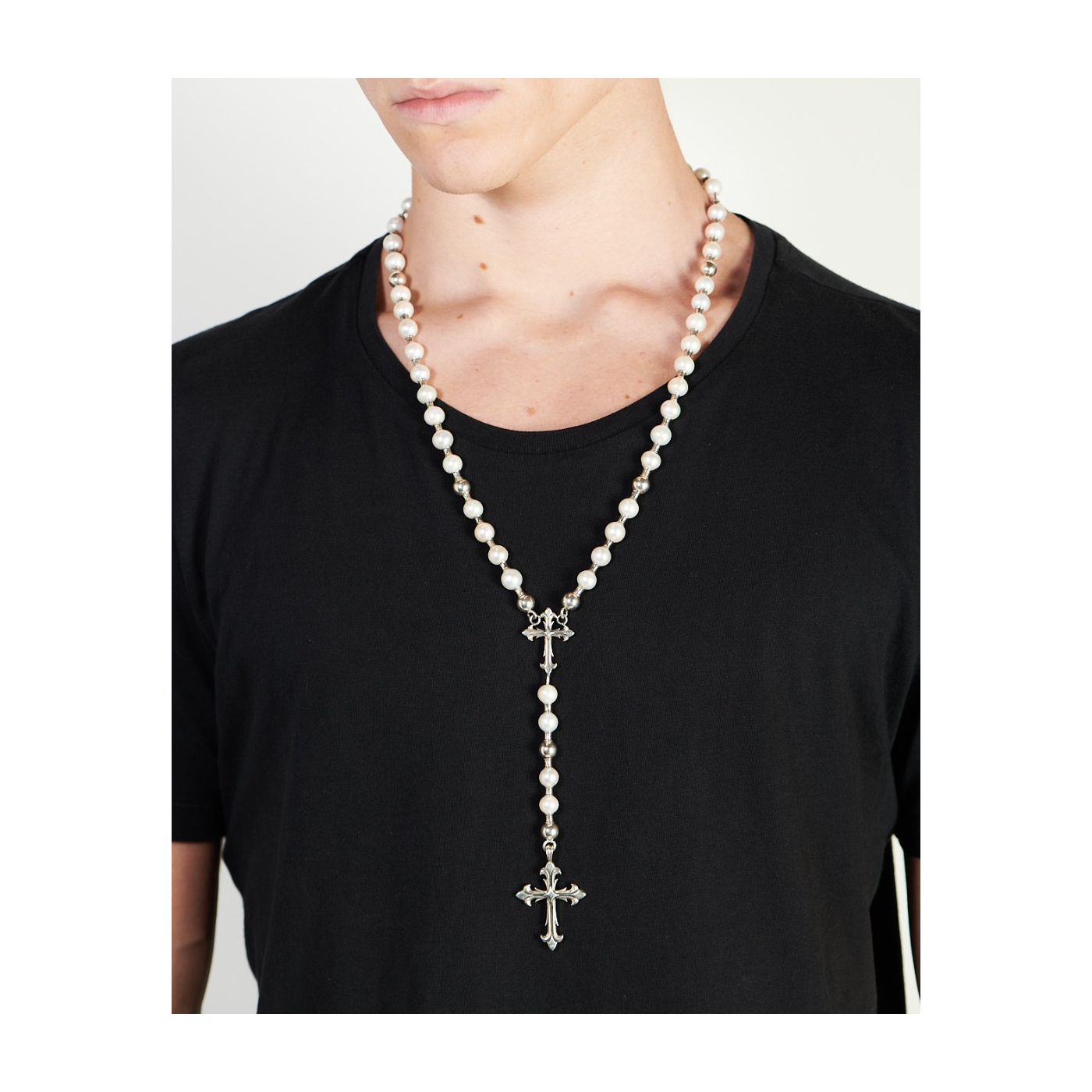
From a design standpoint, the arrangement dictates not only function but also form. The tactile experience of moving beads serves a mnemonic purpose, but the visual progression also creates a recognizable silhouette. This consistent structure across countless variations provides a fundamental recognition factor, akin to a strong corporate logo. Deviations from this standard form, while possible, often aim to differentiate or signify a particular subset within the broader “rosary” category, much like product line extensions within a brand portfolio. The material, size, and embellishments of these core elements become key differentiators for various “brands” or styles of rosaries.
Materiality and Craftsmanship as Brand Markers
The choice of materials and the level of craftsmanship significantly contribute to the perceived value and unique brand identity of a rosary necklace. Beads can range from simple wood or plastic to semi-precious stones, pearls, crystal, glass, or even precious metals. The crucifix and medal might be crafted from base metals, sterling silver, or gold, often featuring intricate detailing, enamel work, or embedded gems.
Each material choice conveys a distinct message about quality, durability, and luxury, directly influencing the rosary’s market positioning. A rosary made with simple wooden beads might evoke humility and tradition, appealing to a different segment than one crafted from Swarovski crystals or polished hematite, which might suggest elegance or contemporary style. The craftsmanship – whether mass-produced or painstakingly handcrafted – further refines this identity. Artisanal rosaries, often featuring unique wire-wrapping, custom-cast medals, or rare beads, command premium pricing and cultivate a niche brand based on exclusivity, heritage, and artistic merit. These material and craftsmanship decisions are akin to a luxury brand carefully selecting fabrics and manufacturing processes to uphold its brand promise.
Symbolic Language in Design
Beyond its physical components, the rosary necklace’s design is imbued with profound symbolic language, which forms a crucial part of its intrinsic brand narrative. The crucifix represents sacrifice and redemption; the medal often signifies Marian devotion. The specific number of beads and their arrangement symbolize the structure of prayer. Even the color of the beads can carry meaning – blue for Mary, red for the Holy Spirit, white for purity.
This rich tapestry of symbolism transforms the object into more than just a piece of jewelry or a prayer tool; it becomes an emblem of faith, devotion, and identity. For an individual, wearing a rosary necklace can be a public declaration of personal belief, a form of personal branding that communicates deeply held values without uttering a word. For designers or manufacturers, incorporating specific symbols, historical motifs, or regional artistic styles allows them to craft a distinct brand identity that resonates with particular cultural or devotional segments. The ability of the design to communicate complex ideas and emotions so directly is a testament to its powerful and enduring brand identity.
Brand Narrative: The Rosary’s Intrinsic Identity
The brand narrative of a rosary necklace is deeply intertwined with its historical context, spiritual significance, and its evolving role in personal expression. Unlike commercial brands built through marketing campaigns, the rosary’s narrative has evolved organically over centuries, establishing an intrinsic identity that is both sacred and culturally resonant. Understanding this narrative helps illuminate its powerful, enduring appeal.
Historical Context and Enduring Appeal
The rosary’s origins are traditionally traced back to the 12th and 13th centuries, gaining significant prominence through the Dominicans. Its narrative is one of tradition, continuity, and an unbroken lineage of faith. This deep historical root provides an unparalleled authenticity and heritage that contemporary brands strive to emulate. The story of the rosary is not just about its form but about the millions of lives it has touched, the prayers offered, and the solace it has provided across generations.
This enduring appeal is a testament to its robust “brand loyalty.” Users are drawn not just to the object, but to the collective memory and spiritual efficacy associated with it. For designers and retailers, leveraging this historical narrative means tapping into a pre-existing, deeply respected identity. It allows them to position their products within a grander, more significant story, lending gravitas and resonance that advertising alone could never achieve. The rosary’s “brand story” is arguably one of the oldest and most consistently communicated narratives in human history.
Spiritual Significance as a Core Value Proposition
The primary value proposition of a rosary necklace lies in its spiritual significance. It is not merely an accessory but a sacramental, an aid to prayer, and a tangible link to the divine. This spiritual utility offers profound psychological and emotional benefits: comfort, focus, a sense of connection, and a reminder of one’s faith. For a devout individual, the rosary embodies a direct spiritual channel.
From a brand strategy perspective, this spiritual core is the ultimate differentiator. While other necklaces might offer aesthetic beauty or status, the rosary offers spiritual nourishment and purpose. Brands that produce rosaries implicitly promise to uphold and facilitate this spiritual experience. Their success hinges on their ability to craft an object that respectfully serves this profound purpose, without trivializing its sacred role. This means ensuring authenticity, quality, and a design that aids rather than distracts from devotion. The rosary’s brand promise is deeply embedded in its functionality as a spiritual tool.
Personal Branding Through Adornment
While traditionally a devotional item, the rosary necklace has also evolved into a form of personal adornment that contributes to individual identity and personal branding. Wearing a rosary, especially outside of traditional religious contexts, can be a deliberate choice to express individuality, cultural affiliation, or a blend of personal style and spiritual inclination.

Individuals use accessories to craft their personal brand – how they wish to be perceived by the world. For some, a rosary necklace might communicate a commitment to faith, signaling humility or traditional values. For others, particularly in fashion, it might be an edgy statement, a reclamation of cultural symbols, or a deliberate juxtaposition of sacred and secular. This versatility in personal branding allows the rosary to transcend its original intent, demonstrating its adaptability and symbolic power across diverse contexts. Designers catering to this broader audience often experiment with materials, sizes, and styles, creating rosaries that resonate with specific fashion trends or subcultures, effectively expanding its “brand reach” beyond the purely devotional market.
Market Positioning and Differentiation
In the diverse landscape of religious goods and fashion accessories, the rosary necklace occupies a unique market position. Its inherent spiritual value and long history give it a distinctive edge, but effective market positioning and differentiation strategies are still crucial for manufacturers and designers to stand out.
Niche Markets and Target Audiences
The market for rosary necklaces is segmented into several key niches, each with distinct target audiences. The primary segment comprises devout individuals seeking a traditional prayer aid, valuing authenticity, durability, and reverent design. This segment might seek rosaries made from classic materials like wood, glass, or robust metals, often adhering to established ecclesiastical designs.
Beyond this, there are markets for heirloom-quality rosaries, often made from precious metals and gemstones, targeting those seeking a lasting legacy piece for special occasions like baptisms, first communions, or weddings. Another significant niche is the fashion-conscious consumer, who might appreciate the rosary’s aesthetic and symbolic appeal but wear it as a style statement rather than purely for devotional use. This segment is drawn to contemporary designs, trendy materials, and often sees the rosary as a form of cultural expression. Retailers and designers tailor their product lines, marketing messages, and distribution channels to effectively reach these varied audiences, recognizing that a “one-size-fits-all” approach would dilute their brand impact.
Customization and Bespoke Branding
Customization plays a vital role in differentiating rosary brands, particularly in a market saturated with standard designs. Offering bespoke rosaries allows individuals to personalize their item, choosing specific bead types, crucifix designs, medals, or even incorporating birthstones or engraved elements. This level of personalization transforms a mass-produced item into a unique, branded piece that deeply resonates with the individual.
For a brand, offering customization builds strong customer loyalty and creates a unique selling proposition. It moves beyond just selling a product to providing an experience, allowing the customer to co-create an item that reflects their personal faith journey or aesthetic preferences. This bespoke approach fosters a sense of exclusivity and personal connection, reinforcing the brand as a provider of meaningful, tailored goods rather than generic items. Custom rosaries often become cherished family heirlooms, cementing their brand value over generations.
Leveraging Heritage and Authenticity
In a market where authenticity and provenance are highly valued, leveraging heritage is a powerful branding strategy for rosary manufacturers. Brands that can trace their craftsmanship to specific regions, religious orders, or long-standing traditions gain a significant competitive advantage. For example, rosaries handcrafted by cloistered nuns, or those made using techniques passed down through generations in a specific locale, carry an intrinsic authenticity that appeals deeply to discerning consumers.
Marketing efforts often highlight these heritage stories, emphasizing the brand’s commitment to tradition, quality, and the spiritual integrity of their products. This approach builds trust and credibility, positioning the brand not just as a seller of goods, but as a custodian of cultural and spiritual legacy. In an increasingly commoditized world, the narrative of authentic craftsmanship and heritage provides a robust differentiator, elevating the rosary beyond a mere object to a piece of living history imbued with profound meaning.
The Rosary in Modern Marketing and Cultural Identity
The rosary necklace, despite its ancient roots, continues to navigate and influence modern marketing landscapes and cultural identities. Its presence in contemporary society highlights its adaptability as a symbol and a product, evolving from purely devotional use to a nuanced role in fashion, personal branding, and ethical consumption.
Influencer Culture and Personal Brand Association
In today’s digital age, influencer culture has played a surprising role in shaping the perception and market for rosary necklaces. Celebrities, musicians, and fashion icons who wear rosaries, whether for genuine faith or as a fashion statement, inadvertently become “influencers” for the item. Their personal brand association lends new layers of meaning to the rosary, sometimes controversial, but undeniably broadening its visibility.
When a public figure, known for their distinct personal brand, incorporates a rosary into their aesthetic, it can introduce the item to new demographics who might otherwise be unfamiliar with its significance. This phenomenon can lead to increased demand, drive design innovation, and challenge traditional perceptions of the rosary. For designers, understanding these cultural shifts and celebrity endorsements can inform their marketing strategies, allowing them to create rosaries that resonate with both traditional and contemporary audiences, carefully balancing sacred reverence with modern appeal.
Corporate Social Responsibility and Ethical Sourcing in Production
As consumer awareness around ethical production grows, corporate social responsibility (CSR) and ethical sourcing have become critical branding considerations even for rosary manufacturers. Brands that produce rosaries are increasingly expected to demonstrate transparency in their supply chains, ensuring that materials are sourced sustainably and that labor practices are fair.
This emphasis on ethical production strengthens a brand’s integrity and appeals to a conscientious consumer base that aligns their purchasing decisions with their values. A rosary brand that can authentically communicate its commitment to ethical sourcing – perhaps using conflict-free stones, sustainable wood, or supporting artisan communities – differentiates itself significantly. This commitment becomes a powerful aspect of its brand identity, demonstrating that the brand cares not just about profit, but also about the broader social and environmental impact of its products. It transforms the rosary from a mere item of faith into a symbol of responsible consumption, appealing to those who seek products that reflect their ethical worldview.
From Devotional Tool to Fashion Statement: A Brand Evolution
The journey of the rosary necklace from an exclusive devotional tool to an occasional fashion statement represents a significant brand evolution. While its primary identity as a sacred object remains paramount for many, its aesthetic qualities have allowed it to cross into secular fashion, prompting discussions about cultural appropriation, respect, and artistic expression.
This dual identity showcases the rosary’s inherent flexibility as a symbol. For some, wearing it as a fashion accessory is a way to appropriate its symbolic power, perhaps for rebellion, edgy style, or an ambiguous nod to spirituality. For others, it’s a way to express their faith subtly in everyday life. This evolution creates both challenges and opportunities for brands. It necessitates careful brand management to respect its sacred origins while acknowledging its cultural impact. Brands that navigate this complexity successfully can expand their market reach, engaging diverse audiences by creating rosaries that honor tradition while embracing modern aesthetics, solidifying the rosary’s place as a potent and multifaceted cultural icon.
aViewFromTheCave is a participant in the Amazon Services LLC Associates Program, an affiliate advertising program designed to provide a means for sites to earn advertising fees by advertising and linking to Amazon.com. Amazon, the Amazon logo, AmazonSupply, and the AmazonSupply logo are trademarks of Amazon.com, Inc. or its affiliates. As an Amazon Associate we earn affiliate commissions from qualifying purchases.