
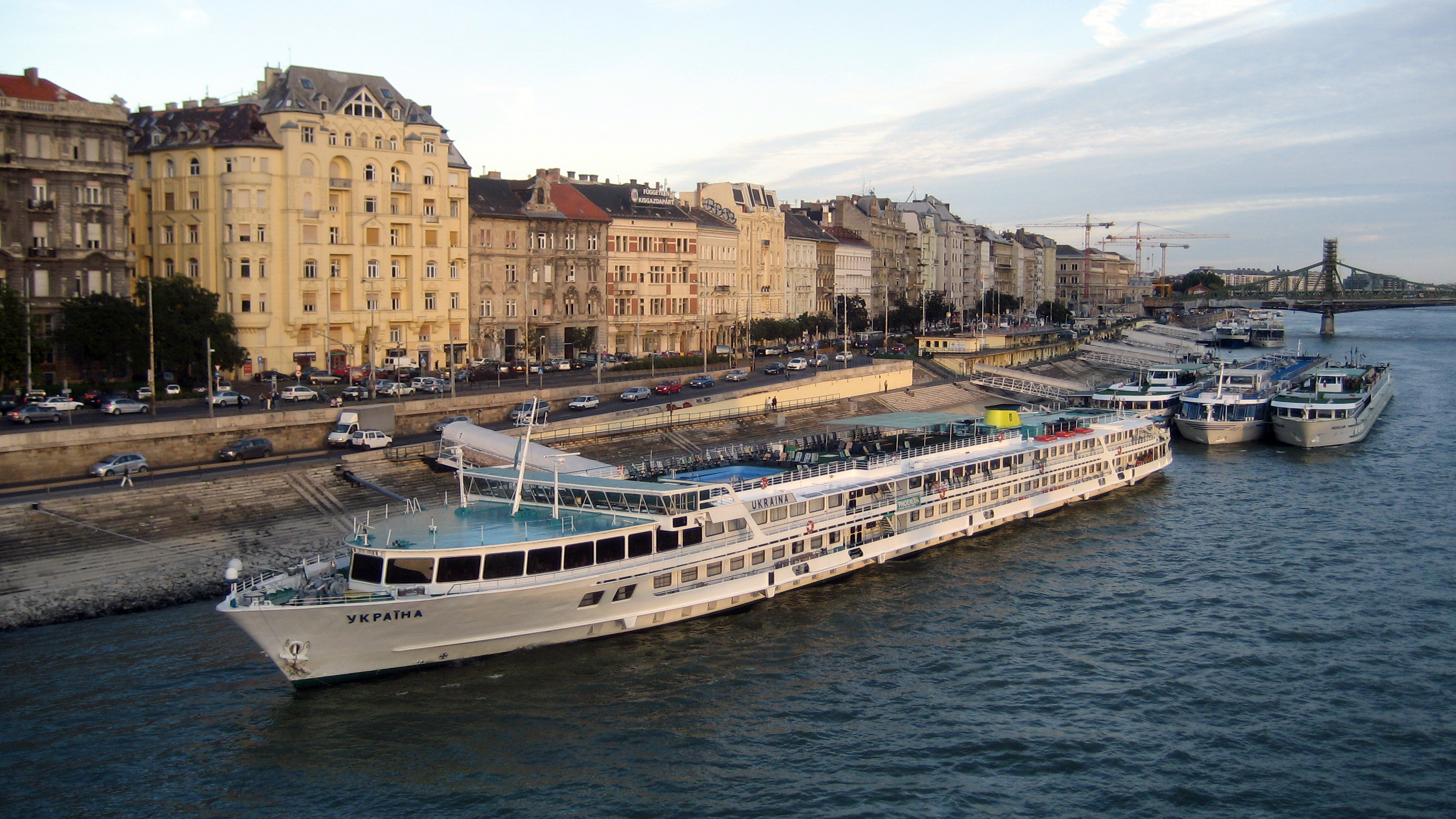
A river cruise, from a purely financial perspective, represents a unique allocation within a personal travel budget, characterized by a distinct value proposition and cost structure that sets it apart from other forms of leisure travel. Unlike traditional ocean voyages or land-based tours, a river cruise is an investment in a more intimate, culturally immersive, and often all-inclusive travel experience, typically navigating inland waterways and offering convenient access to multiple destinations with minimal logistical overhead. Understanding “what a river cruise is” fundamentally requires dissecting its economic underpinnings, its value proposition as a financial expenditure, and how it aligns with personal finance goals for travel and experiential investment.
Understanding the Financial Framework of River Cruises
The financial model of a river cruise differs significantly from many conventional vacations, primarily in its tendency towards an all-inclusive pricing structure. This model influences both the upfront cost and the perceived value for the consumer, making careful financial analysis crucial.
All-Inclusive Value vs. Itemized Expenses
A cornerstone of the river cruise financial model is its strong leaning towards all-inclusive pricing. This means a single upfront payment often covers not only accommodation and transportation between destinations but also most, if not all, meals, daily excursions, onboard entertainment, and sometimes even beverages and gratuities. From a personal finance standpoint, this structure offers significant advantages: predictability and budgeting ease. Travelers can largely “set it and forget it,” knowing that the majority of their expenses are covered before departure. This contrasts sharply with land tours where daily costs for dining, activities, and transport accumulate, or with ocean cruises where numerous add-ons (specialty restaurants, drinks packages, excursions) can substantially inflate the final bill. The all-inclusive nature transforms a series of potential discretionary expenses into a consolidated, fixed cost, simplifying financial planning and mitigating the risk of unexpected budgetary overruns. However, it also means a higher initial outlay, requiring a more substantial single investment.
Typical Cost Components and Their Impact
The sticker price of a river cruise reflects a composite of various services and amenities bundled together. Key financial components include:
- Base Fare: This covers the cabin, transportation along the river, and basic onboard services. Its cost is influenced by the itinerary length, cabin category (e.g., French balcony, true balcony, suite), and the luxury level of the cruise line.
- Meals and Beverages: Most river cruises include gourmet meals, often with regional wines and beers during dinner. Premium beverage packages or specialty drinks might be extra, representing a variable cost that can be managed if not fully included.
- Excursions: Daily guided tours at various ports of call are almost always included, a major value driver. These typically involve expert local guides, transportation, and entrance fees to historical sites or cultural attractions, all of which would be separate, substantial expenses on a self-guided trip.
- Onboard Amenities: Wi-Fi, fitness centers, and some entertainment are generally included, further enhancing the all-inclusive value.
- Port Charges and Taxes: These government-imposed fees are usually added to the base fare and are non-negotiable fixed costs.
- Gratuities: While some luxury lines include gratuities in the upfront price, many require them as an additional, though often suggested, expense. This is a critical factor for budgeting, as cumulative tips for crew and tour guides can add several hundred dollars to the total cost.
- Pre and Post-Cruise Extensions: Many travelers choose to extend their trip with land-based stays before or after the cruise. These are separate financial commitments and must be budgeted independently, representing additional travel, accommodation, and activity costs.
- Airfare: Seldom included in the base river cruise price, airfare to and from the embarkation/disembarkation points represents a significant, often volatile, financial variable that must be accounted for separately. Savvy travelers often seek to minimize this cost through early booking or utilizing loyalty points.
Each of these components contributes to the overall financial commitment, making it essential for potential cruisers to scrutinize what is explicitly included versus what might incur additional costs to accurately assess the total investment.
River Cruises as a Financial Investment in Experience
Beyond the direct costs, a river cruise can be viewed as an investment in personal enrichment, leisure, and memories. Evaluating this investment requires comparing its value proposition against alternative travel options and considering the long-term, intangible returns.
Value Proposition Compared to Ocean Cruises and Land Tours
From a financial perspective, river cruises often present a higher daily cost than many ocean cruises, particularly mass-market ones. However, this higher upfront investment is typically offset by a more inclusive experience, fewer hidden costs, and often a higher quality of service and excursions. Ocean cruises might offer lower daily rates but often require significant additional spending onboard for dining upgrades, drink packages, internet, and shore excursions. River cruises minimize these supplementary expenditures, resulting in a clearer, more predictable total cost.
Compared to independent land tours, a river cruise’s financial advantage lies in its efficiency and convenience. While a self-planned land trip might seem cheaper initially, factoring in the cumulative costs of hotels, inter-city transport, meals, tour guides, and attraction entries for each city often reveals a comparable, if not higher, total outlay. Moreover, the time saved in logistics and planning represents an invaluable, albeit non-monetary, return on investment. The cost-per-destination visited, considering the depth of cultural immersion offered, often positions river cruises as a financially sound choice for those prioritizing comprehensive, hassle-free exploration.
Long-Term Returns: Memories and Cultural Enrichment
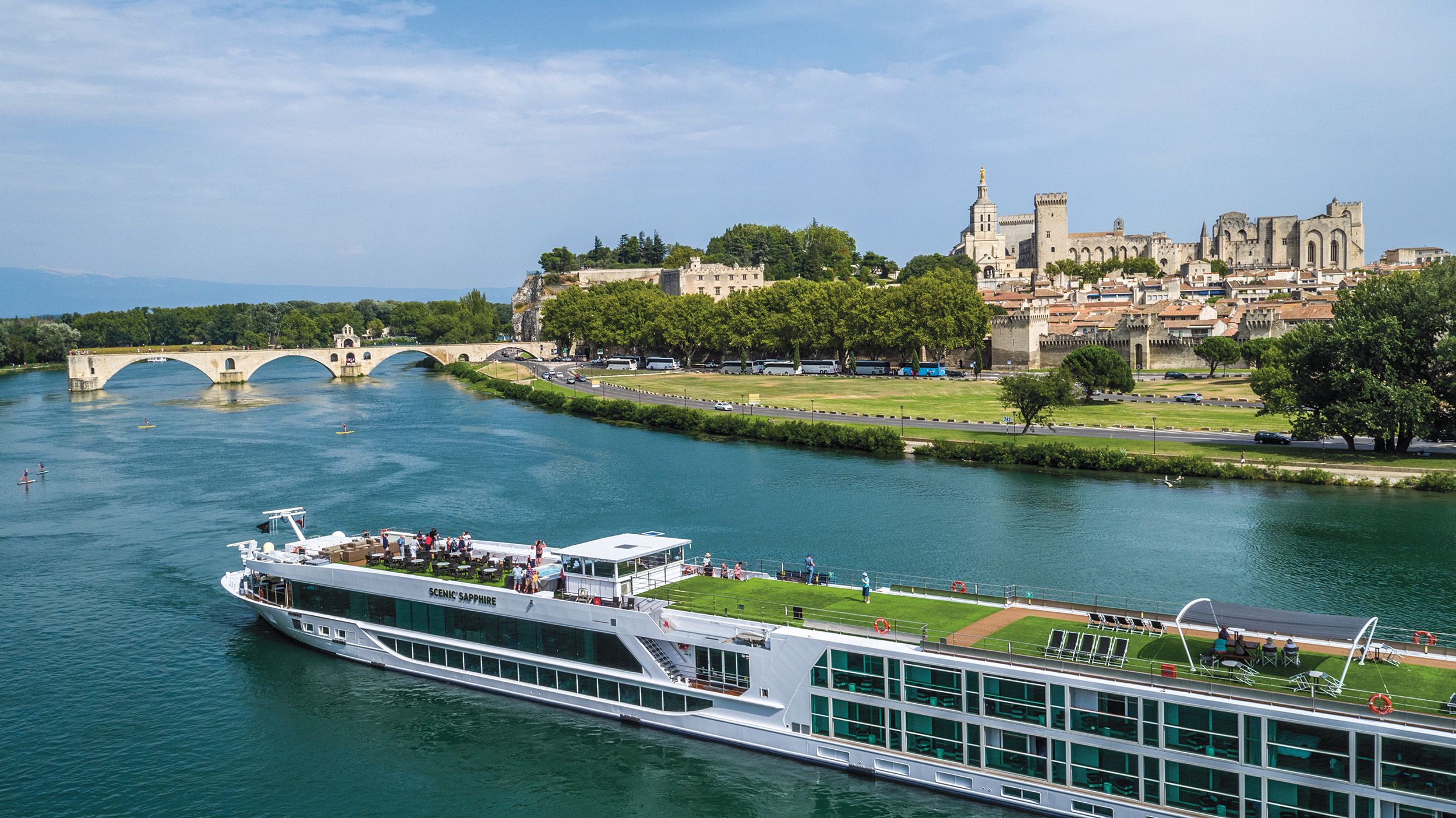
While not quantifiable in monetary terms, the “return on investment” from a river cruise extends to invaluable personal enrichment. The curated itineraries, focused on historical and cultural immersion, provide educational experiences that can be considered an investment in personal growth. The intimate nature of the journey fosters social connections, and the seamless travel experience allows for maximum relaxation and enjoyment, minimizing stress—a significant intangible benefit often undervalued in financial planning for vacations. These lasting memories and acquired knowledge represent a deferred benefit that contributes to overall well-being and life satisfaction, making the initial financial outlay a worthwhile expenditure for many.
Strategic Budgeting for Your River Cruise
Effective financial planning is paramount for maximizing the value of a river cruise. Strategic budgeting involves timing purchases, identifying potential hidden costs, and leveraging financial tools.
Timing Your Purchase for Optimal Savings
The timing of your booking can significantly impact the financial outlay for a river cruise. Early bird discounts, often available 12-18 months in advance, can offer substantial savings, sometimes including free airfare, cabin upgrades, or onboard credit. These incentives reduce the total cost of the trip and enhance the value proposition. Conversely, last-minute deals can emerge, but these are often for less desirable itineraries or cabin categories and carry the risk of limited availability, especially for popular routes or times like Christmas market cruises. For those with flexibility, booking during the “shoulder seasons” (spring and fall) often provides a more favorable balance between weather, crowd levels, and pricing compared to the peak summer months, yielding a better financial return for the experience.
Identifying and Mitigating Hidden Costs
While river cruises boast an all-inclusive model, diligent financial planning requires anticipating potential expenses not covered in the base fare. These often include:
- Travel Insurance: A critical financial safeguard, often an additional cost, but invaluable for protecting your investment against unforeseen cancellations, medical emergencies, or travel disruptions.
- Visa Fees: Depending on the itinerary and nationality, visas may be required, incurring additional processing fees.
- Shore Excursion Upgrades: While many excursions are included, some cruise lines offer optional, specialized tours at an extra cost, such as hot air balloon rides or cooking classes. Budgeting for these discretionary expenses is important if desired.
- Personal Shopping and Souvenirs: Impulse purchases at various ports can quickly add up, requiring a separate budget allocation.
- Pre/Post-Cruise Transportation: Transfers to and from the airport to the ship, especially if not packaged by the cruise line, should be factored into the overall cost.
- Currency Exchange Fees: For cash transactions in foreign ports, consider potential ATM fees or unfavorable exchange rates. Using travel-friendly credit cards with no foreign transaction fees can mitigate this.
Proactive identification and budgeting for these potential hidden costs ensure that the overall financial experience remains predictable and aligned with initial expectations.
Leveraging Financial Tools for Planning and Payment
Modern financial tools can significantly aid in planning and funding a river cruise. Utilizing budgeting apps can help track savings progress and allocate funds specifically for travel. Reward credit cards, particularly those offering travel points or cashback, can be a strategic way to accumulate benefits that offset airfare or reduce the overall cost of the trip. Some cruise lines offer payment plans, allowing travelers to spread the cost over several months, which can ease the financial burden of a large upfront payment. Setting up a dedicated savings account specifically for travel expenses can also provide a clear financial target and discipline, ensuring funds are available when deposits or final payments are due. Comparing prices across different cruise lines and booking platforms through online aggregators is also a vital financial tool for securing the best value.
The Economic Impact of River Cruising on Personal Finance
Evaluating a river cruise requires assessing its financial footprint within one’s broader personal finance strategy, particularly in comparison to other vacation types and how to maximize the monetary outlay.
Comparing Cost-Per-Day with Alternative Vacations
A useful metric for financial analysis is the “cost-per-day.” While the sticker price of a river cruise might seem high initially, dividing the total cost (including airfare and estimated incidentals) by the number of days often reveals a competitive value. When compared to luxury land tours or bespoke travel experiences that include high-end accommodation, curated dining, and private transportation, the all-inclusive nature of a river cruise frequently results in a lower, or at least comparable, daily expenditure for a similar level of comfort and service. This analytical approach helps consumers understand the true economic efficiency of the river cruise model, highlighting how the bundled services condense multiple expenditures into a single, manageable financial commitment.
Maximizing Your Monetary Outlay Through Smart Choices
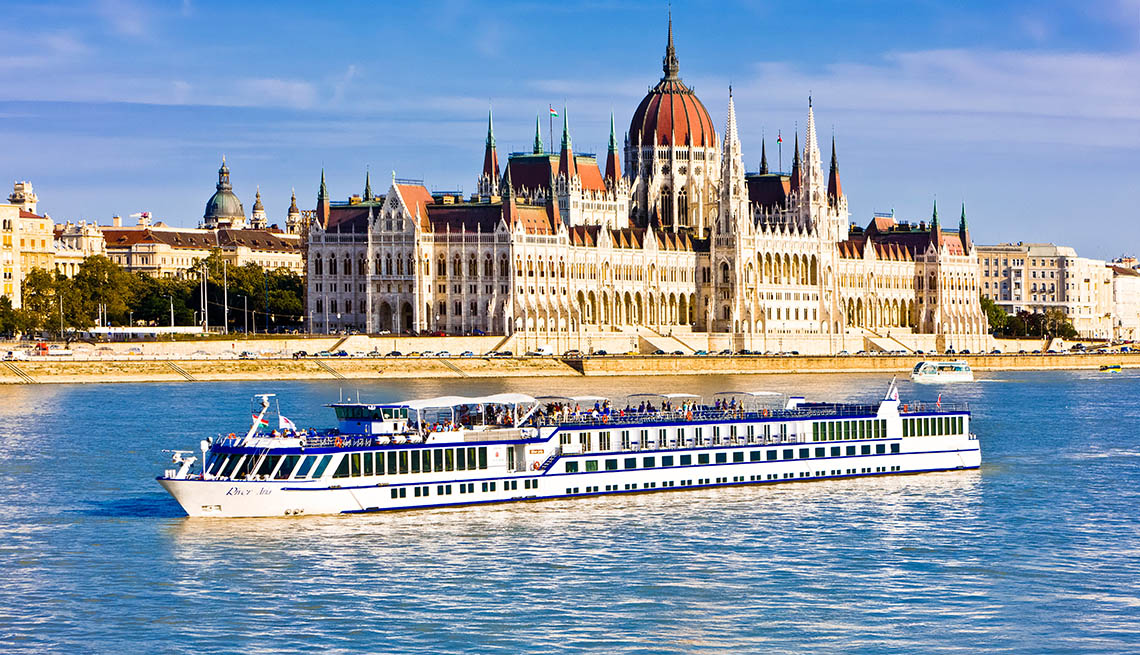
To derive the greatest financial value from a river cruise, several strategic decisions can be made. Opting for cruises outside of peak season can lead to significant savings without sacrificing much of the experience. Researching what each cruise line explicitly includes in its base fare helps in a true apples-to-apples financial comparison, preventing costly surprises. Utilizing loyalty programs, whether with airlines for airfare or with specific cruise lines for repeat bookings, can yield discounts or perks that enhance the overall value. Furthermore, booking through reputable travel advisors who may have access to exclusive deals or added amenities can further stretch the travel budget. Ultimately, a river cruise is a financial decision to invest in a specific type of travel experience, and understanding its unique economic model is key to making that investment a financially astute one.
aViewFromTheCave is a participant in the Amazon Services LLC Associates Program, an affiliate advertising program designed to provide a means for sites to earn advertising fees by advertising and linking to Amazon.com. Amazon, the Amazon logo, AmazonSupply, and the AmazonSupply logo are trademarks of Amazon.com, Inc. or its affiliates. As an Amazon Associate we earn affiliate commissions from qualifying purchases.