
When you walk into a dealership or negotiate a commercial equipment contract, you are often presented with a complex array of numbers. Among the most critical, yet frequently misunderstood, figures is the “residual value.” Whether you are leasing a vehicle for personal use or acquiring heavy machinery for your business, the residual value acts as the cornerstone of your lease agreement. It dictates your monthly payments, your options at the end of the term, and the overall financial viability of the lease itself.
Understanding this figure is not just about comprehending a term; it is about mastering the math of asset depreciation. By grasping how residual value works, you shift from being a passive signer of documents to an informed participant in a financial transaction.
Defining Residual Value: The Math of Future Worth
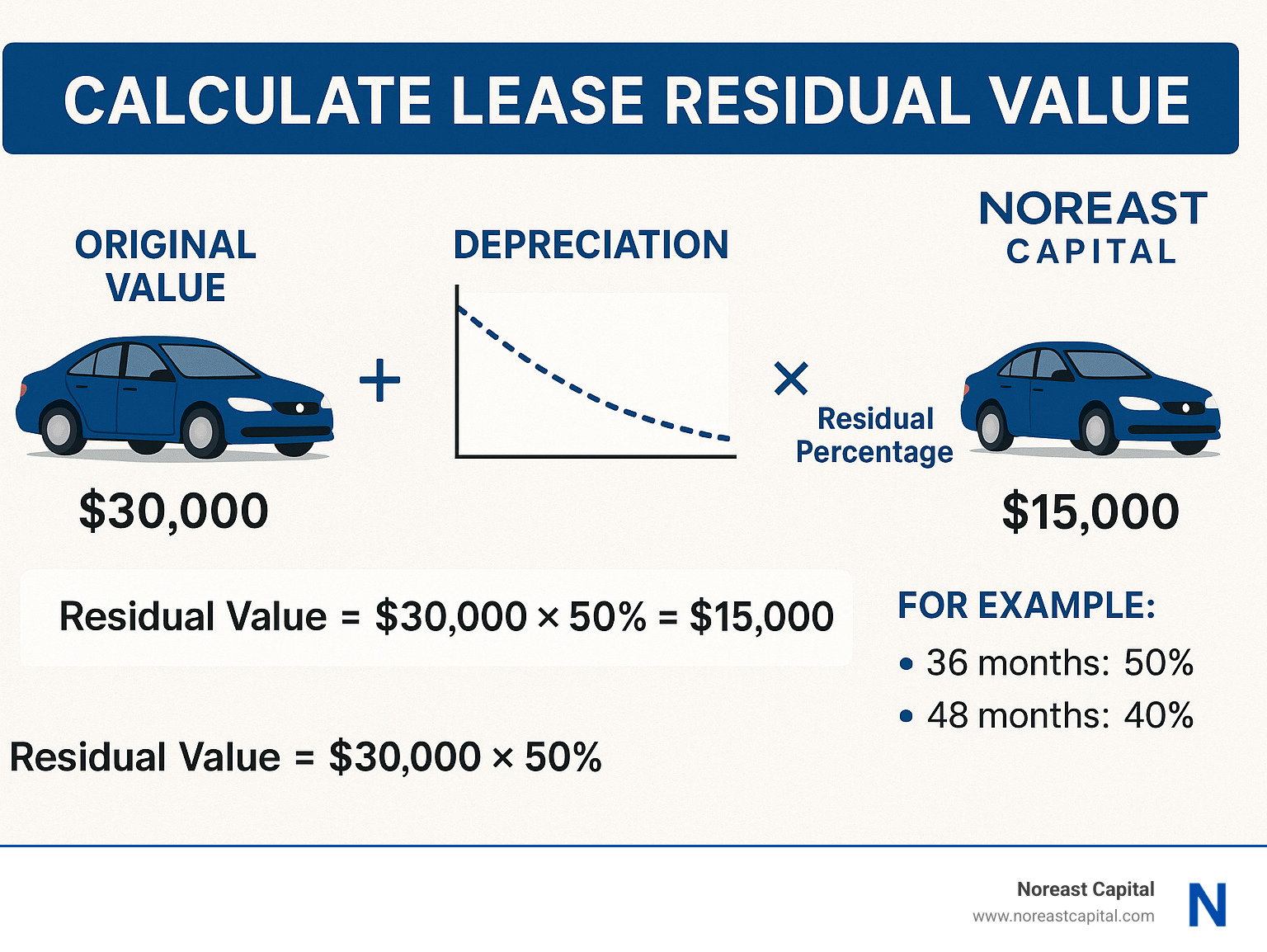
At its core, the residual value is the estimated future market value of an asset at the end of a lease term. When a leasing company or a bank prepares a lease, they are essentially financing the portion of the asset’s value that you intend to “use up” during the contract period.
To determine the lease payment, the lessor takes the original cost of the asset and subtracts the residual value. The remaining balance—the amount the asset is expected to lose in value over the term—is divided by the number of months in the lease. Added to this are interest charges (often called the “money factor”) and taxes.
Why Depreciation Matters
Depreciation is the engine behind residual value. Assets do not lose value linearly. A new car, for example, often experiences its sharpest drop in value the moment it leaves the lot. As the asset ages, the rate of depreciation typically levels off. Financial institutions use sophisticated actuarial data, historical sales records, and market forecasts to predict what an asset will be worth in three or four years. If they set the residual value too high, they risk losing money when they sell the asset later. If they set it too low, your monthly payments become prohibitively expensive.
The Relationship Between Residuals and Monthly Payments
The relationship between residual value and your monthly obligation is inverse. A higher residual value means you are financing a smaller portion of the asset’s total cost, resulting in lower monthly payments. Conversely, a lower residual value means you are covering a larger share of the asset’s depreciation, leading to higher monthly costs. This is why vehicles with strong resale reputations—such as certain luxury SUVs or reliable sedans—often feature more attractive lease deals than models that depreciate rapidly.
Factors Influencing Residual Value
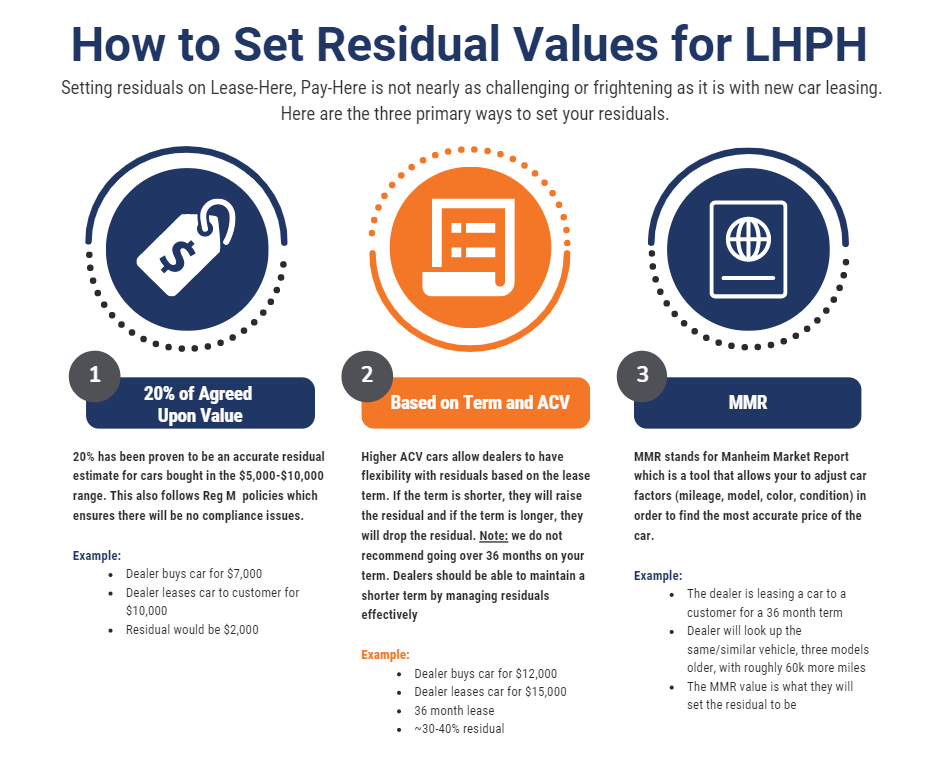
Determining an accurate residual value is an exercise in probability. Leasing companies rely on a mix of macroeconomic trends and asset-specific data to arrive at a percentage of the Original Manufacturer’s Suggested Retail Price (MSRP) or the purchase price.
Asset Demand and Brand Equity
In the automotive world, brand perception is everything. A brand with a reputation for longevity, low maintenance costs, and high desirability will naturally hold its value better. This creates a “floor” for the residual value. If a specific model is in high demand, the lessor can safely assign a higher residual value because they know the asset will be easy to flip or resell at the end of your contract.
Term Length and Mileage Caps
The duration of your lease and the usage restrictions are the two biggest levers you control.
- Term Length: Most leases are structured over 24, 36, or 48 months. Because assets depreciate more in their early years, a 24-month lease usually has a higher residual value than a 48-month lease. However, the shorter the term, the faster you are “consuming” the initial, most expensive phase of depreciation.
- Mileage/Usage Caps: Residual value assumes a specific level of wear and tear. If you drive 15,000 miles a year instead of 10,000, you are accelerating the depreciation of the vehicle. To compensate for this, the lessor will adjust the residual value downward, which in turn increases your monthly payment.

Economic Conditions and Market Cycles
External factors play a massive role. During periods of economic uncertainty, demand for high-end assets may soften, leading lenders to lower residual values to protect themselves against market volatility. Furthermore, interest rates affect the overall cost of capital, indirectly influencing how lessees perceive the attractiveness of a lease versus a purchase.
End-of-Lease Decisions: The “Purchase Option”
Once your lease term concludes, the residual value stops being a hypothetical estimate and becomes a concrete financial option. You are generally faced with three choices: return the asset, trade it in, or exercise your purchase option.
Exercising the Purchase Option
The purchase option allows you to buy the asset for the exact residual value established at the beginning of the lease. This is where the accuracy of the original estimate becomes apparent.
- The “In-the-Money” Scenario: If the actual market value of the asset is higher than the residual value stated in your contract, you are in a strong position. You can purchase the asset for less than its current worth, providing you with immediate equity. You can then keep the asset or sell it for a profit.
- The “Out-of-the-Money” Scenario: If the market has tanked or the asset has depreciated faster than expected, the market value will be lower than the residual value. In this case, it makes little financial sense to buy the asset at the predetermined price. You are essentially better off walking away and letting the leasing company absorb the loss.
Returning the Asset
Returning the asset is the simplest path. However, remember that the lessor will perform a rigorous inspection. If the condition of the asset falls below the standards implied by the residual value calculation (e.g., excessive dings, mechanical issues, or overdue maintenance), you will likely be hit with “excess wear and tear” charges. These fees are effectively a way for the lessor to recoup the value they lost because the asset is worth less than the original residual projection.
Strategic Implications for Businesses
For corporate entities, residual value is a matter of capital allocation. Many businesses prefer leasing over purchasing to keep assets off the balance sheet or to maintain liquidity.
Managing Capital Expenses
By choosing a lease with a high residual value, a business can preserve cash flow, allocating capital toward operations rather than depreciating hardware. For equipment-heavy industries like construction or printing, the “fair market value” lease is a common tool. At the end of the term, the business has the flexibility to upgrade to the latest technology without the burden of liquidating used equipment.
Risk Transfer
The beauty of the residual value in a lease is the transfer of risk. When you own an asset, you own the risk that it will become obsolete or lose value rapidly. When you lease, you are effectively paying the lessor a premium to take on that depreciation risk. If the asset’s value plummets due to a change in technology or a market shift, the lessor is the one who bears the brunt, provided you have structured the lease correctly.
Conclusion: Making the Residual Value Work for You
The residual value is the silent partner in your lease agreement. It is the metric that determines whether a lease is a savvy financial maneuver or a costly mistake. Before signing any contract, ask the lessor to disclose the residual value percentage and the basis for that figure. Compare it against independent market trackers like Kelley Blue Book for vehicles or industry-specific asset depreciation guides for commercial equipment.
Do not be blinded by low monthly payments. A low payment might be hiding a short lease term or an unrealistic residual value that leaves you with no options at the end of the term. By keeping your eyes on the residual value, you maintain control over your financial future, ensuring that at the end of your contract, you are the one holding the cards—not the leasing company.
aViewFromTheCave is a participant in the Amazon Services LLC Associates Program, an affiliate advertising program designed to provide a means for sites to earn advertising fees by advertising and linking to Amazon.com. Amazon, the Amazon logo, AmazonSupply, and the AmazonSupply logo are trademarks of Amazon.com, Inc. or its affiliates. As an Amazon Associate we earn affiliate commissions from qualifying purchases.