
Deciding to close an investment account, especially one with a reputable firm like Vanguard, is a significant financial decision. Whether driven by a desire for consolidation, a shift in investment strategy, dissatisfaction, or the necessity of an estate settlement, the process requires careful planning and execution. Vanguard, known for its low-cost index funds and ETFs, holds a substantial portion of many investors’ portfolios. Therefore, navigating the closure of such an account demands a structured approach to avoid unnecessary fees, tax penalties, or disruption to your long-term financial goals. This comprehensive guide will walk you through the considerations, preparations, and steps involved in closing your Vanguard account, ensuring a smooth transition and minimizing potential pitfalls. Always remember, while this guide provides extensive information, consulting with a qualified financial advisor or tax professional is advisable for personalized guidance tailored to your specific situation.
Understanding the Implications Before You Close
Before initiating any steps to close your Vanguard account, it is crucial to fully understand the potential implications across various facets of your financial life. Rushing into a closure without adequate foresight can lead to unforeseen expenses or undesirable outcomes.
Tax Consequences
The tax implications are arguably the most critical aspect to consider, varying significantly based on the type of account you hold.
- Taxable Brokerage Accounts: If you hold investments in a standard individual or joint brokerage account, selling those assets will trigger capital gains or losses. Capital gains are taxable events, and the rate at which they are taxed depends on your holding period (short-term vs. long-term) and your income bracket. Conversely, realizing capital losses might be strategically beneficial for tax loss harvesting, offsetting other gains or a limited amount of ordinary income. Ensure you understand the cost basis of your investments to accurately calculate potential gains or losses.
- IRA Accounts (Traditional, Roth, SEP, SIMPLE): Closing an Individual Retirement Account (IRA) without proper planning can result in substantial penalties and taxes.
- Direct Rollover: The most common and tax-efficient method is to perform a direct rollover of your IRA assets to another qualified retirement account (e.g., another IRA at a different custodian, or an employer-sponsored 401(k) if permitted). This avoids immediate taxation and early withdrawal penalties.
- Indirect Rollover: If you receive a check for your IRA funds, you typically have 60 days to deposit it into another qualified retirement account to avoid taxes and penalties. Failing to do so within this window will classify the distribution as a taxable withdrawal, subject to your ordinary income tax rate and potentially a 10% early withdrawal penalty if you are under age 59½.
- Roth IRA Distributions: Qualified distributions from a Roth IRA (after the account has been open for five years and you meet certain conditions like age 59½, disability, or first-time home purchase) are tax-free and penalty-free. Non-qualified distributions, however, may be subject to taxes on earnings and a 10% penalty.
- Other Account Types (e.g., 529 Plans, HSAs): Each specialized account type has its own specific tax rules regarding withdrawals and closures. For instance, non-qualified withdrawals from a 529 college savings plan are subject to income tax on earnings and a 10% penalty. Always research the specific tax treatment for your particular account type.
Investment Implications
Beyond taxes, consider the impact on your broader investment strategy and portfolio.
- Loss of Diversification and Asset Allocation: Liquidating investments to close an account may disrupt your carefully constructed asset allocation and diversification strategy. If you intend to reinvest elsewhere, ensure the new portfolio maintains your desired risk profile and diversification.
- Transaction Costs and Fees: While Vanguard is known for low costs, liquidating funds may incur minimal transaction fees depending on the specific funds or ETFs. More importantly, if you transfer assets “in kind” to another brokerage, ensure the receiving firm can hold Vanguard funds without charging additional fees or requiring conversion to proprietary products.
- Impact on Long-Term Goals: Ensure that closing this account aligns with your overall long-term financial objectives. Is this a step towards simplifying your financial life, or a knee-jerk reaction that might derail a crucial savings goal?
Account Type Specifics
The closure process can vary slightly depending on the specific nature of your Vanguard account.
- Individual Brokerage Accounts: Generally straightforward liquidation or transfer.
- Joint Accounts: Typically require authorization from all account holders.
- Trust Accounts: Often necessitate specific documentation, such as trust agreements, and require authorization from the trustee(s).
- Estate Accounts: If you are closing an account on behalf of a deceased individual, you will need documentation like a death certificate, letters testamentary, and possibly probate court orders.
Preparing for the Closure Process
A well-organized preparation phase can significantly streamline the account closure process and prevent common headaches. Think of this as decluttering your financial closet before you move.
Consolidate or Transfer Assets
Decide how you want to move your assets out of Vanguard. You essentially have three primary options:
- In-Kind Transfer: This involves moving your existing investments (stocks, bonds, mutual funds, ETFs) directly from Vanguard to another brokerage account without selling them. This is often the most tax-efficient method for taxable accounts as it avoids realizing capital gains. Ensure your receiving brokerage can hold Vanguard funds, or if there are any proprietary fund requirements. This process is initiated by the receiving brokerage firm, not Vanguard.
- Rolling Over Retirement Funds: For IRAs, a direct rollover to another IRA or qualified retirement plan is usually the best approach to maintain tax-deferred status. Provide the necessary instructions to Vanguard or your new custodian for a direct transfer.
- Sell Assets and Transfer Cash: If you prefer to liquidate your investments and simply receive the cash proceeds, you will instruct Vanguard to sell your holdings. Once the trades settle, you can then transfer the cash to a linked bank account. Be mindful of the tax implications discussed earlier.
Settle Outstanding Balances and Dividends
Before a full closure, ensure there are no lingering financial loose ends.
- No Margin Balances: If you have a margin account, ensure all margin loans are paid off in full.
- Pending Trades: Verify that no buy or sell orders are outstanding or in process. Allow all trades to settle completely before proceeding.
- Final Dividends/Distributions: If you’re closing near a dividend payment date, consider waiting for the final distribution to be credited to your account. Some firms will forward these post-closure, but it can complicate the process.
Update Beneficiaries and Contact Information
Even if you’re closing the account, it’s good practice to ensure all information is current up to the point of closure. Confirm your current mailing address, email, and phone number with Vanguard so they can send any final statements or communicate any issues. If you’re moving assets to another firm, ensure beneficiaries are updated on the new accounts.
Download and Archive Statements
For tax purposes, financial planning, and personal record-keeping, it is imperative to download and save all your account statements, trade confirmations, and tax documents (e.g., 1099s, 5498s). Vanguard typically allows access to digital documents for several years, but having your own copies provides peace of mind and ensures access even after the account is officially closed. Create a digital archive and consider a physical backup.
Step-by-Step Guide to Closing Your Vanguard Account
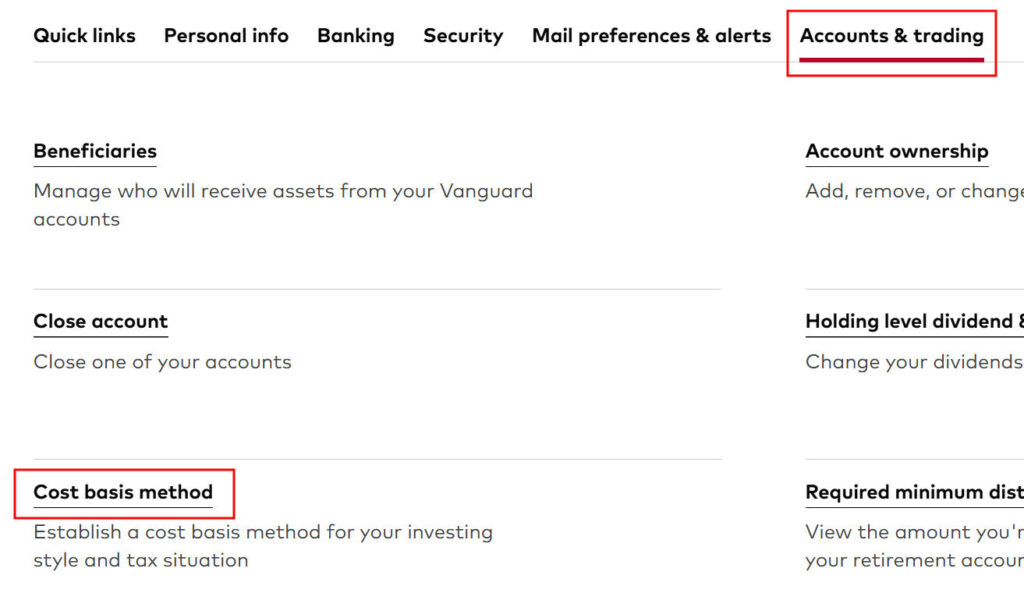
Once you’ve completed your preparatory steps, you’re ready to initiate the formal closure process. This typically involves direct communication with Vanguard.
Contacting Vanguard
Vanguard offers several avenues for communication, though some are more suitable for account closure than others.
- Online Portal/Secure Messaging: For straightforward inquiries or to download forms, your Vanguard online account is a valuable resource. You might be able to initiate some parts of the process here or find the necessary forms.
- Phone Support: For complex situations, specific questions about your account, or to verbally confirm instructions, calling Vanguard’s customer service (available Monday through Friday during business hours) is often the most efficient method. Be prepared for potentially long wait times during peak hours. Have your account number and personal identification ready.
- Mail: While less common for initiating a closure, certain official forms or requests (especially for trusts or estates) may require physical mail. Check Vanguard’s specific instructions.
Initiating the Closure Request
The exact steps depend on how you’re moving your assets:
- For In-Kind Transfers: If you’re transferring assets to another brokerage, you will primarily work with the receiving brokerage. They will initiate an ACATS (Automated Customer Account Transfer Service) transfer, and Vanguard will respond to their request. Your role will be to provide the necessary authorization to the receiving firm.
- For Liquidation and Cash Transfer: You will need to instruct Vanguard to sell your investments and then transfer the resulting cash to your linked bank account. This can often be done through your online account or by calling customer service. You may need to complete an “Account Closure Request Form” or similar document, which will ask for details about your assets and where to send the final proceeds.
- For Rollovers (IRAs): Clearly communicate your intent for a direct rollover to another custodian. Vanguard will then process the transfer of funds directly to your new IRA provider.
Liquidation and Fund Transfer
- Selling Investments: If you choose to liquidate, Vanguard will execute the sale of your funds or ETFs. Understand that market orders fill at current market prices, while mutual fund trades typically execute at the next available net asset value (NAV) at the end of the trading day.
- Specifying Bank Account: Ensure your linked bank account information is accurate and up-to-date for transferring cash proceeds. Vanguard typically uses Electronic Funds Transfer (EFT) or ACH transfers, which can take 1-3 business days after the trades have settled.
- Timeline Expectations: The entire process, from initial request to official closure and fund transfer, can take anywhere from a few days to several weeks, depending on the complexity of your account, the type of transfer, and the current workload at Vanguard. In-kind transfers via ACATS usually take 3-10 business days after initiation.
Confirmation and Follow-Up
- Receive Confirmation: Once the account is fully closed and all assets transferred, Vanguard should send you a confirmation notice. This might be a physical letter or an electronic notification.
- Check Final Statements: Carefully review any final statements to ensure all transactions are accounted for and the balance is zero.
- What to Do if Issues Arise: If you encounter delays, discrepancies, or communication breakdowns, don’t hesitate to follow up with Vanguard’s customer service. Keep detailed records of all interactions, including dates, times, and the names of representatives you speak with.
Alternatives to Full Account Closure
Before going through the full closure process, consider if a complete termination is truly necessary. Sometimes, less drastic measures can achieve your goals while retaining the flexibility of your Vanguard relationship.
Partial Withdrawal
If you only need access to a portion of your funds, you can simply make a partial withdrawal or sell a portion of your investments. This leaves the account open for future contributions or investments, avoiding a complete reset. Be mindful of the tax implications of partial withdrawals, especially from retirement accounts.
Consolidating Accounts within Vanguard
If your goal is simplification, consider consolidating multiple Vanguard accounts into fewer, more manageable ones within the Vanguard ecosystem. For example, combining several taxable brokerage accounts or rolling over an old 401(k) into an existing Vanguard IRA. This offers a streamlined experience without leaving the platform entirely.
Changing Investment Strategy
If your reason for considering closure is dissatisfaction with your current investment performance or strategy, you might be able to achieve your goals by simply adjusting your portfolio within Vanguard. Rebalancing your asset allocation, switching to different funds, or adopting a new investment approach may be sufficient, negating the need for a full closure.
Freezing or Inactivating an Account
While Vanguard doesn’t typically offer a formal “freeze” option in the way banks do, you can effectively make an account inactive by simply stopping contributions and ceasing trading. The account will remain open with its existing holdings, and you can reactivate it by simply initiating new trades or contributions when you’re ready. This might be a viable option if you’re undecided about the account’s future but don’t want to incur the hassle or potential costs of a full closure and re-opening later.

Conclusion
Closing a Vanguard account, while a common financial transaction, is an undertaking that demands diligence and a thorough understanding of its implications. From navigating complex tax consequences to meticulously preparing your assets for transfer or liquidation, each step carries weight. By carefully considering the tax and investment impacts, diligently preparing your account, following a structured closure process, and exploring potential alternatives, you can ensure a smooth and efficient transition. Remember, your financial landscape is unique, and when in doubt, the expert guidance of a financial advisor or tax professional can provide invaluable clarity, ensuring your decisions align perfectly with your broader financial objectives. With proper planning, you can navigate this process with confidence, securing your financial future.
aViewFromTheCave is a participant in the Amazon Services LLC Associates Program, an affiliate advertising program designed to provide a means for sites to earn advertising fees by advertising and linking to Amazon.com. Amazon, the Amazon logo, AmazonSupply, and the AmazonSupply logo are trademarks of Amazon.com, Inc. or its affiliates. As an Amazon Associate we earn affiliate commissions from qualifying purchases.