
In the dynamic world of finance, where every percentage point can significantly impact your long-term financial health, understanding intricate mechanisms like a “rate buydown” is crucial. Often discussed in the context of mortgages and other large loans, a rate buydown represents a strategic financial maneuver designed to lower the interest rate a borrower pays, either temporarily or permanently, by making an upfront payment. This concept offers both opportunities and complexities, making it a valuable tool for homebuyers, borrowers, and even sellers and builders when understood and applied correctly.
At its heart, a rate buydown is a pre-payment of interest that effectively “buys down” the stated interest rate of a loan. Instead of the borrower paying the full, original interest rate over the life of the loan, a portion of the interest is paid upfront, often by the borrower, seller, or builder, resulting in lower monthly payments for a specified period or the entire loan term. This article will delve into the mechanics, types, benefits, drawbacks, and strategic considerations surrounding rate buydowns, providing a comprehensive guide for anyone navigating the complexities of modern lending.
Understanding the Core Concept of a Rate Buydown
A rate buydown is more than just a discount; it’s a calculated financial strategy that alters the cost structure of a loan. To fully grasp its implications, it’s essential to break down its definition, how it functions, and the various parties typically involved.
Definition and Purpose
A rate buydown is an arrangement where funds are provided upfront to a lender to offset a portion of the interest the borrower would otherwise pay over time. The primary purpose is to reduce the borrower’s effective interest rate, leading to lower monthly payments. This reduction can make a loan more affordable, help borrowers qualify for a larger loan amount, or simply provide financial relief during the initial years of homeownership. It’s a method of shifting some of the interest cost from future monthly payments to an initial lump sum payment.
How it Works: The Mechanics
The fundamental mechanism of a rate buydown involves a payment made at the loan’s closing that is placed into an escrow account. This money is then used by the lender to subsidize the borrower’s interest payments. For example, if a loan’s nominal interest rate is 7%, a buydown might effectively reduce the borrower’s payment calculation to a 6% rate for a certain period, with the difference (1%) being covered by the funds in the escrow account. Once the escrow funds are depleted or the specified buydown period ends, the borrower’s payments revert to the full, original interest rate. In the case of a permanent buydown, the upfront payment directly reduces the loan’s interest rate for its entire duration, akin to paying “points” on a mortgage.
Key Players Involved
Several parties can be involved in a rate buydown arrangement, each with their own motivations and benefits:
-
The Borrower: The ultimate beneficiary of lower interest payments. A borrower might pay for a buydown to reduce their monthly outgo, particularly if they anticipate an increase in income in the future or plan to refinance relatively soon.
-
The Lender: The financial institution providing the loan. Lenders facilitate buydowns and benefit from potentially attracting more borrowers and closing more loans. They manage the escrow account for temporary buydowns and adjust the loan terms for permanent ones.
-
The Seller: In a competitive market or when needing to sell quickly, a home seller might offer to pay for a buydown as an incentive to attract buyers. This can be more appealing than lowering the asking price, as it directly addresses a buyer’s monthly budget.
-
The Builder: Particularly prevalent in new construction, builders often use rate buydowns as a powerful marketing tool to move inventory. They might have preferred lender relationships that facilitate these offers, making their new homes more attractive to potential buyers by lowering initial mortgage costs.
-
Third-Party Entities: Occasionally, other parties, such as real estate agents or family members, might contribute to a buydown to facilitate a sale or assist a borrower.
Types of Rate Buydowns and Their Applications
Rate buydowns are not monolithic; they come in different forms, each with distinct implications for the borrower and the overall loan structure. Understanding these variations is crucial for making an informed financial decision.
Permanent vs. Temporary Buydowns
The most significant distinction among rate buydowns lies in their duration and impact on the loan’s interest rate.
Permanent Rate Buydown
A permanent rate buydown, also commonly referred to as “paying points,” involves an upfront payment made at closing to reduce the interest rate for the entire life of the loan. Each “point” typically costs 1% of the loan amount and can reduce the interest rate by a certain fraction (e.g., 0.125% to 0.25%), depending on the lender and market conditions. This type of buydown offers long-term savings by lowering every single monthly payment over the loan’s duration. It is generally most beneficial for borrowers who plan to stay in their home for many years and have the upfront capital to invest. The savings accrue significantly over time, making it a sound investment if the borrower holds the loan long enough to reach its break-even point.
Temporary Rate Buydown
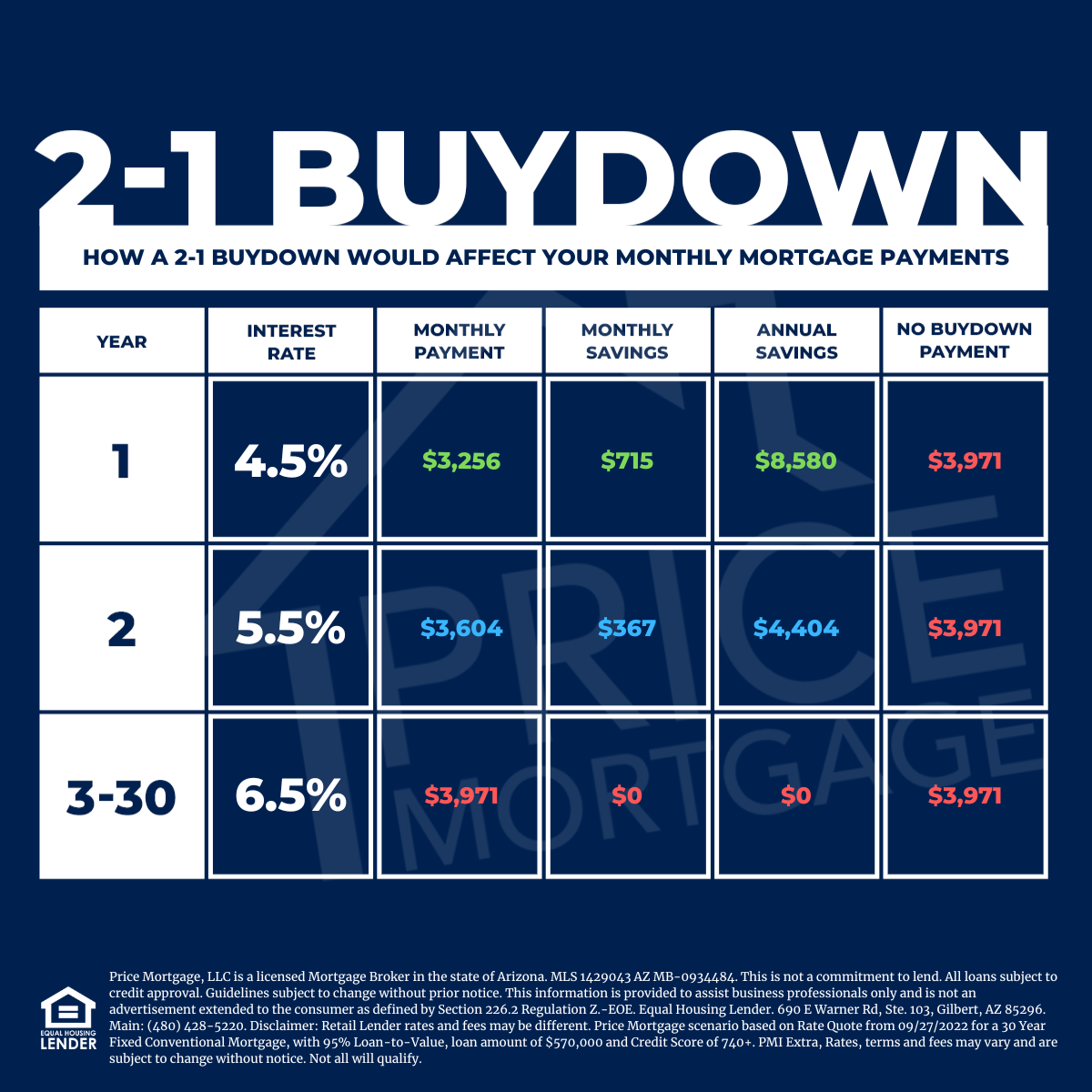
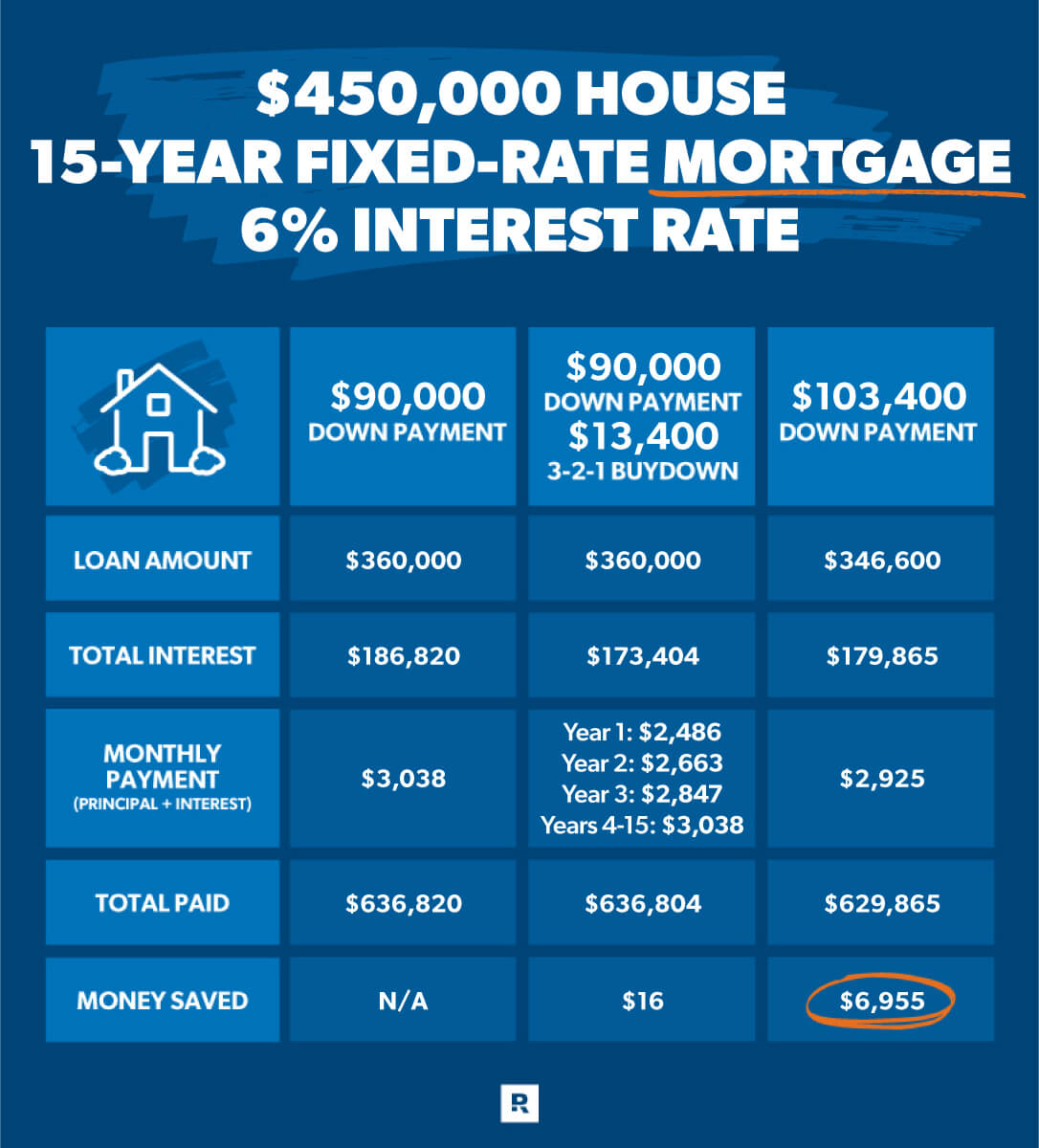
Temporary rate buydowns, in contrast, reduce the interest rate only for an initial, specified period of the loan, after which the rate reverts to the original, higher contract rate. These are often structured as “2-1 buydowns” or “3-2-1 buydowns.”
-
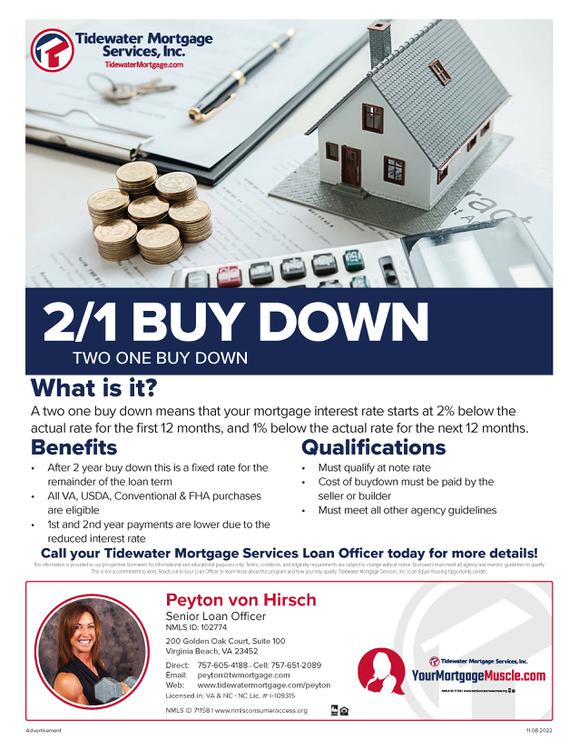
2-1 Buydown: The interest rate is reduced by 2 percentage points for the first year, 1 percentage point for the second year, and then reverts to the full contract rate for the remaining term. For example, a 7% loan would be 5% in year 1, 6% in year 2, and 7% from year 3 onward.
-
3-2-1 Buydown: The interest rate is reduced by 3 percentage points in the first year, 2 percentage points in the second, and 1 percentage point in the third, before returning to the full rate.
The funds for a temporary buydown are typically placed into an escrow account. Each month, the lender draws from this account to cover the difference between the reduced payment and the actual payment due at the full contract rate. Temporary buydowns are particularly attractive in environments of high interest rates, providing immediate relief to borrowers who might anticipate higher future income or a potential future refinance when rates drop.
Who Pays for the Buydown?
The source of the buydown funds significantly impacts its benefits and implications for the borrower.
Borrower-Paid Buydown
When the borrower pays for a buydown, they are essentially investing in lower interest payments. For a permanent buydown, this means paying “points” to secure a lower rate over the life of the loan. For a temporary buydown, the borrower would pay the lump sum into the escrow account. This requires upfront capital but can result in substantial savings over the loan’s term, especially with permanent buydowns. Borrowers might opt for this if they have extra cash available at closing and want to minimize their long-term interest costs.
Seller/Builder-Paid Buydown
This is a common incentive, especially in slower real estate markets or new construction. When a seller or builder pays for a buydown, it’s typically a concession aimed at making the property more attractive to buyers. For the buyer, this is a significant advantage as they receive the benefit of reduced payments without incurring the upfront cost. For the seller or builder, it can be a more effective marketing strategy than reducing the home’s price, as it directly addresses the buyer’s monthly affordability concerns. The cost of the buydown is often factored into the property’s overall pricing or comes out of the seller’s proceeds, but the buyer reaps the immediate financial gain.
Advantages and Disadvantages of a Rate Buydown
Like any financial instrument, rate buydowns present a unique set of benefits and potential drawbacks for all parties involved. A balanced understanding is vital for strategic decision-making.
Benefits for Borrowers
-
Lower Initial Monthly Payments: This is the most immediate and significant benefit, particularly with temporary buydowns. It makes homeownership more affordable during the crucial initial years, easing the transition into a new financial commitment.
-
Increased Affordability and Buying Power: Lower payments can allow borrowers to qualify for a larger loan amount or purchase a more expensive home than they might have otherwise afforded with the original interest rate.
-
Long-Term Savings (Permanent Buydowns): For permanent buydowns, the upfront cost translates into significant interest savings over the entire loan term, potentially saving tens of thousands of dollars over 30 years.
-
Strategic Advantage in High-Rate Environments: In periods of high interest rates, a temporary buydown can provide a necessary cushion until rates potentially fall, allowing for a future refinance at a lower market rate.
-
Reduced Stress: Knowing that initial payments are lower can reduce financial strain and provide peace of mind during the early years of homeownership.
Potential Drawbacks and Risks
-
Upfront Cost: For borrower-paid buydowns, the initial lump sum payment can be substantial, adding to already significant closing costs. This requires having sufficient liquid capital available.
-
Limited Long-Term Impact (Temporary Buydowns): Once the buydown period ends, payments revert to the full, higher contract rate, which can lead to payment shock if not adequately prepared for. The long-term savings are not as substantial as with a permanent buydown.
-
Market Risk: If interest rates drop significantly shortly after securing a temporary buydown, the borrower might feel locked into a slightly higher underlying rate than what’s available through a new refinance, although the buydown still provides initial relief.
-
Lack of Portability: Buydown arrangements are typically tied to the specific loan and property. If the borrower sells or refinances the home before the buydown period ends, they generally lose the remaining benefits of the buydown funds (for temporary buydowns), unless specific terms allow for a refund of unused escrow funds, which is rare.
-
Complexity: Understanding the nuances of buydown calculations, escrow accounts, and the long-term payment schedule can be complex and requires careful attention to detail.
Benefits for Sellers/Builders
-
Attracting More Buyers: In a buyer’s market or during periods of high interest rates, offering a buydown can be a powerful incentive, making the property more appealing and accessible to a wider pool of potential purchasers.
-
Moving Inventory: Builders can use buydowns to accelerate the sale of new homes, especially in developments where they need to maintain sales momentum.
-
Competitive Edge: Offering a buydown can differentiate a property from others on the market, particularly if other sellers are not offering similar concessions.
-
Maintaining Property Value: Instead of reducing the home’s list price (which can impact appraisals and future comparable sales), a seller can offer a buydown, effectively providing a financial benefit to the buyer without devaluing the property itself.
When a Rate Buydown Makes Sense: Strategic Considerations
Deciding whether a rate buydown is the right choice involves evaluating personal financial circumstances, market conditions, and future expectations. It’s a strategic move best employed under specific scenarios.
Ideal Scenarios for Borrowers
-
Anticipating Higher Income: Borrowers who expect their income to increase significantly in a few years (e.g., recent graduates, those in ascending career paths) can benefit greatly from temporary buydowns, which provide lower payments now when they need it most.
-
Short-Term Occupancy Plans: If a borrower plans to sell or refinance their home within a few years, a temporary buydown can provide immediate payment relief without the need to commit to a permanently reduced rate they might not fully utilize.
-
High-Interest Rate Environments: When prevailing interest rates are elevated, a buydown can make homeownership feasible and more affordable, potentially acting as a bridge until rates decline.
-
Limited Cash Flow for Permanent Buydowns: If a borrower lacks the upfront capital for a permanent buydown but can secure a seller-paid temporary buydown, it’s an advantageous way to reduce initial housing costs.
Market Conditions and Timing
-
Rising Interest Rates: In a climate of rising rates, a buydown (especially temporary) can be a lifeline, providing a buffer against increasing monthly costs and making a home purchase more manageable.
-
Buyer’s Market: When buyers have more leverage, sellers are often more willing to offer concessions like buydowns to close a deal. This is an opportune time for buyers to negotiate for such benefits.
-
New Construction Incentives: Builders frequently offer attractive buydown programs as part of their sales incentives, particularly when they have completed homes that need to be sold.
Financial Planning and Eligibility
Before pursuing a buydown, borrowers should:
-
Assess Upfront Costs: Understand the total cash needed at closing, including the buydown cost if borrower-paid.
-
Analyze the Break-Even Point: For permanent buydowns, calculate how long it will take for the monthly savings to offset the initial cost. If you plan to move before this point, a permanent buydown might not be worthwhile.
-
Review Credit Score and DTI: Lenders will still evaluate your creditworthiness and debt-to-income ratio based on the underlying, full contract rate to ensure you can afford the loan once the buydown period ends (for temporary buydowns).
-
Understand Loan Type Limitations: Certain loan programs (e.g., FHA, VA) have specific guidelines regarding buydowns and seller concessions, which must be adhered to.
Calculating the Value and Making an Informed Decision
The decision to pursue a rate buydown should never be made lightly. It requires careful calculation and a thorough understanding of its financial implications.
Cost Analysis and Break-Even Point
For a borrower-paid permanent buydown, the core calculation involves determining the break-even point. This is the period over which the cumulative savings from the lower monthly payment equal the upfront cost of the buydown. For example, if a buydown costs $3,000 and saves $50 per month, the break-even point is 60 months (5 years). If you plan to stay in the home longer than 5 years, the buydown is likely a wise investment. For temporary buydowns, the analysis is simpler: you save a fixed amount over a set period. The value here is in the immediate cash flow relief.
Comparing Buydowns with Other Options
A rate buydown isn’t the only tool for managing interest costs. It’s important to compare it with alternatives:
-
Refinancing: If interest rates drop significantly, refinancing into a new loan might offer better long-term savings than a temporary buydown.
-
Adjustable-Rate Mortgages (ARMs): ARMs offer lower initial fixed rates, similar to a temporary buydown, but their rates adjust periodically afterward. The risk profile is different, and ARMs typically don’t have an upfront buydown cost.
-
Negotiating a Lower Purchase Price: Sometimes, negotiating a lower sale price for the home outright can provide more comprehensive savings than a seller-paid buydown, as it reduces the principal amount borrowed and thus all associated interest.
Essential Questions to Ask Your Lender/Financial Advisor
Before committing to a rate buydown, ensure you ask critical questions:
-
“Is this a permanent or temporary buydown?”
-
“Who is paying for the buydown, and what is the exact cost?”
-
“If temporary, what is the payment schedule for each year, and what will the full payment be after the buydown period?”
-
“What is the break-even point for a permanent buydown?”
-
“Are there any specific terms or conditions, such as limitations on loan types or lender fees, associated with the buydown?”
-
“What happens to the unused escrow funds if I sell or refinance before the temporary buydown period ends?”
-
“How does this buydown compare to simply negotiating a lower purchase price or taking a different loan product?”
Conclusion
A rate buydown, whether permanent or temporary, borrower-paid or seller-paid, is a powerful financial tool that can significantly impact the affordability and long-term cost of a loan, particularly a mortgage. While offering clear advantages like lower initial monthly payments and potential long-term savings, it also comes with complexities and potential drawbacks, such as upfront costs and the risk of payment shock with temporary structures.
For borrowers, understanding the different types of buydowns, their mechanics, and performing a thorough cost-benefit analysis is paramount. For sellers and builders, offering a buydown can be a strategic incentive to attract buyers and move inventory effectively. Ultimately, making an informed decision about a rate buydown requires careful consideration of one’s financial situation, future plans, and the prevailing market conditions, often best guided by the expertise of a trusted financial advisor or lender. By doing so, individuals can leverage this financial mechanism to achieve their homeownership and broader financial goals more efficiently.
aViewFromTheCave is a participant in the Amazon Services LLC Associates Program, an affiliate advertising program designed to provide a means for sites to earn advertising fees by advertising and linking to Amazon.com. Amazon, the Amazon logo, AmazonSupply, and the AmazonSupply logo are trademarks of Amazon.com, Inc. or its affiliates. As an Amazon Associate we earn affiliate commissions from qualifying purchases.