
Rap music, a genre born from the vibrant streets of the Bronx in the 1970s, is far more than just rhythmic speech over a beat. It’s a multifaceted cultural phenomenon, a powerful form of storytelling, and a significant artistic expression that has permeated global society. Understanding what rap music is requires delving into its foundational elements, its evolution, and its profound impact, particularly through the lens of technology, which has been instrumental in its creation, dissemination, and consumption.
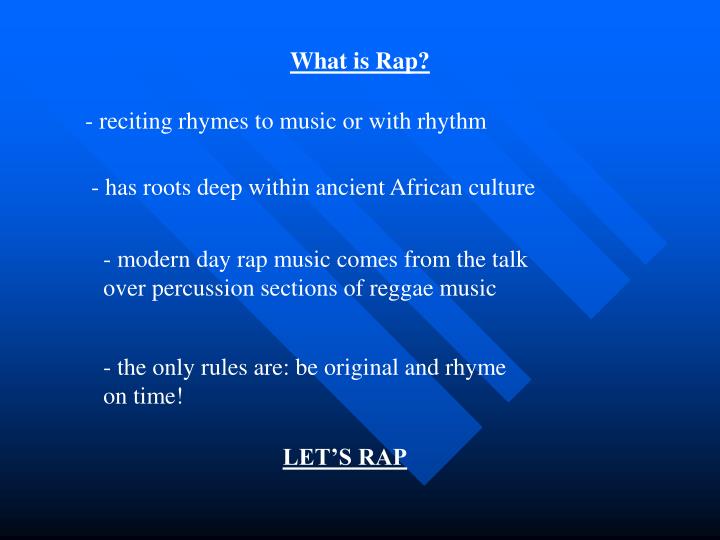
At its core, rap music is characterized by its vocal delivery style, known as rapping or MCing. This involves rhyming speech, delivered with a distinct rhythm and cadence, often over a musical backdrop created by a DJ. However, reducing rap to just these elements would be a disservice to its complexity. It encompasses lyrical prowess, intricate rhyme schemes, social commentary, personal narratives, and a unique cultural heritage.

The technological advancements that have shaped rap music are undeniable. From the early days of turntables and samplers to the sophisticated digital audio workstations (DAWs) and streaming platforms of today, technology has consistently provided the tools for artists to create, distribute, and connect with audiences. This symbiotic relationship between rap and technology is a defining aspect of the genre’s history and its ongoing evolution.
The Technological Genesis of Rap
The birth of rap music is inextricably linked to technological innovation, particularly in the realm of sound manipulation and amplification. The rudimentary tools available in the early days laid the groundwork for an entirely new sonic landscape.
Turntablism and Sampling: The DJ’s Digital Playground
The foundation of rap music’s sound can be traced back to the ingenuity of pioneering DJs like Kool Herc, Grandmaster Flash, and Afrika Bambaataa. In the Bronx of the 1970s, these innovators began to experiment with the technology of the time – turntables and mixers – to create a new form of musical expression.
The Breakbeat Revolution
At block parties, DJs would isolate and extend the percussive “break” sections of popular funk and soul records. Using two turntables and a mixer, they would skillfully maneuver between identical records, creating an unbroken loop of the most danceable part of a song. This “breakbeat” became the rhythmic bedrock upon which early MCs would rap. The technology of the turntable, originally designed for playing records, was repurposed and manipulated to become a foundational instrument in itself.
The Sampler: A New Palette of Sounds
The advent of the sampler in the late 1970s and early 1980s marked a significant technological leap. Devices like the E-mu SP-1200 and the Akai MPC series allowed producers to digitally record short snippets of sound (samples) from existing records, then manipulate and sequence them to create entirely new musical compositions. This was revolutionary. Suddenly, producers had access to an almost infinite sonic palette, drawing from diverse genres and eras. They could chop, loop, pitch-shift, and layer these sampled sounds to create the distinctive, often raw and gritty, beats that characterized early hip-hop. This technology democratized music production, allowing artists to create complex arrangements with relatively limited resources.
Drum Machines: The Digital Pulse of Hip-Hop
Alongside sampling, drum machines played a crucial role in shaping the rhythmic identity of rap music. Early drum machines, such as the Roland TR-808, provided electronic percussive sounds that could be programmed and sequenced. While initially less sophisticated than sampling, drum machines offered a consistent and controllable rhythm, freeing producers from the reliance on finding the perfect drum break. The distinctive boom and snap of the 808, for instance, became an iconic element in countless rap tracks, influencing the genre’s sonic texture for decades to come.
Digital Evolution and Production Tools
As technology progressed, so too did the tools available for rap music production. The shift from analog to digital hardware, and then to software, opened up new avenues for creativity and accessibility.
Digital Audio Workstations (DAWs): The Modern Studio in a Box
The rise of the personal computer and specialized software revolutionized music production. Digital Audio Workstations (DAWs), such as Pro Tools, Ableton Live, Logic Pro, and FL Studio, have become the central hubs for modern rap music creation. These powerful software suites allow artists to record, edit, mix, and master audio with unprecedented precision and flexibility.
Sampling and Synthesis Reimagined
DAWs offer sophisticated sampling capabilities, allowing for intricate manipulation of audio fragments. Beyond sampling, they integrate powerful virtual instruments and synthesizers, enabling producers to create entirely original sounds from scratch. This has led to a diversification of rap’s sonic palette, moving beyond the limitations of sampled material to explore a vast range of electronic textures and instrumental sounds.
The Power of Non-Linear Editing
The non-linear editing capabilities of DAWs mean that producers can freely rearrange, cut, and paste musical elements without the destructive limitations of analog tape. This facilitates experimentation and rapid iteration, allowing for the creation of complex arrangements and intricate rhythmic patterns that would have been impossible or prohibitively time-consuming in the past.
Effects Processing and Sound Design

Modern DAWs come equipped with an extensive array of virtual effects processors, from reverbs and delays that create atmospheric depth to compressors and EQs that sculpt the sonic character of individual sounds. This allows for sophisticated sound design, enabling artists to imbue their tracks with unique textures, moods, and energies. Auto-Tune, while often debated, has also become a pervasive technological tool in rap, used not just for pitch correction but as a stylistic effect to create distinct vocal textures and melodies.
Distribution and Consumption: The Digital Age of Rap
Technology hasn’t just influenced how rap music is made; it has fundamentally altered how it is shared and consumed by audiences worldwide.
The Internet and the Democratization of Distribution
The advent of the internet, and subsequently the digital download and streaming era, has profoundly changed the music industry. For rap music, this has been particularly transformative. Artists no longer solely rely on major record labels for distribution. Platforms like SoundCloud, Bandcamp, and YouTube allow independent artists to upload their music directly to a global audience, bypassing traditional gatekeepers.
The Rise of the Independent Artist
This direct access to consumers has empowered a new generation of independent rap artists. They can build a fanbase, share their work, and even generate income without the need for a record deal. This has led to an explosion of diverse voices and styles within rap, as artists are free to experiment and cater to niche audiences.
Streaming Platforms: Access and Discovery
Streaming services like Spotify, Apple Music, and Tidal have become the primary means by which most people consume music, including rap. These platforms offer vast libraries of music at the listener’s fingertips, making it easier than ever to discover new artists and explore different subgenres. Algorithmic recommendation systems, powered by sophisticated data analysis, play a significant role in this discovery process, helping listeners find music that aligns with their preferences.
Social Media and Artist-Fan Interaction
Social media platforms such as Instagram, Twitter, and TikTok have become indispensable tools for rap artists. They provide a direct channel for communication with fans, allowing artists to share updates, behind-the-scenes content, and engage in real-time dialogue.
Building a Brand Through Digital Presence
For rap artists, a strong social media presence is akin to a digital brand identity. It’s a space to cultivate their image, tell their story, and connect with their audience on a personal level. This direct interaction fosters loyalty and can translate into increased engagement, concert attendance, and merchandise sales. TikTok, in particular, has become a powerful platform for song discovery and viral trends, with short snippets of rap songs often becoming global phenomena.
Live Streaming and Virtual Performances
In recent years, live streaming technology has offered new ways for artists to connect with fans. Virtual concerts and live Q&A sessions hosted on platforms like Twitch or YouTube allow artists to perform and interact with their audience remotely. This technology has proven especially valuable during periods of social distancing, ensuring that artists can continue to engage with their fans and maintain a connection to their craft.
The Future of Rap: AI, Innovation, and Interactivity
The relationship between rap music and technology is constantly evolving, with emerging technologies poised to shape the genre’s future.
AI in Music Creation and Production
Artificial intelligence (AI) is beginning to make inroads into music production. AI-powered tools can now assist with tasks such as generating melodies, harmonies, and even entire beats. While still in its nascent stages, AI has the potential to be a powerful collaborative tool for producers, offering new creative avenues and speeding up the production process. The ethical implications of AI-generated music and its impact on artists’ livelihoods are subjects of ongoing discussion and development.
Immersive Audio and Interactive Experiences
Technologies like spatial audio (e.g., Dolby Atmos) are offering new ways to experience music, creating more immersive listening environments. As these technologies become more widespread, rap artists may find new creative possibilities in crafting songs that utilize three-dimensional soundscapes. Furthermore, advancements in virtual reality (VR) and augmented reality (AR) hold the potential to create entirely new interactive experiences for fans, blurring the lines between the digital and physical worlds of music consumption.
Blockchain and Decentralized Music Platforms
Emerging technologies like blockchain are also being explored within the music industry. Decentralized music platforms powered by blockchain could offer artists greater control over their music, fairer royalty distribution, and new ways for fans to engage with and support their favorite artists, perhaps through NFTs (Non-Fungible Tokens) representing unique digital assets or ownership stakes.
In conclusion, rap music is a dynamic and evolving art form whose journey is intrinsically tied to technological advancement. From the rudimentary manipulation of turntables to the sophisticated AI tools of today, technology has consistently provided the canvas and the brushes for rap artists to create, innovate, and connect. As technology continues to accelerate, so too will the evolution of rap, promising even more exciting and unforeseen creative possibilities for this powerful and enduring genre.
aViewFromTheCave is a participant in the Amazon Services LLC Associates Program, an affiliate advertising program designed to provide a means for sites to earn advertising fees by advertising and linking to Amazon.com. Amazon, the Amazon logo, AmazonSupply, and the AmazonSupply logo are trademarks of Amazon.com, Inc. or its affiliates. As an Amazon Associate we earn affiliate commissions from qualifying purchases.