
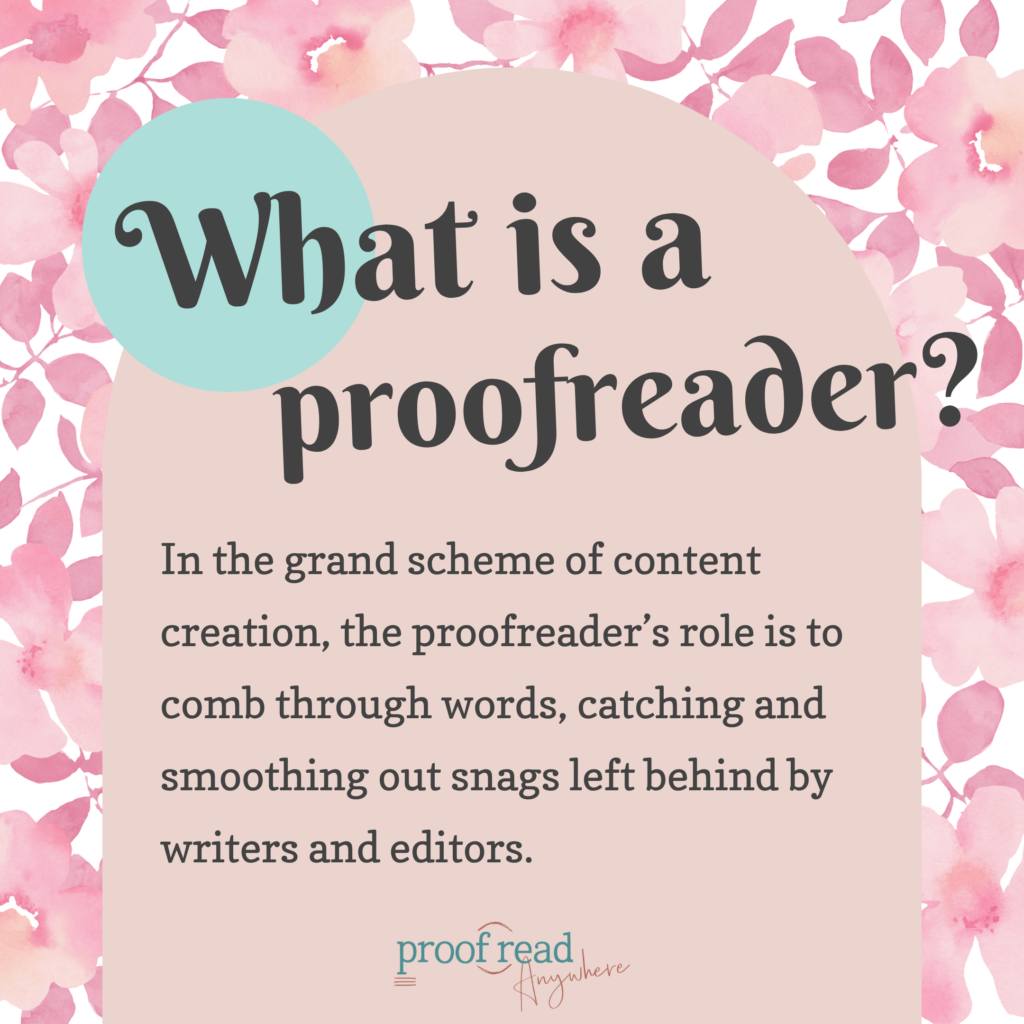
The role of a proofreader, while often conflated with that of an editor, is a distinct and crucial function within the broader landscape of content creation, particularly in the digital age. In essence, a proofreader is the final gatekeeper of textual accuracy and polish, ensuring that written material is free from errors in grammar, spelling, punctuation, and formatting before it reaches its intended audience. This meticulous attention to detail is paramount across all forms of communication, from academic papers and marketing collateral to software documentation and website copy.
While the core function of a proofreader remains constant, the tools and methodologies employed have evolved significantly with technological advancements. The digital realm, with its rapid publication cycles and pervasive online presence, has amplified the demand for skilled proofreaders and introduced new avenues for their work. This article will delve into the multifaceted nature of proofreading in the 21st century, exploring its technical underpinnings, the sophisticated tools that aid the process, and the evolving skill set required for success.
The Evolving Landscape of Proofreading in the Digital Age
The advent of the internet and digital platforms has not only democratized content creation but also increased the volume of text being produced and consumed at an unprecedented rate. This surge necessitates a more robust and efficient approach to quality control, placing proofreading at the forefront of ensuring professional and credible communication.
The Imperative of Error-Free Content in a Digital First World
In an era where first impressions are often formed through digital interactions, the presence of errors can significantly undermine credibility. A typo in a website’s landing page, a grammatical mistake in an email newsletter, or a spelling error in a software application’s user interface can quickly lead to a perception of carelessness or a lack of professionalism. This is particularly detrimental in sectors that rely heavily on trust and precision, such as technology and finance.
For businesses operating in the tech industry, where innovation and reliability are key selling points, the quality of their written communication is a direct reflection of their product and service. Software documentation must be clear, accurate, and unambiguous to facilitate user understanding and adoption. Marketing materials need to be polished and persuasive, free from any linguistic blemishes that could distract from the core message. Technical white papers and case studies require an impeccable standard of grammar and spelling to lend authority and credibility to their findings.
The Impact of Digital Publication and Rapid Iteration
Digital publishing allows for near-instantaneous dissemination of content. While this speed is a powerful advantage, it also compresses the timeline for review and refinement. Proofreaders must be adept at working within tight deadlines, often performing their duties on content that is still in flux. This iterative process, where content is constantly updated and revised, demands a proofreader who can quickly identify and rectify errors without disrupting the flow of development or publication.
The ease of online publishing also means that mistakes, once made, can spread rapidly through social media, forums, and other digital channels. A single errant tweet or blog post can quickly go viral, leading to widespread embarrassment and reputational damage. This underscores the critical role of proofreaders in acting as a final safeguard against such potentially damaging oversights.
Technological Tools Enhancing Proofreading Efficiency
While human discernment remains indispensable, technology has provided proofreaders with powerful allies, augmenting their capabilities and streamlining the correction process. These tools are not replacements for skilled professionals but rather sophisticated assistants that handle the more mundane and repetitive aspects of error detection.
The Rise of AI-Powered Grammar and Spelling Checkers
The most ubiquitous technological aids for proofreaders are AI-powered grammar and spelling checkers. Tools like Grammarly, ProWritingAid, and the built-in checkers in word processors and online editors have become standard in most workflows. These applications leverage natural language processing (NLP) and machine learning algorithms to identify a wide range of errors, from simple typos and grammatical slip-ups to more nuanced issues like sentence structure, clarity, and even stylistic inconsistencies.
These tools excel at catching common mistakes with remarkable speed. They can flag misspellings, incorrect verb conjugations, misplaced commas, and subject-verb agreement issues. More advanced AI tools can also offer suggestions for improving sentence flow, rephrasing awkward constructions, and ensuring a consistent tone. For a proofreader, these programs act as a first line of defense, sifting through vast amounts of text to highlight potential problems that the human eye can then scrutinize and validate.
Leveraging Digital Tools for Style Guides and Consistency

Beyond general error detection, technology plays a vital role in maintaining consistency according to specific style guides. Many organizations and publications adhere to established style manuals, such as the Chicago Manual of Style, AP Stylebook, or internal company style guides. Proofreaders are responsible for ensuring that all content aligns with these guidelines, covering everything from capitalization and hyphenation to the preferred spelling of technical terms.
Digital tools can be configured to enforce these style rules. Custom dictionaries can be created to include industry-specific jargon or preferred spellings. Style guides can be partially automated through specialized software or by using robust text editors with advanced find-and-replace capabilities and scripting. This allows proofreaders to maintain consistency across large documents or multiple pieces of content with greater efficiency and accuracy. Furthermore, tools that facilitate document comparison, such as those found in Microsoft Word or dedicated version control systems, are invaluable for tracking changes and ensuring that all approved revisions have been correctly implemented.
The Proofreader’s Skillset in the Digital Domain
The contemporary proofreader requires a blend of traditional linguistic expertise and a strong aptitude for technology. The ability to critically analyze text, coupled with proficiency in digital tools, is what distinguishes a highly effective professional in today’s content-driven environment.
Mastering Linguistic Precision and Nuance
At its core, proofreading is about linguistic precision. This involves a deep understanding of grammar, syntax, punctuation, and spelling rules. However, in the digital age, this expertise must extend to recognizing the subtle nuances of language that can impact meaning and tone. A proofreader needs to understand how different word choices can affect audience perception, especially in marketing and branding contexts. They must be able to identify instances where a sentence, while grammatically correct, might be ambiguous or misleading.
Furthermore, a keen eye for consistency in tone, voice, and style is crucial. In technical documentation, clarity and conciseness are paramount. In marketing copy, persuasive language and brand voice are key. A proofreader acts as a quality control agent, ensuring that the intended message is conveyed effectively and professionally, free from any linguistic interference. This requires not just identifying errors but also understanding the purpose and audience of the text.
Adapting to Diverse Digital Content Formats and Platforms
The digital landscape is characterized by a multitude of content formats and platforms. Proofreaders must be comfortable working with various types of digital text, including website copy, blog posts, social media updates, e-books, white papers, software interfaces, and app descriptions. Each of these has its own unique considerations regarding length, style, and audience.
Moreover, understanding the technical constraints and best practices of different platforms is increasingly important. For instance, proofreading content for a website might involve checking for proper use of headings, meta descriptions, and internal linking, all of which have SEO implications. Similarly, proofreading for a mobile app requires attention to character limits and user interface element text. A proofreader who can navigate these diverse environments and ensure accuracy across them is a valuable asset in any tech-focused organization. They are not just fixing words; they are safeguarding the integrity and effectiveness of the digital presence.
The Future of Proofreading: Human Expertise Meets Artificial Intelligence
The ongoing development of artificial intelligence and its integration into writing and editing tools suggest a dynamic future for proofreading. The most successful proofreaders will be those who can strategically integrate these technological advancements into their workflow, augmenting their own critical judgment.
The Symbiotic Relationship Between Human and AI Proofreaders
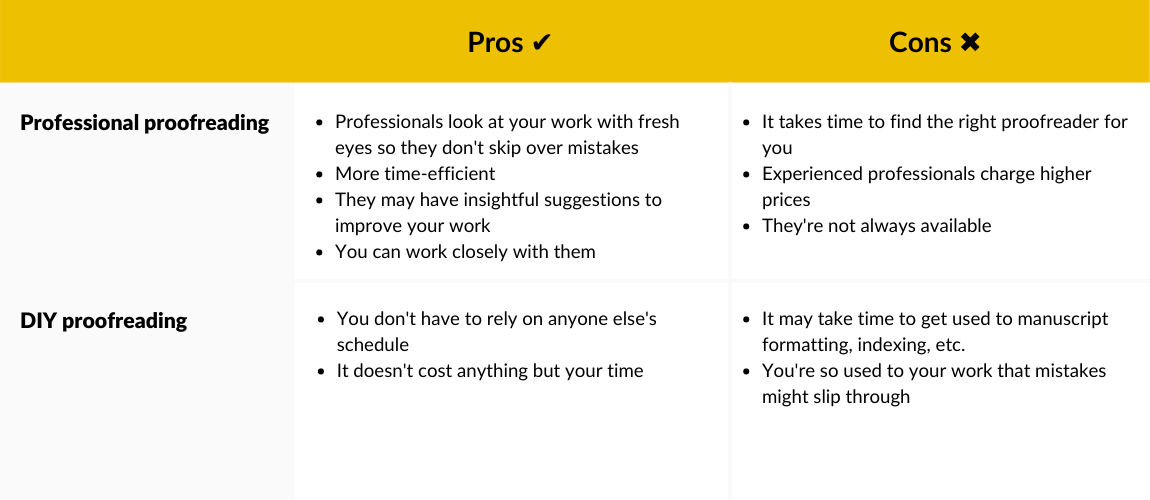
The notion of AI completely replacing human proofreaders is a subject of much debate, but the current reality points towards a symbiotic relationship. AI excels at identifying patterns and anomalies at scale, making it an incredibly efficient tool for initial error detection. However, it often struggles with context, nuance, irony, and understanding the author’s intent. This is where human proofreaders shine.
A skilled proofreader can interpret the suggestions made by AI tools, discerning which are accurate and relevant and which are misinterpretations. They can identify stylistic issues, cultural sensitivities, and factual inaccuracies that AI might overlook. The future proofreader will be an expert in leveraging AI as a productivity enhancer, allowing them to focus on the more complex and subjective aspects of linguistic quality assurance. This means understanding when to trust the AI’s suggestion and when to override it based on a deeper understanding of the text and its purpose.
Continuous Learning and Adaptation in a Tech-Driven World
The rapid evolution of technology means that proofreaders must commit to continuous learning and adaptation. New AI tools are constantly emerging, and existing ones are being refined. Staying abreast of these developments is crucial for maintaining efficiency and effectiveness. This includes understanding the capabilities and limitations of various proofreading software, learning new keyboard shortcuts and functionalities, and exploring how these tools can be integrated into different workflows.
Beyond technical skills, proofreaders will also need to cultivate a deeper understanding of the industries they serve. For example, a proofreader specializing in the tech industry will benefit from understanding common technical terms, industry trends, and the specific communication styles prevalent in that sector. This domain knowledge allows for a more insightful and accurate review, ensuring that the proofreader not only corrects errors but also enhances the overall clarity and impact of the content within its specific context. The proofreader of tomorrow is a technologically adept linguist, a critical thinker, and a lifelong learner, ensuring that digital communication remains clear, accurate, and compelling.
aViewFromTheCave is a participant in the Amazon Services LLC Associates Program, an affiliate advertising program designed to provide a means for sites to earn advertising fees by advertising and linking to Amazon.com. Amazon, the Amazon logo, AmazonSupply, and the AmazonSupply logo are trademarks of Amazon.com, Inc. or its affiliates. As an Amazon Associate we earn affiliate commissions from qualifying purchases.