
In an era increasingly dominated by digital interactions and instantaneous communication, the concept of a “printed name” might seem like a relic of a bygone age. Yet, far from being obsolete, a printed name — whether typed, clearly handwritten, or stamped — remains a profoundly significant element in establishing identity, conveying authority, and reinforcing trust across myriad professional and personal contexts. It is more than just a sequence of characters; it serves as a robust marker of intent, responsibility, and authenticity.
Within the realm of branding, both corporate and personal, the printed name plays an often-underestimated role. It underpins legal frameworks, streamlines operational efficiencies, and subtly communicates an organization’s professionalism or an individual’s credibility. This article will delve into the multifaceted importance of a printed name, exploring its foundational role in corporate identity, its contribution to personal branding, its critical legal and operational significance, and how its meaning has evolved in the digital landscape, all through the lens of brand strategy and identity.
The Foundational Role of a Printed Name in Corporate Identity
For any organization, its identity is a carefully constructed edifice built upon consistency, clarity, and authority. The printed name, in its various applications, is an intrinsic building block of this corporate identity, often working in tandem with logos, typography, and brand voice to project a cohesive and trustworthy image.
Establishing Official Recognition
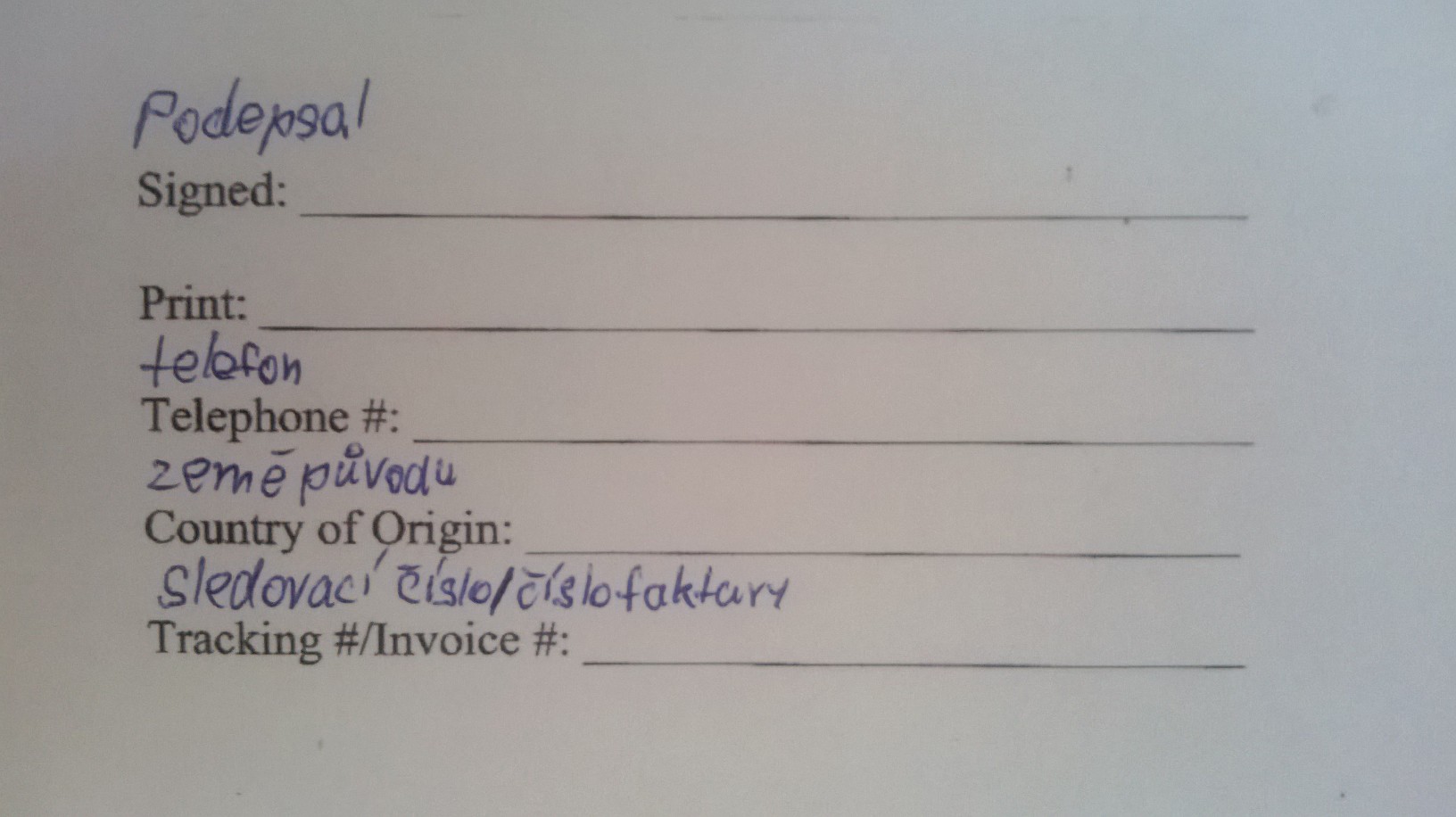
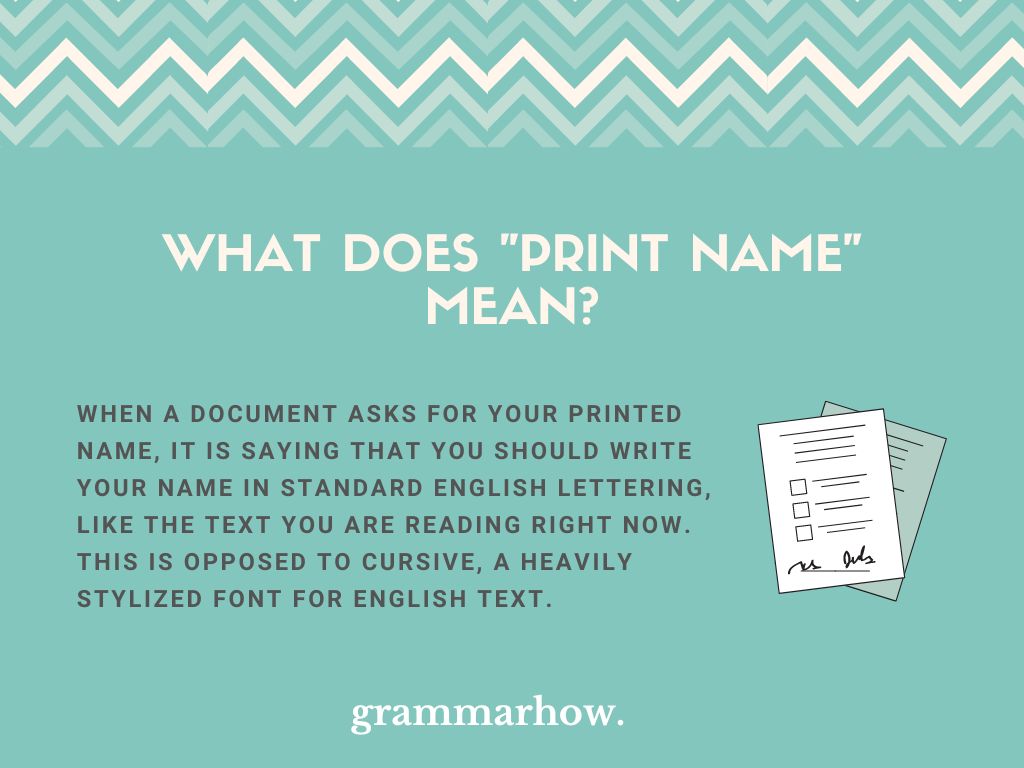
The very act of presenting a printed name on a document or within a communication conveys an immediate sense of officialdom and recognition. Unlike a handwritten signature, which can be subject to individual variations and legibility issues, a printed name offers unequivocal clarity. On contracts, invoices, official letters, and certificates, the presence of a clearly printed name alongside a signature transforms a personal mark into an official declaration. It articulates not just who is signing, but who is officially authorized to represent the brand. This clarity is paramount for legal validity, preventing ambiguity that could lead to disputes or misinterpretations. It assures recipients that the communication emanates from a legitimate source and carries institutional weight.
Ensuring Accountability and Traceability
A core tenet of strong corporate branding is accountability. Stakeholders, clients, and partners need to know that an organization stands behind its commitments, and that individuals within it can be held responsible for their actions. A printed name serves as a vital link in this chain of accountability. When an employee’s name is printed on a report, a proposal, or an internal approval document, it clearly identifies the individual responsible for its content or action. This traceability is crucial for internal audits, compliance checks, and quality control processes. It reinforces the brand’s commitment to transparency and meticulous record-keeping, projecting an image of reliability and professionalism that is essential for building and maintaining a strong reputation.
Consistency in Brand Representation
Corporate identity thrives on consistency. Every touchpoint, from the smallest email signature to the largest billboard, must reflect the brand’s established guidelines. The way names are printed falls squarely within this domain. Brand guidelines often dictate specific fonts, sizes, and placements for names on business cards, letterheads, and official documents. This uniformity ensures that every piece of communication, regardless of who sends it, looks and feels authentically “on brand.” Such meticulous attention to detail signals an organized, professional, and trustworthy entity. Inconsistency in how names are printed can subtly undermine a brand’s authority, suggesting a lack of internal cohesion or attention to detail, which can erode trust over time.
The Personal Brand and the Power of a Printed Name
Beyond the corporate sphere, an individual’s printed name is a cornerstone of their personal brand, articulating professionalism, expertise, and credibility. In today’s competitive landscape, a strong personal brand is as valuable as a corporate one, and the careful presentation of one’s name is a foundational aspect of this.
Professionalism in Communication
The way an individual’s name appears on professional collateral speaks volumes about their attention to detail and commitment to professionalism. A clearly printed name on a business card, a résumé, a cover letter, or an email signature instantly conveys a sense of seriousness and respect for the recipient. It makes the individual easily identifiable and contactable, establishing a professional persona from the outset. In contrast, a poorly presented or illegible name can create a negative first impression, suggesting carelessness or a lack of regard for professional standards. For job seekers, entrepreneurs, or consultants, this seemingly small detail can significantly impact how they are perceived by potential employers, clients, or collaborators.
Legitimizing Personal Authority
When an individual’s printed name accompanies their work — be it an academic paper, a technical report, a design proposal, or a legal brief — it legitimizes their authorship and expertise. It signifies that the individual stands behind the content, claiming responsibility and ownership. This act reinforces personal credibility within a professional context, elevating the individual from a mere participant to an authoritative contributor. For instance, an architect’s printed name on a blueprint, a doctor’s on a prescription pad, or a researcher’s on a scientific publication imbues their work with the weight of their professional standing and expertise. It’s a subtle yet powerful declaration of intellectual and professional responsibility, strengthening their personal brand as a reliable and knowledgeable expert.
Digital Presence and Personal Branding
In the digital age, the concept of a “printed name” extends far beyond physical paper. How one’s name appears online is crucial for personal branding. This includes professional social media profiles (LinkedIn, for example), personal websites, online portfolios, and digital documents. Ensuring consistency in the presentation of one’s name across all digital platforms is vital. This means using the same preferred spelling, capitalization, and professional titles consistently. A unified digital presence makes an individual easily searchable, recognizable, and reinforces their professional identity, creating a cohesive and authoritative personal brand that transcends physical boundaries.
Legal and Operational Significance for Brands
The practical implications of a printed name for both corporate and personal brands extend deeply into legal compliance, operational efficiency, and security protocols. These functions are critical for maintaining integrity, managing risk, and ensuring smooth business operations.
Legal Compliance and Contractual Agreements
In legal and contractual agreements, the printed name often serves as a critical counterpoint to a handwritten signature. While a signature acts as an expressive mark of assent, the printed name provides an unambiguous identification of the signatory. This dual requirement is standard practice in many jurisdictions to prevent ambiguity, clarify the identity of the contracting parties, and provide an irrefutable record. Without a clear printed name, disputes over who signed a document could easily arise, undermining the legal enforceability of the agreement. For brands, ensuring that all contracts, non-disclosure agreements, and official resolutions include clearly printed names alongside signatures is a fundamental aspect of risk management and legal compliance.
Operational Efficiency and Documentation
Internally, printed names contribute significantly to operational efficiency and robust documentation practices. In complex organizations, numerous individuals are involved in various stages of a process, from initiation to approval. The requirement for a printed name on internal forms, approval chains, and departmental sign-offs clarifies who has reviewed, approved, or acted on a particular item. This system simplifies tracking responsibilities, streamlining workflows, and minimizing errors and confusion. For example, in human resources, a printed name on an employee’s record clearly identifies the HR representative who processed a specific action. In supply chain management, it traces accountability for inventory movements or quality checks. Such clear identification is indispensable for smooth operations and audit trails.
Security and Authentication
A printed name, particularly when combined with other identifiers, also plays a role in security and authentication processes. In controlled environments, requiring a printed name for access logs, visitor registers, or material sign-outs adds an extra layer of verification. For official clearances, security passes, or identification badges, a clearly printed name is essential for verifying an individual’s identity and their authorization level. While not a standalone security measure, it forms a crucial part of a multi-factor identification system, reinforcing the brand’s commitment to protecting its assets, data, and personnel.
The Evolution of “Printed” in the Digital Age
The definition of “printed” has expanded dramatically with the advent of digital technologies. While the physical act of putting ink to paper remains relevant, the digital equivalent of a printed name now carries equal, if not greater, weight in many professional and legal contexts.
Digital Signatures and Typed Names
In the digital realm, a “printed name” often manifests as a typed name within a document or form. This typed name serves the same fundamental purpose as its physical counterpart: unambiguous identification. Furthermore, the rise of legally binding digital signatures and electronic signatures (e-signatures) has integrated the concept of a printed name into sophisticated authentication processes. An e-signature often requires a clearly typed name as part of its authentication protocol, ensuring that the digital mark is attributable to a specific, identifiable individual. This evolution ensures that the critical functions of identification, accountability, and authority are maintained even as transactions move entirely online.
Accessibility and Readability
One significant advantage of the digital “printed name” is enhanced accessibility and readability. Unlike handwritten signatures, which can be notoriously difficult to decipher, typed names are inherently clear and consistent. This improves accessibility for individuals with visual impairments (who might use screen readers) and facilitates communication across linguistic barriers. Digitally printed names also enable machine readability through technologies like Optical Character Recognition (OCR), allowing for efficient data processing, archiving, and retrieval – processes that are vital for modern corporate operations and regulatory compliance.
Maintaining Brand Integrity Across Mediums
The challenge for brands in the digital age is to ensure that the integrity and consistency associated with a physically printed name are seamlessly transferred to digital mediums. This requires developing comprehensive digital brand guidelines that dictate how names should be presented in online forms, email footers, digital documents, and social media profiles. Utilizing digital templates, standardizing fonts and formatting, and educating employees on digital etiquette are crucial for maintaining a cohesive and authoritative brand image across all platforms. The goal is to ensure that whether a name is physically printed or digitally displayed, it consistently projects the professionalism and trustworthiness inherent to the brand.
Conclusion
The humble printed name, often taken for granted, is far more than a mere identifier. It is a cornerstone of brand identity, a pillar of personal credibility, and an indispensable tool for legal and operational clarity. From establishing official recognition for corporations to legitimizing personal authority for individuals, and from ensuring accountability in complex systems to providing legal clarity in contractual agreements, its significance is profound.
As we navigate an increasingly digital world, the essence of what a printed name represents — clarity, responsibility, and authenticity — remains timeless. Whether it’s ink on paper or pixels on a screen, the intentional and consistent presentation of a name continues to be a powerful, yet subtle, act of branding. It underscores the enduring importance of precision and professionalism in projecting an image of trust and authority, cementing its place as an essential element in both corporate and personal narratives.
aViewFromTheCave is a participant in the Amazon Services LLC Associates Program, an affiliate advertising program designed to provide a means for sites to earn advertising fees by advertising and linking to Amazon.com. Amazon, the Amazon logo, AmazonSupply, and the AmazonSupply logo are trademarks of Amazon.com, Inc. or its affiliates. As an Amazon Associate we earn affiliate commissions from qualifying purchases.