
Beyond its delicious layers of sponge, jam, cream, and marzipan, the Princess Cake stands as a fascinating case study in branding. It’s not merely a dessert; it’s an experience, a narrative, and a strategically positioned product that has captured hearts and imaginations for over a century. This article will dissect the sophisticated brand elements—from its evocative name and distinctive visual identity to its emotional resonance and market positioning—that elevate a simple confection into an iconic symbol of celebration, aspiration, and cultural heritage.
At its core, a brand is a promise. It’s the sum total of perceptions about a product, service, or organization. For the Princess Cake, this promise extends far beyond taste, encompassing nostalgia, tradition, aesthetic beauty, and a touch of whimsical luxury. Understanding “what is a Princess Cake” from a branding perspective reveals how careful, albeit often organic, construction of identity can create enduring market appeal and emotional loyalty.

The Anatomy of a Branded Confection: Naming and Visual Identity
The success of any brand often begins with its name and its visual presentation. These are the first points of contact, the initial signals that communicate value, purpose, and personality. The Princess Cake exemplifies this principle, leveraging a potent name and an unmistakable aesthetic to forge a powerful and lasting brand identity.
The Power of a Regal Name: “Princess” as a Brand Differentiator
The very name “Princess Cake” (Prinsesstårta in Swedish) is a masterstroke of branding. The word “Princess” immediately conjures images of royalty, elegance, fantasy, and a certain aspirational charm. This isn’t just a generic “vanilla cake” or a “cream cake”; it’s a cake imbued with a specific narrative and a high-status perception.
The name functions as a powerful differentiator in a crowded culinary landscape. In a market saturated with various types of desserts, “Princess” instantly sets this cake apart. It creates a brand promise of something special, refined, and perhaps even magical. For consumers, the name alone suggests a product that transcends mere sustenance, hinting at celebration, indulgence, and a touch of storybook enchantment. This emotional resonance is a hallmark of strong branding, allowing the product to command attention and affection even before a single bite is taken.
Moreover, the “Princess” moniker subtly targets a specific demographic or a particular sentiment. While it certainly appeals to children, connecting with their world of fairy tales and wish fulfillment, it also resonates with adults seeking a touch of whimsy, nostalgia, or a sophisticated yet fun treat. The name itself functions as a miniature marketing campaign, pre-selling the experience and establishing expectations for both quality and presentation. It’s a classic example of how linguistic choice can imbue a product with personality and purpose, shaping its reception and perceived value.
Visual Storytelling: Aesthetics that Enchant and Entice
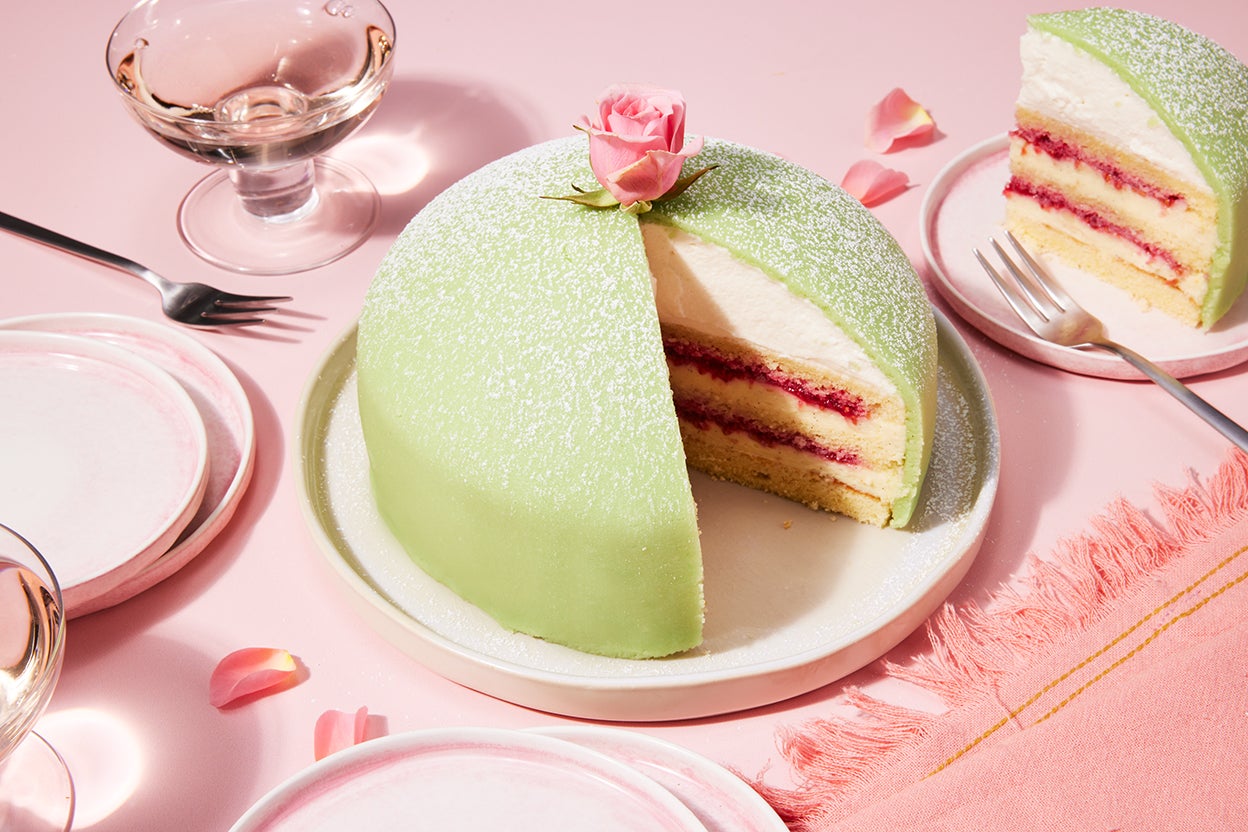
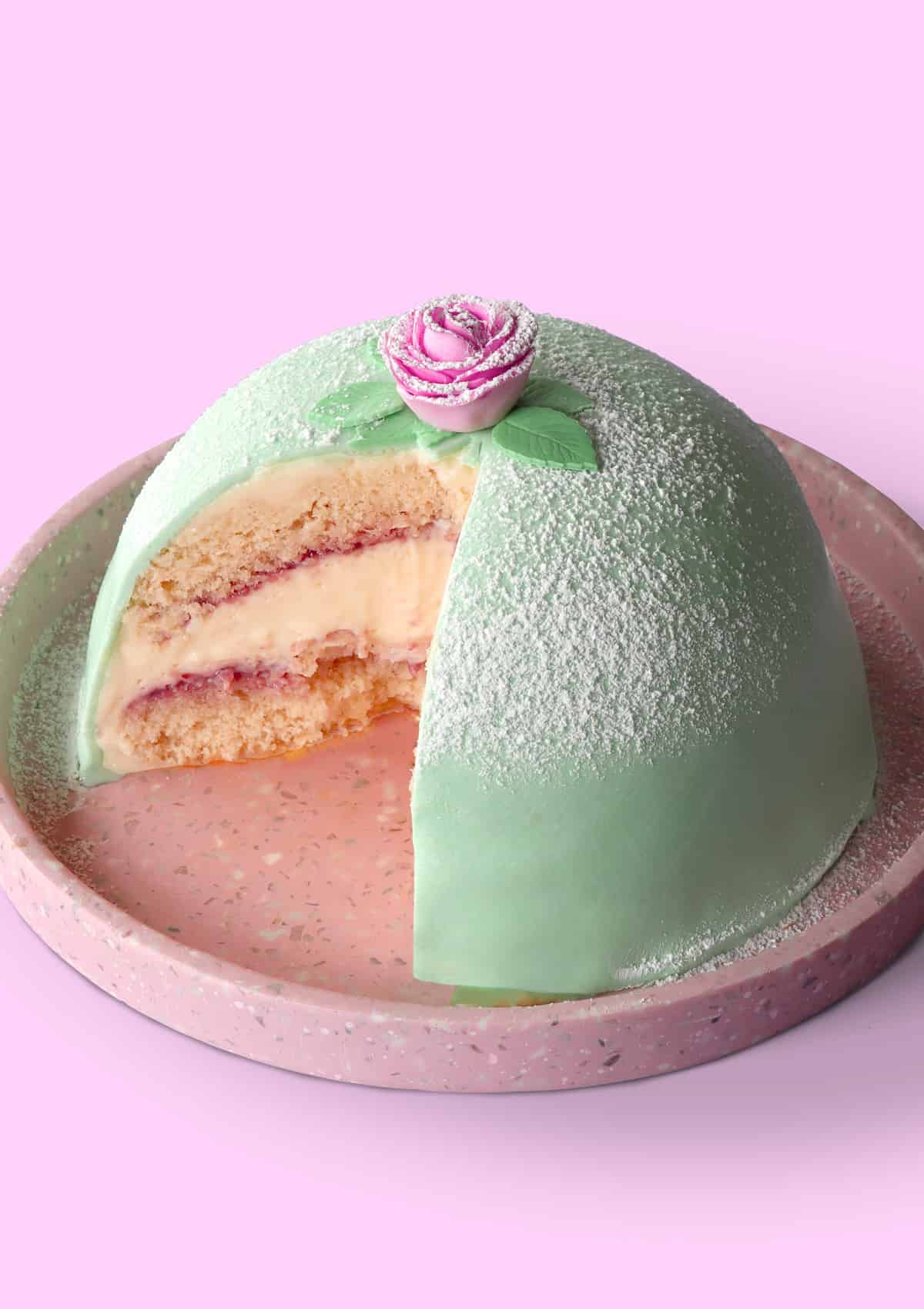
If the name provides the narrative hook, the visual identity of the Princess Cake delivers the full story. Its iconic appearance is arguably its strongest branding asset, making it instantly recognizable and deeply memorable. The signature elements include:
-
The Dome Shape: A smooth, often high, rounded dome that distinguishes it from flat or multi-tiered cakes. This unique silhouette gives it a sculptural quality, making it a focal point on any table.
-
Pastel Green Marzipan: The vibrant yet soft green marzipan layer, often thin and perfectly draped, is perhaps the most defining visual characteristic. This specific color has become synonymous with the Princess Cake, creating a strong visual anchor for its brand. In branding, color consistency is paramount, and the Princess Cake leverages this to full effect, making its green hue an unofficial trademark.
-
The Marzipan Rose: A delicate pink or red marzipan rose, strategically placed atop the dome, serves as the cake’s crown jewel. This small detail adds an element of elegance, craftsmanship, and a final flourish that reinforces the “princess” theme.
-
Powdered Sugar Finish: A light dusting of powdered sugar often provides a delicate, ethereal finish, enhancing its sophisticated appeal and hinting at the soft, sweet experience within.
These visual cues are not arbitrary; they are integral to its brand identity. They communicate a sense of care, tradition, and artistry. In an age dominated by visual content, especially through social media, the Princess Cake’s highly photogenic nature is an immense branding advantage. It’s not just a dessert; it’s an Instagrammable moment, a shareable experience that generates organic marketing through user-generated content.
The consistency of these visual elements across countless bakeries and home kitchens, despite no formal brand ownership, is a testament to the strength of its established identity. This collective adherence to a visual standard reinforces the Princess Cake “brand” in the public consciousness, making it a reliable and universally understood symbol of Swedish confectionery excellence.
Targeting the Heart: Audience, Aspiration, and Emotional Connection
Effective branding goes beyond surface-level aesthetics; it taps into the core desires and emotions of its target audience. The Princess Cake is a masterclass in this, understanding implicitly who it speaks to and what aspirations it fulfills, thereby forging deep emotional connections.
Crafting a Dream: The Target Demographic and Aspirational Appeal
While seemingly universal in its appeal, the Princess Cake subtly targets specific demographics and psychological needs. Primarily, it resonates deeply with children, particularly young girls, by directly linking to the cultural narrative of fairy tales, royalty, and fantastical dreams. For a child, a “Princess Cake” isn’t just dessert; it’s a tangible piece of their imaginative world, transforming a birthday or special occasion into a truly magical event. This direct connection to wish fulfillment creates an immediate and powerful bond.
However, its appeal is not limited to childhood. Adults are drawn to the Princess Cake for a multitude of reasons, often rooted in aspiration or nostalgia. It represents:
-
Nostalgia: For many, it evokes memories of childhood celebrations, family traditions, and simpler times. This powerful emotional pull drives repeat purchases and fosters deep brand loyalty.
-
Aspiration: The cake, with its elegant presentation and “princess” association, can represent a desire for a touch of luxury, sophistication, or beauty in everyday life or special moments. It’s a statement piece, signaling that an occasion is important enough to warrant something truly special.
-
Cultural Identity: For those with Swedish heritage or an appreciation for Scandinavian culture, the Princess Cake is a touchstone, a culinary ambassador that connects them to a broader cultural identity.
By tapping into these fundamental human desires—for magic, beauty, belonging, and connection to one’s past—the Princess Cake brand transcends its edible form. It becomes a symbol of celebration, an embodiment of happiness, and a catalyst for creating cherished memories. This aspirational appeal is a critical component of its brand strength, allowing it to maintain relevance across generations and diverse contexts.
Beyond Taste: Selling an Experience and Emotional Resonance
In today’s experience economy, products that offer more than just their utilitarian function thrive. The Princess Cake is an exemplary case of selling an experience rather than just a food item. When someone purchases or bakes a Princess Cake, they are not merely acquiring a dessert; they are investing in:
-
A Centerpiece: Its distinctive visual appeal makes it a natural focal point for any gathering, elevating the aesthetic of the entire event.
-
A Photo Opportunity: As mentioned earlier, its photogenic qualities make it a perfect subject for social media, where the “brand” of the cake is amplified through visual sharing and emotional tagging.
-
A Memory Maker: The cake becomes intrinsically linked to the event it graces—a birthday, an anniversary, a holiday. It becomes part of the personal narrative, a sensory anchor for happy memories.
-
A Gifting Statement: Presenting a Princess Cake as a gift conveys thoughtfulness, generosity, and an appreciation for quality and tradition.
Bakeries and home bakers alike instinctively understand this. Their marketing efforts, whether explicit or implicit, rarely focus solely on the ingredients. Instead, they highlight the joy, the tradition, the beauty, and the “specialness” that a Princess Cake brings. This focus on emotional resonance transforms the product from a mere commodity into a valued part of human connection and celebration. The brand’s success lies in its ability to consistently deliver not just on taste, but on the promise of a memorable and emotionally fulfilling experience.
Market Positioning and Competitive Differentiation
In any industry, understanding where a product stands in relation to its competitors and how it carves out its own unique space is crucial for brand longevity. The Princess Cake, despite its traditional roots, demonstrates remarkable strategic positioning within the highly competitive confectionery market.
Carving a Niche: How the Princess Cake Stands Out
The dessert market is vast and varied, ranging from simple cookies to elaborate tiered wedding cakes. Within this landscape, the Princess Cake has successfully carved out a distinct niche through a combination of its unique attributes and powerful brand identity.
-
Unique Aesthetic: Its instantly recognizable dome shape and green marzipan set it apart from virtually any other cake. This visual distinctiveness reduces cognitive load for consumers, making it easy to identify and recall, which is a key objective of strong branding.
-
Specific Flavor Profile: While variations exist, a classic Princess Cake typically features layers of light sponge cake, vanilla custard or pastry cream, raspberry jam, and a thick layer of whipped cream, all encased in marzipan. This specific combination offers a unique taste experience that differentiates it from richer chocolate cakes, fruit tarts, or simpler sponge cakes.
-
Cultural Heritage: Its deep roots in Swedish culinary tradition provide an authentic backstory and an element of exotic appeal for non-Swedish consumers. This heritage acts as a powerful brand narrative, lending credibility, prestige, and a sense of timelessness that newer products often struggle to cultivate. It’s not just a cake; it’s the Swedish Princess Cake.
-
Versatility in Occasion: While strongly associated with celebrations, it’s not strictly limited to specific holidays or events, unlike, say, a Yule Log or a Halloween-themed cake. Its elegance allows it to grace anything from a casual fika (coffee break) to a formal birthday party, broadening its market reach without diluting its brand essence.
When compared to other celebratory cakes, like heavily decorated character cakes or intricate wedding cakes, the Princess Cake occupies a middle ground of sophisticated simplicity. It offers elegance without excessive fuss, tradition without being overly antiquated, and a distinct flavor profile that ensures it’s not just a pretty face. This strategic positioning allows it to appeal to a broad demographic while maintaining its unique brand integrity.
Brand Loyalty and Cultural Iconography
The Princess Cake has transcended its origins to become a cultural icon, particularly in Sweden and among the Swedish diaspora. This status is the ultimate testament to its strong brand loyalty and pervasive recognition.
-
Tradition as a Brand Pillar: For many Swedish families, the Princess Cake is a non-negotiable component of birthdays, name days, and other significant events. This deep-seated tradition acts as a powerful brand-builder, ensuring consistent demand and reinforcing its place in collective memory. Brands that become part of ritual and tradition develop an almost unbreakable bond with their consumers.
-
Global Recognition: As Swedish culture and cuisine gain international traction, the Princess Cake has emerged as a recognizable symbol, much like IKEA or ABBA. This global spread, often driven by cultural exchange and culinary exploration, expands its brand footprint and introduces it to new markets, where its unique aesthetics and backstory captivate new audiences.
-
Adaptation vs. Authenticity: While bakeries might offer variations in filling or marzipan color, the core visual and conceptual elements of the Princess Cake remain remarkably consistent. This balance between allowing for minor adaptations and fiercely protecting the core brand identity is crucial. Too much deviation risks diluting the brand, while too little risks stagnation. The Princess Cake’s enduring appeal lies in its ability to be both classic and subtly adaptable.
Its status as a cultural icon means it enjoys inherent brand loyalty that goes beyond mere preference; it’s a loyalty rooted in shared heritage, cherished memories, and a collective identity. This makes it a formidable brand, capable of weathering changing culinary trends and maintaining its position as a beloved classic.
The Business of Enchantment: Marketing and Brand Evolution
Even for a brand as established as the Princess Cake, sustained relevance requires ongoing marketing efforts and a thoughtful approach to evolution. Understanding how this traditional confection maintains its allure in a dynamic market offers valuable insights into brand management.
From Tradition to Trend: Marketing a Heritage Brand
Marketing a heritage brand like the Princess Cake involves a delicate balance: honoring its rich history while ensuring its appeal to contemporary audiences.
-
Leveraging Origin Stories: Bakeries and food media frequently highlight the Princess Cake’s Swedish origins, its historical context (originally named for Swedish princesses), and its traditional preparation methods. This storytelling adds depth, authenticity, and a sense of prestige, reinforcing its unique brand narrative. In an era where consumers seek authenticity, a genuine origin story is a powerful marketing tool.
-
Visual Marketing in the Digital Age: The Princess Cake’s inherent photogenic quality makes it perfectly suited for modern digital marketing. Social media platforms like Instagram, Pinterest, and TikTok are filled with images and videos showcasing its beauty. Food bloggers, lifestyle influencers, and even home bakers become unwitting brand ambassadors, generating organic reach and engagement. Hashtags like #Prinsesstårta or #PrincessCake become community builders, reinforcing the brand’s presence and appeal.
-
Experiential Marketing: Cafes and bakeries often create an ambiance that complements the cake’s brand—think cozy Scandinavian decor, traditional fika settings, or elegant displays. This focus on the overall experience, rather than just the product, enhances the brand’s perceived value and emotional connection.
-
Seasonal and Event-Based Marketing: While a year-round favorite, the Princess Cake can be subtly integrated into seasonal campaigns (e.g., “Spring Princess Cake”) or themed events, keeping it fresh in consumers’ minds without altering its core identity.
Effective marketing for the Princess Cake, therefore, isn’t about reinventing the wheel but about consistently communicating its established value, beauty, and emotional significance through modern channels, always with a nod to its cherished heritage.
Protecting and Evolving the “Princess Cake” Brand
Maintaining the integrity and relevance of a brand that isn’t formally trademarked (as “Princess Cake” is a generic term for a type of cake) presents unique challenges and opportunities.
-
Quality and Authenticity: The most critical aspect of protecting the Princess Cake brand is ensuring consistent quality and adherence to its traditional components. Any significant deviation in taste or appearance could dilute its perceived value and erode trust. Bakeries that offer authentic, high-quality Princess Cakes contribute to strengthening the collective brand, while those that compromise on quality risk damaging its reputation.
-
Brand Extensions and Innovations: While tradition is vital, smart brand evolution can keep a product fresh. This might include:
-
Mini Princess Cakes: Offering smaller, individual portions makes the cake more accessible for everyday treats or smaller gatherings.
-
“Prince Cake” or other variations: Experimenting with alternative colors or fillings (e.g., blue marzipan for a “Prince Cake”) can broaden its appeal without abandoning the core concept.
-
Princess Cake Flavored Items: Translating the distinctive flavor profile into other products like ice cream, macarons, or even specialty coffee drinks can extend the brand’s reach and generate new revenue streams.
-
Customization: Allowing customers to choose marzipan color for special occasions (e.g., team colors for a sports event) provides personalization while retaining the recognizable form.
-
-
Community and Collaboration: For a brand that is collectively owned by its cultural significance, engaging with the community of bakers and enthusiasts is crucial. Events, competitions, and shared recipes help to maintain standards, celebrate the cake’s legacy, and foster continued affection.
The evolution of the Princess Cake brand demonstrates that even without strict corporate ownership, a strong, culturally embedded identity can thrive through collective stewardship, a commitment to quality, and thoughtful, consumer-centric innovation. It’s a testament to the power of shared cultural understanding as a brand’s most formidable asset.
Conclusion
The “Princess Cake” is far more than just a recipe; it is a meticulously, albeit organically, crafted brand. From its evocative name and unmistakable visual identity to its profound emotional appeal and strategic market positioning, every element contributes to its enduring success. It teaches us that even in the most traditional industries, understanding and leveraging the principles of branding—creating a promise, telling a story, connecting with an audience, and consistently delivering on expectations—is paramount. The Princess Cake stands as a delicious testament to the power of identity, demonstrating how a culinary creation can transform into a beloved cultural icon, enchanting generations with its blend of tradition, beauty, and the simple magic of a well-defined brand. It proves that the most successful brands aren’t just about what they are made of, but what they represent.
aViewFromTheCave is a participant in the Amazon Services LLC Associates Program, an affiliate advertising program designed to provide a means for sites to earn advertising fees by advertising and linking to Amazon.com. Amazon, the Amazon logo, AmazonSupply, and the AmazonSupply logo are trademarks of Amazon.com, Inc. or its affiliates. As an Amazon Associate we earn affiliate commissions from qualifying purchases.