
In the realm of personal finance and savvy household management, every tool and technique that preserves assets and minimizes unnecessary expenditure holds significant value. While often overlooked, the humble pressing cloth stands out as a deceptively simple yet profoundly effective instrument in this regard. Far from being a mere accessory for a household chore, a pressing cloth is, in essence, an affordable form of insurance—a strategic investment in the longevity and quality of your wardrobe. It’s a silent guardian protecting your apparel investments from the harsh realities of direct heat, preventing costly damage, reducing the need for professional interventions, and ultimately saving you money. For businesses, particularly those in fashion, textiles, or vintage resale, it transforms into a critical tool for quality control, maximizing inventory value, and ensuring a professional presentation that directly impacts the bottom line. This article delves into the financial implications and strategic advantages of incorporating a pressing cloth into your fabric care routine, illustrating why this modest item deserves a prominent place in any financially astute approach to garment maintenance.

The Unseen Financial Guardian: Protecting Your Garment Investments
Clothing, especially high-quality garments or sentimental pieces, represents a tangible investment. Like any other asset, its value depreciates with wear and tear, and more rapidly with improper care. Direct exposure to the intense heat of an iron can inflict irreversible damage, turning a valuable item into a write-off. This is where the pressing cloth emerges as a critical financial guardian, acting as a buffer between your garments and potential ruin, thereby extending their useful life and preserving their intrinsic value.
Extending Lifespan and Preserving Value: Preventing Costly Damage
The primary financial benefit of a pressing cloth lies in its ability to prevent damage that would otherwise necessitate expensive repairs, professional cleaning, or premature replacement. Fabrics like silk, wool, rayon, and various synthetics are particularly vulnerable to high heat. Direct ironing can scorch, melt, or develop a permanent sheen, especially on dark fabrics. These types of damage are often irreparable, forcing you to retire a garment long before its natural lifespan. By dissipating and distributing heat evenly, a pressing cloth mitigates these risks, allowing you to effectively smooth wrinkles without compromising the fabric’s integrity. This means your suits, dresses, blouses, and other investments remain wearable and presentable for longer, pushing back the timeline for costly replacements and optimizing your wardrobe budget. The initial outlay for a quality pressing cloth is minimal, offering an outstanding return on investment by safeguarding items that could cost hundreds or even thousands to replace.
Safeguarding Against Common Ironing Mishaps: Burn Marks, Shine, and Melting
Consider the financial implications of common ironing mistakes. A momentary lapse can result in a burn mark—a definitive end for many garments, especially those made from delicate or light-colored materials. Synthetic fabrics are notorious for melting under direct heat, leaving behind a sticky residue on your iron and a ruined garment. Furthermore, the dreaded “iron shine” on dark trousers or skirts, caused by flattening and scorching fibers, often renders the item unwearable for professional or formal settings. A pressing cloth acts as a barrier, effectively preventing these costly mishaps. It ensures that the fabric’s surface is not subjected to direct, concentrated heat, thus eliminating the risk of scorching, melting, or imparting an unwanted sheen. This proactive protection translates directly into savings by avoiding the need to purchase new items to replace those damaged by preventable ironing errors.
The Material Science of Protection: How It Works to Save You Money
The effectiveness of a pressing cloth is rooted in basic material science and thermodynamics. Typically made from heat-resistant materials like cotton, linen, or a synthetic mesh, these cloths are designed to absorb and diffuse the iron’s heat and steam. When placed between the iron and the garment, the cloth performs several critical functions. It protects delicate fibers from direct contact with the hot soleplate, preventing scorch marks and melting. It also helps to distribute steam more evenly, promoting effective wrinkle removal without over-exposing localized areas. Moreover, for garments with embellishments, prints, or delicate textures, the pressing cloth creates a smooth, protective layer that prevents the iron from catching or distorting these features. Understanding this scientific principle underscores the cloth’s value as a preventative measure, a small investment that yields significant financial protection against common garment care failures.
A Cost-Benefit Analysis: Pressing Cloths vs. Dry Cleaning & Replacements
In evaluating the financial prudence of any household item, a cost-benefit analysis is essential. For the pressing cloth, this analysis strongly favors its inclusion in your home care arsenal, particularly when juxtaposed against the recurring expenses of professional dry cleaning and the inevitable costs of replacing prematurely damaged garments. It empowers individuals to take more control over their garment care expenditures, fostering a more self-sufficient and economical approach.
Reducing Reliance on Professional Services: DIY Savings
One of the most tangible financial benefits of a pressing cloth is its ability to reduce your reliance on expensive professional dry cleaning or laundry services for certain items. While some garments undeniably require specialized care, many “dry clean only” items, or those with specific fabric care instructions, can often be safely and effectively pressed at home with the aid of a pressing cloth. For instance, delicate silk blouses or wool trousers that only need minor refreshing rather than a full wash can be carefully steamed and pressed at home, preventing the costs associated with repeat dry cleaning visits. Over weeks, months, and years, these small, consistent savings accumulate into a substantial amount, freeing up funds for other financial goals or investments. The initial low cost of a pressing cloth is quickly offset by the avoided expenses of outsourcing garment care, presenting a clear case for its financial efficacy.
The Hidden Cost of Neglect: Premature Garment Replacement
The true cost of neglecting proper garment care extends beyond immediate damage; it encompasses the hidden financial drain of premature garment replacement. When clothes are ruined by improper ironing, they must be replaced, often at a significant, unplanned expense. This cycle of damage and replacement not only strains your budget but also contributes to textile waste. By safeguarding your garments with a pressing cloth, you actively break this cycle. Your clothes last longer, maintaining their quality and appearance, which means you purchase new items less frequently. This leads to substantial long-term savings and allows you to allocate your clothing budget more strategically—perhaps investing in fewer, higher-quality pieces that will also benefit from the pressing cloth’s protection, further amplifying your return on investment. The pressing cloth thus becomes an integral part of a sustainable and financially responsible wardrobe management strategy.
Long-Term Financial Sense: An Affordable Tool, Significant Returns
When viewed through a financial lens, the pressing cloth is a prime example of an affordable tool delivering significant returns. Its purchase price is typically minimal, often just a few dollars, yet its protective capabilities prevent damage that could cost hundreds or thousands to rectify or replace. It’s a low-risk, high-reward investment. The cost-benefit ratio is exceptionally favorable: a small upfront expenditure yields ongoing savings by extending garment life, reducing dry cleaning bills, and preventing the need for emergency replacements. For individuals seeking to optimize their personal finances and maximize the utility of their existing assets, the pressing cloth is a simple, effective, and undeniably intelligent choice.

Essential for the Entrepreneur: Pressing Cloths in Small Business Finance
Beyond personal finance, the pressing cloth plays a crucial, often underestimated, role in the operational efficiency and profitability of various small businesses. For entrepreneurs dealing with textiles, fashion, or vintage items, it’s not merely a protective tool but a strategic asset that enhances product quality, reduces overheads, and maximizes resale value.
Quality Control and Presentation in Retail: Boosting Perceived Value
In the competitive world of retail, particularly for small boutiques, online fashion stores, or custom clothing businesses, presentation is paramount. A perfectly pressed garment conveys quality, attention to detail, and professionalism, significantly boosting its perceived value. Wrinkles, scorch marks, or a shiny finish can instantly devalue an item, making it appear cheap or poorly maintained, regardless of its actual quality. A pressing cloth ensures that garments are presented in their best possible light, wrinkle-free and pristine, without any heat-induced damage. This commitment to quality control directly impacts customer satisfaction, reinforces brand image, and can lead to higher sales volumes and better profit margins. For businesses, investing in pressing cloths for their operations is a direct investment in their brand’s reputation and financial success.
Cost-Effective Tool for Tailors and Seamstresses: Operational Efficiency
For tailors, seamstresses, and alteration shops, a pressing cloth is not just an option but an indispensable, cost-effective tool that contributes to operational efficiency. These professionals frequently work with a diverse range of fabrics, often delicate or expensive, for alterations, repairs, and custom creations. The ability to press and finish garments flawlessly without causing damage is critical to their craft and customer satisfaction. A pressing cloth allows them to handle various materials confidently, ensuring a professional finish every time. This reduces errors, minimizes rework, and protects their clients’ valuable garments, thereby safeguarding their professional reputation and avoiding potential liability for damaged goods. The low cost of pressing cloths makes them a highly efficient and financially sound operational expense, providing significant value without a large capital outlay.
Maximizing Resale Value: Preparing Items for Online Marketplaces
The booming online resale market for clothing, whether vintage, pre-owned luxury, or handcrafted items, thrives on presentation. Sellers on platforms like eBay, Poshmark, Etsy, or dedicated vintage sites understand that high-quality photographs of well-presented items command higher prices and attract more buyers. A pressing cloth is an invaluable asset for these entrepreneurs. By enabling the seller to expertly press garments without damage, it helps eliminate wrinkles, refresh fabrics, and ensure the item looks its absolute best for listing photos. This meticulous preparation directly translates into increased perceived value, faster sales, and higher selling prices, thereby maximizing profit margins on each item. For a minimal investment, the pressing cloth provides a clear financial advantage in a highly visual and competitive marketplace.
Making the Smart Choice: Types of Pressing Cloths and Their Economic Value
Understanding the financial benefits of a pressing cloth naturally leads to the question of selection. Not all pressing cloths are created equal, and choosing the right one can further enhance its economic value, ensuring durability, versatility, and optimal protection for your various fabric assets.
Material Matters: Cotton, Mesh, Silicone – Durability and Specific Uses
The material of a pressing cloth dictates its performance, durability, and suitability for different tasks, all of which have economic implications.
- Cotton or Linen: These natural fibers are highly absorbent and durable, making them excellent general-purpose pressing cloths. They are long-lasting, withstand high heat, and effectively distribute steam. Their longevity means less frequent replacement, offering long-term economic value.
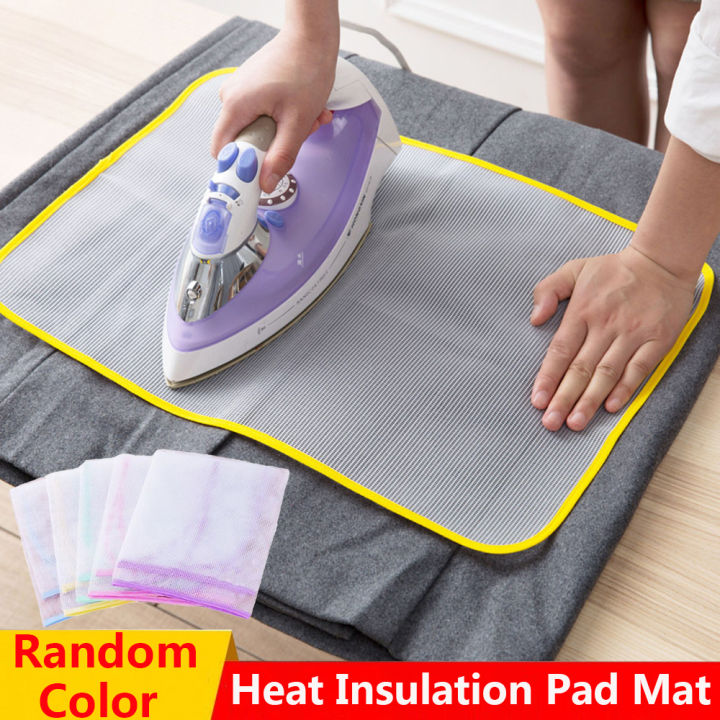
- Mesh (Nylon/Polyester): Often translucent, mesh pressing cloths allow you to see the garment as you iron, which is invaluable for intricate details or patterned fabrics where precision is key. While potentially less durable than natural fibers under extreme heat, their transparency can prevent errors, saving time and preventing damage.
- Silicone-coated or Non-stick: These specialty cloths offer excellent heat resistance and prevent sticking, particularly useful for delicate synthetics or items with embellishments. Their advanced protection can be a worthwhile investment for safeguarding particularly high-value or tricky garments.
Choosing the appropriate material based on your most frequent ironing needs ensures maximum protection and efficiency, thereby optimizing your financial outlay.
DIY vs. Purchased: Weighing Initial Cost Against Convenience and Longevity
While a dedicated pressing cloth is a specific tool, some individuals opt for a “DIY” pressing cloth, using an old cotton pillowcase or a clean dish towel. From a purely initial cost perspective, this can seem appealing. However, a purchased pressing cloth often offers superior performance, convenience, and longevity. Dedicated pressing cloths are typically designed with specific weaves, finishes, and heat-resistant properties that surpass standard household linens. They may also come in ideal sizes or with features like non-slip surfaces. The marginal additional cost of a purpose-built pressing cloth is usually outweighed by its enhanced protective capabilities, greater durability, and consistent results, which ultimately translate into better long-term protection for your clothes and fewer opportunities for costly damage.
Maintenance and Care: Maximizing Your Pressing Cloth’s ROI
Like any investment, a pressing cloth requires proper maintenance to maximize its return on investment (ROI). Regularly cleaning your pressing cloth—washing it according to its material’s care instructions—prevents the transfer of dirt, scorch residue, or lint to your garments. Proper storage, keeping it clean and flat, extends its lifespan and ensures it’s ready for use. A well-maintained pressing cloth performs optimally for longer, continuing to protect your garments and save you money for years, thereby solidifying its status as a wise and enduring financial tool in your household or business operations.
Conclusion
The question, “What is a pressing cloth for ironing?” might seem to elicit a simple, utilitarian answer. However, when viewed through the lens of financial prudence, its significance expands dramatically. From protecting personal wardrobe investments and significantly reducing expenditures on dry cleaning and garment replacement, to serving as an indispensable tool for entrepreneurs to enhance product quality and maximize profit margins, the pressing cloth proves itself to be a powerful yet unassuming financial asset. Its minimal cost belies its profound impact on asset preservation, cost efficiency, and professional presentation. In a world where every dollar counts, the pressing cloth stands as a testament to how small, strategic investments in simple tools can yield substantial financial returns, safeguarding your assets and optimizing your economic outlay for the long run. It is, unequivocally, a smart choice for anyone looking to manage their finances, personal or business, with greater foresight and efficiency.
aViewFromTheCave is a participant in the Amazon Services LLC Associates Program, an affiliate advertising program designed to provide a means for sites to earn advertising fees by advertising and linking to Amazon.com. Amazon, the Amazon logo, AmazonSupply, and the AmazonSupply logo are trademarks of Amazon.com, Inc. or its affiliates. As an Amazon Associate we earn affiliate commissions from qualifying purchases.