
In an era defined by rapid technological advancement, the construction industry, often perceived as slow to innovate, has quietly undergone a significant transformation. At the heart of this evolution lies precast concrete, a sophisticated method of construction that leverages factory-controlled environments and advanced engineering to deliver superior quality, efficiency, and sustainability. More than just a material, precast represents a technological paradigm shift, redefining how we design, produce, and assemble the built environment. Understanding “what is precast” is to grasp a fundamental innovation that continues to shape the future of urban development and infrastructure.
The Technological Revolution in Construction: Defining Precast
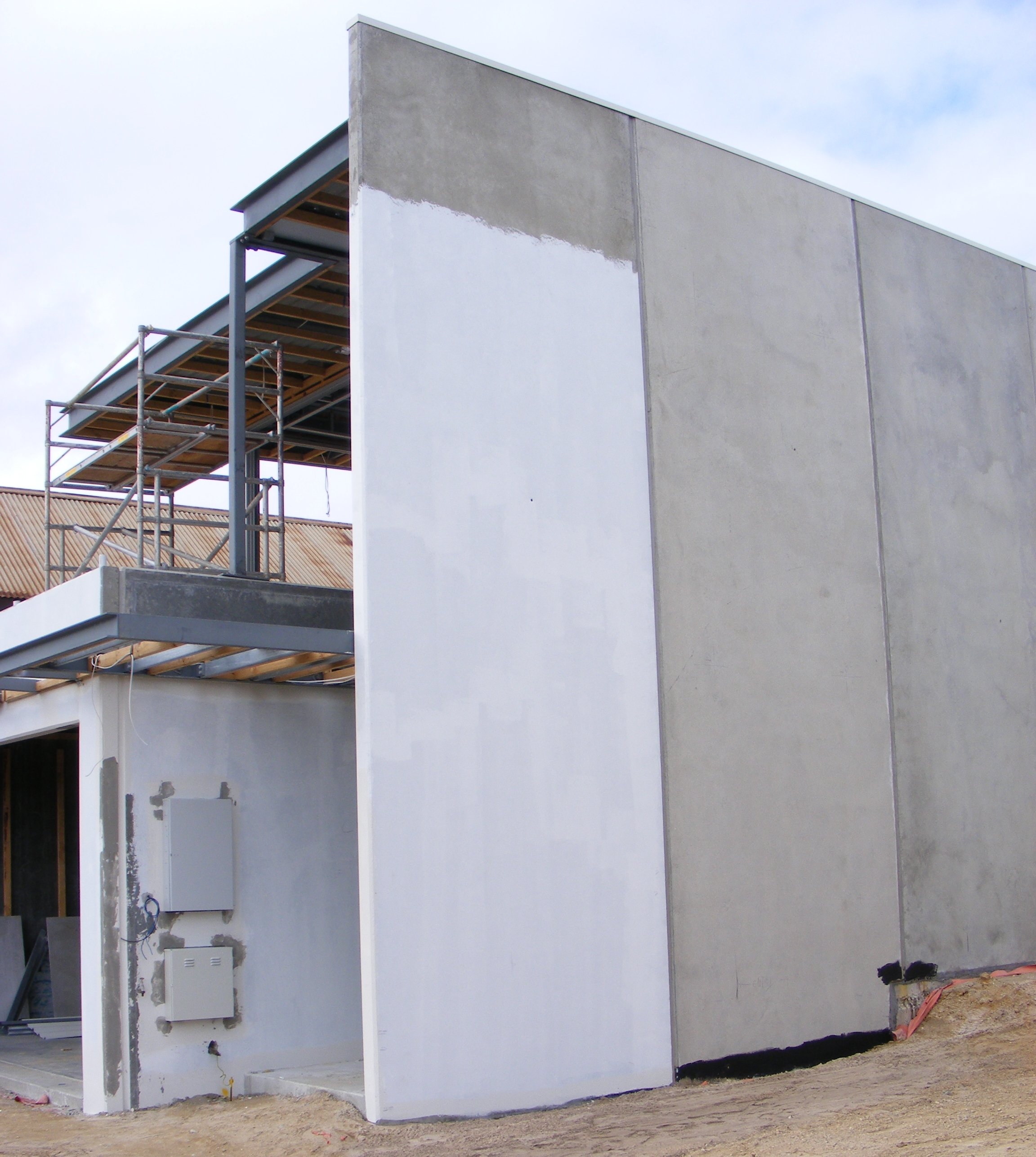
Precast concrete isn’t just about pouring concrete; it’s about a highly engineered, off-site manufacturing process that optimizes every stage of construction. It embodies principles of industrial production applied to building, moving elements from unpredictable construction sites to controlled factory settings. This fundamental shift is a technological leap, emphasizing precision, quality control, and accelerated project delivery.
Beyond Traditional Concrete: The Precast Paradigm Shift
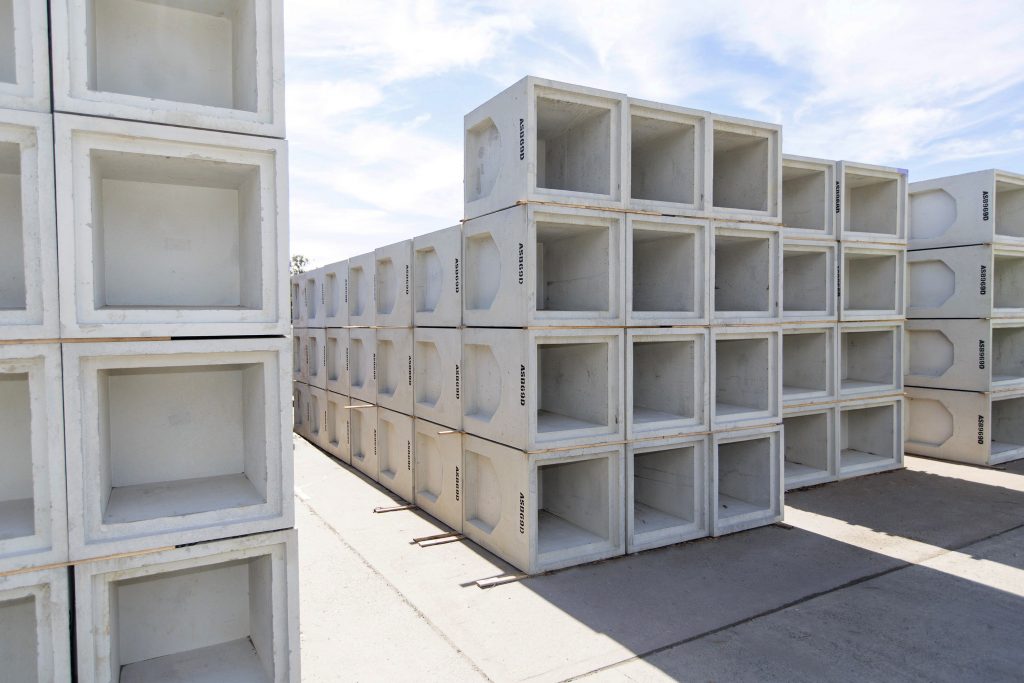
Traditionally, concrete is poured into forms directly on the construction site (cast-in-place), where environmental conditions, labor availability, and material consistency can vary significantly. Precast concrete, by contrast, refers to concrete elements (such as beams, columns, walls, floor slabs, pipes, and architectural panels) that are cast in reusable molds in a controlled factory environment. Once cured to specified strengths, these elements are transported to the construction site and then lifted into place, often ready for immediate assembly. This method reduces site work, accelerates timelines, and enhances safety, representing a profound technological departure from conventional practices. It’s a move from craft-based, on-site fabrication to industrialized, modular construction.
The Engineered Advantage: Precision Manufacturing Off-Site
The essence of precast technology lies in its ability to achieve unparalleled precision. Factory settings allow for meticulous control over mix designs, curing conditions (temperature, humidity), and the casting process itself. This level of control is virtually impossible to replicate on a typical construction site. Advanced CAD/CAM software, automated batching plants, and precision molds ensure that each precast component meets exact specifications, reducing tolerances and minimizing errors. This engineering-driven approach results in components that fit together seamlessly, akin to assembling a meticulously designed kit, rather than constructing from raw materials in situ. This precision not only improves structural integrity but also enables more complex architectural designs and ensures a higher finish quality directly out of the factory.
The Technological Blueprint: How Precast Components are Made
The manufacturing process of precast concrete is a showcase of industrial technology, integrating various systems to ensure efficiency, quality, and customization. It’s a complex interplay of digital design, material science, and automated production.
Digital Design and Automation: From BIM to Production
At the forefront of precast manufacturing is the intensive use of digital technologies. Building Information Modeling (BIM) software is crucial for designing precast components, allowing architects and engineers to create detailed 3D models that integrate structural, architectural, and MEP (mechanical, electrical, plumbing) elements. This digital blueprint facilitates clash detection, optimizes component sizes and shapes for manufacturing efficiency, and generates precise shop drawings directly transferable to the production line.
Automation plays a pivotal role in the fabrication process. Robotic rebar bending and welding systems ensure accurate reinforcement cages. Automated concrete batching plants precisely measure and mix ingredients, minimizing human error and ensuring consistent concrete properties. Laser-guided cutting machines and automated pouring systems further enhance accuracy and speed, transforming raw materials into finished components with minimal manual intervention. This digital-to-physical workflow is a core technological advantage of precast.
Controlled Environment Manufacturing: Quality and Consistency through Technology
One of the most significant technological benefits of precast is the controlled environment of the manufacturing plant. Unlike open construction sites where weather conditions can halt or compromise work, precast factories operate continuously, unaffected by rain, cold, or heat. This stable environment allows for precise control over the concrete curing process, which is critical for achieving optimal strength and durability.
Advanced curing technologies, such as steam curing or radiant heat systems, are employed to accelerate the hydration process in a controlled manner, allowing components to reach high early strengths. This accelerates the production cycle, meaning more units can be manufactured in less time, without compromising quality. Constant temperature and humidity monitoring, often integrated with automated climate control systems, ensure ideal conditions, leading to consistent product quality, reduced shrinkage, and fewer defects compared to site-cast concrete.
Advanced Materials and Curing Techniques
The evolution of precast technology isn’t just in the machinery but also in the materials themselves. High-performance concrete mixes, often incorporating supplementary cementitious materials, fibers (steel, glass, synthetic), and specialized admixtures, are routinely used. These advanced mixes enhance strength, durability, fire resistance, and aesthetic qualities. For instance, self-consolidating concrete (SCC) eliminates the need for vibration, improving surface finish and speeding up casting. Furthermore, innovative curing techniques, like using advanced insulation forms or infrared heating, contribute to faster production cycles and higher quality finishes, showcasing continuous material science advancements in the precast sector.
Driving Efficiency and Innovation: Key Benefits of Precast Technology
The technological advantages of precast construction translate into tangible benefits for projects, stakeholders, and the environment. These benefits are not merely incremental improvements but represent fundamental shifts in project delivery and performance.
Speed and Project Acceleration: The Just-in-Time Construction Model
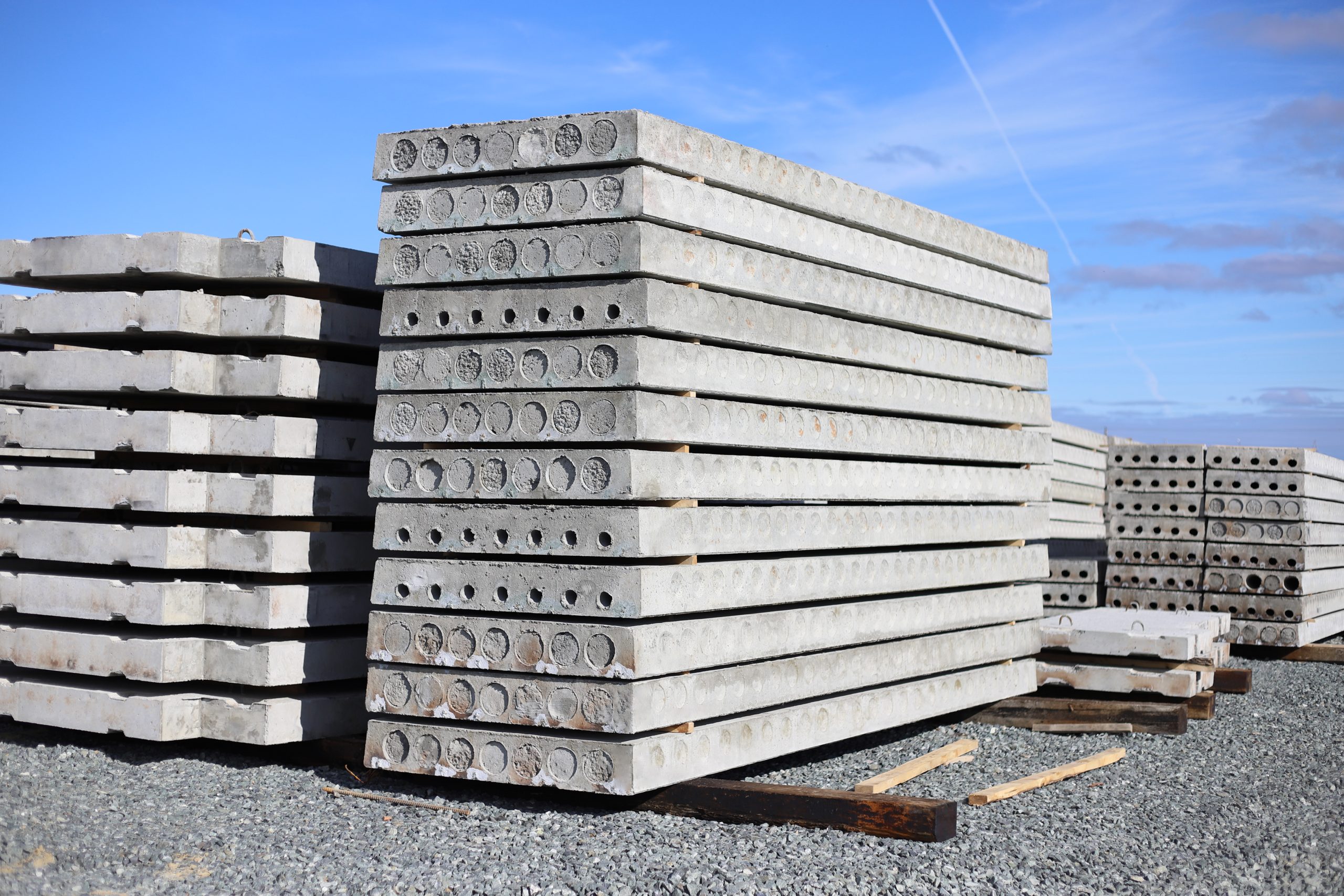
Precast technology inherently accelerates project timelines. Since components are manufactured off-site concurrently with site preparation, construction schedules are significantly compressed. Once on-site, precast elements are erected quickly, often in a matter of days or weeks, regardless of weather conditions. This “just-in-time” delivery and assembly model minimizes on-site labor requirements and reduces overall project duration, leading to earlier occupancy and faster returns on investment. This speed is a direct result of industrial manufacturing principles applied to construction, enabled by precise planning and logistics technologies.
Superior Quality and Durability: Leveraging Factory Conditions
The factory environment is conducive to producing consistently high-quality concrete. Control over raw materials, mix designs, casting, and curing processes virtually eliminates the variability inherent in site-cast concrete. This results in precast elements with superior structural integrity, dimensional accuracy, and aesthetic finish. The controlled conditions also allow for the incorporation of specialized finishes, textures, and colors directly into the concrete, reducing the need for additional on-site finishing trades. The enhanced durability of precast components contributes to longer service life and reduced maintenance requirements for structures, embodying a long-term value proposition.
Sustainable Construction: Resource Optimization and Waste Reduction
Precast technology offers significant environmental benefits, aligning with modern sustainability goals. The efficient use of materials in a factory setting minimizes waste, as excess concrete can often be recycled or reused. Energy-efficient production processes and the ability to optimize material designs also contribute to a smaller carbon footprint. Furthermore, by reducing on-site construction time and activities, precast minimizes noise, dust, and traffic disruption in surrounding communities. The inherent thermal mass of concrete also contributes to energy efficiency in buildings, making precast an increasingly attractive option for green building certifications.
The Future Landscape: Precast in an Evolving Tech Ecosystem
The journey of precast technology is far from over. As the broader tech ecosystem continues to evolve, precast is integrating new innovations, promising even greater efficiencies, capabilities, and customization options.
Integration with Smart Construction and IoT
The future of precast lies in its deeper integration with smart construction technologies and the Internet of Things (IoT). Imagine precast elements embedded with sensors that monitor structural health, temperature, moisture, or even occupancy, feeding data back to building management systems in real-time. This could enable predictive maintenance, optimize energy usage, and enhance safety. Drones and automated guided vehicles (AGVs) could revolutionize logistics and site assembly, further streamlining the construction process and enhancing safety.
Robotics and Advanced Automation in Precast Production
While automation is already present, the next wave involves more sophisticated robotics. Collaborative robots (cobots) working alongside human operators, AI-driven quality control systems, and fully autonomous production lines could further reduce labor costs, increase precision, and accelerate production speeds. Robotics could also enable more complex and customized geometries, pushing the boundaries of what is aesthetically and structurally possible with precast concrete.
Parametric Design and Customization
Parametric design, where design parameters are defined by algorithms and rules, allows for rapid generation of complex geometries and variations. This technology, combined with advanced precast manufacturing, will enable a new era of customization. Architects and designers will be able to create unique, highly specific precast elements tailored to individual project requirements without the prohibitive costs associated with one-off custom molds in traditional manufacturing. This opens up possibilities for more organic, fluid, and context-responsive architectural forms using industrial prefabrication.
Challenges and Overcoming Them with Technological Solutions
Despite its advantages, precast technology faces challenges, primarily in logistics and the balance between standardization and customization. However, technological innovation is consistently providing solutions.
Logistics and Transportation Innovations
Transporting large, heavy precast components to construction sites can be complex and costly. However, advancements in logistics software, real-time tracking, and specialized heavy-haul vehicles are making this process more efficient. Optimization algorithms can plan the most efficient routes, minimize fuel consumption, and ensure timely delivery. In urban environments, nighttime deliveries or just-in-time sequencing reduce traffic impact. Future innovations might even see the deployment of drone-assisted inspections for optimal routing or advanced simulation tools to pre-empt logistical bottlenecks.
Standardisation vs. Flexibility: The Role of Modular Design Software
Historically, precast was sometimes perceived as limiting design flexibility due to its emphasis on standardization for cost efficiency. However, modular design software and parametric modeling are bridging this gap. These tools allow for the rapid creation of a vast array of unique components from a limited set of standardized molds and processes. By leveraging digital fabrication techniques, manufacturers can offer highly customized elements at near-standard costs, thereby combining the economic benefits of mass production with the aesthetic and functional flexibility demanded by modern architecture. This fusion of standardization and flexibility, driven by software innovation, is key to precast’s continued growth and adoption.
Conclusion
“What is precast?” is a question that reveals a fascinating intersection of engineering, manufacturing, and digital technology. It represents a sophisticated approach to construction that prioritizes precision, efficiency, and sustainability. As technology continues to evolve, precast concrete will undoubtedly remain a vital component of the construction industry, driving innovation, enhancing project delivery, and shaping the skylines of our future cities. Its journey from a novel construction method to a technologically advanced cornerstone of the built environment underscores the transformative power of applying industrial and digital innovations to traditional sectors.
aViewFromTheCave is a participant in the Amazon Services LLC Associates Program, an affiliate advertising program designed to provide a means for sites to earn advertising fees by advertising and linking to Amazon.com. Amazon, the Amazon logo, AmazonSupply, and the AmazonSupply logo are trademarks of Amazon.com, Inc. or its affiliates. As an Amazon Associate we earn affiliate commissions from qualifying purchases.