
In the lexicon of modern technology, the word “seizure” takes on a metaphorical but no less urgent meaning. While the medical community uses the term to describe uncontrolled electrical activity in the brain, IT professionals and hardware engineers use it to describe the moment a system—whether it be a single workstation, a server cluster, or a global software architecture—ceases to function. A digital seizure is a state of total paralysis where inputs are ignored, outputs are frozen, and the internal logic of the machine enters a state of chaotic feedback.
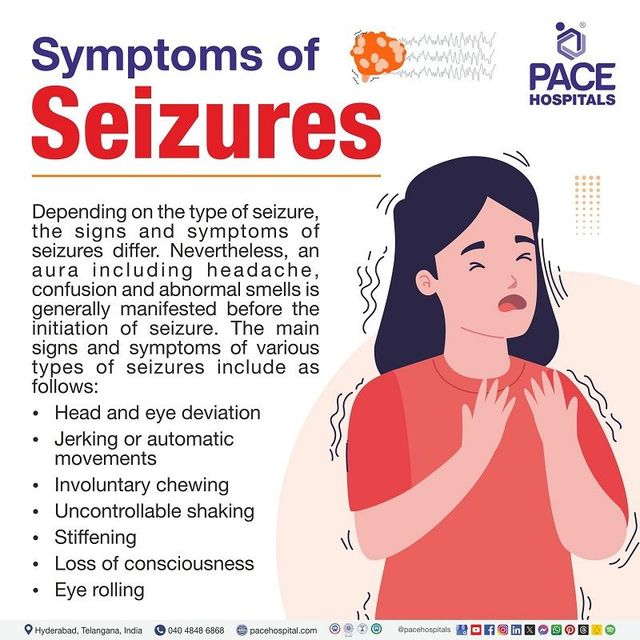
Understanding what a seizure looks like in the tech world is essential for diagnosing the health of our digital infrastructure. From the jagged visual artifacts of a dying Graphics Processing Unit (GPU) to the silent, resource-draining “hang” of a memory leak, these failures provide a visual and diagnostic roadmap of what went wrong. This article explores the various manifestations of technical seizures, how to recognize them, and what they reveal about the fragility of our interconnected world.
The Anatomy of a Software Seizure: UI Freezes and Kernel Panics
When a software environment “seizes,” the primary symptom is a loss of agency. The user interacts with the peripheral devices—the mouse, the keyboard, the touchscreen—but the system provides no feedback. This is the most common form of a technical seizure, and it usually signals a deep-seated conflict within the operating system’s core.
The Dreaded “Blue Screen” and Its Modern Evolution
For decades, the most iconic visual representation of a system seizure was the Blue Screen of Death (BSOD) on Windows or the Kernel Panic on Unix-based systems like macOS and Linux. These screens are the system’s “emergency brake.” When the Kernel—the heart of the operating system—encounters an error from which it cannot safely recover, it halts all operations to prevent data corruption.
What this “looks like” has evolved. In the early 1990s, it was a wall of intimidating white text on a bright blue background. Today, Windows 11 uses a more understated “sad face” emoticon and a QR code for mobile troubleshooting. Regardless of the aesthetic, the underlying event is the same: the system has “seized” because a driver has mismanaged memory or a hardware component has stopped responding to vital queries.
Identifying Memory Leaks and Application Hangs
Not all software seizures result in a total crash. Some are “partial seizures” known as application hangs. Visually, this often manifests as the “spinning wheel of death” (macOS) or the “wait” cursor (Windows).
This phenomenon occurs when an application’s main thread—the part responsible for the User Interface—becomes blocked by a long-running task or a “deadlock” (where two processes are waiting for each other to finish). If you look at a Task Manager or Activity Monitor during such a seizure, you will see a “Not Responding” status and, often, a skyrocketing RAM usage graph. This visual data indicates a “memory leak,” where the software continues to request more memory without releasing what it already has, eventually choking the system into a state of total immobility.
Hardware Distress: How Physical Components Fail Visually
While software seizures are often logical errors, hardware seizures are physical. They are the result of silicon degradation, overheating, or electrical interference. Because hardware interacts directly with our senses, the signs of a hardware seizure are often much more visceral and chaotic.
GPU Artifacting: The Visual Chaos of Failing VRAM
Perhaps the most striking “seizure” in the tech world occurs within the Graphics Processing Unit. When a GPU begins to fail—usually due to excessive heat or overclocking—the result is “artifacting.”
To the user, this looks like a digital nightmare. Strange, multicolored geometric shapes may flicker across the screen; textures in a 3D environment might stretch into infinite voids, or the entire screen may be covered in a “checkerboard” pattern of missing pixels. These are the visual symptoms of the GPU’s Video RAM (VRAM) failing to store and retrieve pixel data correctly. It is a visual representation of a processor that is essentially “hallucinating” data that isn’t there, leading to a total system lock-up once the driver can no longer reconcile the corrupted output with the intended image.
Thermal Throttling and Mechanical Seizures in Storage
While modern Solid State Drives (SSDs) are silent, the era of Hard Disk Drives (HDDs) provided an audible component to system seizures. A “mechanical seizure” in a hard drive often manifests as the “Click of Death”—a rhythmic, metallic clicking sound as the drive’s actuator arm fails to find the correct data track.

On the visual side, hardware distress often shows up as “stuttering.” As a CPU or GPU overheats, it enters a state called “thermal throttling.” To prevent permanent physical damage (melting or “seizing” the silicon), the chip intentionally slows its clock speed. On your monitor, this looks like a sudden drop in frames-per-second (FPS) or a jagged, laggy response to your movements. It is the machine struggling to breathe under the weight of its own heat.
Cybersecurity Seizures: Recognizing a Network Compromise
In the realm of digital security, a seizure isn’t just a failure; it’s a hostile takeover. When an entity “seizes” a network, the visual indicators change from accidental glitches to intentional disruptions.
Ransomware Visuals: The Finality of Encrypted Files
A ransomware seizure is perhaps the most terrifying event for any business. It doesn’t look like a crash; it looks like a transformation. One moment, your files are accessible; the next, every file extension has been changed to something unrecognizable (like .crypt or .locky).
The “face” of this seizure is often a simple, high-contrast splash screen that appears upon boot-up, demanding payment in cryptocurrency. Unlike a hardware failure, the system is technically functioning perfectly—it is simply doing the bidding of a malicious actor rather than the owner. The seizure here is of the data itself, rendered useless by encryption keys held thousands of miles away.
Botnet Activity: Monitoring Unusual Traffic Spikes
For a network administrator, a “seizure” of bandwidth looks like a vertical line on a traffic monitor. This is common during a Distributed Denial of Service (DDoS) attack. When millions of compromised “zombie” devices flood a server with requests, the server’s “pipes” are seized by junk data.
To the outside world, the website simply doesn’t load. Internally, the visual representation is a massive spike in “Inbound Traffic” and “CPU Load” that refuses to subside. The server is effectively paralyzed, unable to distinguish between a legitimate customer and a malicious bot, leading to a total cessation of service.
The Future of “Self-Healing” Systems: Preventing the Seizure
As our dependence on technology grows, the cost of a system seizure becomes unbearable. Consequently, the tech industry is moving toward “self-healing” architectures designed to detect the early signs of a seizure and intervene before the system locks up.
AI-Driven Predictive Maintenance
The most promising tool in preventing technical seizures is Artificial Intelligence. By using machine learning models to analyze “telemetry” data—millions of small data points regarding temperature, voltage, and processing cycles—AI can predict a failure before it happens.
In a modern data center, a “seizure” might be prevented by an AI that notices a cooling fan is spinning 5% slower than usual. The AI then automatically migrates all data from that server to a healthy one before the physical seizure occurs. To the observer, this looks like a seamless transition, though beneath the surface, a critical failure was narrowly avoided.

Redundancy and Fail-Safe Protocols
Finally, the concept of “High Availability” (HA) ensures that even if one component suffers a seizure, the overall system remains conscious. In cloud computing, this involves “containers” and “microservices.” If one specific software service “seizes,” the orchestration layer (like Kubernetes) simply kills that instance and spins up a fresh, healthy one in seconds.
The visual representation of this in a modern monitoring dashboard is a “heartbeat” monitor. You might see one red dot flicker for a moment (the seizure), but the rest of the grid stays green. This resilience is the ultimate goal of modern technology: creating systems so robust that a seizure in one part of the digital “brain” does not lead to the death of the entire organism.
In conclusion, “what a seizure looks like” in the world of technology is a spectrum ranging from the frustrating spin of a loading icon to the catastrophic display of a ransomware note. By understanding these visual and technical cues, we can better diagnose, repair, and ultimately prevent the failures that threaten our digital lives. Whether it is through better hardware cooling or more resilient software code, the goal remains the same: keeping the gears of the digital age turning without interruption.
aViewFromTheCave is a participant in the Amazon Services LLC Associates Program, an affiliate advertising program designed to provide a means for sites to earn advertising fees by advertising and linking to Amazon.com. Amazon, the Amazon logo, AmazonSupply, and the AmazonSupply logo are trademarks of Amazon.com, Inc. or its affiliates. As an Amazon Associate we earn affiliate commissions from qualifying purchases.