
In the intricate world of home construction and renovation, where every decision can have significant financial implications, understanding fundamental components is paramount. Among these, the door stands as both a functional necessity and a significant aesthetic element. But not all doors are created equal, especially when it comes to their installation and the costs associated with it. This is where the concept of a “pre-hung door” becomes critically important for any homeowner or builder mindful of their budget and the return on their investment.
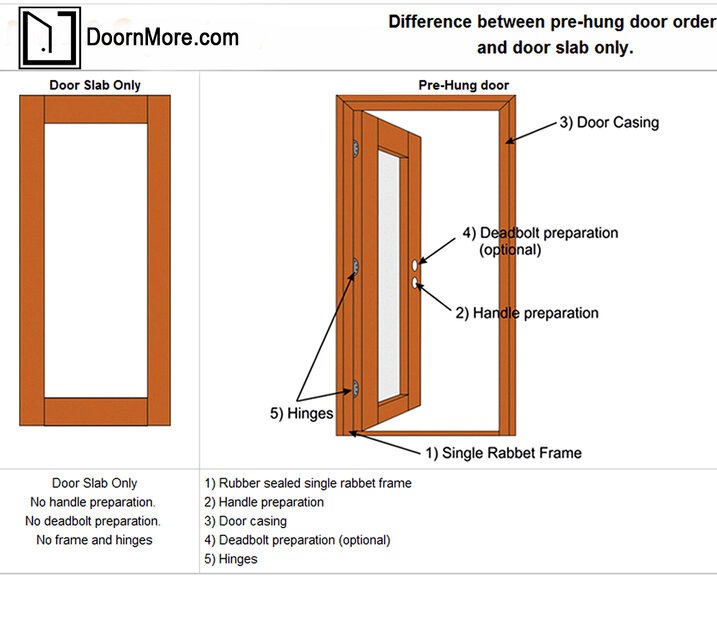
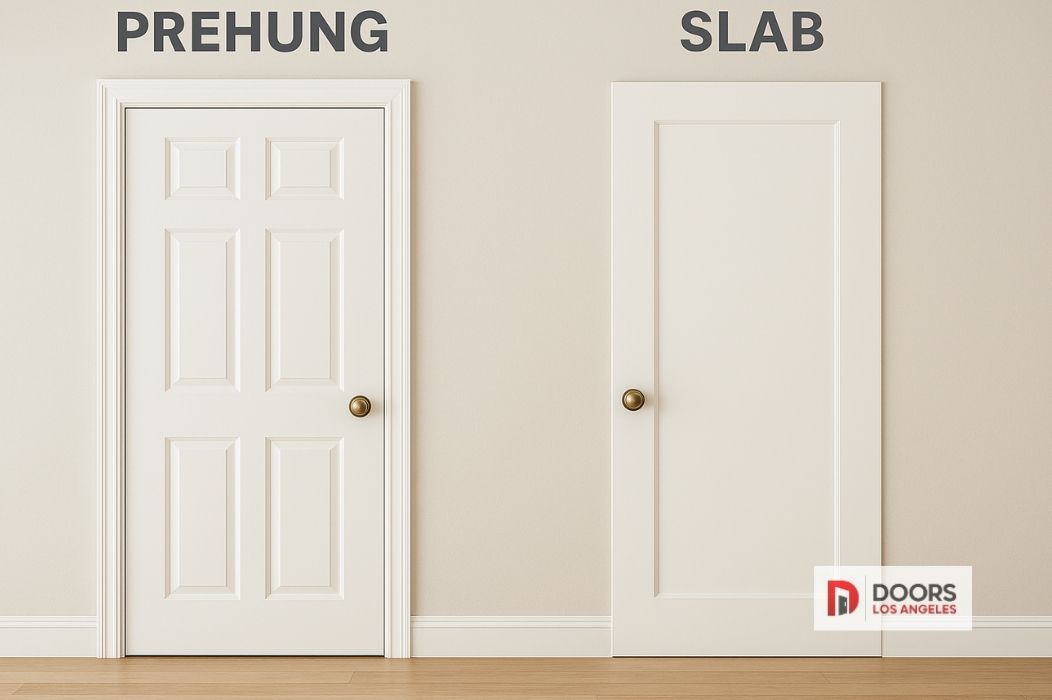
At its core, a pre-hung door is an all-in-one unit that includes a door slab, a door frame (jambs, header, and sill if exterior), hinges already attached, and often a bore for the doorknob. Unlike a “slab door,” which is just the door panel itself, a pre-hung door arrives ready to be installed directly into a prepared rough opening in a wall. This comprehensive assembly is designed to streamline the installation process, offering a suite of financial advantages that make it a compelling choice for many projects. From the perspective of personal finance, business finance, and budgeting, the pre-hung door represents an optimized solution that significantly impacts labor costs, material expenses, and overall project timelines—all critical financial metrics.
The Financial Case for Pre-Hung Doors: Unpacking Value and Efficiency
Choosing a pre-hung door isn’t merely a matter of convenience; it’s a strategic financial decision that can yield substantial savings and efficiencies in a renovation or new build project. The initial outlay might seem slightly higher than a bare slab door, but when viewed through a holistic financial lens, the value proposition becomes clear.
Initial Investment vs. Long-Term Savings
When comparing the upfront cost, a pre-hung door typically carries a higher price tag than a standalone door slab. This is due to the factory assembly, inclusion of the frame, and hardware like hinges. However, this seemingly higher initial investment is quickly recouped through significant long-term savings, primarily in labor and the avoidance of common installation pitfalls. For homeowners, this means a more predictable budget and fewer unexpected expenses that often plague renovation projects. For businesses, it translates to better project cost control and higher profit margins on installations. The true cost of a door is not just its purchase price, but the total expenditure from acquisition to successful operation.
Labor Cost Reduction: A Key Financial Advantage
The most compelling financial argument for pre-hung doors lies in the dramatic reduction of labor costs. Installing a slab door requires a skilled carpenter to meticulously assemble the frame, mortise hinges into both the door and the frame, and ensure perfect alignment for smooth operation. This process is time-consuming and demands precision, directly correlating to higher labor hours and thus higher costs. A pre-hung door, by contrast, significantly simplifies this process. Since the door is already fitted into its frame, hinges are pre-mortised, and the unit is squared, installation largely involves shimming and fastening the entire unit into the rough opening. This translates into fewer hours for a professional installer or a more manageable (and less error-prone) DIY task, directly reducing the expenditure on skilled labor—a major component of any construction budget.
Time as a Monetary Asset in Home Renovation
In finance, time is money, and this adage holds particularly true in construction and home renovation. Delays can lead to escalating labor costs, extended rental periods for equipment, and postponed occupancy or sales dates, all of which carry significant financial penalties. Pre-hung doors expedite the installation process considerably. What might take several hours or even a full day for a skilled carpenter to install a slab door and frame from scratch can often be accomplished in a fraction of the time with a pre-hung unit. This time efficiency not only reduces direct labor costs but also accelerates project completion, allowing homeowners to enjoy their updated space sooner or enabling contractors to move on to the next lucrative project more quickly.
Budgeting for Door Installation: Pre-Hung vs. Slab Doors
Effective budgeting is the cornerstone of any successful financial endeavor, especially in home improvement. When allocating funds for door installation, a clear understanding of the cost differences and implications between pre-hung and slab doors is essential.
Material Costs: A Direct Comparison
While the pre-hung unit includes more components (frame, hinges), its material cost is often competitive or even more favorable when considering the alternative. Buying a slab door necessitates separate purchases of jambs, hinges, and potentially a door stop. While individually these components might seem cheaper, the aggregated cost, coupled with the increased labor required for custom fitting, often pushes the total expenditure beyond that of a pre-hung unit. Furthermore, manufacturers often achieve economies of scale with pre-hung units, which can translate to better pricing for the complete assembly.
Hidden Costs and Unexpected Expenses
One of the biggest financial risks in renovation is the emergence of “hidden costs.” With slab doors, these can include miscut jambs, improperly mortised hinges leading to damage, or the need for specialized tools that need to be rented or purchased. Even small errors can necessitate purchasing new materials, causing project delays and budget overruns. Pre-hung doors inherently mitigate many of these risks. The factory assembly ensures precision and quality control, drastically reducing the likelihood of installation errors or material wastage. This predictability in installation translates directly to fewer financial surprises and a more stable project budget.
DIY Potential and Financial Rewards
For the budget-conscious homeowner, the DIY route offers significant financial rewards by eliminating professional labor costs. While installing a slab door is typically beyond the skill set of most amateur DIYers, due to the precision and specialized tools required, a pre-hung door makes DIY installation much more feasible. Its ready-to-install nature empowers homeowners to take on the task, provided they have basic carpentry skills and tools. This ability to self-install directly translates to 100% savings on labor costs, making the pre-hung door an incredibly attractive option for those looking to maximize their renovation budget through sweat equity.
Maximizing Your Renovation ROI with Pre-Hung Doors
Every home improvement project should ideally be viewed as an investment, with the goal of increasing comfort, functionality, and ultimately, the property’s market value. Pre-hung doors play a distinct role in enhancing the return on investment (ROI) of a renovation.
Enhancing Home Value and Appeal
Well-installed, aesthetically pleasing doors significantly contribute to a home’s curb appeal and interior ambiance. A professional-looking door installation, often more reliably achieved with pre-hung units, suggests a higher quality of workmanship throughout the home. This perception of quality can directly translate to higher perceived value for potential buyers, contributing positively to the home’s market price. Conversely, poorly installed doors, with uneven gaps or sticky operation, can detract from a home’s value, signaling potential underlying issues or shoddy craftsmanship to discerning buyers.
Avoiding Costly Installation Errors
Errors in door installation can be surprisingly expensive. A poorly hung door might not close properly, leading to drafts and higher energy bills, or it might rub against the frame, requiring costly repairs or even replacement. These issues not only diminish the functional value of the door but also eat into the renovation budget post-completion. Pre-hung doors, with their factory-precision and consistent quality, drastically reduce the likelihood of such errors, protecting your investment and preventing future unexpected expenses. The peace of mind that comes with a correct installation has an invaluable financial component.
The Resale Value Perspective
When considering resale, details matter. Properly installed, smooth-operating doors are a subtle but significant factor in a home’s appeal. Buyers often notice the “feel” of a home, and functional, attractive doors contribute positively to that experience. Investing in quality pre-hung doors ensures that this detail doesn’t become a drawback during a home showing. From a financial perspective, eliminating potential deal-breakers or negotiation points related to faulty doors ensures that your initial investment in renovation maintains its value and contributes to a smoother, potentially more profitable sale.
Selecting Pre-Hung Doors: A Financial Decision-Making Framework
Making an informed choice about pre-hung doors involves more than just picking a style. It requires a financial framework to balance quality, cost, and long-term implications.
Evaluating Quality vs. Price
The market offers a range of pre-hung doors, from budget-friendly hollow core options to premium solid wood or fiberglass models. The financial decision involves balancing the initial price with the expected lifespan, durability, and aesthetic contribution to your home. For high-traffic areas or exterior applications, investing in a higher-quality, more durable pre-hung door will likely offer better long-term value, reducing replacement costs and maintenance over time. For less critical areas, a more economical option might suffice. This evaluation is akin to any investment decision where upfront cost is weighed against future benefits and potential liabilities.
Understanding Warranties and Guarantees
Before purchasing, carefully review the manufacturer’s warranty. A robust warranty is a financial safeguard, protecting your investment against defects or premature failure. Understanding what is covered (materials, workmanship) and for how long is crucial. A strong warranty can prevent out-of-pocket expenses for repairs or replacements, offering valuable financial protection and peace of mind, especially for higher-value exterior doors exposed to the elements.
Professional Installation: When to Invest
While pre-hung doors simplify DIY, there are instances where investing in professional installation is still a sound financial decision. For expensive custom doors, exterior doors critical for security and energy efficiency, or if you lack the necessary tools or confidence, hiring a professional can prevent costly mistakes and ensure optimal performance. The fee for professional installation can be seen as an insurance policy, guaranteeing a correct job and preserving the value of the door itself, potentially saving you more money in the long run by avoiding errors or future performance issues.
Financial Implications Beyond Installation: Maintenance and Durability
The financial impact of a pre-hung door extends far beyond its initial purchase and installation. Long-term maintenance and durability play a significant role in its total cost of ownership.
Long-Term Cost of Ownership
Durable, high-quality pre-hung doors typically require less frequent maintenance and fewer repairs over their lifespan. For instance, an exterior pre-hung door with a robust frame and weatherstripping will better resist warping and wear, reducing the need for costly adjustments or replacements down the line. Conversely, a cheaper, less durable option might save money initially but could accrue higher maintenance costs or an earlier replacement expense, ultimately proving more costly over time. This long-term financial perspective is vital for sustainable budgeting.

Energy Efficiency and Utility Bill Savings
Exterior pre-hung doors, especially those designed with energy efficiency in mind (e.g., insulated cores, tight seals, low-E glass), can significantly impact utility bills. A properly installed, well-sealed pre-hung door prevents drafts and heat transfer, reducing the energy needed to heat or cool your home. The financial savings on monthly energy bills can be substantial over the life of the door, making the investment in an energy-efficient pre-hung unit a smart financial move that pays dividends month after month.
In conclusion, a pre-hung door is far more than just a component of a building; it’s a strategically assembled unit that offers significant financial advantages in construction and renovation. By reducing labor costs, mitigating risks, accelerating project timelines, and contributing to long-term home value and energy savings, pre-hung doors stand out as a financially prudent choice for homeowners and professionals alike. Understanding “what is a pre-hung door” from this financial perspective empowers more informed decisions, leading to more efficient budgets and ultimately, a more valuable investment in your property.
aViewFromTheCave is a participant in the Amazon Services LLC Associates Program, an affiliate advertising program designed to provide a means for sites to earn advertising fees by advertising and linking to Amazon.com. Amazon, the Amazon logo, AmazonSupply, and the AmazonSupply logo are trademarks of Amazon.com, Inc. or its affiliates. As an Amazon Associate we earn affiliate commissions from qualifying purchases.