
In today’s interconnected and technologically driven world, electricity is the lifeblood of our daily existence. From powering our homes and businesses to fueling the digital devices that keep us connected, a reliable and consistent supply of electricity is paramount. However, power outages, whether due to natural disasters, grid failures, or planned maintenance, can bring our lives to a standstill. This is where the humble yet vital power generator steps in, acting as a crucial backup and an indispensable tool for maintaining continuity. But what exactly is a power generator, and how does it work to keep the lights on when the grid fails?
This article will delve into the fundamental principles behind power generators, exploring their core components, different types, and the diverse applications they serve across various sectors. We will also touch upon the technological advancements shaping their future, the financial considerations involved in their acquisition and operation, and how they contribute to robust brand resilience and operational continuity.
The Fundamental Principles: How Power Generators Work
At its heart, a power generator is a device that converts mechanical energy into electrical energy. This conversion is typically achieved through the principle of electromagnetic induction, a phenomenon first discovered by Michael Faraday. In essence, when a conductor (like a coil of wire) moves within a magnetic field, or when a magnetic field changes around a stationary conductor, an electric current is induced.
The core components responsible for this transformation are:
The Engine: The Mechanical Heartbeat
The engine is the source of the mechanical energy that drives the generator. It’s the workhorse that provides the rotational force needed to spin the other crucial component: the alternator. The most common types of engines used in power generators include:
-
Internal Combustion Engines: These are the most prevalent type, fueled by gasoline, diesel, propane, or natural gas. They operate by burning fuel within cylinders, creating expanding gases that push pistons, which in turn rotate a crankshaft. The crankshaft is directly connected to the alternator.
- Gasoline Engines: These are generally smaller, lighter, and more affordable, making them popular for portable generators used in homes and for recreational purposes. However, they tend to be less fuel-efficient and have a shorter lifespan compared to diesel engines.
- Diesel Engines: Known for their durability, fuel efficiency, and robustness, diesel engines are favored for larger, more powerful generators used in commercial and industrial settings, as well as for essential backup power in hospitals and data centers. They offer a longer operational life and better fuel economy but are typically more expensive upfront.
- Propane and Natural Gas Engines: These engines offer cleaner emissions and can be conveniently connected to existing gas lines, reducing the need for fuel storage. They are a good option for stationary backup generators, especially where fuel availability and environmental considerations are important.
-
Turbines: For very large-scale power generation, such as in power plants, turbines (steam, gas, or wind) are used to drive massive alternators. These are not typically what we think of as portable or standby generators for individual use but represent the pinnacle of generator technology for grid-level power production.
The Alternator (or Generator Head): The Electrical Converter
The alternator, also known as the generator head, is where the magic of electrical energy creation happens. It consists of two main parts:
- The Rotor: This rotating component contains electromagnets or permanent magnets. As the engine spins the rotor, its magnetic field moves.
- The Stator: This stationary part of the alternator contains coils of wire. As the rotor’s magnetic field sweeps across these coils, it induces an alternating current (AC) – hence the name “alternator.”
The speed at which the rotor spins is critical. In most standard generators, this speed is carefully regulated to produce electricity at a consistent frequency (typically 60 Hertz in North America and 50 Hertz in Europe) and voltage. This consistency is vital for the proper functioning of the appliances and equipment that will be powered by the generator.
Voltage Regulation: Ensuring Stable Power Delivery
Maintaining a stable voltage output is crucial to prevent damage to sensitive electronic equipment. Generators employ voltage regulators, which are devices that monitor the output voltage and automatically adjust the excitation of the rotor’s electromagnets (if applicable) to keep the voltage within a safe and usable range, regardless of the load being drawn.
Types of Power Generators: Tailoring to Your Needs
The world of power generators is diverse, with various types designed to meet different power requirements, portability needs, and application contexts. Understanding these distinctions is key to selecting the right generator for a specific purpose.
Portable Generators: On-Demand Power Anywhere
As the name suggests, portable generators are designed for mobility. They are typically smaller, lighter, and often powered by gasoline engines. Their primary advantage lies in their ability to provide temporary power at remote locations, during power outages at home, or for outdoor activities like camping and construction sites.
- Inverter Generators: A significant advancement in portable generator technology, inverter generators produce cleaner, more stable power than conventional portable generators. They achieve this by converting the raw AC power from the alternator into DC power, and then “inverting” it back into pure sine wave AC power. This type of power is ideal for sensitive electronics like laptops, smartphones, and modern appliances, as it eliminates voltage fluctuations and harmonic distortion. They are also significantly quieter and more fuel-efficient, automatically adjusting their engine speed to match the power demand.
Standby Generators: Uninterrupted Power for Homes and Businesses
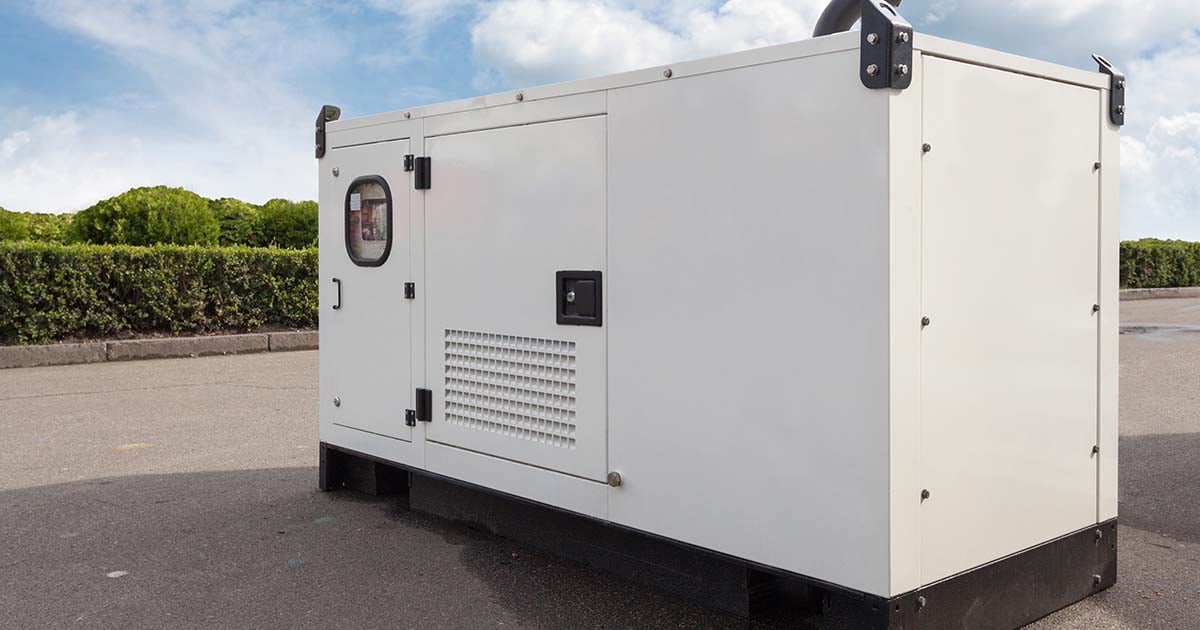
Standby generators, also known as backup generators, are permanently installed systems designed to automatically take over when the main power supply fails. They are typically powered by natural gas, propane, or diesel and are connected directly to a building’s electrical system through an automatic transfer switch (ATS).

- Automatic Transfer Switch (ATS): The ATS is the intelligent heart of a standby generator system. When it detects a loss of utility power, it immediately signals the generator to start. Once the generator is running and producing stable power, the ATS disconnects the building from the utility grid and connects it to the generator. When utility power is restored, the ATS reverses the process, safely reconnecting the building to the grid and shutting down the generator. This seamless transition ensures that critical systems, such as heating, cooling, refrigeration, medical equipment, and essential business operations, remain powered without interruption.
Industrial and Commercial Generators: Powering Larger Operations
For businesses, manufacturing facilities, hospitals, data centers, and other large-scale operations, generators are not just a convenience but a necessity for business continuity and safety. These generators are typically large diesel-powered units, often with significant power output capacities, designed to run for extended periods under heavy loads.
- Continuous Duty Generators: These are built for applications where the generator might be required to run for days or even weeks at a time, such as powering a remote mining operation or providing backup for critical infrastructure.
- Prime Power Generators: In some off-grid applications, a generator might be the sole source of power. Prime power generators are designed to operate continuously and reliably as the primary power source.
The Impact of Technology and Innovation
The power generator industry is constantly evolving, driven by advancements in technology that aim to improve efficiency, reduce environmental impact, and enhance user experience.
Fuel Efficiency and Emissions Reduction
Modern generator engines are designed with improved fuel injection systems, combustion technologies, and exhaust after-treatment systems (like diesel particulate filters) to significantly enhance fuel efficiency and reduce harmful emissions. This is not only beneficial for the environment but also for operating costs, especially for businesses that rely heavily on generators.
Smart Technology and Connectivity
The integration of smart technology is transforming generators from simple mechanical devices into intelligent power management systems.
- Remote Monitoring and Control: With IoT (Internet of Things) capabilities, generators can now be monitored and controlled remotely via smartphone apps or web interfaces. This allows users to check fuel levels, generator status, receive alerts for maintenance needs, and even start or stop the generator from anywhere in the world. This is particularly valuable for businesses with multiple locations or for individuals who want peace of mind while away from home.
- Predictive Maintenance: By analyzing operating data and performance metrics, smart generators can predict potential issues before they lead to failures. This allows for proactive maintenance scheduling, minimizing downtime and costly emergency repairs.
Renewable Energy Integration
While generators are primarily associated with fossil fuels, there’s a growing trend towards integrating them with renewable energy sources like solar and wind.
- Hybrid Systems: In many off-grid or remote applications, generators are used in conjunction with battery storage systems and renewable energy inputs. The generator can act as a reliable backup to supplement power from renewables during periods of low generation or high demand, while the renewables and batteries handle the bulk of the power needs. This creates a more sustainable and resilient power solution.
Financial Considerations and Brand Resilience
Investing in a power generator is a significant financial decision, whether for a household, a small business, or a large corporation. Understanding the costs involved and the long-term benefits is crucial.
Cost of Ownership: Beyond the Initial Purchase
The cost of a power generator extends beyond its purchase price. Key financial considerations include:
- Purchase Price: This varies significantly based on the generator’s size, type, brand, and features. Portable generators can range from a few hundred dollars to several thousand, while standby systems and industrial units can cost tens of thousands or even hundreds of thousands of dollars.
- Installation Costs: For standby and industrial generators, professional installation is essential and can add a substantial cost, especially if electrical panel upgrades or concrete pads are required.
- Fuel Costs: This is an ongoing expense that depends on the generator’s fuel type, its fuel efficiency, and the amount of time it’s used. Regular use will significantly impact operational budgets.
- Maintenance and Repairs: Generators require regular maintenance to ensure optimal performance and longevity. This includes oil changes, filter replacements, and periodic inspections. Unexpected repairs can also add to the overall cost.
- Permits and Licensing: Depending on the location and type of generator, permits and inspections might be required.
The Financial Case for Backup Power: Preventing Lost Revenue and Mitigating Damage
From a business perspective, the financial argument for a power generator is often about preventing significant losses.
- Business Interruption Costs: A power outage can lead to lost sales, spoiled inventory (e.g., in restaurants or retail), and halted production. The cost of these interruptions can quickly exceed the investment in a backup generator.
- Data Loss and System Downtime: For businesses reliant on IT infrastructure, a power outage can result in catastrophic data loss and extended system downtime, impacting productivity and customer service.
- Reputational Damage: Unreliable power can lead to a damaged brand reputation. Customers and clients expect businesses to be operational, and frequent outages can signal a lack of preparedness. A robust backup power solution demonstrates a commitment to continuity and reliability, enhancing brand trust.

Conclusion: Powering the Future, Reliably
In conclusion, a power generator is a sophisticated device that transforms mechanical energy into electrical energy, providing a vital lifeline when the primary power grid fails. From the internal combustion engine that provides the initial force to the alternator that converts it into usable electricity, each component plays a critical role. The diverse range of generators, from portable units for on-the-go power to robust standby systems for uninterrupted operation, caters to a wide spectrum of needs.
As technology continues to advance, we can expect generators to become even more efficient, intelligent, and environmentally friendly. Their integration with renewable energy sources and smart grid technologies points towards a future where reliable and sustainable power is more accessible than ever before. For individuals and businesses alike, understanding the “what” and “how” of power generators is not just about acquiring a piece of equipment; it’s about investing in resilience, continuity, and the assurance that life and business can continue, even when the unexpected strikes. The power generator, in its various forms, remains a cornerstone of modern infrastructure, a silent guardian ensuring that the flow of electricity, and by extension, progress, remains uninterrupted.
aViewFromTheCave is a participant in the Amazon Services LLC Associates Program, an affiliate advertising program designed to provide a means for sites to earn advertising fees by advertising and linking to Amazon.com. Amazon, the Amazon logo, AmazonSupply, and the AmazonSupply logo are trademarks of Amazon.com, Inc. or its affiliates. As an Amazon Associate we earn affiliate commissions from qualifying purchases.