
In the world of corporate identity and marketing, a “positive word” is far more than a linguistic unit with a pleasant definition. In a branding context, a positive word is a strategic tool—a psychological anchor that bridges the gap between a company’s values and a consumer’s emotional needs. Every touchpoint, from a high-budget Super Bowl commercial to a micro-copy “Submit” button on a website, relies on the nuance of language to build trust, inspire action, and foster loyalty.
Understanding what constitutes a positive word within brand strategy requires looking beyond the dictionary. It involves analyzing how specific terminology triggers dopamine responses, reduces perceived risk, and aligns a product with the aspirational lifestyle of its target audience. When a brand identifies its core “positive words,” it defines its voice, its mission, and its place in the market.

The Anatomy of a Positive Word in Brand Architecture
In brand strategy, positivity is not synonymous with “happy.” Instead, it is synonymous with “constructive,” “affirming,” and “solution-oriented.” A positive word in this niche is any term that reinforces a brand’s value proposition while minimizing the friction of the customer journey.
Beyond Definition: The Emotional Resonance of Brand Voice
When we ask “what is a positive word” in branding, we are looking for words that carry high emotional resonance. For a luxury brand, words like “exclusive,” “timeless,” and “bespoke” are positive because they affirm the customer’s desire for status and quality. For a budget-friendly service, words like “accessible,” “smart,” and “efficient” serve the same positive function. The positivity of a word is determined by its ability to fulfill a psychological promise made to the consumer.
The Psychology of Linguistic Framing
Linguistic framing is the practice of presenting information in a way that influences how it is processed. In marketing, this often involves choosing “gain-framed” language over “loss-framed” language. For example, a skincare brand doesn’t just sell a product to “stop aging” (negative framing/fear-based); they sell a product to “promote youthful vitality” (positive framing/aspiration-based). By identifying the positive words that frame their offerings, brands can move away from exploiting insecurities and toward offering empowerment.
The Role of Micro-Copy in User Experience
Brand strategy extends into the digital experience through UX (User Experience) writing. In this realm, a positive word is one that reduces cognitive load and anxiety. Replacing a cold, demanding word like “Required” with a more inviting phrase like “Let’s get to know you” changes the entire tone of a digital brand interaction. This subtle shift in vocabulary transforms a functional task into a relational experience, which is the cornerstone of modern corporate identity.
Implementing Positive Lexicons in Brand Messaging
Once a brand understands the theoretical power of positive language, the next step is the tactical implementation of a specific lexicon. This lexicon becomes the “DNA” of the brand’s communication strategy, ensuring consistency across all marketing channels.
Crafting Value Propositions that Inspire
The value proposition is the heartbeat of a brand. It explains why a customer should choose one company over another. Utilizing positive, high-impact verbs—such as “transform,” “accelerate,” “unlock,” and “simplify”—creates a sense of momentum. These words don’t just describe a product; they describe a metamorphosis for the customer. A positive word in a value proposition acts as a catalyst, moving the consumer from a state of passive interest to active desire.
The Shift from Feature-Focused to Benefit-Driven Language
Many brands fail because they use technical, neutral language to describe features rather than positive language to describe benefits. A “1000-nit screen” is a neutral technical spec. A “brilliant, sunlight-readable display” uses positive adjectives to paint a picture of usability. By identifying the positive outcomes of a feature, marketers can translate technical jargon into a language that speaks directly to the human experience.
Internal Branding and Corporate Culture
Brand strategy is not just external; it is internal. The “positive words” used within an organization define its corporate identity. When leadership uses a vocabulary of “collaboration,” “innovation,” and “ownership” rather than “compliance,” “oversight,” and “quotas,” it fosters a culture that employees are proud to represent. An authentic external brand is almost always a reflection of a healthy internal linguistic environment.
Sentiment Analysis and the Digital Impression

In the age of Big Data and AI, “positive words” are now measurable metrics. Through sentiment analysis, brands can track how their language—and the language used by their customers—impacts their bottom line.
Monitoring Brand Health through Verbal Cues
Modern brand managers use sophisticated software to scan social media, reviews, and news articles for specific keywords. They are looking for “positive word” clusters that indicate brand health. If a brand is consistently associated with words like “reliable,” “intuitive,” and “helpful,” its strategy is succeeding. Conversely, if the lexicon shifts toward “frustrating” or “dated,” the brand identity is in jeopardy. This data-driven approach allows companies to pivot their messaging in real-time to maintain a positive public perception.
Managing Crisis with Constructive Communication
Even in a crisis, the choice of words can save a brand’s reputation. A “positive word” in a PR crisis isn’t one that ignores the problem, but one that focuses on the “resolution,” “accountability,” and “future-proofing.” By leaning into a vocabulary of improvement rather than defensiveness, brands can navigate scandals and emerge with their integrity intact. The goal is to move the conversation from the “problem” (negative) to the “commitment to change” (positive).
The SEO Impact of Positive Sentiment
Search engines are increasingly adept at understanding the “mood” of content. Articles and product descriptions that use a constructive, authoritative, and positive tone often perform better in rankings than those that are overly aggressive or spammy. In the digital space, a positive word is an SEO asset; it increases dwell time, reduces bounce rates, and encourages social sharing, all of which signal to search engines that the brand is a trusted source.
Case Studies: Brands that Mastered the Positive Dialect
To truly understand what a positive word is in a business context, we must look at the giants who have built multi-billion dollar identities on the back of specific linguistic choices.
Apple and the Language of Empowerment
Apple’s brand strategy is perhaps the most famous example of minimalist, positive language. They rarely use technical specifications in their primary marketing. Instead, they use words like “Magical,” “Revolutionary,” and “Pro.” These aren’t just adjectives; they are psychological triggers. By calling a tool “magical,” they remove the intimidation factor of high technology and replace it with wonder. This positive framing has allowed Apple to maintain a premium brand identity for decades.
Dove and the Vocabulary of Inclusivity
Dove’s “Real Beauty” campaign famously shifted the vocabulary of the beauty industry. While competitors were using negative words related to “anti-aging” or “fixing flaws,” Dove introduced a lexicon of “celebrating,” “real,” and “confidence.” By identifying the positive word “Real” as their brand anchor, they successfully repositioned themselves from a simple soap company to a champion of social change.
Nike and the Verbs of Action
Nike doesn’t just sell shoes; they sell the “will to act.” Their entire brand is built around the positive, imperative verb: “Do.” This single word—paired with “Just”—is one of the most powerful examples of positive branding in history. It eliminates the space for doubt and replaces it with the positive energy of achievement.
Future-Proofing Brand Identity through Optimistic Narrative
As we move toward a more socially conscious and AI-integrated market, the definition of a positive word continues to evolve. Brands must now consider sustainability and human-centricity as core components of their vocabulary.
Sustainability and the New “Green” Vocabulary
As environmental concerns take center stage, a new set of positive words has emerged in the branding world. Terms like “regenerative,” “circular,” “ethical,” and “transparent” are now the gold standard for corporate identity. For a modern brand, being “positive” means showing a commitment to the planet. However, brands must be careful of “greenwashing”—using positive words without the actions to back them up—as this can lead to a devastating loss of trust.
Humanizing the Brand in an Automated World
As AI tools become more prevalent, the most “positive” words a brand can use are those that emphasize human connection. “Empathy,” “community,” “crafted,” and “personal” are becoming increasingly valuable. In a sea of automated responses, the brand that uses the language of human touch creates a positive differentiator that technology cannot easily replicate.
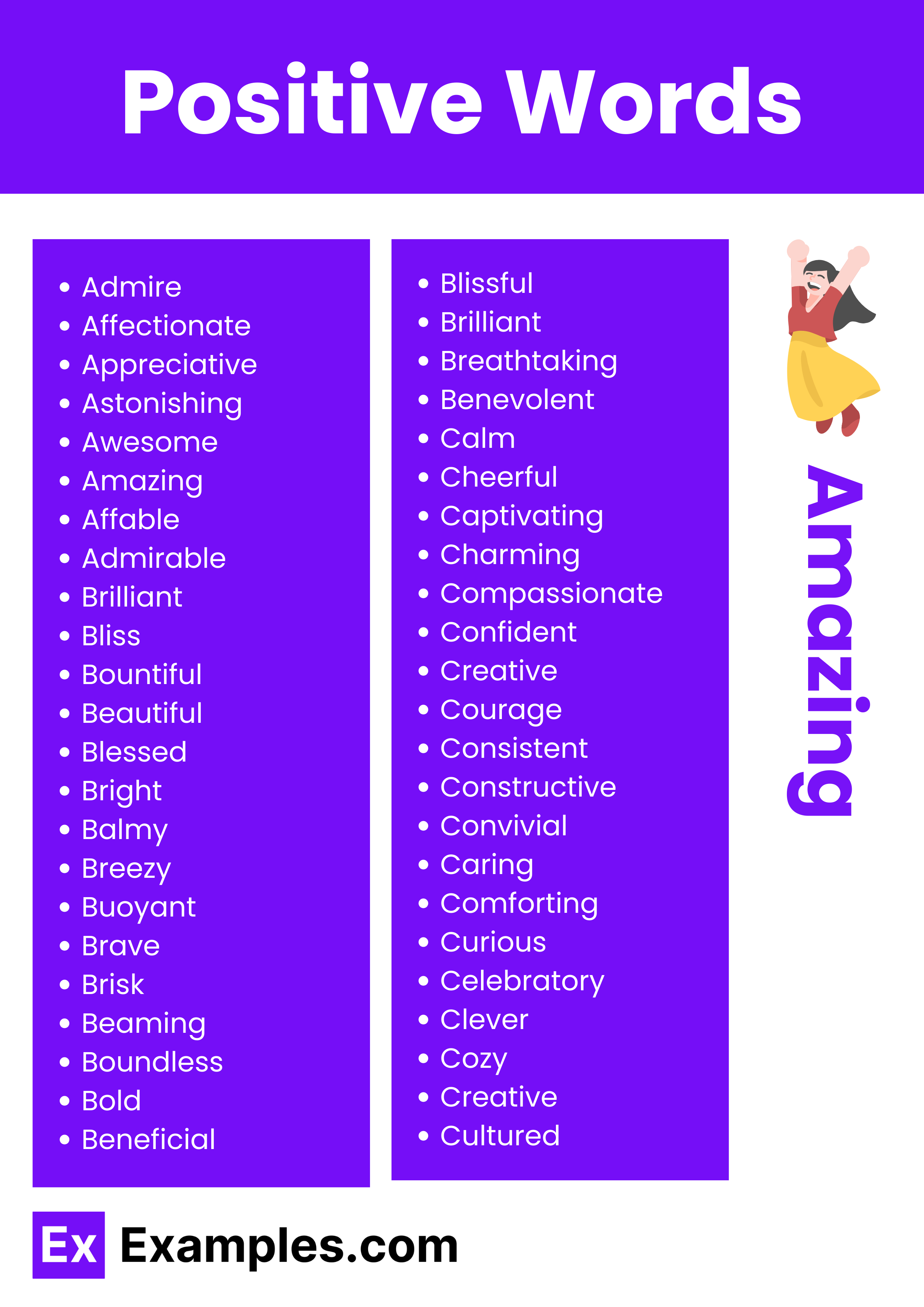
Conclusion: The Lasting Impact of Linguistic Choices
Ultimately, what is a positive word? In the realm of brand strategy and marketing, it is any word that builds a bridge of trust between a company and its audience. It is a word that transforms a transaction into a relationship and a product into a solution. By carefully curating their lexicon, brands can influence perception, drive growth, and create a lasting legacy. In the competitive landscape of the 21st century, the most successful brands are those that don’t just speak—they speak with a purpose, using the power of the positive word to shape the world around them.
aViewFromTheCave is a participant in the Amazon Services LLC Associates Program, an affiliate advertising program designed to provide a means for sites to earn advertising fees by advertising and linking to Amazon.com. Amazon, the Amazon logo, AmazonSupply, and the AmazonSupply logo are trademarks of Amazon.com, Inc. or its affiliates. As an Amazon Associate we earn affiliate commissions from qualifying purchases.