
The outdoor apparel industry is defined by innovation, but few materials have achieved the legendary status of Polartec. While many consumers use the term “fleece” as a generic descriptor for soft, synthetic insulation, Polartec represents a specific engineering evolution that transformed how we dress for the cold. From the peaks of the Himalayas to urban commutes, understanding what constitutes a Polartec fleece requires moving beyond the “fuzzy fabric” perception and into the realm of textile science and high-performance branding.
The Evolution of Synthetic Insulation
To understand Polartec, one must look back to 1981, when the company—then known as Malden Mills—partnered with Patagonia to create the first synthetic fleece, branded as Synchilla. Before this innovation, mountaineers relied on wool, which was heavy, took ages to dry, and lost almost all of its thermal properties once wet.

From Polyester to Performance Engineering
At its core, Polartec fleece is a synthetic textile made from recycled polyethylene terephthalate (PET) bottles, processed into polyester fibers. However, the true value lies in the knitting and brushing process. By knitting the fibers into specific structures and then brushing the surface, the fabric creates a dense mesh of air pockets. These pockets are the key to its success; they trap body heat while remaining highly breathable.
Unlike traditional textiles that simply cover the skin, Polartec is engineered to act as a thermal regulator. The synthetic fibers are hydrophobic, meaning they do not absorb moisture. When a wearer sweats, the fabric wicks the moisture away from the skin and through the knit, where it can evaporate quickly. This ability to remain dry and warm—even during intense physical exertion—is the technological cornerstone of the brand.
A Legacy of Corporate Reinvention
The history of Polartec is also a compelling case study in brand resilience. After a devastating fire destroyed the Malden Mills factory in 1995, CEO Aaron Feuerstein famously chose to keep his employees on the payroll while rebuilding, an act that solidified the company’s reputation as an ethical leader. This commitment to human-centric brand strategy, paired with relentless material innovation, allowed the brand to transcend the “commodity” status of standard polyester fleece and position itself as a premium ingredient brand in the textile world.
Why Polartec is a Marketing Masterclass
Polartec’s dominance in the outdoor market is not accidental. It is a textbook example of how a B2B (business-to-business) company can exert B2C (business-to-consumer) influence through strategic brand positioning.
The Power of the “Ingredient Brand”
Much like Intel does for computers or Gore-Tex does for waterproof membranes, Polartec operates as an ingredient brand. When a consumer walks into a high-end outdoor retailer and sees a jacket made by a company like Arc’teryx, Patagonia, or North Face, the presence of the Polartec tag acts as an immediate badge of quality.
This creates a “halo effect.” The manufacturer of the garment gains consumer trust by association, while Polartec reinforces its market dominance. By consistently licensing their fabrics only to premium brands, Polartec has successfully cultivated an image of exclusivity and technical superiority. Their branding strategy focuses on “The Science of Warmth,” shifting the conversation away from price and toward performance metrics—such as loft-to-weight ratios, breathability ratings, and durability.
Strategic Segmentation for Market Expansion
Polartec does not just sell “fleece”; they sell specialized solutions for specific use cases. By diversifying their product line, they ensure they remain essential to every gear manufacturer:
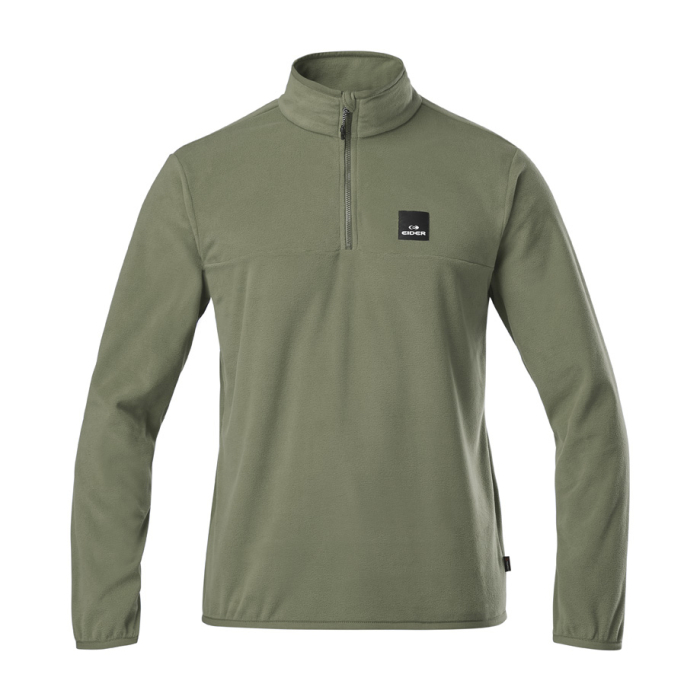
- Polartec Classic: The original standard, providing lightweight warmth and versatility.
- Polartec Thermal Pro: High-loft iterations that mimic the look and feel of wool or fur while offering superior technical performance.
- Polartec Power Grid: A grid-patterned construction that reduces weight and increases breathability, designed specifically for high-output activities like climbing and alpine touring.
- Polartec Alpha: Originally developed for the U.S. Special Forces, this “active insulation” is perhaps the most innovative product in their catalog. Unlike traditional fleece, it is designed to be paired with breathable shell fabrics, allowing it to move moisture more efficiently during intense activity.
This granular segmentation allows Polartec to command different price points and maintain relevance in niche markets, from military operations to elite athletic apparel.
The Engineering Behind the Comfort
The superiority of a Polartec fleece isn’t just about the raw material—it’s about the structural architecture of the fabric. The way the yarns are interlocked dictates the performance, and the brand has spent decades patenting specific geometries to optimize thermal retention.
Thermoregulation and Breathability
One of the most persistent myths about fleece is that “thicker is better.” In reality, the best fleece is the one that manages airflow best. Polartec engineers fabrics that allow a controlled amount of air to circulate. By facilitating “air exchange,” the fabric prevents the wearer from overheating—a phenomenon known as “climatizing.” This breathability is what allows a Polartec garment to be worn during a grueling uphill climb without the wearer needing to remove layers.
Durability and the Circular Economy
In an era where fast fashion dominates the market, Polartec has pivoted its brand strategy toward longevity. Their fabrics are known for their “pill-resistance.” Many low-quality synthetic fleeces degrade after a few wash cycles, becoming matted and losing their thermal efficiency. Polartec’s high-quality knitting ensures that the fabric retains its loft and structure for years, if not decades.
Furthermore, the company has leaned into the sustainability narrative as part of its corporate identity. By utilizing high percentages of post-consumer recycled content, they align their brand with the values of the modern, eco-conscious consumer. This isn’t just a marketing gimmick; it is an operational strategy that appeals to the increasingly stringent ESG (Environmental, Social, and Governance) requirements of the global textile supply chain.
The Future of Synthetic Textiles
As we look toward the future of technical apparel, Polartec’s role as a market leader is being challenged by new developments in natural fiber technology and bio-based synthetics. However, the company remains ahead of the curve by focusing on “circularity.”
Sustainability as a Brand Pillar
The modern consumer demands transparency. Polartec has responded by integrating blockchain-verified traceability into their supply chain, proving the origins of their recycled materials. Their focus on the “closed-loop” lifecycle—where garments can eventually be recycled back into new yarn—is a cornerstone of their long-term branding.

Remaining Relevant in a Tech-Driven World
The brand strategy of Polartec continues to shift from purely tactical (how warm is it?) to holistic (how does it feel, and what does the brand stand for?). By collaborating with high-fashion houses and streetwear designers, Polartec is expanding its reach beyond the rugged outdoor enthusiast. They are successfully repositioning “technical fleece” as a lifestyle staple. This evolution proves that a legacy brand can maintain its technological roots while adapting its identity to fit the aesthetic and ethical preferences of a new generation.
Ultimately, a Polartec fleece is more than a piece of clothing; it is the manifestation of decades of engineering, a successful B2B branding strategy, and a commitment to material integrity. Whether you are a professional mountaineer or a daily commuter, the Polartec label serves as a reminder that in a world of fast-moving trends, technical excellence and authentic brand storytelling remain the ultimate competitive advantages. By consistently prioritizing innovation over imitation, the brand has ensured that the word “Polartec” remains synonymous with the very category of synthetic fleece itself.
aViewFromTheCave is a participant in the Amazon Services LLC Associates Program, an affiliate advertising program designed to provide a means for sites to earn advertising fees by advertising and linking to Amazon.com. Amazon, the Amazon logo, AmazonSupply, and the AmazonSupply logo are trademarks of Amazon.com, Inc. or its affiliates. As an Amazon Associate we earn affiliate commissions from qualifying purchases.