
In the intricate ecosystem of the food industry, maintaining an impeccable brand image is paramount. A brand’s reputation is meticulously built on trust, quality, and consumer confidence, all of which can be irrevocably shattered by a single misstep in food safety. Among the most insidious threats to this hard-won trust are physical hazards in food—unwanted foreign objects that can pose a significant risk to consumer health and, by extension, devastate a brand’s corporate identity and market standing. Understanding what constitutes a physical hazard, its potential origins, and the robust strategies required for its prevention is not merely a matter of regulatory compliance; it is a fundamental pillar of brand strategy and an essential investment in long-term consumer loyalty.

The Silent Assassin of Brand Reputation
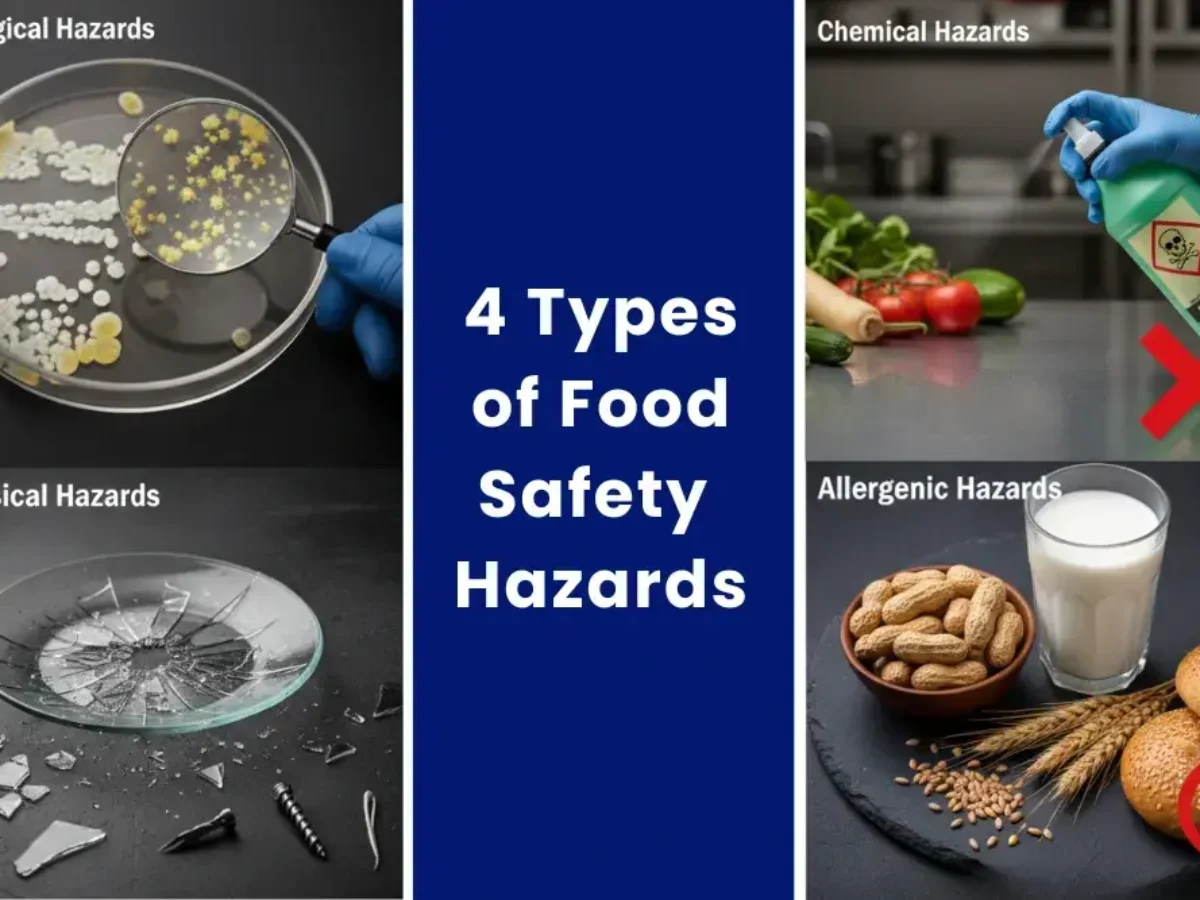
A physical hazard in food refers to any foreign object not naturally found in the food that can cause illness, injury, or other adverse effects when consumed. These contaminants can range from pieces of glass, metal, plastic, and wood to stones, bones, and even personal effects like jewelry. While chemical and biological hazards often dominate food safety discussions due to their unseen nature, physical hazards present a unique and immediate threat. Their tangible presence makes them highly visible to consumers, transforming a minor safety incident into a public relations crisis with alarming speed and potentially catastrophic consequences for a brand.
Erosion of Consumer Trust
The discovery of a physical contaminant by a consumer is a deeply jarring experience. It shatters the implicit promise of safety and quality that every food brand makes. This breach of trust can be incredibly difficult, if not impossible, to repair. Consumers often perceive such incidents as a profound failure in quality control and care, leading to immediate suspicion about the brand’s entire product line and overall operational integrity. For a corporate identity built on reliability and consumer well-being, this erosion of trust is a direct hit to its most valuable asset. The perceived lack of diligence can translate into a pervasive sentiment that the brand is unreliable, careless, or even dangerous.
Financial Fallout and Market Devaluation
The financial repercussions of a physical hazard recall or public safety scare are multifaceted and severe. Beyond the immediate costs associated with recalling products, disposing of contaminated goods, and investigating the root cause, brands face substantial long-term financial damage. Sales plummet as consumers opt for competitors. Stock prices can tumble, reflecting investor apprehension about the brand’s future viability. Legal fees, potential settlements from injured consumers, and increased insurance premiums add further strain. For a brand, this isn’t just a temporary setback; it can lead to a significant devaluation of its market capitalization and a prolonged struggle to regain its previous standing. The impact extends beyond direct costs, encompassing the opportunity cost of lost innovation and market expansion as resources are diverted to crisis management.
Regulatory Scrutiny and Public Perception
Food safety agencies worldwide, such as the FDA in the U.S. or EFSA in Europe, take physical hazards extremely seriously. Incidents involving such contaminants often trigger intense regulatory scrutiny, leading to investigations, fines, and potentially even operational shutdowns. Beyond the official sanctions, a brand caught in a physical hazard crisis faces a brutal onslaught from public perception and media attention. News spreads rapidly across social media, often amplified by viral images or videos of contaminated products. This can quickly morph into a negative narrative that defines the brand, overshadowing years of positive marketing and community engagement. The narrative shifts from one of quality and innovation to one of danger and negligence, requiring monumental marketing efforts to counteract.
Common Physical Hazards and Their Origins
Understanding the diverse range of physical hazards and their potential entry points into the food chain is critical for developing robust prevention strategies. Each type of contaminant poses a unique challenge for brand protection and demands specific mitigation measures.
Foreign Material From Processing Equipment
Glass: Often originates from broken light fixtures, bottles, jars, or processing equipment like blenders and inspection windows. Its sharp edges make it particularly dangerous. For a brand, glass contamination is a nightmare, leading to severe injury potential and immediate public outrage.
Metal: Chips, filings, or fragments can break off from machinery (e.g., grinders, mixers, conveyors), utensils, or even packaging staples. Metal detectors are a primary defense, but failures can lead to significant brand damage if these fragments reach consumers. The presence of metal suggests a lack of robust maintenance and quality checks, undermining a brand’s corporate identity of precision and care.
Plastic: Pieces from packaging, gloves, buckets, processing containers, or worn equipment parts are common. While often less sharp than glass or metal, plastic contamination is still unacceptable and signals poor operational control and oversight, reflecting negatively on a brand’s commitment to quality.
Environmental and Raw Material Contaminants
Wood: Splinters from pallets, building materials, crates, or even wooden utensils can find their way into food. Wooden items are often discouraged in processing areas due to this very risk. Its presence suggests inadequate facility design or material handling practices, pointing to systemic weaknesses in a brand’s production environment.
Stones/Dirt: These naturally occurring hazards can enter with raw agricultural products (e.g., beans, grains, potatoes) if not properly cleaned and sorted. Effective washing, sifting, and sorting mechanisms are crucial. Their presence can suggest a lack of sophisticated processing or quality control at the raw material stage, impacting perceptions of the brand’s supply chain integrity.
Pest Contaminants: While often associated with biological hazards, physical evidence of pests (e.g., rodent droppings, insect fragments) can also be classified as physical hazards. These are highly indicative of poor hygiene and sanitation, a cardinal sin for any food brand, directly attacking its reputation for cleanliness and safety.
Human-Related Contaminants
Hair, Jewelry, Personal Effects: These items can inadvertently fall into food from employees or visitors during processing. Strict hygiene protocols, hairnets, and restrictions on jewelry are vital. The presence of such items speaks to a failure in personnel management and adherence to basic food safety practices, raising questions about a brand’s internal discipline and training.
Bones/Shells: While naturally occurring in certain foods (e.g., fish, poultry), excessive or unexpectedly large bone fragments, or shell pieces in de-shelled products, are considered physical hazards. This points to inadequate deboning or processing techniques, undermining consumer trust in the brand’s quality and attention to detail.
Beyond Compliance: Building a Hazard-Resistant Brand Strategy
For food brands, mitigating physical hazards extends far beyond merely meeting regulatory requirements; it’s about embedding a culture of safety and quality that fortifies the brand against potential crises. This requires a proactive, integrated approach that touches every aspect of the value chain.
Robust Quality Management Systems (QMS)
A comprehensive QMS, often based on HACCP (Hazard Analysis and Critical Control Points) principles, is the foundation. This involves identifying potential physical hazards at every stage, from raw material sourcing to final packaging, and establishing critical control points (CCPs) to prevent or eliminate them. Regular audits, both internal and external, ensure the system’s effectiveness and provide an opportunity for continuous improvement. A transparent QMS reinforces a brand’s commitment to safety, serving as a powerful marketing message.
Advanced Detection and Prevention Technologies
Investing in state-of-the-art technology is crucial. This includes:
- Metal Detectors: Calibrated and regularly checked, these are essential for identifying ferrous, non-ferrous, and stainless steel contaminants.
- X-ray Inspection Systems: Capable of detecting a broader range of foreign objects, including glass, stone, bone, and certain plastics, even through challenging packaging materials.
- Vision Inspection Systems: Automated optical systems can identify surface defects and foreign material on products, particularly effective for items with distinct shapes or colors.
- Sifters, Sieves, Magnets: Basic yet highly effective for removing particulate matter and magnetic metals from dry ingredients.
By showcasing the use of such advanced technologies, a brand can actively promote its dedication to superior quality and safety, differentiating itself in a crowded market and building a stronger corporate identity centered on reliability.
Supplier Verification and Raw Material Control
The journey of a physical hazard often begins at the source. Brands must implement stringent supplier approval programs, including audits and specifications for raw material quality. This involves:
- Supplier Audits: Visiting supplier facilities to assess their hygiene, pest control, and foreign material prevention programs.
- Incoming Material Inspection: Thorough checks of raw ingredients upon arrival for foreign objects.
- Clear Specifications: Establishing precise requirements for raw material quality, including acceptable limits for naturally occurring physical hazards like stones or bone fragments.
A brand’s commitment to safety is only as strong as its weakest link in the supply chain. Proactive supplier management ensures that the brand’s promise of safety extends upstream, enhancing overall brand trust.
Restoring Trust: Crisis Management and Brand Recovery
Despite the most rigorous prevention efforts, incidents can occur. A brand’s response to a physical hazard crisis is as critical as its prevention strategy. Effective crisis management can mean the difference between temporary setback and irreversible brand damage.
Transparent Communication
In the event of a physical hazard discovery or recall, immediate and transparent communication is paramount. Brands must openly acknowledge the issue, explain the steps being taken, and express genuine concern for consumer safety. Hiding or downplaying the problem only erodes trust further. This includes:
- Prompt Public Announcements: Utilizing press releases, social media, and direct consumer channels.
- Clear Instructions: Guiding consumers on what to do with affected products.
- Dedicated Customer Support: Providing accessible channels for consumer queries and concerns.
A brand that communicates honestly and proactively, even in adversity, reinforces its commitment to its customers, helping to mitigate reputational damage and showing accountability as a corporate entity.
Root Cause Analysis and Corrective Actions
Beyond communication, a thorough root cause analysis is essential to prevent recurrence. This involves:
- Investigating the Incident: Pinpointing exactly where and how the physical hazard entered the product.
- Implementing Corrective and Preventive Actions (CAPAs): Making permanent changes to processes, equipment, or training to eliminate the risk.
- Communicating Improvements: Sharing the actions taken with consumers and regulators, demonstrating a commitment to learning and continuous improvement.
By showing concrete steps toward improvement, a brand can begin to rebuild confidence, signaling that the incident was an anomaly, not a systemic failure. This reinforces a brand identity of resilience and dedication to excellence.
The Proactive Brand: Continuous Improvement and Innovation
Ultimately, a truly hazard-resistant brand is one that views food safety not as a static compliance requirement but as an evolving commitment. Continuous improvement and innovation in hazard prevention become intrinsic to the brand’s DNA, offering a competitive advantage and a sustained platform for consumer trust.
Employee Training and Culture of Awareness
Even the most advanced technology is ineffective without a highly trained and safety-conscious workforce. Regular, comprehensive training on physical hazard identification, prevention protocols, and hygiene standards is critical. Fostering a culture where every employee understands their role in food safety and feels empowered to report potential issues strengthens the brand from within. This internal commitment translates into external confidence, as consumers perceive a brand that truly cares.
Leveraging Consumer Feedback for Brand Enhancement
Consumer complaints, while potentially damaging, can also be invaluable data points. A brand that actively listens to and analyzes consumer feedback regarding foreign material issues can identify emerging risks or areas for improvement in its processes. Addressing these concerns directly and visibly further cements the brand’s reputation for responsiveness and dedication to customer satisfaction. This feedback loop is a powerful tool for refining brand strategy and ensuring that consumer safety remains at the forefront of innovation.
In conclusion, understanding and aggressively mitigating physical hazards in food is not merely an operational necessity; it is a critical component of brand strategy. A brand’s ability to consistently deliver safe, high-quality products directly impacts its corporate identity, market valuation, and long-term viability. By embracing robust prevention strategies, advanced technologies, transparent communication, and a culture of continuous improvement, food brands can not only protect their consumers but also fortify their most precious asset: trust.
aViewFromTheCave is a participant in the Amazon Services LLC Associates Program, an affiliate advertising program designed to provide a means for sites to earn advertising fees by advertising and linking to Amazon.com. Amazon, the Amazon logo, AmazonSupply, and the AmazonSupply logo are trademarks of Amazon.com, Inc. or its affiliates. As an Amazon Associate we earn affiliate commissions from qualifying purchases.