
In its simplest form, a personal budget is a financial plan that tracks your income and expenses over a specific period, typically a month. However, viewing a budget merely as a mathematical exercise in addition and subtraction ignores its most potent quality: it is a strategic roadmap for your life. A well-constructed budget is not a tool of restriction; rather, it is a mechanism for empowerment, allowing you to direct your money toward the things that matter most to you, rather than wondering where it went at the end of every pay cycle.
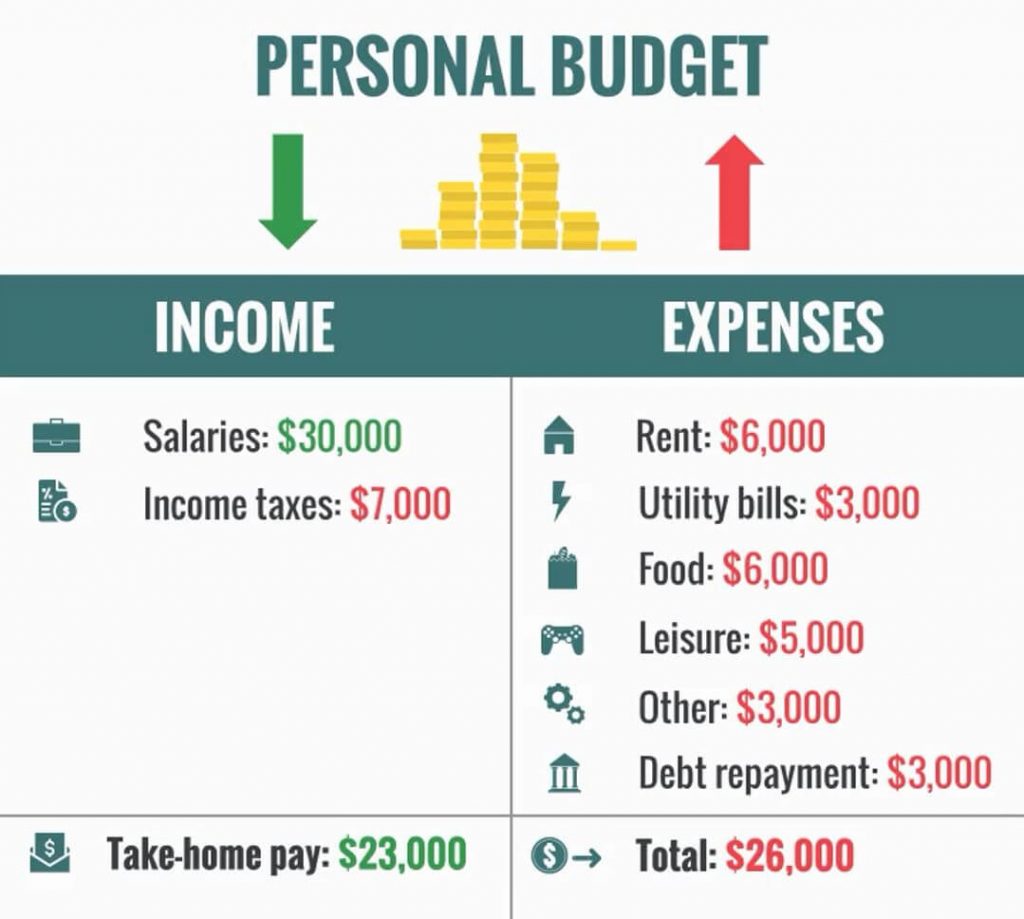
To understand what a personal budget is, one must first recognize the difference between financial awareness and financial management. Many individuals are aware of their bank balance, but few actively manage the flow of capital through their lives. A personal budget bridges this gap. It provides a structured framework to ensure that your basic needs are met, your future is secured through savings and investments, and your lifestyle choices remain sustainable.
Understanding the Core Concept of a Personal Budget
The fundamental objective of a personal budget is to align your spending with your values and goals. Without a plan, money tends to disappear into “lifestyle friction”—the small, unexamined daily purchases that aggregate into significant annual leaks. By defining a budget, you are essentially creating a set of instructions for your money to follow.
More Than Just a Spreadsheet: A Strategic Roadmap
A budget serves as a diagnostic tool for your financial health. It reveals patterns in your behavior that might otherwise go unnoticed. For instance, you might discover that you spend more on subscription services you rarely use than you do on your retirement contributions. This realization is the first step toward reclaiming control.
Strategically, a budget allows for “proactive” rather than “reactive” spending. Reactive spending occurs when an unexpected bill arrives and you must scramble to cover it. Proactive spending occurs when you have already set aside funds for car repairs, medical deductibles, or annual insurance premiums. By anticipating these costs, you remove the stress and high-interest debt that often accompany financial surprises.
The Psychology of Budgeting: Control vs. Restriction
One of the primary reasons people avoid budgeting is the fear of being “trapped” or “limited.” This is a psychological misconception. In reality, a budget provides a unique kind of freedom. When you have allocated $200 for dining out within your budget, you can spend that money without an ounce of guilt, knowing that your rent is paid and your savings goal is already met.
Budgeting shifts the internal dialogue from “I can’t afford that” to “I am choosing to spend my money on something else.” This shift from a scarcity mindset to an intentional mindset is critical for long-term financial success. It transforms the budget from a cage into a steering wheel.
The Essential Components of an Effective Budget
To build a budget that actually works, you must understand the moving parts. A budget is built on three pillars: Income, Expenses, and Goals.
Identifying Gross vs. Net Income
The starting point of any budget is your “take-home pay” or net income. Many people make the mistake of budgeting based on their gross salary—the number on their contract. However, your budget must be based on the actual cash that hits your bank account after taxes, health insurance premiums, and retirement contributions are deducted. If you have a fluctuating income, such as from commissions or freelance work, it is often safest to budget based on your lowest expected monthly earnings to ensure your baseline needs are always covered.
Categorizing Fixed vs. Variable Expenses
Expenses are generally split into two categories: fixed and variable.
-
Fixed Expenses: These are costs that remain relatively constant every month. They include rent or mortgage payments, car insurance, internet bills, and loan repayments. Because these are predictable, they are the easiest to plan for.
-
Variable Expenses: These are the “fluctuators.” Groceries, utility bills, gasoline, and entertainment fall into this category. Variable expenses are where most budgets fail or succeed. Because they are flexible, they offer the most opportunity for optimization. If you need to save more money quickly, the variable categories are the first place to look.
The Role of Sinking Funds and Emergency Reserves
A sophisticated personal budget accounts for the “unknown knowns”—expenses you know will happen but aren’t sure exactly when or how much they will cost.
-
Sinking Funds: These are small amounts of money set aside every month for a specific future expense, such as a vacation, a new laptop, or holiday gifts.
-
Emergency Reserves: A budget is incomplete without an emergency fund. This is a liquid pool of cash (typically three to six months of expenses) designed to protect your budget from catastrophic events like job loss or major medical emergencies. Without this buffer, one bad month can derail years of financial progress.
Popular Budgeting Frameworks to Suit Your Lifestyle
There is no one-size-fits-all approach to budgeting. The best method is the one you can stick to consistently. Several frameworks have gained popularity for their effectiveness in different financial situations.
The 50/30/20 Rule: Simplicity for Beginners
Popularized by Senator Elizabeth Warren, this is a high-level approach to budgeting. It suggests allocating 50% of your income to Needs (housing, food, utilities), 30% to Wants (hobbies, dining out, streaming), and 20% to Savings and Debt Repayment. This method is excellent for those who find detailed tracking overwhelming and want a general guideline to ensure they are living within their means while still building wealth.
Zero-Based Budgeting: Giving Every Dollar a Job
In zero-based budgeting, your income minus your expenses should equal exactly zero at the end of the month. This doesn’t mean you have zero dollars in your bank account; it means every single dollar has been assigned to a category—whether that category is “Rent,” “Groceries,” or “Investment Account.” This method requires meticulous tracking but offers the highest level of control and awareness. It is particularly effective for those who find themselves wondering where their “extra” money went.
The Envelope System: Tangible Spending Control
This is a classic method that involves withdrawing cash for specific variable categories (like groceries or entertainment) and placing it in physical envelopes. Once the money in the envelope is gone, you cannot spend any more in that category until the next month. In the digital age, many apps now offer “digital envelopes” or “buckets” that replicate this psychological boundary without the need for physical cash.
Values-Based Budgeting: Aligning Money with Meaning
Values-based budgeting is less about percentages and more about priorities. It involves identifying your top three to five life values—such as travel, education, or family—and ruthlessly cutting expenses in areas that don’t align with those values so you can over-spend on the things that do. This approach makes budgeting feel less like a chore and more like an expression of your personality.
The Step-by-Step Process of Creating Your First Budget
Creating a budget requires an initial investment of time, but it pays dividends in peace of mind.
Tracking Past Spending for Accurate Benchmarking
Before you can plan for the future, you must understand the past. Most people underestimate their spending by 20% to 30%. Review your bank and credit card statements from the last three months. Categorize every transaction. This raw data provides the “reality check” necessary to create a realistic budget. If you find you’ve been spending $800 a month on takeout, setting a $100 budget for next month is a recipe for failure. Aim for incremental, sustainable changes.
Setting SMART Financial Goals
A budget without a goal is just a list of numbers. To stay motivated, you need a “why.” Use the SMART criteria: Specific, Measurable, Achievable, Relevant, and Time-bound. Instead of saying “I want to save money,” say “I want to save $10,000 for a down payment on a house by December 2025.” Once you have this goal, you can work backward to determine how much your budget needs to allocate toward savings each month.
Choosing the Right Tools: Digital vs. Analog
The tools you use can significantly impact your success.
-
Spreadsheets (Excel/Google Sheets): Offer maximum customization for those who enjoy data manipulation.
-
Budgeting Apps (YNAB, Mint, EveryDollar): These sync with your bank accounts to provide real-time tracking and automated categorization.
-
Pen and Paper: Sometimes the physical act of writing down expenses creates a stronger psychological connection to your spending habits.
Reviewing and Adjusting: The Iterative Cycle
A budget is a living document, not a static one. Life changes—you might get a raise, your rent might increase, or you might develop a new hobby. A monthly “budget summit” (either alone or with a partner) is essential. During this time, you review the previous month’s performance, identify where you overspent, and adjust the categories for the upcoming month.
Overcoming Common Budgeting Pitfalls and Challenges
Even with the best intentions, budgeting can be difficult. Understanding the common obstacles can help you navigate them.
Managing Irregular Income and Side Hustles
For freelancers or those in the “gig economy,” a traditional monthly budget can be tricky. The key is to build a “buffer” or a “hill and valley” fund. During high-income months (the hills), you save the surplus to cover your expenses during low-income months (the valleys). Budgeting one month ahead—using this month’s income to pay next month’s bills—is the ultimate goal for those with irregular paychecks.
Avoiding the “Scarcity Mindset”
If you view your budget as a punishment for past financial mistakes, you are likely to abandon it. Avoid being overly restrictive. If you cut out every single luxury, you will eventually experience “frugal fatigue” and potentially go on a massive spending binge. Build “fun money” into your budget. Treating your budget as a tool for sustainable enjoyment is the secret to making it a lifelong habit.

The Long-Term Benefits of Financial Discipline
The ultimate goal of a personal budget is to achieve financial freedom—the point where your assets generate enough income to cover your living expenses. This is rarely achieved through luck; it is achieved through the consistent, disciplined application of a budget over years and decades.
A budget allows you to leverage the power of compound interest by ensuring you have a surplus to invest. It protects you from the stress of debt. It provides the clarity needed to make major life decisions, like changing careers or starting a business, with confidence. In the end, a personal budget is the most effective tool you have for designing the life you want to live. By understanding what a budget is and how to use it, you are no longer a passenger in your financial life; you are the pilot.
aViewFromTheCave is a participant in the Amazon Services LLC Associates Program, an affiliate advertising program designed to provide a means for sites to earn advertising fees by advertising and linking to Amazon.com. Amazon, the Amazon logo, AmazonSupply, and the AmazonSupply logo are trademarks of Amazon.com, Inc. or its affiliates. As an Amazon Associate we earn affiliate commissions from qualifying purchases.