
In an increasingly digital financial landscape, peer-to-peer payment applications like Cash App have become indispensable tools for managing personal funds, sending money to friends, or making quick payments. While these platforms offer unparalleled convenience, they also introduce unique challenges when transactions go awry. Understanding how to effectively dispute a Cash App transaction is a critical skill for safeguarding your personal finance and ensuring the integrity of your digital wallet. This guide delves into the financial intricacies of Cash App disputes, equipping users with the knowledge to navigate the process and protect their assets.
Understanding Cash App Transactions and Your Financial Responsibilities
Cash App operates on a different model than traditional banks, which can impact how disputes are handled. Unlike credit card companies that offer robust fraud protection and chargeback mechanisms as a standard, peer-to-peer (P2P) services facilitate direct transfers, often making reversals more complex.
The Nature of Peer-to-Peer Payments
Cash App transactions are generally instantaneous and final. When you send money to another Cash App user, it’s typically transferred immediately from your Cash App balance or linked bank account/debit card to the recipient’s account. This speed is a core feature, but it also means that once a payment is authorized and sent, it can be challenging to reclaim without the recipient’s cooperation. This system places a significant responsibility on the sender to verify the recipient and the transaction details before confirming payment.
The primary scenarios for disputing a Cash App transaction usually involve:
-
Unauthorized Activity: Funds were sent from your account without your knowledge or consent, often due to a compromised account or phishing scam.
-
Scam/Fraud: You intentionally sent money, but the transaction was part of a scam where goods or services were never delivered, or you were tricked into sending funds under false pretenses.
-
Incorrect Amount/Recipient: You accidentally sent the wrong amount or sent money to the wrong person. This is often the most difficult to reverse without recipient cooperation.
Recognizing these distinctions is crucial, as Cash App’s ability to intervene varies significantly depending on the nature of the dispute. Fraudulent transactions, particularly unauthorized ones, typically receive more direct support than those stemming from user error or common scams.
Recognizing Unauthorized Activity
Vigilance is your first line of defense in personal finance. Regularly monitoring your Cash App activity and linked bank statements is paramount. Look for transactions you don’t recognize, discrepancies in amounts, or payments to unfamiliar recipients. Many scams involve social engineering, where fraudsters convince users to send money willingly. While these are harder to dispute as “unauthorized” in the traditional sense, they still represent a financial loss due to deceptive practices. Understanding the signs of common scams—such as requests for payment for “prizes,” fake technical support, or urgent demands for gift card codes—can prevent financial exploitation. Always verify the identity of anyone requesting money, especially if the request comes via unusual channels or under high-pressure circumstances.
Steps to Initiate a Dispute on Cash App
When you identify a problematic transaction, swift and precise action is essential to maximize your chances of recovering funds or mitigating losses.
Immediate Actions for Suspected Fraud
If you suspect unauthorized activity on your Cash App account, the very first step is to secure your financial assets.
-
Change Your Cash App PIN/Password: Immediately update your security credentials to prevent further unauthorized access.
-
Unlink Payment Methods: Consider temporarily unlinking your bank account or debit card from Cash App if you believe your account security has been fully compromised. This can prevent additional unauthorized transactions.
-
Check Other Accounts: Review activity on your linked bank account and credit cards for any unusual transactions that might indicate a broader security breach.
These immediate steps are vital for containing potential damage before proceeding with the formal dispute process.
Reporting the Transaction Through the App
Cash App provides an in-app mechanism for users to report problematic transactions. This is the primary channel for initiating a dispute.
-
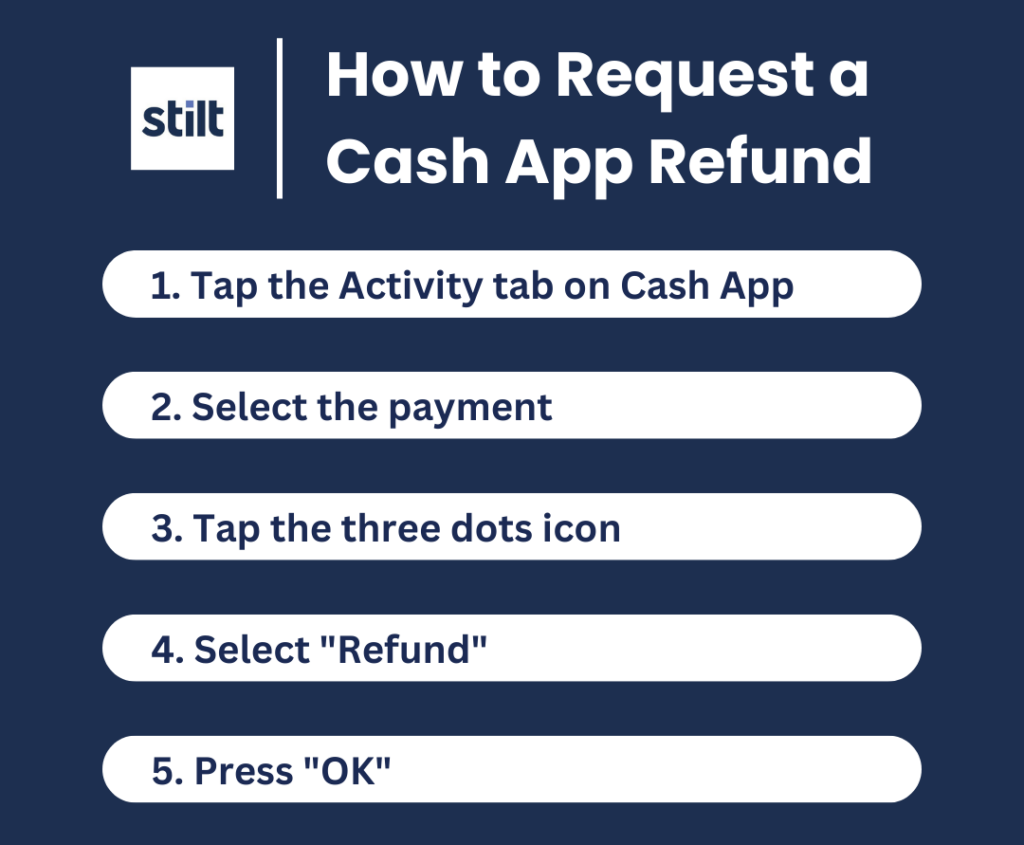
Locate the Transaction: Open your Cash App and navigate to the “Activity” tab (the clock icon). Scroll through your transaction history to find the specific payment you wish to dispute.
-
View Transaction Details: Tap on the transaction to open its detailed view.
-
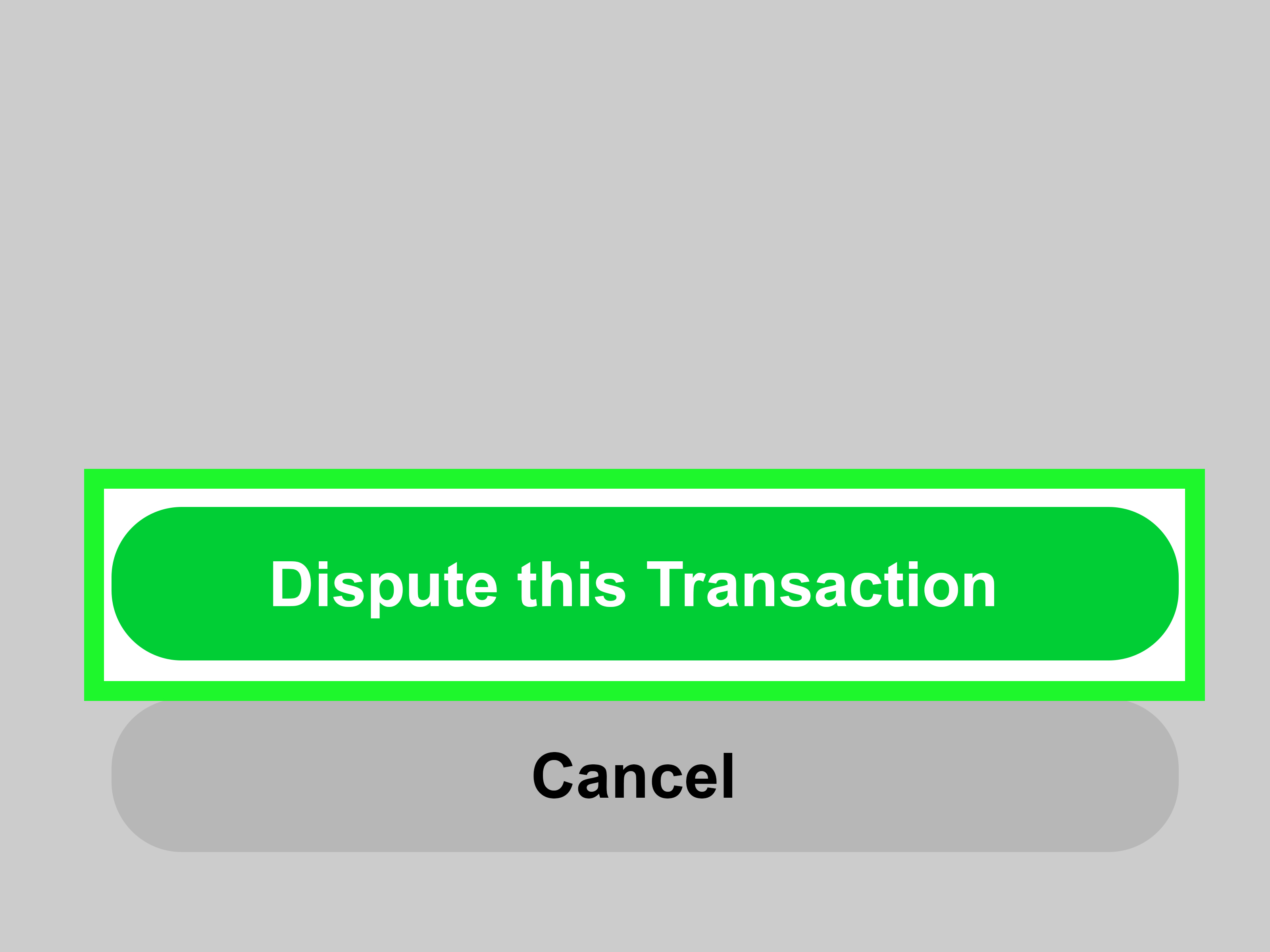
Report an Issue: Within the transaction details, you should see an option like “Report an Issue,” “Help,” or “Dispute this transaction.” Tap on this option.
-
Follow Prompts: Cash App will guide you through a series of questions to gather information about the dispute. Be as detailed and accurate as possible, providing dates, amounts, recipient details, and a clear explanation of why you are disputing the transaction. This is your opportunity to lay out the financial impact and circumstances surrounding the payment.
For cases involving scams where you willingly sent money, explicitly state that you believe you were defrauded and provide any communication (screenshots of messages, emails, etc.) that support your claim. While Cash App’s policy often states that “all payments are final,” they do review cases of reported fraud and may intervene, especially if the recipient’s account is flagged for suspicious activity.
Contacting Cash App Support
While the in-app reporting is the first step, direct communication with Cash App support is often necessary for more complex or persistent issues.
-
Phone Support: For urgent matters, calling Cash App support directly can be beneficial. Be prepared to provide your account details and transaction specifics.
-
Email Support: If phone support is unavailable or you prefer written communication, sending a detailed email to Cash App support is another option. Keep a record of all correspondence.
-
Social Media: In some cases, reaching out via Cash App’s official social media channels can prompt a quicker response, though this should not be the primary method for sensitive financial disputes.
When contacting support, clearly articulate the financial loss, the nature of the transaction, and any evidence you have. Persistence and clear documentation are key to a successful resolution.
What to Expect During the Dispute Process
Disputing a financial transaction, even on an app, is a formal process that requires patience and understanding of the potential outcomes.
Investigation and Timelines
Once you’ve reported a dispute, Cash App’s team will conduct an internal investigation. They will review the transaction details, any evidence you’ve provided, and the activity of the recipient’s account. The timeline for this investigation can vary. Some resolutions may be quick, particularly for clear-cut unauthorized transactions, while others, especially those involving complex scams or disputes with other users, can take several business days or even weeks. During this period, Cash App may reach out for additional information. It’s crucial to respond promptly to any requests to keep your case moving forward. The company’s focus will be on adherence to their Terms of Service and identifying clear violations or security breaches that directly impact your funds.
The Role of Your Bank or Card Issuer
If Cash App is unable to resolve the dispute to your satisfaction, or if the transaction was made directly from your linked debit card or bank account, you might have recourse through your traditional financial institution.
-
Debit Card Disputes: For transactions funded directly by a debit card, you can often contact your bank to initiate a chargeback. Under federal regulations (e.g., Electronic Fund Transfer Act in the U.S.), consumers have certain protections against unauthorized debit card transactions. Your bank will launch its own investigation, which may involve contacting Cash App.
-
Bank Account Disputes: Similarly, if funds were directly withdrawn from your bank account via ACH transfer, your bank may be able to dispute the transaction as unauthorized.
-
Credit Card Disputes: If you used a credit card to fund your Cash App balance and the fraudulent transaction occurred from that balance, your credit card company may offer more robust fraud protection than Cash App directly. Filing a dispute with your credit card issuer can be an effective strategy.
When contacting your bank or card issuer, be sure to explain that the fraudulent activity occurred through Cash App and provide all the details and evidence you collected. Be aware that opening a dispute with your bank for a Cash App transaction can sometimes lead to your Cash App account being temporarily or permanently suspended, as it constitutes a “chargeback” against Cash App itself.
Potential Outcomes and Reclaiming Funds
The outcome of a dispute can vary:
-
Refund: If Cash App’s investigation confirms an unauthorized transaction or certain types of fraud, they may issue a refund to your Cash App balance.
-
No Refund: For transactions that Cash App deems authorized by the user, or if they cannot definitively prove fraud on the recipient’s part, a refund may not be issued. This is particularly common in cases where users were tricked into sending money willingly (e.g., “romance scams,” “tech support scams”).
-
Bank/Card Issuer Intervention: If your bank or card issuer successfully processes a chargeback, the funds will be returned to your linked account or credit card.
Understanding that not all disputes result in a refund is an important aspect of managing your financial expectations. The P2P nature of Cash App places a higher degree of responsibility on users to prevent fraud themselves.
Proactive Measures for Financial Security on Cash App
Preventing financial disputes is always better than resolving them. Adopting robust security practices is critical for any user of digital financial tools.
Enhancing Account Security
Your Cash App account is a gateway to your money; securing it should be a top priority.
-
Enable Two-Factor Authentication (2FA): This adds an extra layer of security, requiring a code from your phone in addition to your PIN or password.
-
Use a Strong, Unique PIN: Avoid easily guessable PINs like birthdays or sequential numbers.
-
Monitor Notifications: Keep push notifications enabled for transactions, so you’re immediately alerted to any activity on your account, authorized or otherwise.
-
Regularly Review Activity: Make it a habit to periodically check your Cash App transaction history for anything suspicious.
-
Do Not Share Your PIN or Sign-In Code: Cash App will never ask for your sign-in code or PIN outside of the app. Any request for this information is a red flag.
Prudent Transaction Habits
Developing safe transaction habits can significantly reduce your risk of financial loss.
-
Verify Recipients: Always double-check the recipient’s $Cashtag before sending money. Even a single typo can send your funds to the wrong person.
-
Only Send to Trusted Individuals: Treat Cash App payments like cash. Only send money to people you know and trust.
-
Be Wary of “Deals” or “Prizes”: If an offer seems too good to be true, it almost certainly is. Legitimate companies do not ask for payments via Cash App for prizes or to “unlock” funds.
-
Avoid External Links: Do not click on suspicious links sent via email or text message that claim to be from Cash App. Always navigate directly to the app or official website.
-
Understand Purchase Protection Limitations: Cash App does not offer buyer or seller protection for goods and services in the same way platforms like PayPal or credit cards do. This makes it risky for commercial transactions with unknown parties.
Monitoring Your Financial Statements
Beyond the Cash App itself, regularly reviewing your bank and credit card statements provides an overarching view of your financial health. Cross-referencing these statements with your Cash App activity can help identify discrepancies or unauthorized charges that might go unnoticed otherwise. Promptly reporting any suspicious activity to your bank or card issuer, in addition to Cash App, ensures comprehensive protection of your financial assets.
By understanding the unique financial mechanisms of Cash App, diligently following dispute protocols, and prioritizing proactive security measures, users can navigate the digital payment landscape with greater confidence and better protect their personal finances.
aViewFromTheCave is a participant in the Amazon Services LLC Associates Program, an affiliate advertising program designed to provide a means for sites to earn advertising fees by advertising and linking to Amazon.com. Amazon, the Amazon logo, AmazonSupply, and the AmazonSupply logo are trademarks of Amazon.com, Inc. or its affiliates. As an Amazon Associate we earn affiliate commissions from qualifying purchases.