
In the modern marketplace, where global competition is the default setting, companies are constantly searching for ways to differentiate themselves and forge a deeper connection with their target audience. One of the most potent, yet complex, tools in a brand strategist’s arsenal is “patriotic branding.” But what is a patriotic brand, exactly? Beyond the superficial application of flag-themed packaging or national colors, patriotic branding is a strategic alignment of a corporate identity with the cultural values, heritage, and collective aspirations of a specific nation.
When executed correctly, this strategy taps into the profound psychological bond consumers have with their home country. It leverages feelings of belonging, trust, and pride to build long-term brand equity. However, in an era of globalization and high political sensitivity, the definition of a patriotic brand has evolved. It is no longer just about where a product is made; it is about what a brand represents to the national psyche.
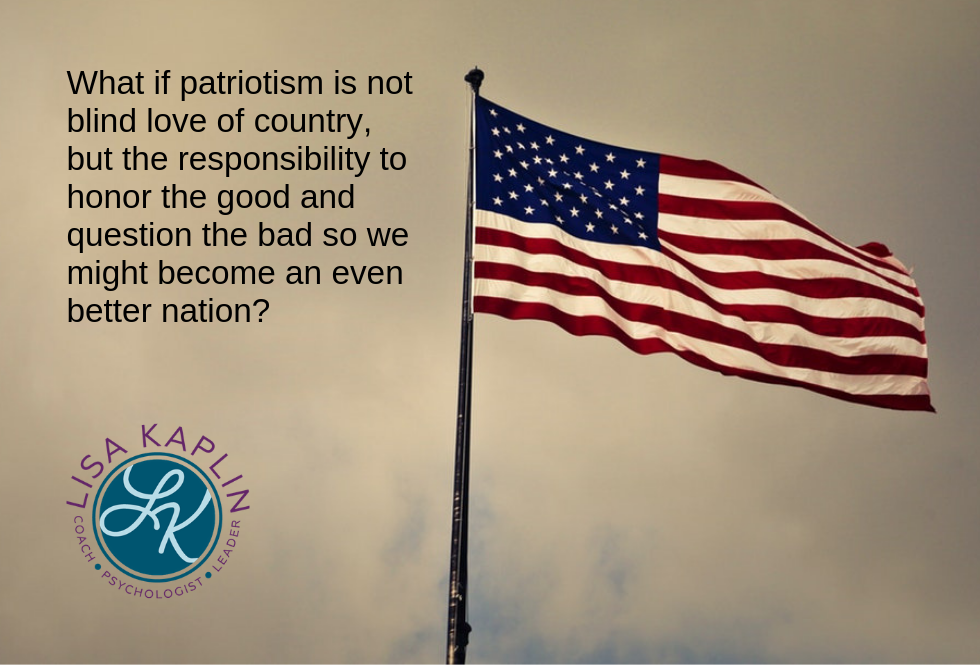
The Core Elements of a Patriotic Brand Strategy
Defining a patriotic brand requires looking past the visual surface. It involves a multi-layered approach to brand building that integrates geography, history, and ethics. For a brand to be perceived as truly patriotic, it must embody several core pillars that resonate with the domestic consumer base.
Heritage and Storytelling
The foundation of most patriotic brands is a narrative rooted in national history. This isn’t just about how long a company has been in business, but how its growth has mirrored the development of the nation itself. Brand storytelling in this niche often highlights “pioneer spirits,” wartime contributions, or the role the brand played in building a country’s infrastructure. By positioning the brand as a character in the nation’s history, the company moves from being a mere vendor to a cultural institution.
Domestic Manufacturing and the “Made-In” Factor
Perhaps the most tangible element of a patriotic brand is its commitment to the domestic workforce. The “Made in [Country]” label is a powerful marketing asset. It signals more than just a geographic origin; it serves as a proxy for quality, fair labor practices, and an investment in the local economy. In brand strategy, highlighting a local supply chain is a way to prove that the brand’s “patriotism” is backed by economic action rather than just rhetoric.
Visual Identity and Semiotics
While we avoid superficiality, visual cues remain essential. Patriotic branding utilizes national semiotics—colors, symbols, and typography that evoke a sense of place. The challenge for modern designers is to use these elements subtly and sophisticatedly. A patriotic brand in the 21st century might not use a literal flag; instead, it might use a color palette inspired by the national landscape or a logo that references traditional craftsmanship.
The Psychology Behind National Identity in Marketing
To understand why patriotic branding is so effective, we must look at the consumer psychology that drives it. Branding is, at its heart, the management of perceptions and emotions. National identity is one of the most deeply rooted aspects of a person’s self-concept, making it a fertile ground for brand connection.
Building Trust through Shared Values
Consumers often view brands as extensions of their own identities. When a brand champions the values associated with a consumer’s country—such as rugged individualism, communal resilience, or understated elegance—it creates an immediate sense of “in-group” trust. This shared value system reduces the perceived risk of a purchase. If the brand “thinks like I do” and “cares about what I care about,” the consumer is more likely to remain loyal even when cheaper international alternatives are available.
The Role of Nostalgia
Patriotic branding often leans heavily on nostalgia. By evoking a “Golden Age” or a sense of tradition, brands can provide a feeling of stability in a rapidly changing world. This is particularly effective in industries like food and beverage, apparel, and automotive, where heritage translates to a sense of reliability. Strategic nostalgia allows a brand to bypass rational price comparisons by appealing to the consumer’s emotional memory of their country’s past.
Ethnocentrism in Consumer Behavior
In marketing theory, “consumer ethnocentrism” refers to the belief held by consumers that it is right and moral to purchase domestic products. Patriotic brands leverage this by framing the purchase as a civic duty. When a brand successfully positions itself as a pillar of the community, the act of buying its product becomes an act of support for one’s neighbors and the national economy. This creates a powerful barrier to entry for foreign competitors.
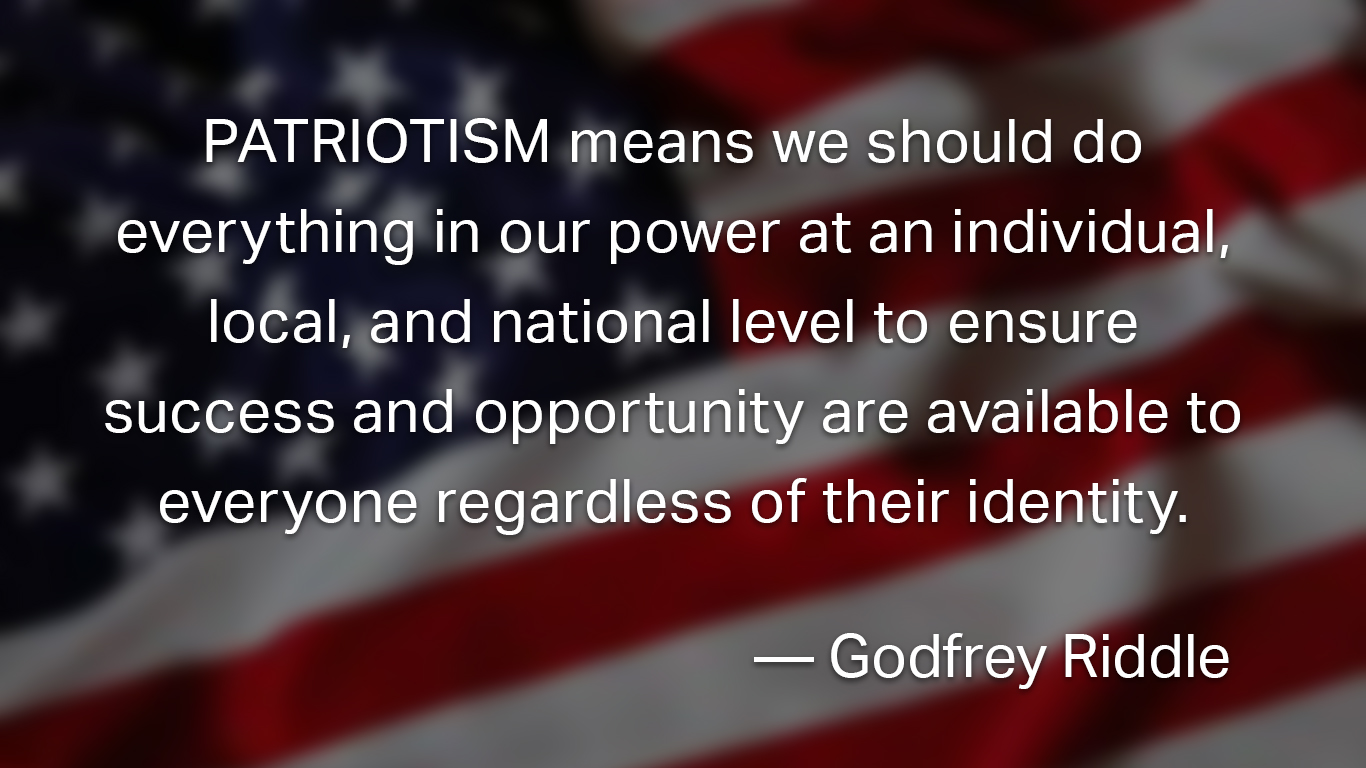
Navigating the Risks of Patriotic Branding
Despite its power, patriotic branding is fraught with potential pitfalls. If a brand is perceived as insincere or opportunistic, the backlash can be severe. In the digital age, consumers are highly adept at spotting “flag-washing”—the practice of using patriotic imagery to distract from a brand’s globalized manufacturing or lack of domestic investment.
Avoiding “Flag-Waving” Superficiality
A brand that puts a flag on its box but outsources all its labor and pays minimal domestic taxes will likely face a PR crisis. Modern brand strategy requires “radical transparency.” If a brand claims to be patriotic, it must be prepared for its corporate social responsibility (CSR) initiatives, tax records, and supply chains to be scrutinized. Authenticity is the currency of modern branding; without it, patriotic symbols become liabilities.
Cultural Sensitivity and Global Expansion
A significant challenge for patriotic brands is how to scale internationally. A brand identity that is too focused on one nation’s pride may alienate consumers in another country, especially if there are historical tensions. Smart brand strategists solve this by shifting the narrative from “National Pride” to “National Excellence.” For example, a brand might emphasize “German Engineering” or “Italian Design.” This allows the brand to maintain its national roots while framing them as a benefit for a global audience.
Staying Apolitical in a Polarized Market
In many countries, patriotism has become a politically charged concept. A brand that leans too heavily into certain types of nationalistic imagery risks being co-opted by a specific political faction, thereby alienating half of its potential market. The most successful patriotic brands focus on “unifying” symbols and values—hard work, innovation, and community—rather than divisive political rhetoric. The goal is to be a brand for the whole nation, not just a segment of it.
Case Studies: Brands that Mastered the National Identity
Examining brands that have successfully integrated national identity into their corporate DNA provides a roadmap for others. These companies don’t just use patriotism as a campaign theme; they use it as a foundational brand philosophy.
Heritage Excellence: The Legacy Approach
Consider brands in the luxury or automotive sectors that have become synonymous with their country’s reputation. For instance, brands that lean into “Britishness” often focus on a blend of eccentricity, tradition, and high-end craftsmanship. They don’t need to shout about being British; the brand’s tone of voice, its association with national landmarks, and its commitment to local workshops tell the story. This creates a “country-of-origin effect” where the prestige of the nation rubs off on the brand, and vice versa.
Modern Reinterpretation: The Tech-Patriot
In the technology sector, we are seeing the rise of the “Tech-Patriot.” These are brands that position themselves as the nation’s answer to global tech giants. By focusing on data sovereignty, local infrastructure, and the development of domestic AI or software, these brands appeal to a sense of national security and technological independence. Their “patriotism” is expressed through innovation and the desire to keep the nation at the forefront of the global digital economy.
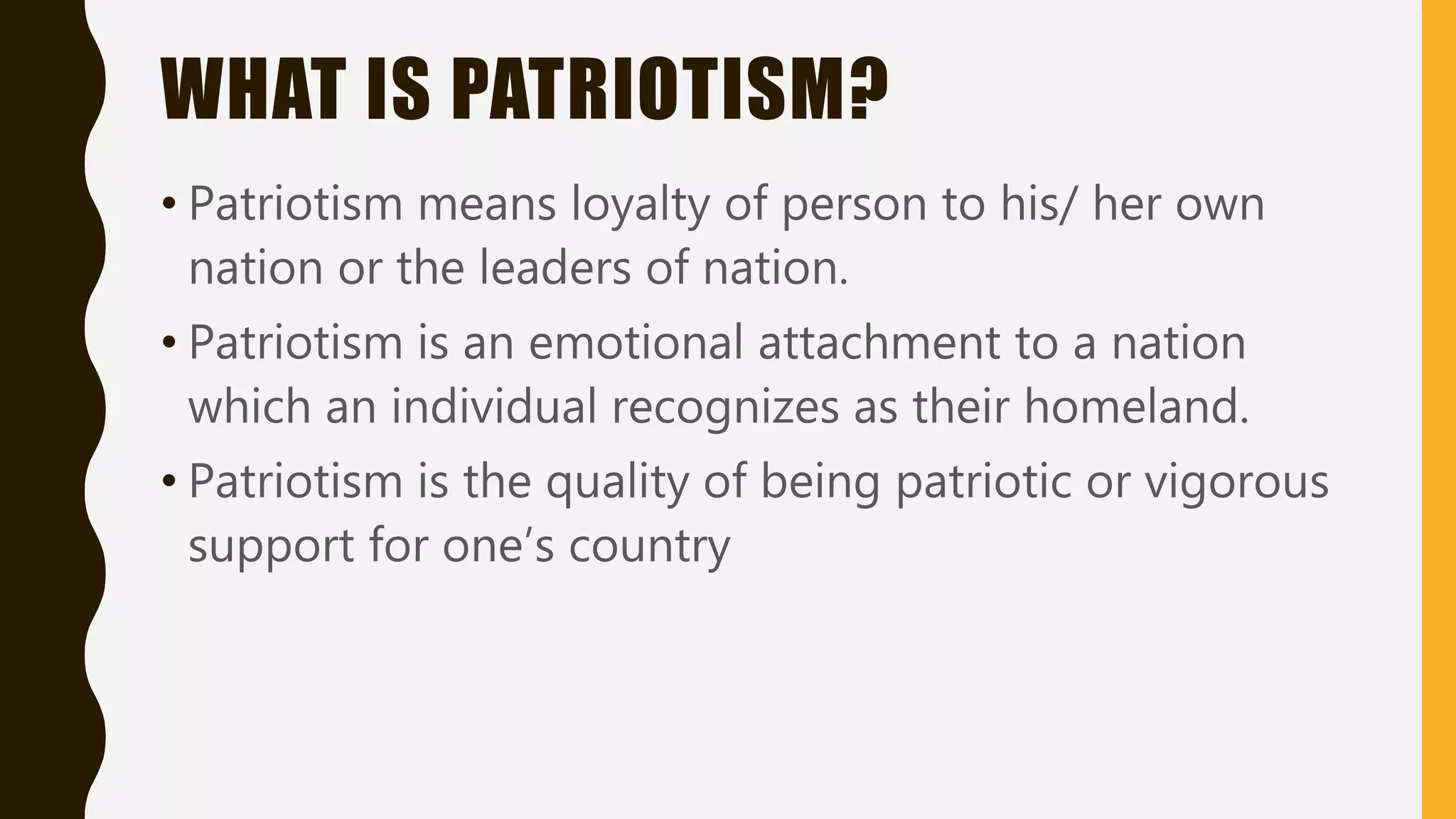
The Future of Brand Patriotism in a Globalized World
As we move further into the 21st century, the concept of a patriotic brand is being redefined by a generation of consumers who value both local impact and global responsibility. The “New Patriotism” in branding is less about exclusion and more about contribution.
Future brand strategies will likely focus on “Hyper-Local Patriotism,” where brands emphasize their impact on specific cities or regions, and “Sustainable Patriotism,” where protecting the national environment is seen as the ultimate patriotic act.
Ultimately, a patriotic brand is one that understands its place within the national fabric. It is a brand that contributes to the country’s economy, respects its history, and innovates for its future. By moving beyond symbols and focusing on substance, companies can build a brand identity that is not only patriotic but also resilient, authentic, and profoundly influential in the hearts and minds of consumers. In the high-stakes world of brand strategy, being a “patriot” means being a brand that the nation can be proud of.
aViewFromTheCave is a participant in the Amazon Services LLC Associates Program, an affiliate advertising program designed to provide a means for sites to earn advertising fees by advertising and linking to Amazon.com. Amazon, the Amazon logo, AmazonSupply, and the AmazonSupply logo are trademarks of Amazon.com, Inc. or its affiliates. As an Amazon Associate we earn affiliate commissions from qualifying purchases.