
In the landscape of modern personal finance, the seamless movement of money is something we often take for granted. Whether you are setting up a direct deposit for a new job, paying your monthly utility bills, or transferring funds to an investment account, there is a specific set of digits working behind the scenes to ensure your capital arrives at its intended destination. Among these, the routing number is perhaps the most critical piece of the puzzle.
Determining your routing number is not merely a bureaucratic hurdle; it is a fundamental step in mastering your personal financial tools. This guide will walk you through exactly what a routing number is, how to locate it across various platforms, and why understanding this nine-digit code is essential for your financial health.

Understanding the Routing Number: The Anatomy of Modern Banking
To determine your routing number, you must first understand what it represents. Often referred to as an ABA (American Bankers Association) routing transit number (RTN), this nine-digit sequence serves as an address for your financial institution. Just as a zip code helps the postal service find your home, a routing number helps the banking system find your bank.
What is an ABA Routing Number?
The ABA routing number system was established in 1910 to make the processing of paper checks more efficient. Today, it has evolved into the backbone of the electronic payment system in the United States. Each digit in the nine-digit string has a specific purpose. The first two digits indicate the Federal Reserve district where the bank is located. The third digit identifies the Federal Reserve check processing center, while the fourth digit identifies the state where the bank is headquartered. The subsequent digits are unique identifiers for the specific institution, ending with a “check digit” used for verification.
The Difference Between Routing and Account Numbers
A common point of confusion for many consumers is the distinction between a routing number and an account number. Think of the routing number as the “neighborhood” (the bank) and the account number as the “specific house” (your individual account). While every customer at a specific branch or region of a large national bank might share the same routing number, your account number is unique to you. When you are asked to provide “banking information” for a transaction, you will almost always need both to ensure the money goes to the right bank and then into the right person’s pocket.
Why Banks May Have Multiple Routing Numbers
It is important to note that larger financial institutions may have several routing numbers. This can happen due to historical mergers and acquisitions, where the parent company maintains the legacy routing numbers of the banks it bought. Additionally, banks often use different routing numbers for different types of transactions—one for domestic ACH transfers (like direct deposits) and another for wire transfers. When you are determining your routing number, you must ensure you are looking for the one that corresponds to the specific financial activity you are performing.
Practical Methods to Find Your Routing Number
In the digital age, finding your routing number is easier than ever, but the method you choose may depend on the tools you have at your disposal. Whether you prefer old-school paper records or high-tech mobile apps, your routing number is never far out of reach.
Checking the Bottom of Your Paper Checks
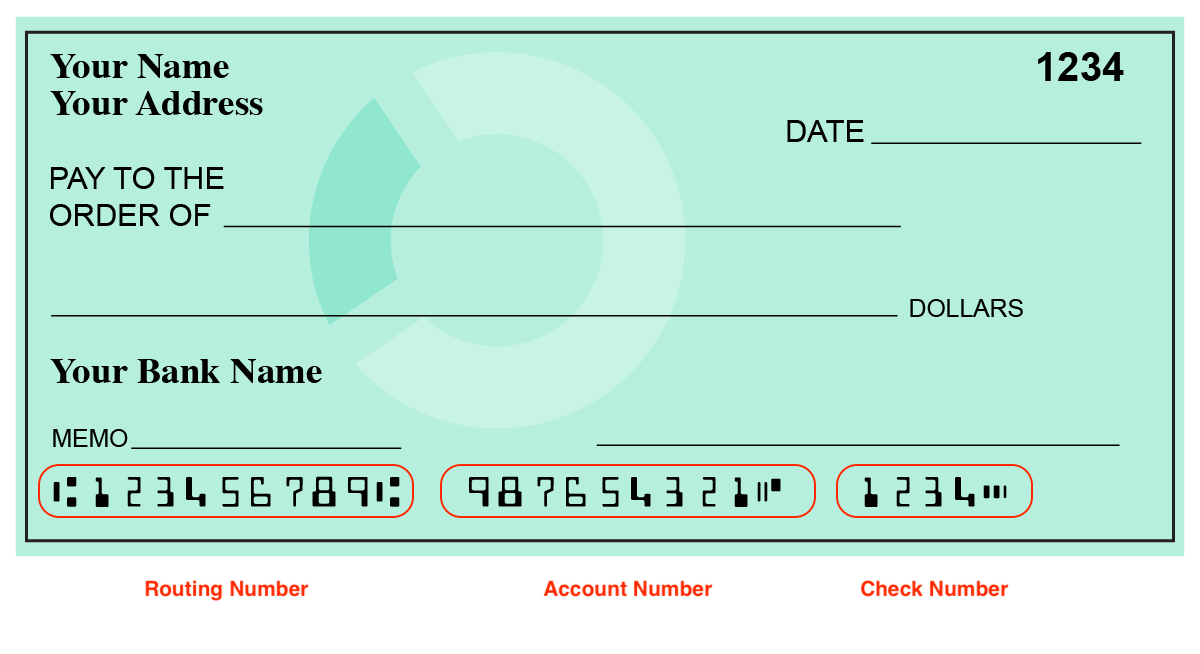
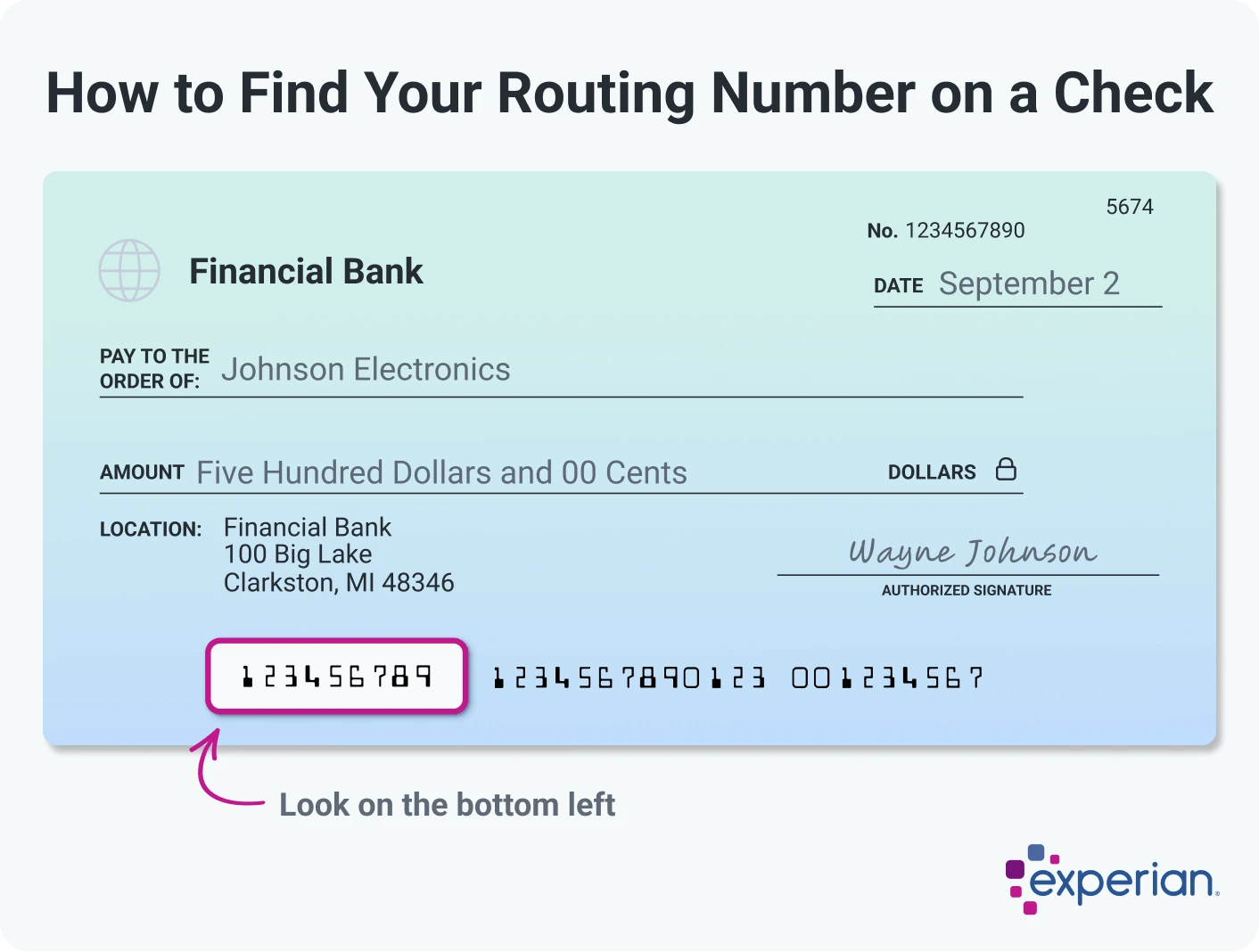
The most traditional way to determine your routing number is by looking at a physical check associated with your account. If you look at the bottom of a check, you will see three sets of numbers printed in a special font known as MICR (Magnetic Ink Character Recognition).
- The first set of nine digits on the far left is your routing number.
- The second set (the middle or right-aligned numbers) is your account number.
- The third, shorter set is the check number.
Ensure you are looking at the nine-digit sequence on the left, which is usually flanked by a specific bracket-like symbol.
Utilizing Mobile Banking and Online Portals
If you do not use paper checks, your bank’s digital platform is the most efficient resource. After logging into your bank’s website or mobile app, navigate to the “Account Details” or “Account Summary” section. Most banks will list the routing number right alongside your current balance. Some apps even feature a “copy” button next to the routing number to help you avoid transcription errors when pasting the number into a payroll form or a bill-pay site.
Direct Inquiries via Customer Support or Bank Websites
If you are unable to access your online account, most banks maintain a public list of their routing numbers on their official websites. You can often find this by searching “routing number” in the site’s help center or FAQ section. If your bank is a large national entity, they may provide a lookup tool where you enter your state to find the correct regional number. Finally, you can always call your bank’s customer service line; since routing numbers are not private information (they identify the bank, not you), a representative can provide this number once you verify your identity.
When and Why You Need Your Routing Number
Knowing how to find your routing number is the first step; knowing when to use it is where your financial literacy truly pays off. This number is the key to automating your finances and moving money securely.
Setting Up Direct Deposits
One of the most common reasons you will need to determine your routing number is for direct deposit. Whether it is your salary from an employer, a tax refund from the IRS, or Social Security benefits, these entities require your routing number to push funds into your account. Using the correct routing number ensures that your hard-earned money doesn’t get “lost in transit” or rejected by the Federal Reserve’s automated system.
Domestic Wire Transfers vs. ACH Payments
There is a vital distinction in the world of personal finance between ACH (Automated Clearing House) transfers and wire transfers. ACH transfers are common for everyday tasks like paying a credit card bill or receiving a paycheck; they usually take 1–3 business days. Wire transfers are used for large, immediate transactions, such as a down payment on a home. As mentioned earlier, some banks use a specific routing number exclusively for wires. Before initiating a high-value transfer, always confirm with your bank if you should use the standard ACH routing number or a specialized wire routing number.
Automatic Bill Pay and Subscription Services
To avoid late fees and manage cash flow effectively, many individuals use their routing and account numbers to set up “Auto-Pay” for recurring expenses. While you can often use a debit card for these services, using your routing number for a direct bank withdrawal is sometimes preferred by service providers (and can even result in small discounts) because it bypasses the transaction fees associated with credit card networks.
Security and the Routing Number: Protecting Your Financial Identity
Because we are taught to be cautious with our financial data, many people wonder if sharing a routing number is dangerous. In the realm of personal finance, understanding the “threat model” of your data is essential for peace of mind.
Is a Routing Number Public Information?
In a vacuum, a routing number is not a secret. It is a public identifier for a financial institution. Every time you hand someone a physical check, you are handing them your routing number. However, the risk arises when the routing number is paired with your unique account number. This combination is what allows for the withdrawal of funds. Therefore, while you shouldn’t worry about the routing number itself being “leaked,” you should be very careful about who has access to the full pair of numbers.
Best Practices for Financial Privacy
To keep your money safe, only provide your routing and account numbers to reputable entities. Secure portals (indicated by the “https” in the URL) are a must when entering this data online. Furthermore, regularly monitoring your bank statements for unauthorized ACH withdrawals is a hallmark of a savvy financial manager. If you ever suspect that your banking information has been compromised, your bank can issue you a new account number, though your routing number will likely remain the same since it is tied to the institution.
Conclusion: Empowerment Through Financial Literacy
Determining your routing number is a small but vital task in the grand scheme of personal finance. It represents the link between your personal wealth and the global financial infrastructure. By knowing how to locate this number on a check, via a mobile app, or through a bank’s website, you gain the ability to manage your income and expenses with precision.
As you continue to grow your financial portfolio—whether through investing, side hustles, or simply optimizing your household budget—remember that these nine digits are the foundation of your transactional life. Stay organized, keep your account details secure, and use these tools to ensure your money is always exactly where it needs to be. Understanding the “how” and “why” of your routing number is not just about banking; it’s about taking full control of your financial future.
aViewFromTheCave is a participant in the Amazon Services LLC Associates Program, an affiliate advertising program designed to provide a means for sites to earn advertising fees by advertising and linking to Amazon.com. Amazon, the Amazon logo, AmazonSupply, and the AmazonSupply logo are trademarks of Amazon.com, Inc. or its affiliates. As an Amazon Associate we earn affiliate commissions from qualifying purchases.