
In the rapidly evolving landscape of medical technology, the methods by which we administer life-saving treatments are undergoing a digital transformation. Historically, when a patient or practitioner asked, “What is a parenteral route?” the answer was simple: it is any route of administration that does not involve the gastrointestinal tract—essentially, an injection. However, in the modern era of MedTech, the parenteral route has become a sophisticated intersection of biotechnology, software engineering, and hardware innovation.
From smart infusion pumps to AI-driven delivery systems, the technology powering parenteral administration is redefining patient care, safety, and precision. This article explores the technological advancements that have turned the parenteral route from a manual procedure into a high-tech frontier of the Internet of Medical Things (IoMT).

The Evolution of Parenteral Delivery: From Manual Syringes to Smart Hardware
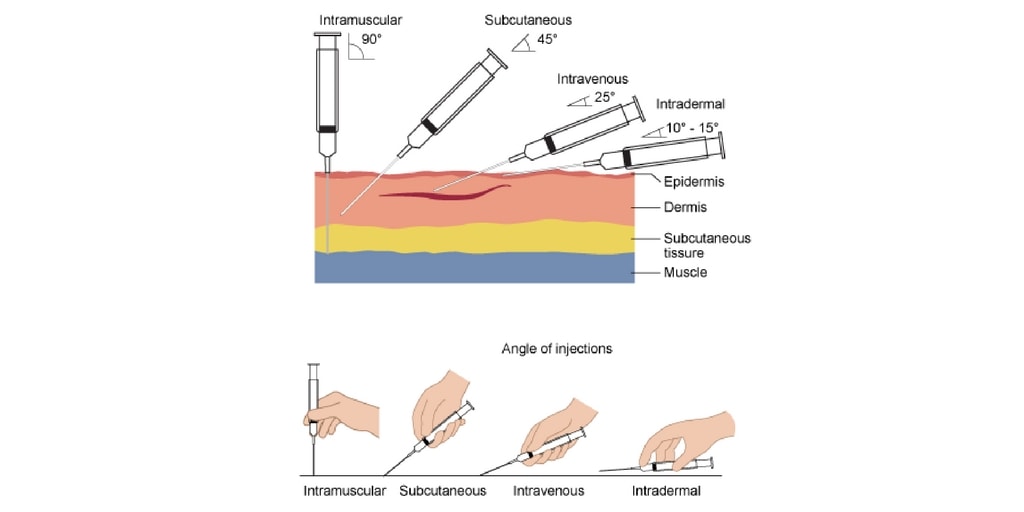
The parenteral route—encompassing intravenous (IV), intramuscular (IM), and subcutaneous (SC) deliveries—is preferred when rapid onset of action is required or when a drug is poorly absorbed by the gut. While the biological definition remains constant, the delivery hardware has shifted from simple mechanical tools to complex, interconnected devices.
The Rise of the Smart Infusion Pump
The most significant technological leap in parenteral care is the development of “Smart Pumps.” These are not merely motorized plungers; they are sophisticated computers equipped with Dose Error Reduction Systems (DERS). These devices utilize software libraries that contain standardized drug concentrations, dosing limits, and clinical advisories. By integrating wireless connectivity, smart pumps can sync with a hospital’s Electronic Health Record (EHR) system, ensuring that the right patient receives the right dose at the right time.
Wearable Injectors and the On-Body Revolution
For chronic conditions like diabetes or autoimmune disorders, technology has moved the parenteral route from the clinic to the home. Wearable “patch pumps” are miniature technological marvels. These devices use microfluidics and sensors to deliver subcutaneous medication over extended periods. The tech behind these wearables involves low-energy Bluetooth (BLE) to communicate with smartphones, allowing users to track their dosage data in real-time—a perfect example of how the parenteral route has entered the app ecosystem.
Needle-Free Injection Technology (NFIT)
One of the most exciting trends in parenteral tech is the move away from traditional needles. Jet injectors use high-pressure streams of liquid to penetrate the skin and deliver medication. The engineering challenge here involves precise pressure regulation and nozzle design to ensure the medication reaches the correct tissue depth without causing trauma. This technology represents a significant leap in “Gadgetry” within the medical space, offering a solution for needle phobia and reducing the risk of accidental needle-stick injuries.
Software and AI: Precision Dosing and Algorithmic Safety
While the hardware delivers the drug, the software ensures the delivery is optimized. The integration of Artificial Intelligence (AI) and Machine Learning (ML) into parenteral systems is perhaps the most transformative trend in 2024 and beyond.
Predictive Analytics in Fluid Management
In intensive care units, parenteral fluid delivery is a delicate balancing act. Tech companies are now developing AI algorithms that monitor a patient’s vitals in real-time and suggest adjustments to IV flow rates. These “closed-loop” systems act like a thermostat for medication; when the software detects a dip in blood pressure or a change in heart rate, it can autonomously (under clinician supervision) adjust the parenteral delivery to stabilize the patient.
Automated Documentation and EHR Integration
One of the greatest bottlenecks in parenteral administration is documentation. Modern parenteral tech utilizes “Auto-Programming” software. When a nurse scans a barcode on a medication bag and a barcode on the patient’s wristband, the smart pump automatically pulls the prescription data from the cloud. This eliminates manual entry errors, which have historically been a leading cause of adverse drug events. This seamless data flow is a hallmark of modern digital health ecosystems.
The Role of Big Data in Pharmacovigilance
By aggregating data from thousands of connected parenteral devices, researchers can use big data analytics to identify trends in drug efficacy and side effects. Software platforms can track how different populations react to specific parenteral treatments, leading to “Precision Medicine”—where the route, timing, and dosage are tailored to an individual’s genetic makeup and real-time physiological data.

The Future of the Parenteral Route: Nanotechnology and Bio-Hacking
As we look toward the future, the technology associated with parenteral delivery is becoming increasingly microscopic and integrated. We are moving toward a world where the parenteral route is managed by autonomous internal systems.
Nanobots and Targeted Delivery
Nanotechnology is paving the way for parenteral administration that happens at the cellular level. Scientists are developing lipid nanoparticles that can be injected into the bloodstream and programmed to release their payload only when they encounter specific markers, such as a tumor cell. The “tech” here is the chemical programming of the delivery vehicle, ensuring that parenteral drugs do not affect healthy tissue, thereby reducing toxicity and improving outcomes.
Bio-Absorbable Sensors
The next generation of parenteral technology includes sensors that are injected along with the medication. These sensors can monitor the drug’s concentration in the blood and transmit that data to an external receiver. Once their job is done, they are naturally absorbed by the body. This merge of material science and digital communication represents the pinnacle of current parenteral innovation.
3D Printed Drug Delivery Systems
Customization is a major trend in tech, and parenteral medicine is no exception. 3D printing allows for the creation of customized microneedle patches. These patches, applied to the skin, use microscopic projections to deliver drugs parenterally without pain. The tech allows for the “printing” of specific drug release profiles into the structure of the patch itself, providing a level of personalization that traditional manufacturing cannot match.
Digital Security and Ethics in Connected Parenteral Care
With the shift toward connected devices and cloud-based dosing, the parenteral route has become a new target for cybersecurity threats. When a device is responsible for delivering life-critical medication, the “Digital Security” aspect becomes a matter of life and death.
Protecting the IoMT (Internet of Medical Things)
Connected infusion pumps are essentially IoT devices, and like any IoT device, they can be vulnerable to hacking. Tech firms are now focusing heavily on “Medical Grade” encryption and secure boot protocols for parenteral hardware. Ensuring that a “man-in-the-middle” attack cannot alter a dosing command is a top priority for developers in the medical software space.
Data Privacy and Patient Confidentiality
Parenteral technology generates a massive amount of personal health information (PHI). As these devices sync with apps and cloud platforms, the tech industry must navigate stringent regulations like HIPAA and GDPR. The challenge lies in maintaining a user-friendly interface while ensuring that the transmission of parenteral data remains anonymous and secure from data breaches.
The Ethics of Autonomous Delivery
As we move toward AI-driven, autonomous parenteral systems, ethical questions arise regarding software “decision-making.” If an algorithm adjusts a dose and a complication occurs, where does the liability lie—with the software developer, the hospital, or the hardware manufacturer? This intersection of tech and law is a burgeoning field that will define the next decade of medical innovation.
Conclusion: The Digital Future of a Medical Necessity
In answering the question “What is a parenteral route?” we can no longer limit our view to needles and vials. In the modern tech landscape, the parenteral route is a sophisticated digital pipeline. It is an ecosystem characterized by smart hardware, AI-driven software, and a constant push toward miniaturization and connectivity.
The integration of these technologies is making parenteral administration safer, more precise, and increasingly accessible outside of traditional hospital settings. As we continue to innovate in the realms of IoT, AI, and nanotechnology, the parenteral route will remain at the forefront of the technological revolution in healthcare, proving that the future of medicine is as much about the “how” as it is about the “what.” Whether through a smart pump or a 3D-printed patch, the technology of drug delivery is ensuring that the parenteral route remains a vital, and increasingly high-tech, component of human longevity.
aViewFromTheCave is a participant in the Amazon Services LLC Associates Program, an affiliate advertising program designed to provide a means for sites to earn advertising fees by advertising and linking to Amazon.com. Amazon, the Amazon logo, AmazonSupply, and the AmazonSupply logo are trademarks of Amazon.com, Inc. or its affiliates. As an Amazon Associate we earn affiliate commissions from qualifying purchases.