
In the traditional medical landscape, a parenteral route of administration refers simply to any path of medication delivery that bypasses the gastrointestinal tract. Derived from the Greek words para (beside) and enteron (intestine), this category historically included injections and infusions. However, as we move deeper into the 21st century, the definition of “parenteral” is being radically reshaped by the technology sector. No longer just a matter of needles and syringes, parenteral administration has become a high-tech frontier involving robotics, artificial intelligence, nanotechnology, and sophisticated software.
The intersection of medicine and technology—often referred to as MedTech—has transformed the parenteral route into a playground for innovation. From smart wearable devices that automate subcutaneous delivery to AI-driven infusion systems that calculate dosages in real-time, the “how” of drug administration is becoming as important as the drug itself.

Beyond the Syringe: The Technological Evolution of Parenteral Administration
The shift from manual administration to technology-enhanced delivery is driven by the need for precision, safety, and patient compliance. In a world where digital health is becoming the standard, the parenteral route is the primary focus for engineers and software developers looking to minimize human error.
Defining Parenteral Routes in the Digital Age
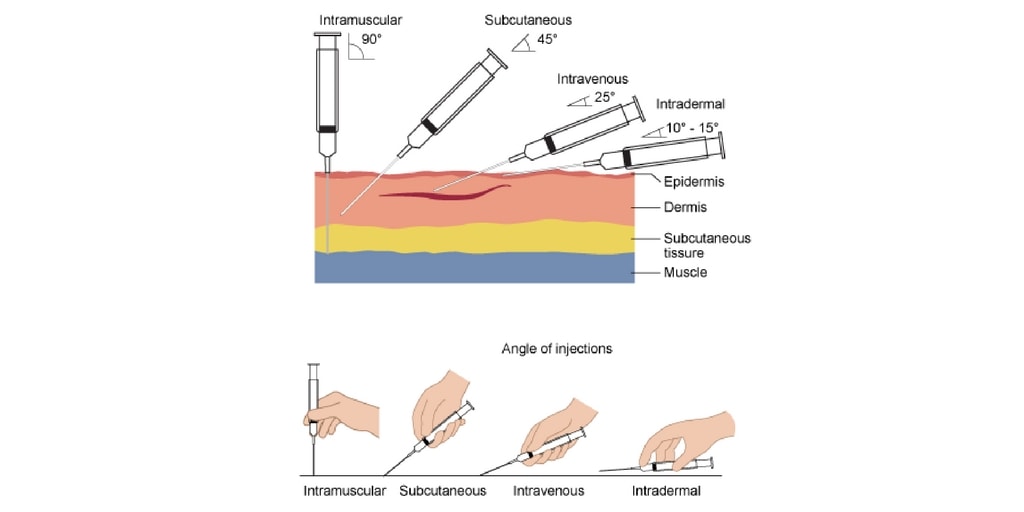
While the core parenteral routes remain intravenous (IV), intramuscular (IM), and subcutaneous (SC), the technology used to access these routes has changed. Today, we define these routes not just by the tissue they target, but by the “smart” hardware used to reach them. High-tech delivery systems now incorporate sensors that detect skin resistance, blood flow, and tissue density to ensure that a drug is deposited in the exact anatomical location required for maximum bioavailability.
From Manual Injections to Precision Bio-Tech
The transition from a simple needle to a “smart” injector represents a massive leap in engineering. Modern parenteral technology utilizes micro-circuitry and mechanical engineering to control the rate of delivery. For instance, in chronic disease management, manual syringes are being replaced by auto-injectors equipped with Bluetooth connectivity. These devices track the time, date, and dosage of each administration, syncing the data to a cloud-based dashboard for healthcare providers to review. This digital footprint ensures that the parenteral route is no longer a “black box” of patient behavior but a data-rich stream of clinical information.
Smart Delivery Systems: AI and IoT in Intravenous and Subcutaneous Tech
The Internet of Things (IoT) has found a significant foothold in parenteral administration. By connecting delivery hardware to a network, hospitals and patients can ensure a level of safety that was previously impossible.
The Rise of Connected Infusion Pumps
Intravenous therapy is the most common parenteral route in hospital settings, but it is also the most prone to dosing errors. Enter “Smart Pumps.” These are essentially specialized computers that run complex software designed to prevent medication errors. They utilize “Dose Error Reduction Systems” (DERS), which are software libraries of drug concentrations and dosing limits. If a clinician attempts to program a dose that exceeds safety parameters, the AI within the pump triggers an alert or locks the system entirely. This is a prime example of how software is serving as a critical safety layer in parenteral administration.
Wearable Drug Delivery Devices and Real-Time Monitoring
Subcutaneous delivery has been revolutionized by wearable technology. Devices like insulin pumps and on-body injectors for biologics are essentially miniature robots worn on the skin. These devices use sophisticated algorithms to calculate basal and bolus rates based on real-time data from continuous glucose monitors (CGM). The integration of AI allows these systems to learn a patient’s physiological patterns, predicting the need for medication before the patient even feels symptoms. This “closed-loop” technology represents the pinnacle of autonomous parenteral administration.
Nanotechnology: The Micro-Tech Redefining “Direct Entry”
Perhaps the most exciting tech development in parenteral routes is occurring at the molecular level. Nanotechnology is changing the physics of how drugs travel through the bloodstream and enter cells.

Nanoparticles as Targeted Delivery Vehicles
When a drug is administered parenterally, it often circulates through the entire body, potentially causing side effects in healthy tissues. Tech-enabled drug delivery uses nanoparticles—engineered structures measured in billionths of a meter—to encapsulate medication. These “nano-bots” can be programmed with surface ligands that recognize specific markers on cancer cells or inflamed tissue. By using the parenteral route as a highway, these technological vehicles deliver their cargo only to the target site, significantly reducing toxicity and increasing efficacy.
Overcoming Biological Barriers with Engineering
The blood-brain barrier (BBB) has long been a challenge for parenteral drugs aimed at the central nervous system. Modern tech is solving this through the engineering of specialized lipid nanoparticles (LNPs) and ultrasound-mediated delivery. By using focused ultrasound technology in conjunction with parenteral injections, researchers can temporarily and safely “open” the barrier to allow therapeutic software (like mRNA sequences) to enter the brain. This marriage of physical tech and chemical engineering is redefining the boundaries of what parenteral administration can achieve.
Needle-Free Tech: The High-Tech Alternative to Traditional Punctures
One of the greatest barriers to parenteral administration is “needle phobia” and the risks associated with sharps disposal. The tech industry has responded with innovative mechanical and digital solutions that eliminate the needle entirely.
Jet Injectors and Sonic Delivery Systems
Jet injection technology uses high-pressure liquid streams to penetrate the skin. By utilizing a high-speed micro-jet (powered by compressed gas or springs), the medication is pushed through the epidermis into the subcutaneous or intramuscular space in a fraction of a second. The engineering challenge here involves fluid dynamics—ensuring the stream is narrow enough to be painless but strong enough to reach the required depth. Advanced versions of these devices use piezoelectric actuators to control the pressure profile of the injection with microsecond precision.
Microneedle Patches: The Intersection of Material Science and Medicine
Microneedle patches represent a breakthrough in wearable tech and material science. These are small, adhesive patches covered in hundreds of microscopic needles that are barely long enough to penetrate the outer layer of the skin. Once applied, these needles (often made of biocompatible polymers) dissolve, releasing the drug into the interstitial fluid. The manufacturing of these patches requires high-precision lithography and 3D printing tech, making them a marvel of modern micro-fabrication. They offer a painless, tech-forward alternative to traditional parenteral routes that patients can self-administer with zero training.
Cybersecurity and Data Integrity in Parenteral Tech
As parenteral administration becomes increasingly digital and connected, it enters the realm of cybersecurity. When a life-critical device like an infusion pump or a wearable injector is connected to a network, it becomes a potential target for digital vulnerabilities.
Protecting Automated Delivery Systems from Vulnerabilities
The software running modern parenteral devices must be hardened against hacking. A security breach in an automated insulin pump, for example, could result in a lethal overdose. Tech companies are now implementing “security by design,” utilizing encrypted communication protocols and multi-factor authentication for device adjustments. This aspect of parenteral administration is less about the medicine and more about the digital infrastructure that ensures the medicine is delivered safely.
The Role of Blockchain in Pharmaceutical Supply Chains
The parenteral route requires high-purity, sterile biologics and medications. Tech solutions like blockchain are being used to track these medications from the lab to the point of administration. By creating an immutable digital ledger, tech platforms ensure that the vial of medication being loaded into a smart pump is authentic, has been stored at the correct temperature (via IoT thermal sensors), and is not expired. This level of transparency in the supply chain is vital for the integrity of parenteral therapy.
Conclusion: The Digital Future of Parenteral Care
The question of “what is a parenteral route of administration” can no longer be answered with a simple medical definition. In the modern era, it is a sophisticated intersection of human biology and high-level technology. We have moved from the era of the glass syringe to the era of the smart, connected, and automated delivery ecosystem.
As AI continues to evolve and nanotechnology becomes more refined, the parenteral route will become even more invisible and integrated into daily life. The future of healthcare lies in these “direct entry” technologies—where software, hardware, and biology work in perfect synchrony to deliver life-saving treatments with a level of precision that was once the stuff of science fiction. For the tech industry, the parenteral route isn’t just a way to deliver medicine; it is a platform for the next generation of human-machine integration.
aViewFromTheCave is a participant in the Amazon Services LLC Associates Program, an affiliate advertising program designed to provide a means for sites to earn advertising fees by advertising and linking to Amazon.com. Amazon, the Amazon logo, AmazonSupply, and the AmazonSupply logo are trademarks of Amazon.com, Inc. or its affiliates. As an Amazon Associate we earn affiliate commissions from qualifying purchases.